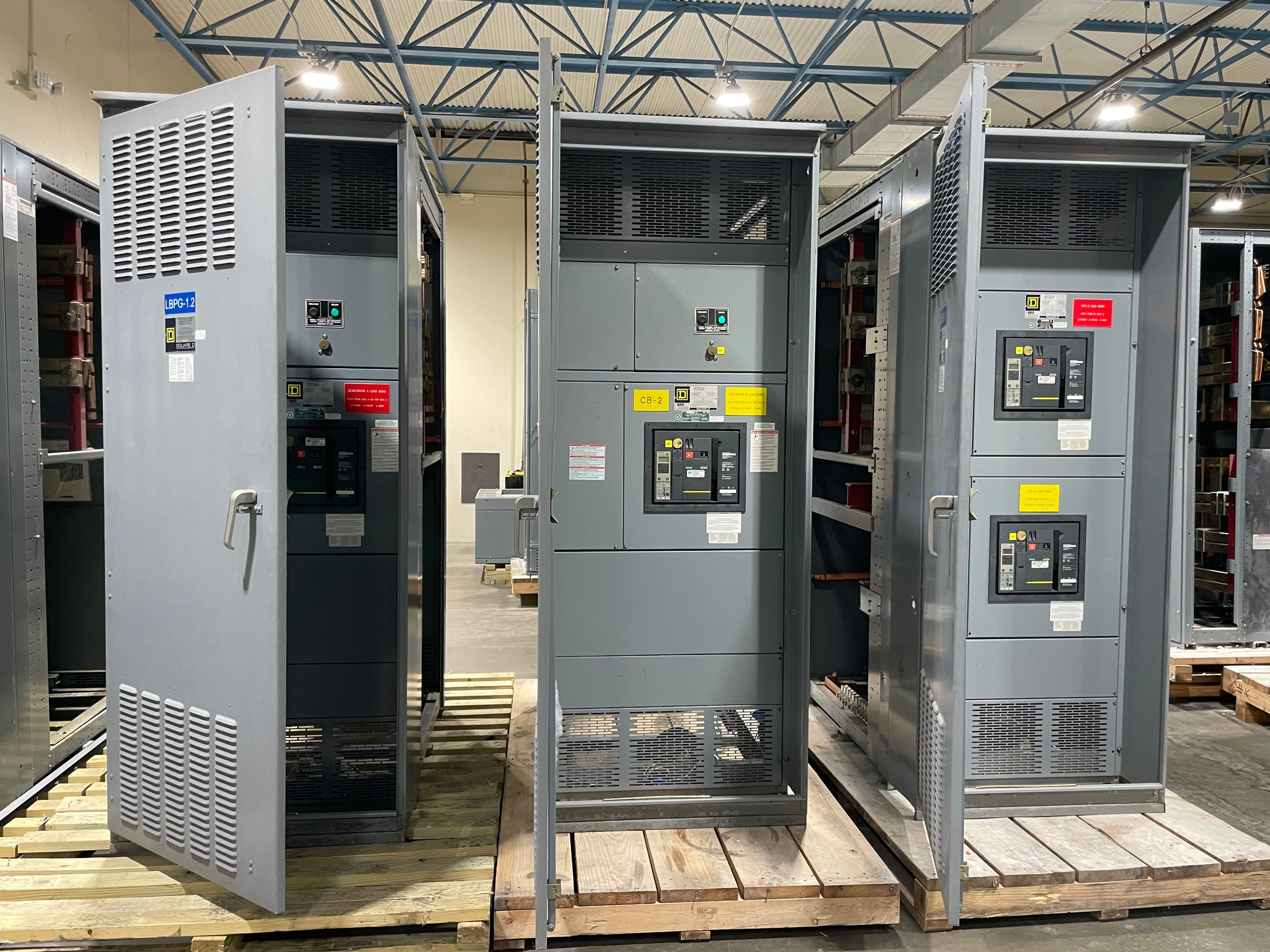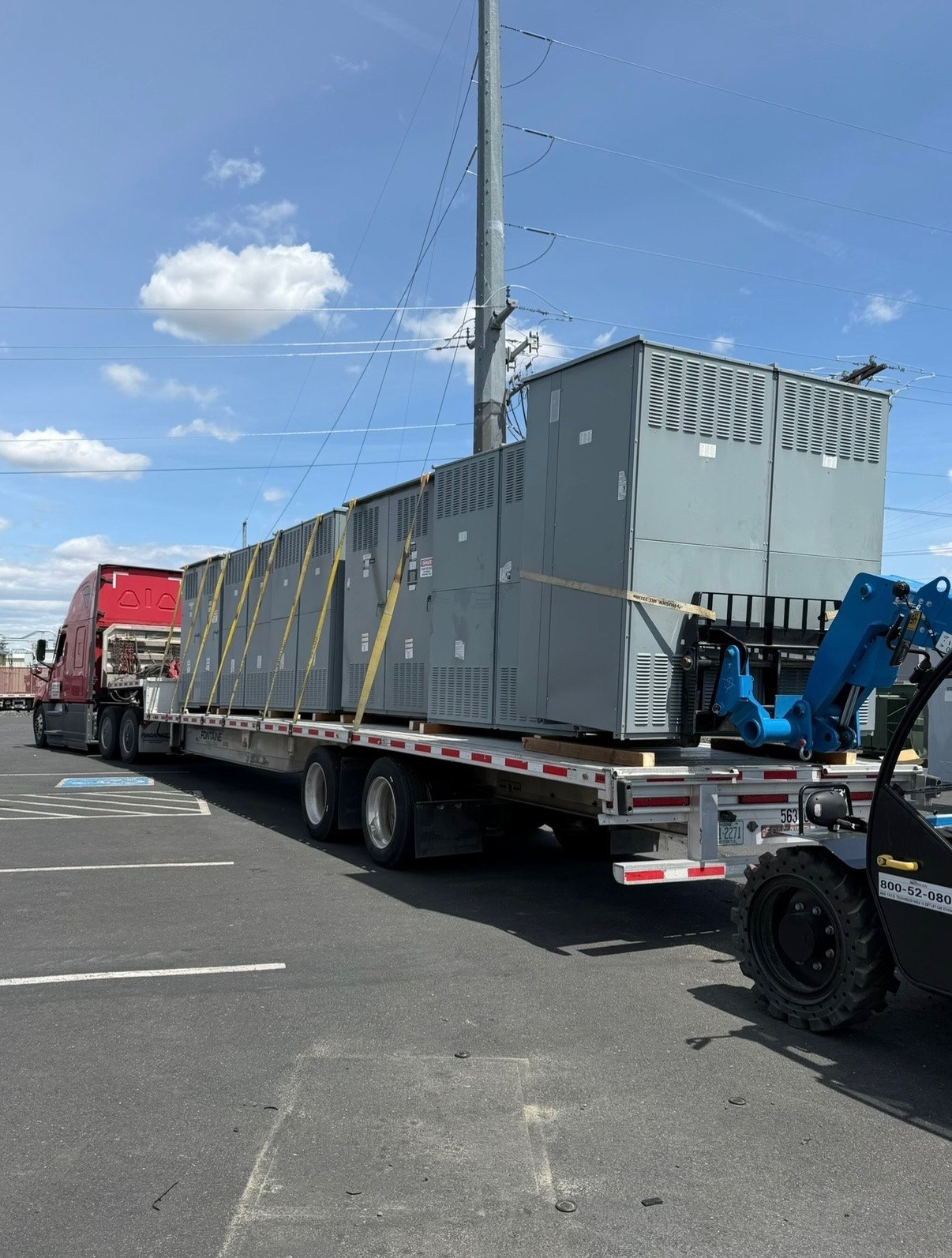
Start with the seller decision: who can authorize the sale?
Before requesting an offer for data center electrical equipment, determine which organization owns each item and has authority to sell it. A facility owner may own permanent electrical distribution assets while a tenant owns separately purchased equipment, or a tenant may have rights defined by its lease and related agreements. Physical location, use by a particular operator, or inclusion in a facility inventory does not by itself establish ownership or sale authority. The seller decision should begin with the relevant records and the people authorized to approve a transfer.
We buy used, surplus and decommissioned electrical distribution equipment, including switchgear from decommissioned data centers, across all voltage classes. We can consider equipment when ownership and the proposed sale scope are clear, but an offer depends on the equipment and the details provided. If the asset register names one entity and the proposed seller is another, resolve that difference through the appropriate internal authority before asking us to price the lot. A clear seller and approval path make it easier to define what is being offered and who can accept an offer.
Use the asset register to establish ownership and identity
An asset register can help distinguish facility-owned distribution equipment from tenant-owned property, leased assets, and items recorded under a contractor or another business unit. Compare the proposed sale items with available ownership records, purchase documentation, lease terms, transfer records, or other internal documentation. The register may identify an asset by location, description, tag, or responsible department; those entries are useful for reconciliation, but unresolved ownership questions should be referred to the organization with authority over the asset.
Keep the proposed lot tied to identifiable register entries or another approved description of the equipment. Where records use different names for the same item, note the discrepancy for internal review rather than assuming the entries match. If some items cannot be confidently linked to records, keep them outside the proposed lot until the owner or authorized representative clarifies their status. This disciplined scope supports a meaningful buyer review without turning a partial inventory into an unsupported representation of ownership.
Resolve facility owner and tenant rights before defining the lot
Data center electrical assets can sit within a shared facility even when ownership, contractual rights, and responsibilities are divided among a facility owner, one or more tenants, and service providers. A tenant’s use of equipment does not alone establish a right to sell it; likewise, the facility owner’s control of the site does not alone resolve ownership of tenant property. Review the governing agreements and internal records that apply to the specific assets, and route questions to the party authorized to interpret or approve those rights.
When ownership is divided or uncertain, separate confirmed seller-owned equipment from assets requiring further approval. Identify any property that is leased, subject to another party’s rights, or excluded from the sale under an agreement. If more than one organization must approve a transfer, obtain the required authorization before including those items in a sale request. This prevents a buyer discussion from being mistaken for permission to sell equipment that the proposed seller may not control.
Map the approval chain and acceptance authority
Identify who can confirm ownership, who approves disposal or surplus sales, and who can accept a buyer’s offer for the selling entity. Depending on the organization, those responsibilities may involve asset management, procurement, finance, legal review, facilities leadership, tenant representatives, or an authorized signatory. The relevant chain is the one established by the seller’s own governance and agreements; job titles alone do not establish authority. Record which approvals apply to the proposed lot and whether acceptance requires a specific form of internal authorization.
Keep buyer coordination aligned with that approval chain. A person gathering records or arranging access may not have authority to bind the owner to a sale. Before treating an offer as accepted, confirm that the person communicating acceptance is authorized and that any required internal approvals have been completed. If approval is conditional on a defined inventory, scope, or sale document, keep those conditions clear in the internal decision and in communications about the proposed transaction.
Set a precise lot boundary before requesting an offer
Define the lot by the electrical distribution equipment the authorized seller intends to sell, using the asset register and other available records to distinguish included items from exclusions. State whether the proposed sale covers particular listed assets or a broader, specifically approved group. Avoid relying on an entire room, facility area, tenant footprint, or project name as the boundary when those descriptions could include property owned by different parties. A well-defined boundary helps prevent both accidental inclusion of another party’s assets and omission of equipment the seller intended to offer.
Also identify known gaps, disputed entries, and items that remain subject to approval. Those items can be held out of the lot while the seller resolves the questions, rather than being treated as included by assumption. We review the equipment and proposed scope to determine whether we can make an offer; the existence of an asset register or a large inventory does not guarantee an offer for every item. The buyer discussion should concern only equipment the seller is prepared and authorized to sell.
Coordinate records and buyer review without seller testing
Once ownership, approval authority, and lot boundaries are established, provide the information already available for buyer review. An approved inventory description and any existing records can help identify the proposed equipment. Photos and labels are optional and should be shared only when already safely accessible; the seller does not need to create access or perform additional work for our review. We do not require seller testing, and our purchase process does not depend on the seller testing equipment for us.
Keep information about uncertain ownership or scope distinct from confirmed sale items. If records change or an approval is withdrawn, update the proposed lot before proceeding. This coordination keeps the offer discussion connected to the seller’s actual authority and intended transaction, rather than to an unverified facility-wide assumption. We buy only; we are not arranging a sale on behalf of a tenant or owner that has not authorized the seller to transfer the equipment.
Agree on payment and pickup responsibilities
For equipment we agree to buy, we make cash offers, with payment upfront before pickup. The sale proceeds only by agreement and depend on the equipment; the seller should confirm the accepted scope and the applicable payment and pickup arrangements before treating the transaction as complete. Upfront payment before pickup provides a clear sequence for the agreed sale: the parties establish what is being sold, agree on the offer, and arrange payment before collection.
We handle cranes, rigging, disconnects, loading, freight, and hauling for an agreed purchase. The seller’s role in establishing ownership and approvals remains separate from those logistics: the organization controlling the facility and its access determines who may authorize entry and coordinate access. Keep the lot boundary and authorized seller clear as pickup is arranged so the agreed equipment is distinguished from assets excluded from the sale. This process connects the approval decision to a defined buyer transaction without requiring the seller to undertake testing or physical handling.