Plan the sale around the equipment record
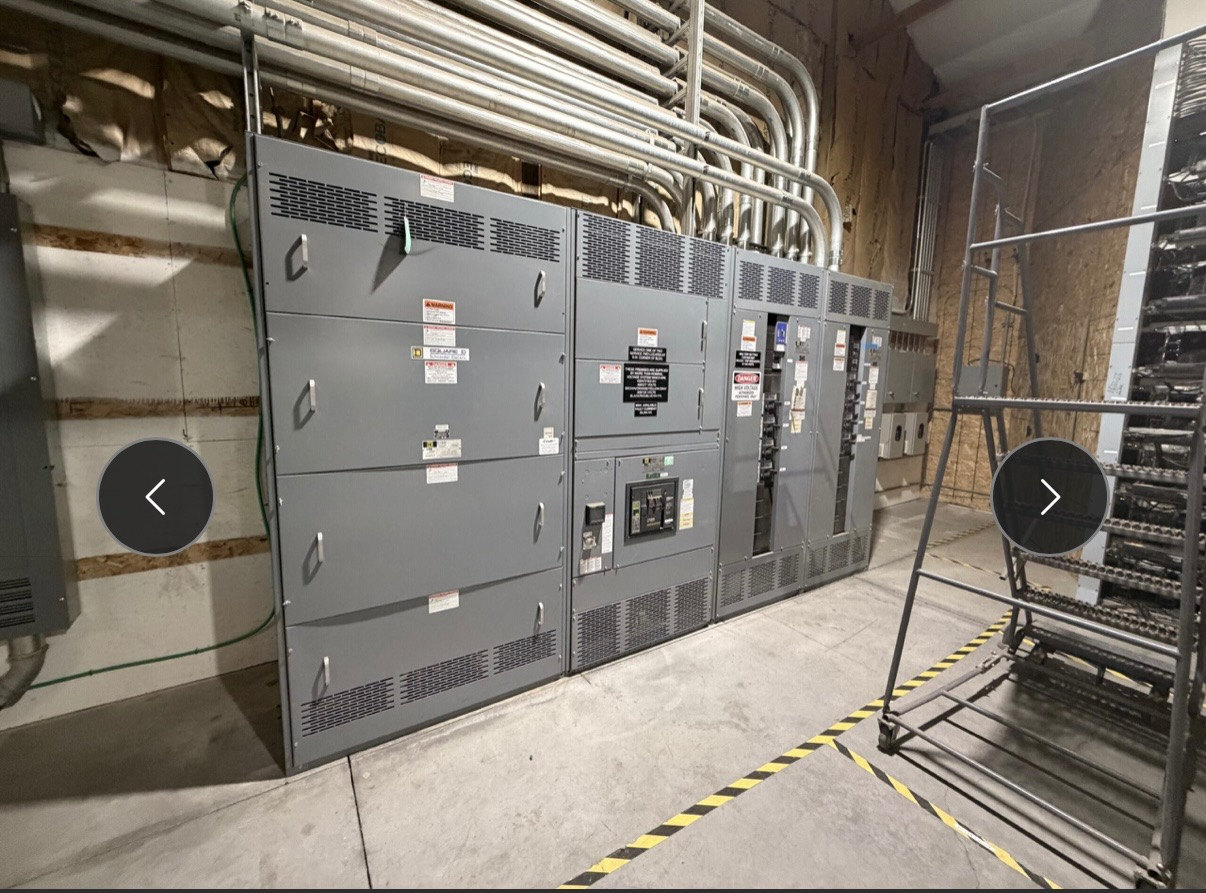
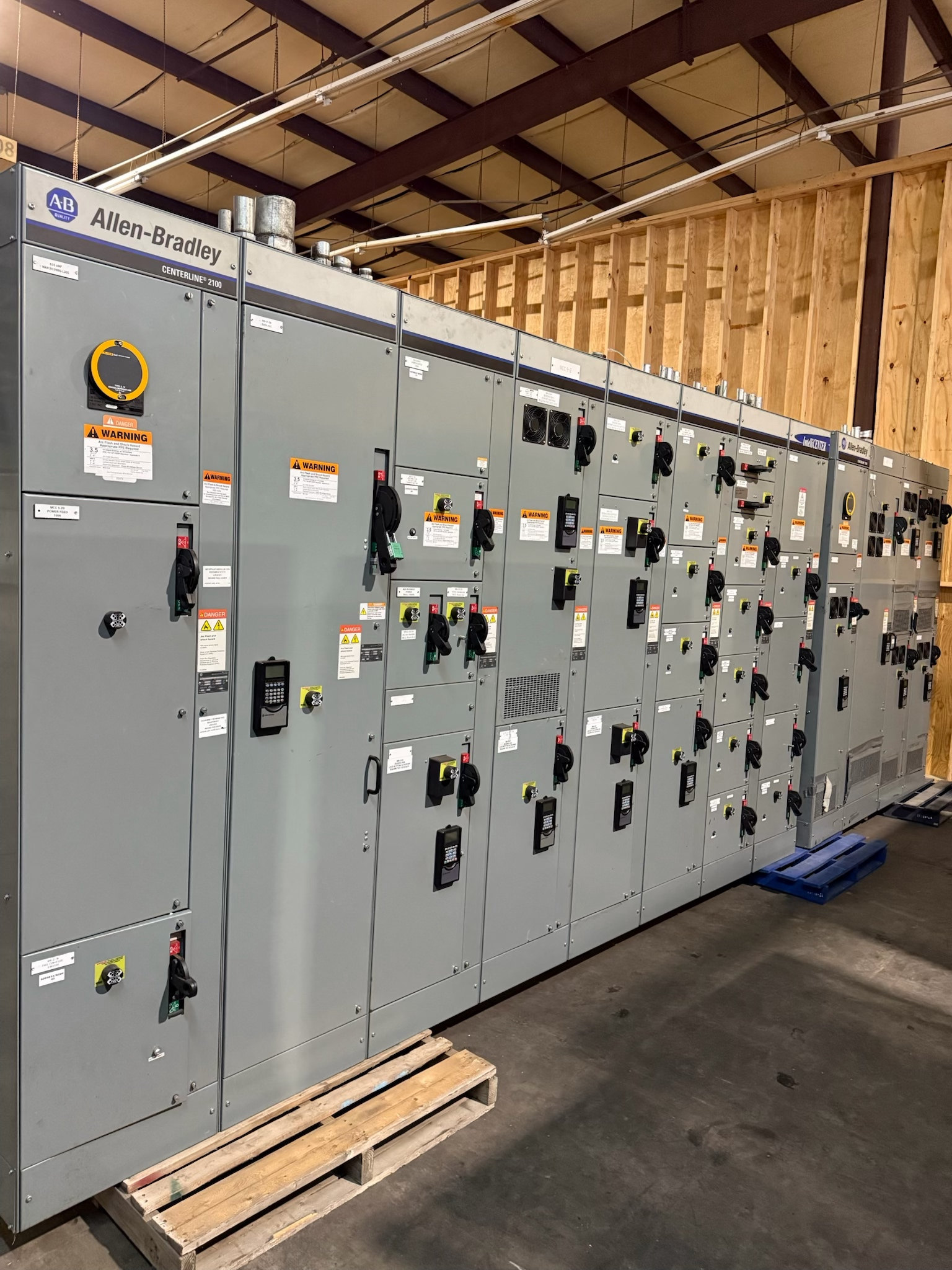
Selling electrical equipment from a data center involves more than identifying items for removal. The asset-sale record should make clear what is being offered, which assemblies belong together, what information must remain confidential, and how the buyer will coordinate pickup. For a Pennsylvania sale, begin with the owner’s approved inventory and sale scope rather than treating every item in a room or storage area as available. The equipment may include switchgear from a decommissioned data center, as well as other used, surplus, or decommissioned electrical distribution equipment. Any purchase depends on the equipment and the parties’ agreement.
Keep the sale record useful without exposing sensitive site details. It can identify the equipment and its sale status while avoiding building layouts, access instructions, security arrangements, network information, operating practices, or other confidential facility data. The owner should determine what information may be shared and who may access it. A buyer needs enough information to understand the proposed equipment scope and coordinate a transaction, not a disclosure of the facility’s broader operations.
Separate complete assemblies from loose components
Describe assemblies and loose components as distinct categories. A switchgear assembly or other larger unit should be listed as an assembly only when the owner’s records support that description. Separately identify loose components, spares, or items held apart from an assembly. Do not imply that a component is included with a larger unit unless the sale scope confirms it. This distinction helps prevent misunderstandings about what the buyer is being offered and what will be available for pickup.
Use the owner’s existing records to connect related items where that relationship is documented. Keep the description concise and avoid guessing about completeness, condition, configuration, or function. If an item’s relationship to an assembly is uncertain, record that uncertainty internally and resolve the sale scope through the owner’s authorized contact. Clear separation is especially useful when a site has accumulated surplus parts alongside equipment slated for decommissioning; proximity alone does not establish that every nearby item belongs in the sale.
Retain useful identifiers and redact sensitive details
Equipment identifiers can help distinguish one sale item from another. Retain appropriate identifying information from records, such as the manufacturer or an existing equipment identifier, when the owner permits its disclosure. Avoid copying confidential site names, room labels, asset-system fields, access codes, network references, or internal notes into a buyer-facing inventory unless they are necessary and approved. Redaction should remove sensitive context without making the equipment description too vague to identify the offered item.
Photos and labels are optional. Share them only when they are already safely accessible under owner rules; do not create a photo request that requires anyone to enter a restricted area, approach equipment, open an enclosure, or handle an item. Before sharing an image or document, the owner can review it for visible facility information and redact or omit material that should remain confidential. A short, approved equipment description may be preferable to a detailed image when the image includes unrelated site information.
Set document access and retention boundaries
Decide who within the owner’s organization may approve the inventory, disclose identifiers, discuss the sale, and authorize pickup coordination. Keep internal records that support the owner’s asset-control process separate from the information provided for a buyer’s review. Limit shared documents to the sale scope and the information needed to communicate about the equipment. Use the owner’s established methods for storing, transmitting, and retaining records, including any rules that apply to commercially sensitive or security-sensitive information.
Make document handling part of the transaction discussion rather than assuming that all site records transfer with the equipment. The sale can identify which equipment is offered while leaving unrelated maintenance records, facility documents, access materials, and operational data under owner control. If the owner has requirements for returning, restricting, or deleting shared material, communicate them before documents are exchanged and obtain agreement on practical handling. The owner remains responsible for deciding what it may disclose and for maintaining any records it needs.
Coordinate scope, access, and pickup
Once the approved scope is clear, coordinate with the owner’s designated contact on access authorization, timing, pickup boundaries, and the records needed to confirm which items are included. Keep those arrangements focused on logistics and authorized access; do not include sensitive entry details in a general inventory. The owner controls access to its site and equipment. Any pickup plan should identify the agreed sale items without turning a buyer-facing document into a facility map or security guide.
For purchased equipment, we handle cranes, rigging, disconnects, loading, freight, and hauling. Payment is made upfront before pickup, and we do not require seller testing. These terms can be addressed directly as part of buyer coordination so the owner can align its asset-sale process and access authorization with the agreed transaction. No owner representative should perform electrical work or physical handling for the purpose of preparing an item for sale; the owner controls what access is authorized, and pickup arrangements are coordinated with the buyer.
Keep the transaction record precise
A useful transaction file records the equipment scope, the parties’ agreed terms, the payment arrangement, and the authorized pickup coordination. It should distinguish assemblies from loose components and preserve only the identifiers the owner has approved for the sale record. Do not describe an item as included, complete, or ready for transfer unless the agreed scope supports that description. Where the parties have not agreed on an item, keep it outside the confirmed sale scope until they resolve it.
We buy used, surplus, and decommissioned electrical distribution equipment, including switchgear from decommissioned data centers and shut-down power plants across all voltage classes. We are a buyer, not a seller of equipment. A cash offer may be made for equipment that fits the agreed transaction; an offer is not assured for every item. Payment is upfront before pickup, no seller testing is required, and we coordinate the handling and transportation listed above. Clear records help both sides understand what is being considered without disclosing confidential facility information.