Start with the Inventory, Not the Removal Plan
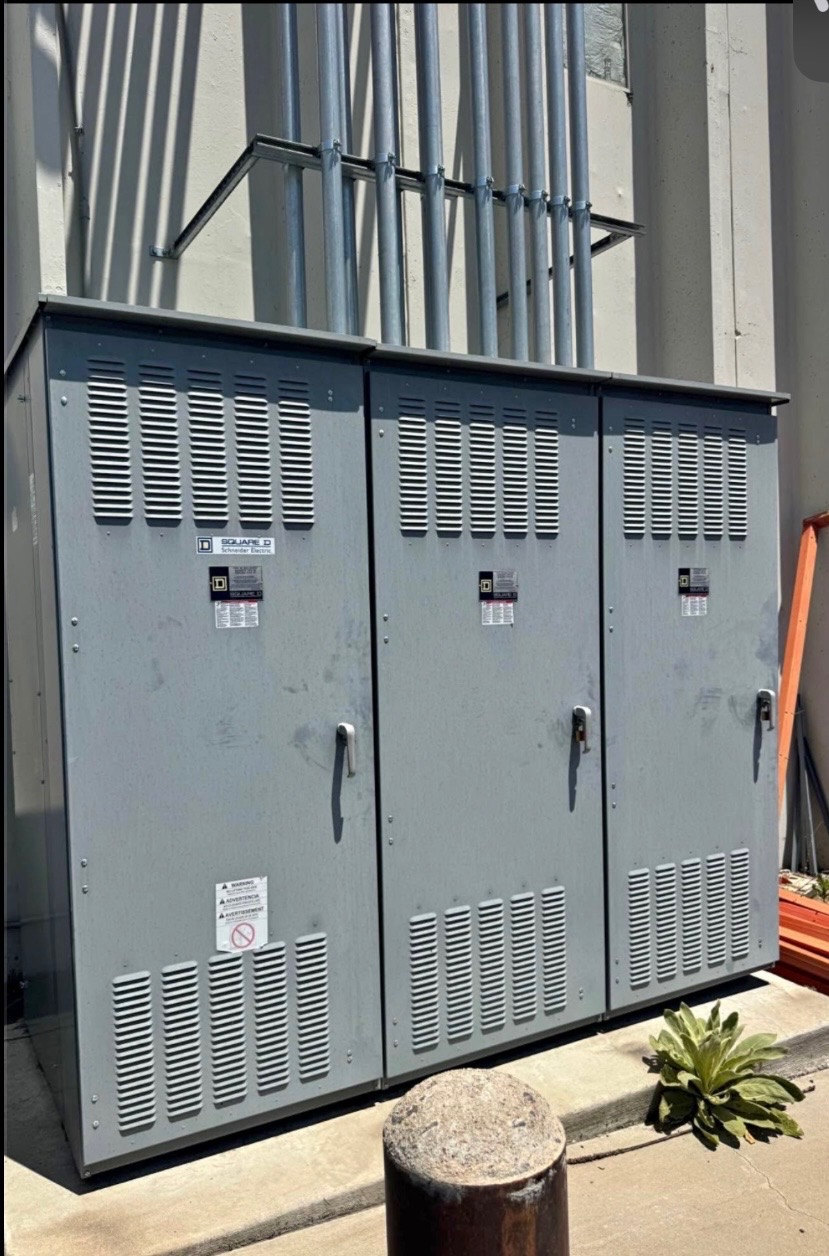
For a Pennsylvania data center preparing electrical equipment for sale, lot reconciliation starts by comparing the inventory register, available photographs, and proposed removal list. The register may group assets by room, system, or accounting record, while photographs show visible equipment and the removal list describes what the site expects to release. Comparing these records helps establish what is being considered for sale without assuming that every entry refers to a distinct, identifiable unit.
Keep the records separate while reviewing them. A register entry is not automatically confirmed by a photograph, and a removal-list line does not resolve an identifier conflict. Mark records as matched, potentially matched, or unmatched based on information already available. Where identifiers are incomplete or inconsistent, retain the discrepancy for buyer discussion rather than filling gaps with a guess.
Single Item or Mixed Lot
A single item can often be discussed on its own when the available records and an existing photograph clearly point to the same piece of equipment. That gives both sides a defined subject for the conversation. If its identifier, description, and proposed disposition agree across the records, present those details together and note any remaining uncertainty plainly. An offer still depends on the equipment and the parties’ agreement.
A mixed lot requires a broader view. It may include several identifiable items, grouped entries, or records that do not line up one for one. Reconcile the lot at the level the documentation supports: distinguish items with clear matches from entries that remain unresolved, and avoid treating the entire lot as a single confirmed asset merely because it appears under one removal heading. The scope and any offer depend on what equipment is included and agreed.
Compare Records Without Forcing Matches
Use the inventory register as one reference, the photographs as another, and the removal list as the proposed sale scope. Compare identifiers and descriptions only where they are available in those materials. A shared identifier can support a match; a different or missing identifier should remain visible as a discrepancy. Similar appearance alone may not establish that two records refer to the same item, particularly within a mixed lot.
A useful reconciliation preserves the original wording and records the reason for any proposed match. For example, note whether the match rests on a common identifier or only on a broad description. Keep unresolved lines in the discussion rather than silently merging them. This creates a more reliable basis for deciding whether to discuss a single item, a defined subset, or a larger lot.
Make the Sale Scope Clear
Before requesting a cash offer, identify which entries are included in the proposed sale and which are excluded or still under review. For a single item, provide the record and any photograph already safely available to the owner. For a mixed lot, share the reconciled list with matched and unmatched entries distinguished. Optional photographs and labels can help when already safely accessible; owners retain control of access and need not create new access to prepare the information.
Scope clarity matters because an offer is tied to the equipment being discussed, not simply to a facility-wide inventory or a broad category. If the proposed lot changes as discrepancies are resolved, update the sale scope before relying on an earlier discussion. We buy used, surplus, and decommissioned electrical distribution equipment, including switchgear from decommissioned data centers and shut-down power plants across all voltage classes. Purchase interest depends on the equipment and agreement.
Coordinate Buyer Review and Pickup
Once the records define a proposed scope, buyer coordination can focus on the items identified for sale and the unresolved points that affect that scope. The reconciliation is an operational aid for a purchase discussion; it is not a substitute for agreement on what is being sold. Share material changes to the list so that both sides are discussing the same equipment and lot boundaries.
For equipment we agree to buy, payment is upfront before pickup. We handle cranes, rigging, disconnects, loading, freight, and hauling as part of coordinating the pickup. Sellers do not need to test equipment for this process. Payment timing and handling responsibilities should be understood before pickup is arranged, with the agreed sale scope serving as the reference for the transaction.
Resolve Exceptions Without Guessing
Unmatched identifiers deserve explicit attention because they can affect whether an item belongs in the proposed lot. Keep an exception tied to the relevant register line, photograph, or removal-list entry, and describe what does not align. Do not assign an identity based only on proximity in a room, similarity in appearance, or an assumption that neighboring entries must represent neighboring equipment.
Some discrepancies may be resolved through records already held by the owner; others may remain open. Either outcome can be carried into buyer coordination. A clear unresolved status is more useful than a confident but unsupported match, especially when a mixed lot contains several items and the sale scope depends on distinguishing them. The buyer can discuss the equipment that is sufficiently identified, subject to agreement.
Use the Reconciled Lot to Support a Decision
A finished reconciliation should let the owner see which records align, which items are proposed for sale, and which questions remain. That makes it easier to compare a defined single item with a mixed-lot opportunity without overstating what the documentation establishes. It also helps prevent a removal list from being mistaken for a confirmed inventory of saleable equipment.
When the scope is clear enough to discuss, request a cash offer for the identified equipment or agreed lot. Offers are not assured for every item; they depend on the equipment and agreement. If the records change, keep the buyer discussion aligned with the revised scope. This inventory-first approach supports a straightforward Pennsylvania sale conversation while leaving uncertain identifiers unresolved until there is a reliable basis to address them.