A Replacement Sale Is Not a Facility Decommissioning
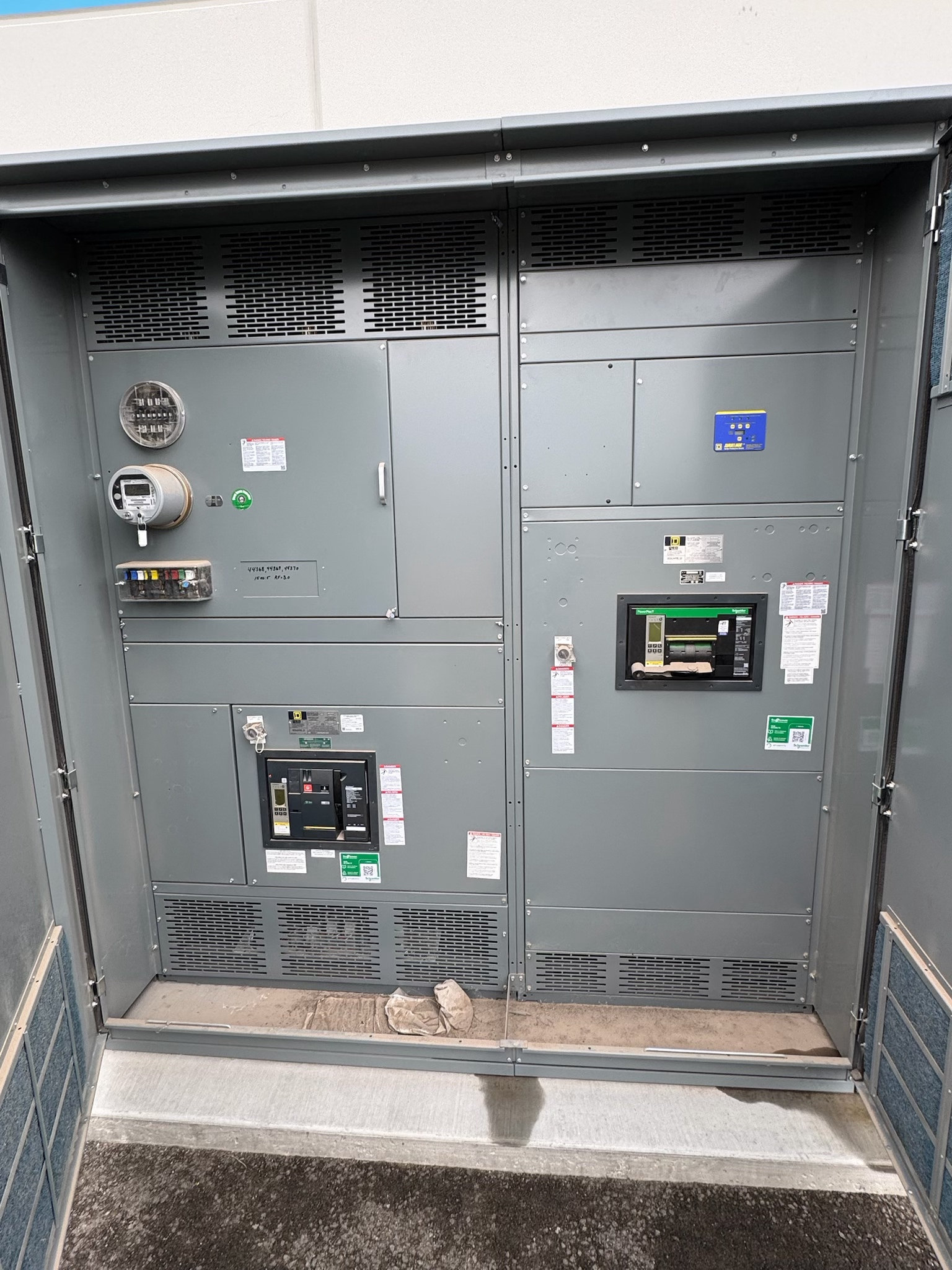
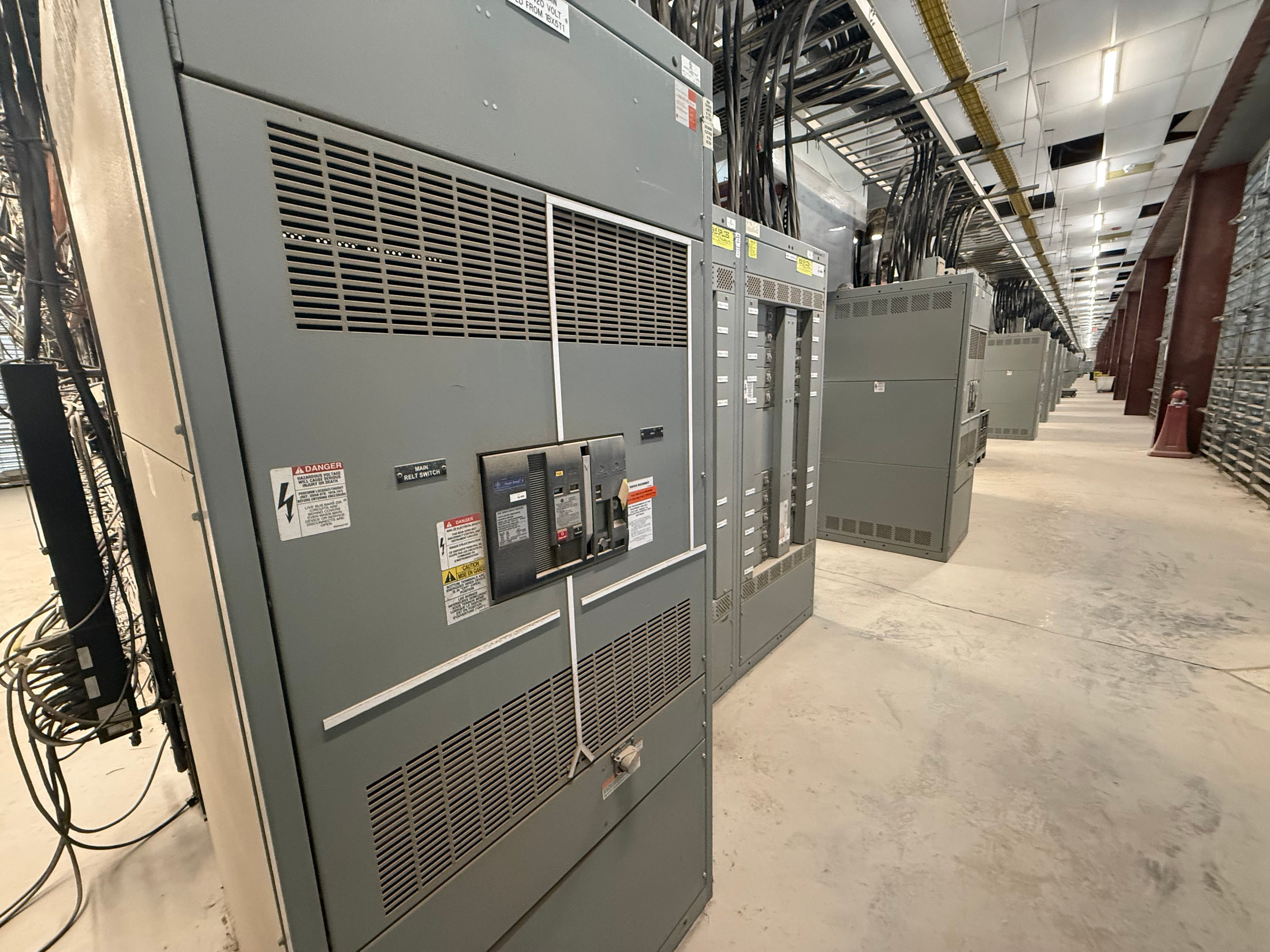
When a data center replaces power equipment while the site remains in operation, the sale decision concerns specific equipment released from service, not the entire electrical infrastructure. The owner can identify an assembly or a defined group of assemblies that will leave the site while other equipment and systems remain under the facility’s control. This distinction shapes the inventory, sale scope, access arrangements, and coordination needed for a buyer to evaluate the opportunity.
A broader decommissioning sale may involve equipment gathered from a shutdown site or a larger collection of systems. A live-site replacement is narrower and tied to an operational change: what is being replaced, what has been released for sale, and when the owner can make it available. We buy used, surplus, and decommissioned electrical distribution equipment, including switchgear across all voltage classes. Whether any particular equipment is suitable for an offer depends on its identity, condition information, scope, and the terms the owner is prepared to consider.
Define the Sale Around Complete Assemblies
Start with the boundary between assemblies and loose components. An assembly offered as a unit should be distinguished in the inventory from individual components, accessories, or material that is not part of that unit. The distinction helps prevent a conversation about a complete assembly from being mistaken for a sale of selected parts, or a parts lot from being described as a complete piece of equipment. Identify what the owner intends to sell together and what remains outside the transaction.
For each proposed sale group, describe the equipment in the terms available to the owner, such as its general identity, quantity, location within the site, and whether it is offered as an assembly or as loose components. Labels or photographs can be shared only when already safely accessible and at the owner’s discretion; they are not a prerequisite to initiating a discussion. The owner remains in control of site access and the information provided. No one needs to open equipment, approach restricted areas, or carry out a physical inspection for an initial inventory conversation.
Keep Operating Infrastructure Outside the Lot
A replacement project can leave equipment in several different positions: released for sale, retained as part of the operating site, or not yet cleared for removal. Keep those categories distinct. A buyer should be asked to consider only the items the owner has designated for sale; adjacent equipment, connected infrastructure, and items needed for continued operations are not automatically part of the lot simply because they are nearby or associated with the same replacement effort.
This separation also helps clarify the commercial scope. A narrowly defined assembly sale is different from a broad lot containing equipment from multiple areas or project stages. The owner can state whether the opportunity covers one assembly, several identified assemblies, or a wider group of surplus equipment. Changes to that scope should be communicated before an offer is considered. Purchase terms depend on the equipment and the agreed sale; an inquiry does not mean every listed item will receive an offer or that the buyer is acquiring the surrounding infrastructure.
Coordinate Around Restricted Access and Change Windows
Live-site operations can limit when a buyer or removal team may access a location. The owner can describe the applicable access restrictions, required coordination points, and available change windows at a high level without disclosing sensitive operational details. Those constraints matter to the proposed pickup plan because the equipment’s location and release timing may affect how the sale can be carried out. The site owner controls access and decides when equipment is available to leave.
Keep the equipment sale separate from work on systems that remain live or in service. The buyer’s role is to consider purchasing equipment the owner has released for sale and coordinate pickup with the owner’s designated arrangements. We do not provide electrical work instructions or undertake work on live systems. Any operational decisions about the facility remain with its owner and authorized personnel. A clear statement of what is available, what is excluded, and when pickup can be coordinated gives both sides a sound basis for discussing the transaction.
Share Useful Inventory Information Without Testing
An initial discussion can be based on information the owner already has: general equipment identity, whether the item is an assembly or loose components, quantity, broad location, and sale scope. Existing records may also help describe the equipment, but the owner chooses what to share. Optional photos or labels should be supplied only if they are already safely accessible. Do not create access or handle equipment solely to obtain them.
No seller testing is required. The owner does not need to test, energize, open, disconnect, dismantle, or physically handle equipment for a buyer inquiry. Information should describe what is already known rather than imply a condition assessment that has not been performed. If the available details are limited, the discussion can remain correspondingly limited. An offer is not guaranteed and depends on the equipment and the terms agreed between buyer and seller.
Discuss Pickup Responsibilities Before Accepting a Sale
Pickup planning is especially important when equipment is being released from a site that continues to operate. Before agreeing to a sale, discuss the owner’s access conditions, the anticipated availability of the equipment, the defined pickup scope, and coordination with the site’s designated contacts. The owner retains control of the premises and determines when the equipment may be made available. The agreed plan should reflect the equipment actually included in the transaction, rather than expanding to nearby assemblies or operating infrastructure.
We handle cranes, rigging, disconnects, loading, freight, and hauling as part of coordinating pickup. The owner should not be asked to perform these tasks for the sale. Payment is made upfront before pickup, and we make cash offers when the equipment and transaction terms support an offer. Payment timing is a central sale term, not something deferred until after removal. The owner can review the proposed scope and terms before deciding whether to proceed.
Bring the Replacement Scope to a Clear Decision
A useful first conversation separates the replacement decision from the larger facility story. Identify which equipment has been released, distinguish assemblies from loose components, and state whether the proposed sale is limited to those items or covers a broader lot. Then describe the access boundaries and change-window considerations that affect availability. This gives a buyer a focused basis for considering the equipment without treating the operating site as a decommissioning project.
Once the scope and available information are clear, the owner can discuss whether an offer is appropriate and, if so, the agreed purchase and pickup terms. We buy used, surplus, and decommissioned electrical distribution equipment, including switchgear across all voltage classes; purchases depend on the equipment and mutual agreement. Cash offers, upfront payment before pickup, and buyer-managed handling can support a defined sale while the owner maintains control of site access and operating infrastructure.