Plan the Lineup Sale as Its Own Closure Workstream
A data center closure can involve many equipment categories, vendors, and handover dates. Switchgear lineup planning benefits from a defined scope of its own: identify the equipment being considered for sale, establish how its lineup sections relate to the closure schedule, and decide when the buyer can take responsibility for pickup. This keeps the equipment sale connected to the larger shutdown without treating it as an undifferentiated part of a general decommissioning effort.
For a Pennsylvania facility, start with the owner’s existing records and the people responsible for closure planning. A facilities contact can describe the intended sale boundary, while project or site leadership can explain when the area must be released. The buyer can then discuss whether the identified equipment may be a fit and coordinate around the proposed handover. An offer depends on the equipment and the parties’ agreement; documenting the scope helps that conversation begin with a shared understanding.
Describe Sections, Breakers, and Completeness
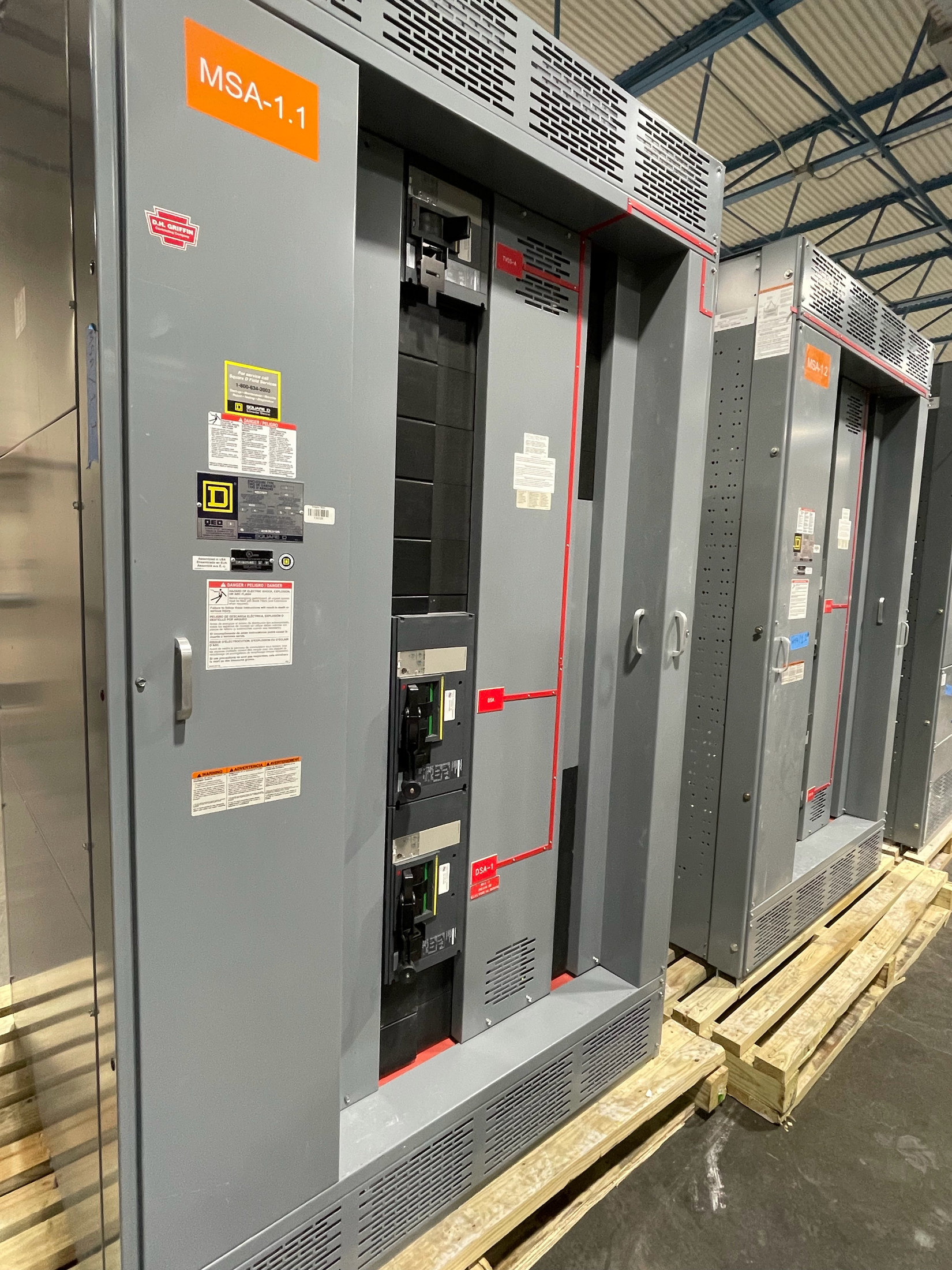
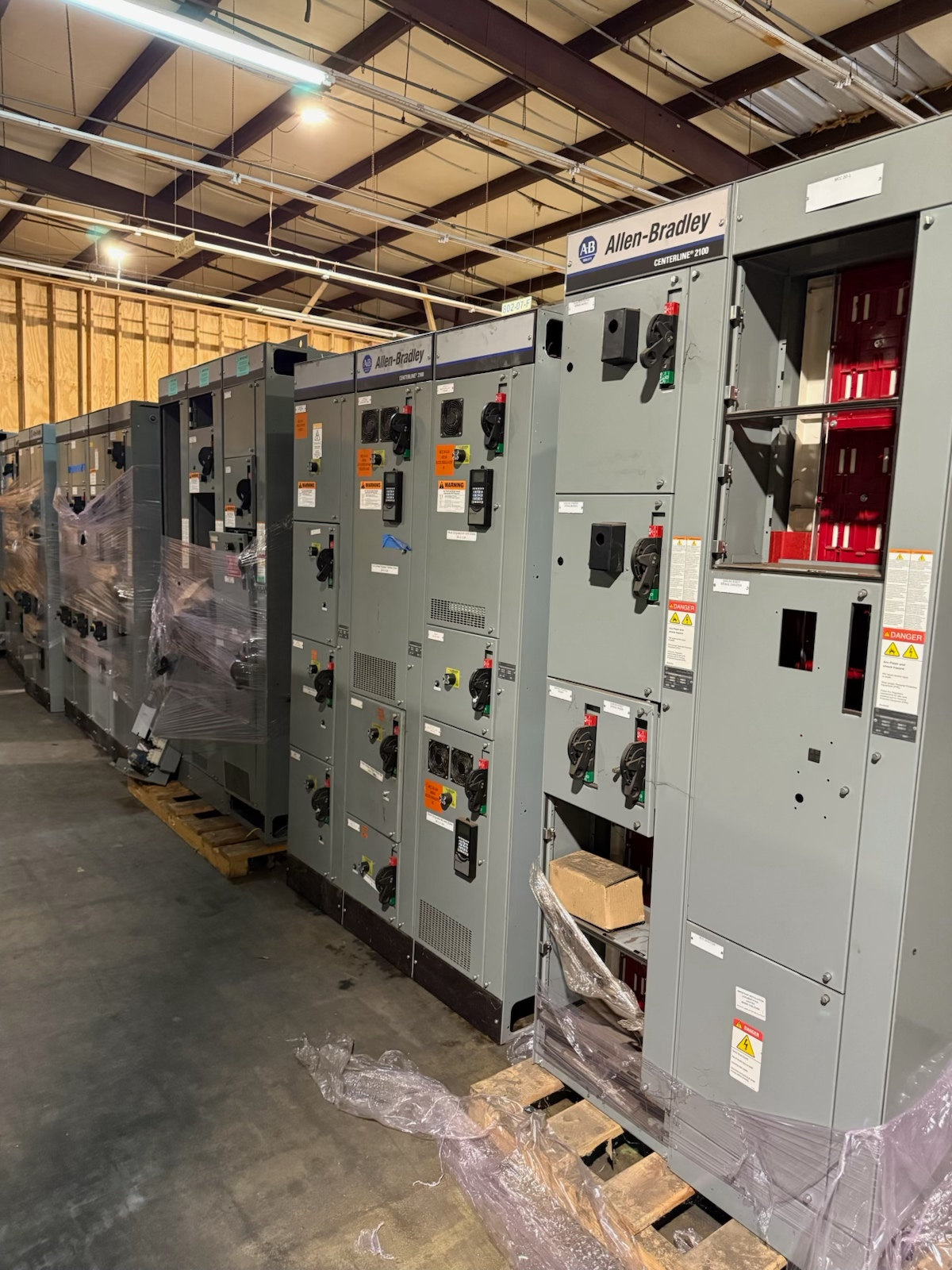
A lineup may comprise multiple sections, and a sale description is more useful when it states the section count rather than referring only to “switchgear.” Record which breakers are included, using the owner’s available inventory or records. Also note whether the sale scope includes associated parts or materials that are being offered with the lineup, and distinguish included items from equipment that will remain at the facility. These details help prevent uncertainty about what the buyer is considering.
Describe completeness in practical inventory terms: whether the documented sections and included breakers are present as expected, whether any known items are absent, and whether the owner has identified components as separate or excluded. Avoid assuming that a lineup is complete because it appears together in an inventory or because a broad equipment label is used. A concise written scope gives the buyer a basis to assess the opportunity and gives the seller a reference when aligning the sale with closure responsibilities.
Compare Continued Storage With an Offer
Storage can preserve the option to make a decision later, but it also keeps the lineup in the owner’s custody and ties the equipment to future space, access, and schedule decisions. Compare that continuing responsibility with the possibility of a cash offer for equipment the buyer is interested in purchasing. The comparison is not simply storage cost against a presumed sale value: the sale depends on the equipment, its documented scope, and agreement on the transaction and pickup arrangements.
Consider how long storage is expected to continue, who remains responsible for the equipment, and whether the closure plan has a firm date for releasing the area. If the lineup is being held for a future use or another planned disposition, that purpose may support keeping it. If no such decision is in place, requesting an offer can provide another option for the owner to evaluate. There is no assumed offer for every lineup or every section; the buyer reviews the described equipment and the parties decide whether to proceed.
Align Handover With the Larger Closure
A lineup sale can be phased around a broader facility closure, provided the sale boundary and handover sequence are clear. The owner may identify which sections are included in the proposed transaction and which must remain under the owner’s control until a later stage. That distinction matters when several teams are managing equipment disposition, space release, and site access on overlapping schedules. It also helps the buyer understand whether the opportunity concerns a defined portion or the lineup as a whole.
Discuss the proposed handover window with the people coordinating the closure before treating it as settled. The buyer and seller can address pickup timing after the equipment and scope have been discussed, then coordinate the agreed sale with the owner’s access and release plan. If dates or boundaries change, update the other party so that the sale conversation reflects the current plan. A staged handover should be based on explicit agreement, not on an assumption that each section can be removed or transferred independently.
Share Existing Information for Buyer Review
Useful starting information may include the owner’s section inventory, breaker inclusion notes, and a description of known omissions or separately retained items. Available records can also help distinguish the lineup being offered from other equipment in the closure scope. Share information that the owner already has and is authorized to provide; the buyer can use it to understand the proposed sale without requiring the seller to create a technical assessment.
Photos or labels are optional and should be shared only when already safely accessible. Owners control access to their equipment and facilities. There is no need to arrange a seller inspection or testing activity for the buyer’s review. The discussion can begin with inventory and scope information, followed by any questions needed to determine whether the equipment may suit a purchase. This keeps the evaluation focused on identifying the sale opportunity and agreeing on its boundaries.
Coordinate Pickup Responsibilities and Payment
When a sale is agreed, the buyer handles cranes, rigging, disconnects, loading, freight, and hauling. The seller does not need to organize those services as a condition of presenting the lineup for consideration. Pickup coordination should still be tied to the owner’s access arrangements and the agreed handover window, so the parties have a clear understanding of when responsibility transfers and what equipment is included.
We make cash offers for equipment we are interested in buying, with payment upfront before pickup. The buyer does not require seller testing. These terms allow the owner to compare a purchase with continued storage while keeping the transaction sequence clear: establish the scope, agree to the sale, receive payment before pickup, and coordinate the agreed collection. Whether a transaction proceeds depends on the equipment and agreement between the parties.
Bring the Sale Decision Back to the Owner
Before choosing storage or sale, confirm that the described section count and breaker inclusion match the owner’s intended scope, identify any known completeness issues, and consider how the proposed handover fits the larger closure. Those points provide a practical basis for discussing the lineup with a buyer without turning a general facility shutdown into an equipment-by-equipment technical project. The owner can then weigh an offer against the responsibilities and timing associated with keeping the equipment.
For Pennsylvania data center switchgear, the next step is a focused purchase discussion about the lineup being offered, the records available, and the closure schedule. If the buyer is interested and both parties agree, they can settle the sale and coordinate pickup under the stated payment and handling terms. If there is no agreement, the owner retains the decision about storage or another disposition path. The process keeps control with the owner while making the potential sale a defined part of closure planning.