A Disposition Decision Focused on Paralleling Switchgear
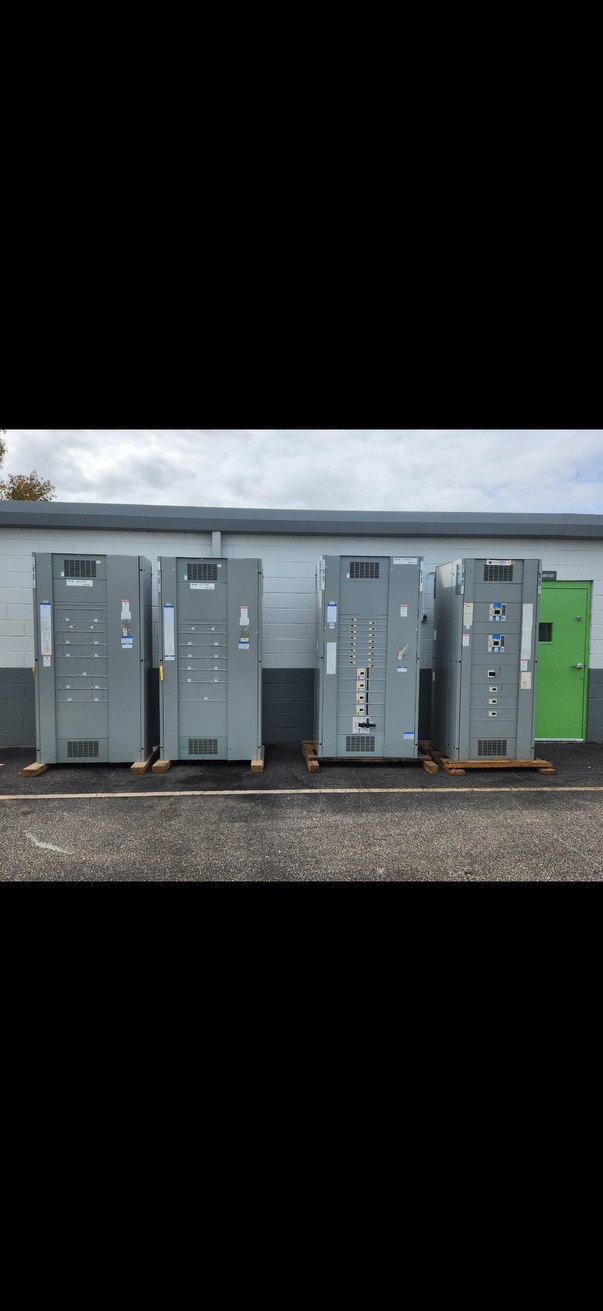
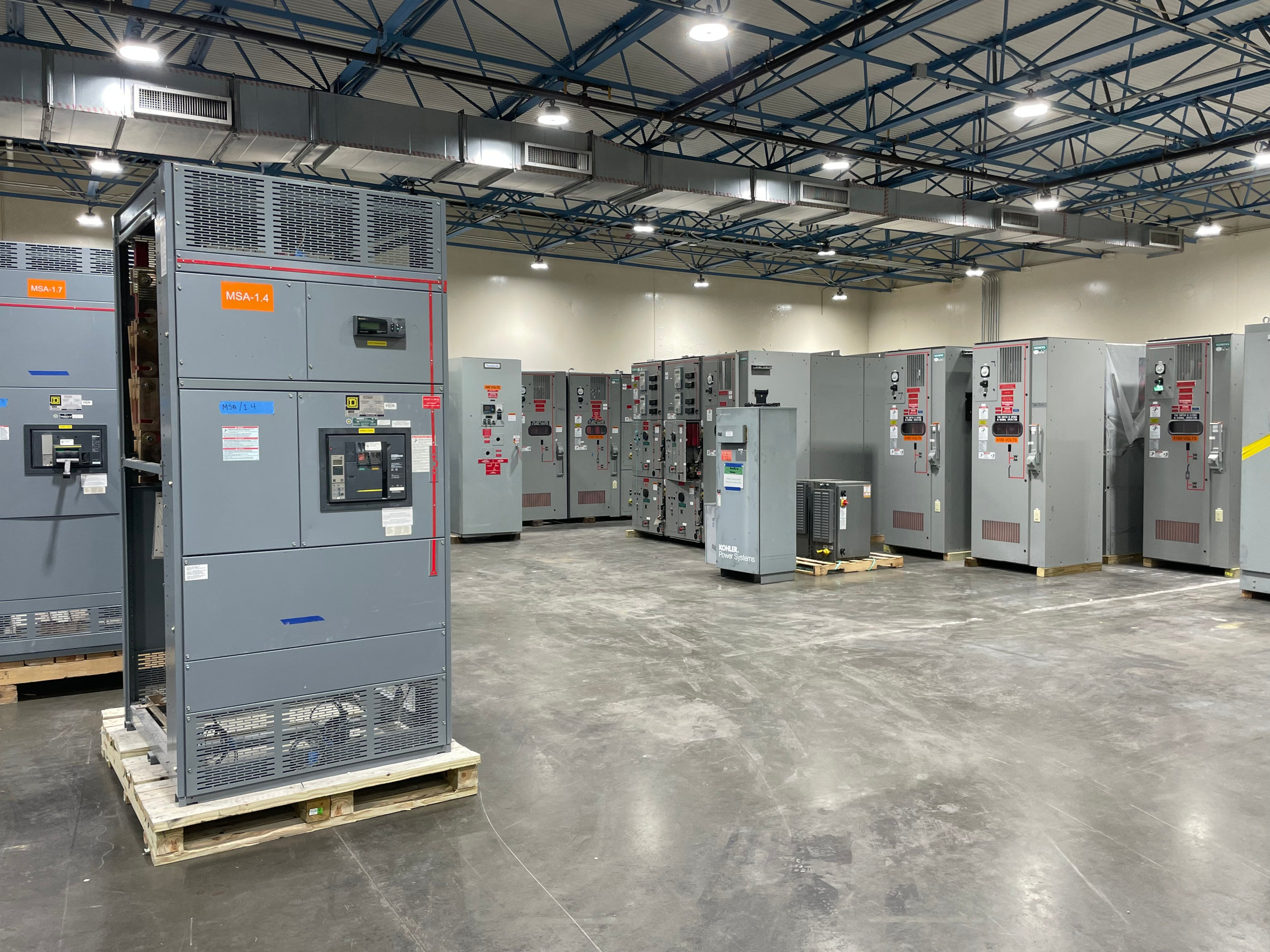
When a Pennsylvania data center plans to retire generator capacity, the paralleling switchgear may be considered for sale alongside generators, controls, and other electrical assets. Treating everything as one undifferentiated lot can obscure what is actually available and make buyer discussions harder. A useful starting point is to identify the switchgear assemblies as the primary sale consideration, then clarify which related items are included and which remain with the facility or are being handled separately.
We buy used, surplus, and decommissioned electrical distribution equipment, including switchgear from decommissioned data centers and shut-down power plants across all voltage classes. We are an independent buyer, not a seller or equipment broker. A cash offer depends on the equipment and the proposed scope; an offer is not assured for every item. The decision is about the identifiable equipment being offered, its completeness and condition as represented, and whether both parties agree on the sale.
Separate Assemblies From Loose Components
Distinguish complete switchgear assemblies from loose or detached components in the inventory. An assembly may be presented as a defined equipment group, while separately stored components may need their own description and inclusion decision. Avoid grouping an assembly and every item associated with it under a broad label if some pieces are excluded, already allocated, or not part of the sale. Clear boundaries help establish what the buyer is being asked to acquire.
For each proposed lot, describe the equipment in terms already available to the owner, such as its existing asset designation or location within the inventory. If the record does not establish whether an item belongs with an assembly, preserve that uncertainty rather than assigning it by assumption. We can discuss the equipment based on the information provided; owners retain control over site access and any decisions about what is offered.
Clarify Controls Included or Excluded
Controls associated with generator paralleling switchgear need an explicit scope decision. The sale may include controls identified by the owner as part of the offered equipment, exclude them, or treat separately identified controls as a distinct lot. State the chosen boundary in the inventory and in sale discussions. This distinction matters because a buyer assessing the switchgear should not have to infer whether control-related items are included simply because they are nearby or appear in the same facility record.
Keep descriptions factual and limited to what the owner can establish from existing records. Where documentation identifies an item as a control or related component, use that description without extending it into unverified claims about function, compatibility, or operating condition. If inclusion remains undecided, identify it as unresolved before finalizing the sale scope. The goal is a clear commercial description, not a technical evaluation.
Keep Generator Assets Distinct
Generator paralleling switchgear is not the same sale item as the generators it serves or is associated with. List generators separately from switchgear assemblies, even when the equipment is part of a common data center retirement project. This separation helps both sides discuss whether the switchgear is offered on its own, with specific controls, or as part of a broader equipment sale that also includes generator assets.
A sale of switchgear does not automatically include generators, and a generator inventory does not establish that its associated switchgear is available. Identify each category and state the intended boundary. If the disposition covers only the electrical distribution equipment, say so; if generator assets are also being offered, describe them as separate equipment in the proposed scope. Any combined sale remains subject to the equipment and the parties’ agreement.
Use Available Records to Define the Scope
Existing asset schedules, equipment lists, and project records can help the owner distinguish assemblies, controls, generators, and loose components. Share only information that is already available and appropriate to provide. Photos or labels are optional and should be shared only when they are already safely accessible to the owner. No one needs to create access or handle equipment just to prepare an initial inventory description.
Where records use broad or inconsistent names, note the wording as recorded and identify the uncertainty for discussion. Avoid filling gaps with assumed ratings, specifications, completeness, or relationships between components. A focused description of what is known supports a more useful buyer conversation while leaving the owner in control of facility access and disposition decisions.
Coordinate a Purchase Without Seller Testing
There is no seller testing required for us to discuss a purchase. We do not ask the owner to energize, open, dismantle, disconnect, or physically handle equipment to establish a potential sale. The owner can provide available records and clarify the proposed scope; any access remains under the owner’s control. This keeps the sale discussion centered on the equipment being offered and the information the owner already has.
If we agree to purchase equipment, payment is upfront before pickup. We handle cranes, rigging, disconnects, loading, freight, and hauling as part of our pickup coordination. The owner and buyer must still agree on the equipment included and the sale terms. These arrangements apply to the agreed purchase; they do not mean every listed item will receive an offer or that an offer is made before the equipment and scope are considered.
Reach a Clear, Equipment-Specific Agreement
Before concluding a disposition, make sure the agreed sale describes the actual switchgear assemblies and identifies whether controls, loose components, or generators are included or excluded. Resolve ambiguous boundaries in the commercial discussion rather than relying on proximity, shared project labels, or assumptions about how equipment was used. A well-defined scope gives both parties a clearer basis for coordinating the purchase and pickup.
We buy qualifying used, surplus, and decommissioned electrical distribution equipment for cash when the equipment and terms are mutually agreed. Payment is made upfront before pickup, and we coordinate the cranes, rigging, disconnects, loading, freight, and hauling for the agreed equipment. For a Pennsylvania data center disposition, keeping paralleling switchgear distinct from generators and clearly addressing controls makes the proposed sale easier to evaluate without turning the process into an electrical work assignment.