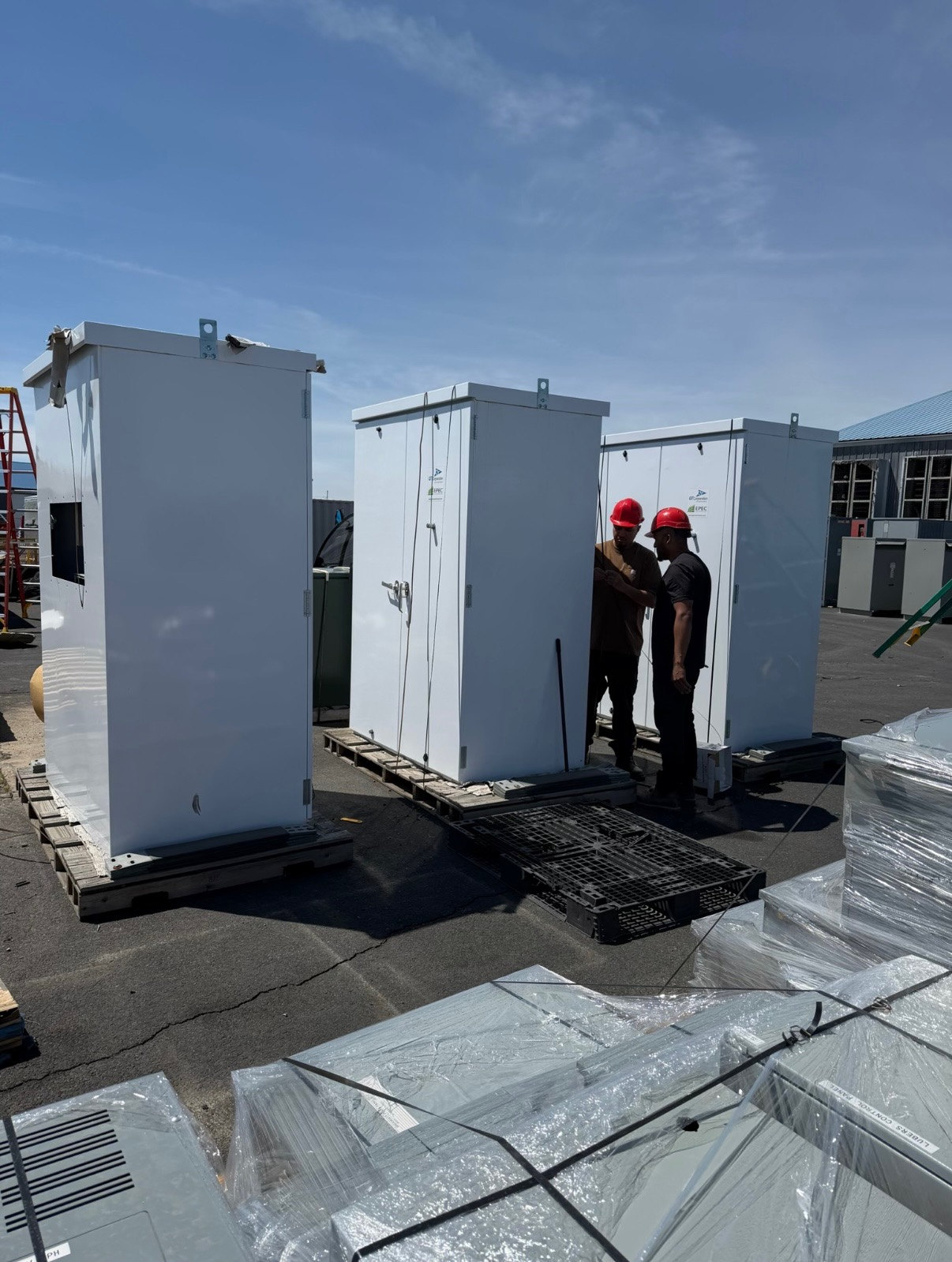
Separate Spare Parts From the Broader Data Center Lot
Data center spare-parts disposition is a focused sale decision: identify unused electrical equipment held in reserve and consider it separately from installed distribution equipment. A spare breaker or other distribution component may have its own ownership records, packaging, storage history and commercial value. Treating these items as a distinct group helps clarify what is available for sale without blending them into a broader decommissioning scope.
A facility-wide lot can include installed switchgear and other equipment that requires coordinated removal, along with spare parts that may already be stored apart. The distinction matters when describing the sale: a buyer needs to understand whether an item is unused inventory or part of the operating electrical system. We buy used, surplus and decommissioned electrical distribution equipment, including qualifying spare parts, with any offer dependent on the specific equipment and an agreed scope.
Build an Inventory That Supports a Clear Offer
Start with records already available to the owner, such as inventory entries, purchase documentation, storage records or existing photographs. Describe each item by its visible identity and quantity where known, and keep separate entries for different components rather than combining unlike equipment into a single line. Existing labels or packaging may help distinguish items, but collecting information does not require opening packages or accessing equipment that is not already safely accessible.
A useful inventory distinguishes spare stock from installed assets and notes whether items are packaged, loose, grouped or stored with related parts. Record known ownership and any documentation that can accompany the sale. Where information is incomplete, state that plainly instead of inferring a model, rating, condition or compatibility. Clear limits on what is known help the buyer assess the inventory and decide whether to make an offer without asking the seller to perform technical checks.
Packaging, Identity and Traceable Ownership
Packaging can preserve context for a spare part by keeping it associated with its labels, paperwork or inventory designation. Include packaging in the description when it is present, and note whether an item appears to be in its original container only if that is evident from existing records or safe visual access. Packaging alone does not establish operating condition, suitability or completeness, so it should be treated as identification and handling context rather than proof of performance.
Traceable ownership is important when inventory has moved between departments, storage areas or projects. Gather records that connect the offered items to the owner and establish which items are included in the sale. If components are grouped together, identify the group and describe any known distinctions without assuming that similar appearance means identical specifications. This makes the proposed scope easier to review and reduces confusion between sale inventory and equipment retained for facility needs.
Evaluate an Offer Without Testing
An offer can be considered using the information already available: inventory descriptions, visible identifiers, packaging, ownership records, photographs and the proposed quantity. Photos and labels are optional, and should be shared only when they are already safely accessible. No seller testing is required. Do not energize, open, disconnect, dismantle or physically handle equipment to prepare an offer; the owner controls access and can provide existing information at their discretion.
The buyer evaluates the described equipment and sale scope, then may make a cash offer when the items are of interest. An offer is not assured for every item, and its terms depend on the equipment and agreement between buyer and seller. If the inventory combines spare parts with installed equipment, ask that the offer scope make clear which group is included. This allows the owner to review a focused spare-parts proposal alongside any separate decision about a larger lot.
Decide Whether to Sell Parts Separately or Together
A separate spare-parts sale can be appropriate when the inventory is identifiable and the owner wants to distinguish reserve stock from equipment involved in a facility shutdown or other broader disposition. A combined sale may be considered when the owner prefers to offer related inventory together. The choice is commercial and organizational: compare the scope being offered, the records available and the owner’s plans for equipment that is not included.
Keep the boundary between spare stock and installed equipment explicit in either approach. For example, inventory descriptions can identify stored components as the proposed parts group while listing installed distribution equipment separately for any broader discussion. This avoids implying that a focused parts offer covers a facility-wide decommissioning lot. The buyer purchases equipment only under an agreed sale scope, and whether any particular grouping attracts an offer depends on its contents.
Coordinate the Sale and Pickup
Once terms are agreed, payment is made upfront before pickup. The seller does not need to test the equipment as part of preparing or completing the sale. We coordinate the pickup work and handle cranes, rigging, disconnects, loading, freight and hauling. The parties should align the agreed inventory and pickup scope so the transaction covers the items the owner intends to sell, rather than unrelated stock or retained equipment.
For spare parts stored apart from installed assets, describe their location and grouping through information already available, without moving or handling items to prepare them. For any included installed equipment, pickup coordination is based on the agreed scope and owner-controlled access. These arrangements let the owner evaluate a parts disposition independently while preserving the option to discuss a broader lot separately.
Make the Scope Easy to Review
A well-defined proposal identifies the equipment offered, distinguishes spare components from installed assets, and records what is known about packaging and ownership. Keep supporting material tied to the relevant inventory entries so the buyer can review the sale as described. Where details are unknown, leave them unknown rather than filling gaps with assumptions. This approach gives both sides a practical basis for discussing the scope and any cash offer.
We buy electrical distribution equipment from data centers as well as other sources, including decommissioned facilities and shut-down power plants, across all voltage classes. A spare-parts disposition remains distinct from a broader equipment sale unless both parties agree to combine them. The owner can decide which inventory to offer, review any proposed terms, and proceed with pickup only after agreement and upfront payment.