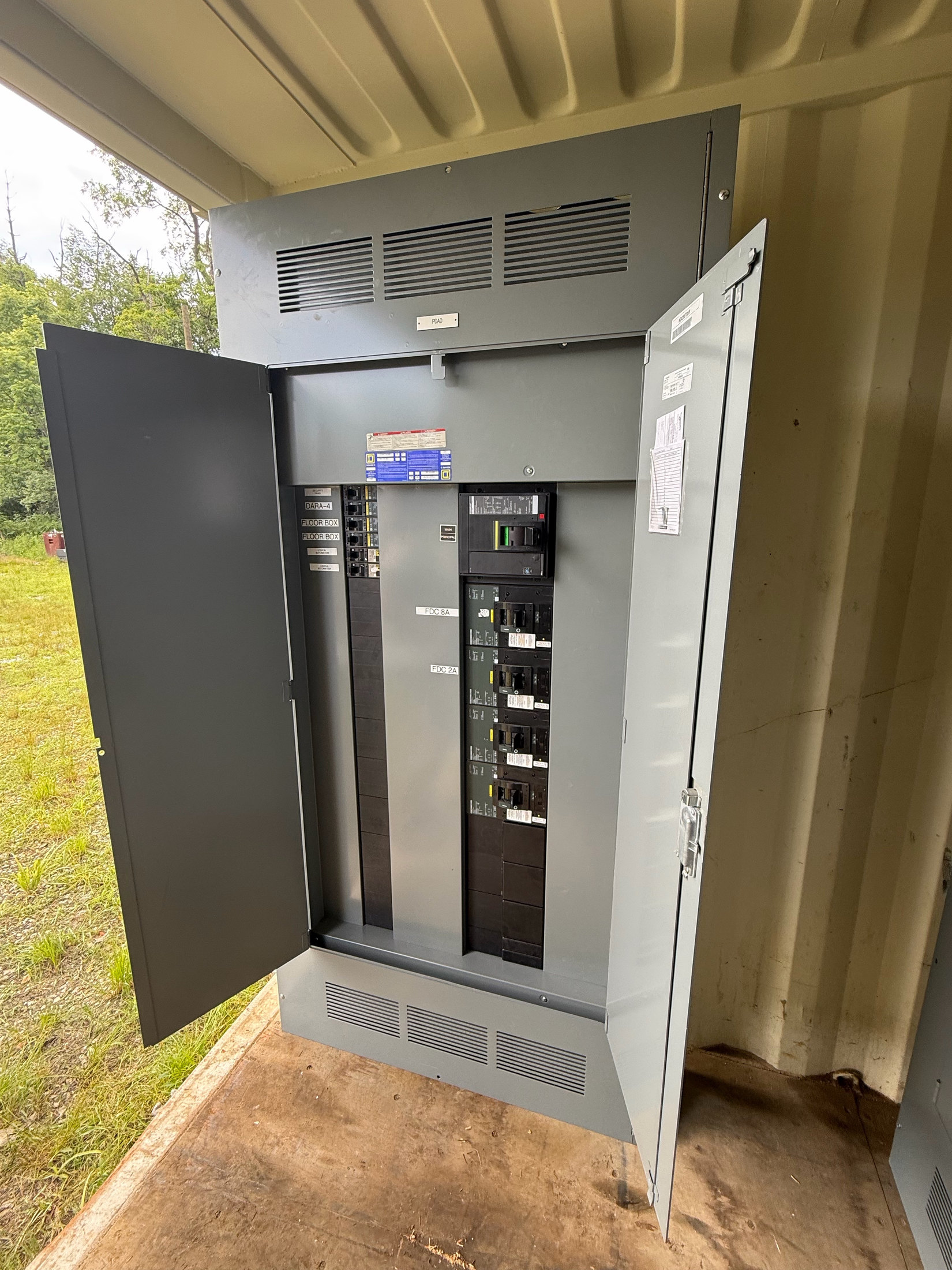
Decide What the Buyer May Access
Before arranging a visit, decide which rooms and equipment areas are eligible for buyer access, who can approve entry, and whether an escort is required. Data center electrical rooms may remain subject to site security, operating requirements, tenant obligations, or shutdown schedules. The owner or authorized site representative controls access and determines the conditions for any buyer visit. A clear decision at the outset helps keep the sale discussion focused on the equipment being considered rather than on access that cannot be approved.
Access does not have to mean a hands-on inspection. A buyer can first review the seller’s inventory and existing records, then discuss whether an escorted visual visit is appropriate for the specific equipment and site. Establish who will coordinate the visit, what areas are within scope, and what records or views are available. We buy used, surplus, and decommissioned electrical distribution equipment; a cash offer depends on the equipment and whether both parties agree to the sale.
Reconcile the Inventory Before Scheduling
Compare the proposed sale inventory with records the facility already maintains, such as equipment schedules, asset lists, room inventories, or decommissioning documents. The purpose is to identify which listed items are actually included in the sale and to resolve naming differences before access is discussed. Records may use room names, asset identifiers, or descriptions that do not match the seller’s working list. A reconciliation gives both sides a shared scope without requiring equipment to be handled or examined for the sale discussion.
Separate confirmed sale items from items that are excluded, retained, already committed elsewhere, or still awaiting an ownership decision. Note any uncertainty plainly rather than treating an unclear record as confirmation. If the inventory covers switchgear from a decommissioned data center, identify the relevant groups and their documented locations as the seller understands them. We buy switchgear across all voltage classes, including equipment from decommissioned data centers and shut-down power plants; the actual purchase decision depends on the equipment offered and agreement between buyer and seller.
Use Existing Records as an Inspection Alternative
When room access is restricted or an escorted visit is not practical, begin with information already available to the owner. Useful records can include existing inventories, asset descriptions, photographs, labels captured previously, and decommissioning or removal-scope documents. These materials help clarify what is being offered and what is known about its identity and status. The seller may share only information it is authorized to disclose, and no new inspection or record creation is necessary to start a conversation.
If photographs or labels are already safely accessible, they are optional supporting information. Do not enter a restricted area or create a new access activity just to obtain them. A buyer can consider the available records and discuss whether they are sufficient to make an offer or whether a site-controlled visual visit would help resolve a specific uncertainty. The seller remains in control of records, access, escorts, and any site permissions throughout that decision.
Set Escort Rules and Visit Boundaries
If the owner approves a visit, confirm the escort arrangement and the areas the buyer may view before scheduling. The seller should identify the authorized site contact, explain applicable visitor requirements, and define any limits on photography or record handling. A buyer visit should stay within the access granted by the owner; it does not authorize entry into other rooms or activities beyond the agreed scope. If the required escort or timing cannot be arranged, continue with existing records or defer the visit until the seller can approve a workable option.
Keep the visit’s purpose limited to reviewing the offered equipment and resolving sale-scope questions. We do not require seller testing. The buyer’s review can be based on the owner-approved access and information available, with no request for the seller to energize, open, disconnect, dismantle, or physically handle equipment for inspection. Any decision to offer depends on the equipment and the parties’ agreement, not on a promise that every listed item will be purchased.
Resolve Scope Questions Without Expanding Access
When the inventory and room records do not align, identify the specific discrepancy and ask the seller’s authorized representative to confirm the intended sale scope. For example, a record may describe a broader room group than the items the owner is prepared to sell, or an asset list may contain entries whose current disposition is unclear. Keep those entries separate until the seller confirms whether they are included. This avoids treating access to a room as permission to include every item located there.
A buyer can make an offer for agreed equipment based on the information the seller provides and the access the owner permits. If a point remains unresolved, the parties can narrow the offer discussion to confirmed items or continue reviewing existing records. There is no need to turn an inventory question into a request for additional physical access. Clear scope supports a practical decision while preserving the owner’s authority over the site and its equipment.
Coordinate Removal Only After Agreement
Once the parties agree on equipment to be sold, coordinate the transaction and pickup with the seller’s authorized site contact. Access approval for an earlier review does not by itself establish the final pickup scope or schedule; the seller and buyer should confirm those separately. The buyer handles cranes, rigging, disconnects, loading, freight, and hauling as part of the pickup coordination. The owner controls site access and any required escort arrangements, while the agreed sale scope determines what is included.
We make cash offers for equipment we are prepared to buy, with payment upfront before pickup. Payment and pickup are tied to an agreed transaction; an inquiry or inventory review alone is not a purchase commitment. The seller can use existing records to clarify what is available, approve an escorted visit if useful, and confirm the sale scope before pickup planning proceeds. This keeps the access decision, equipment agreement, payment, and removal coordination distinct and manageable for the facility.