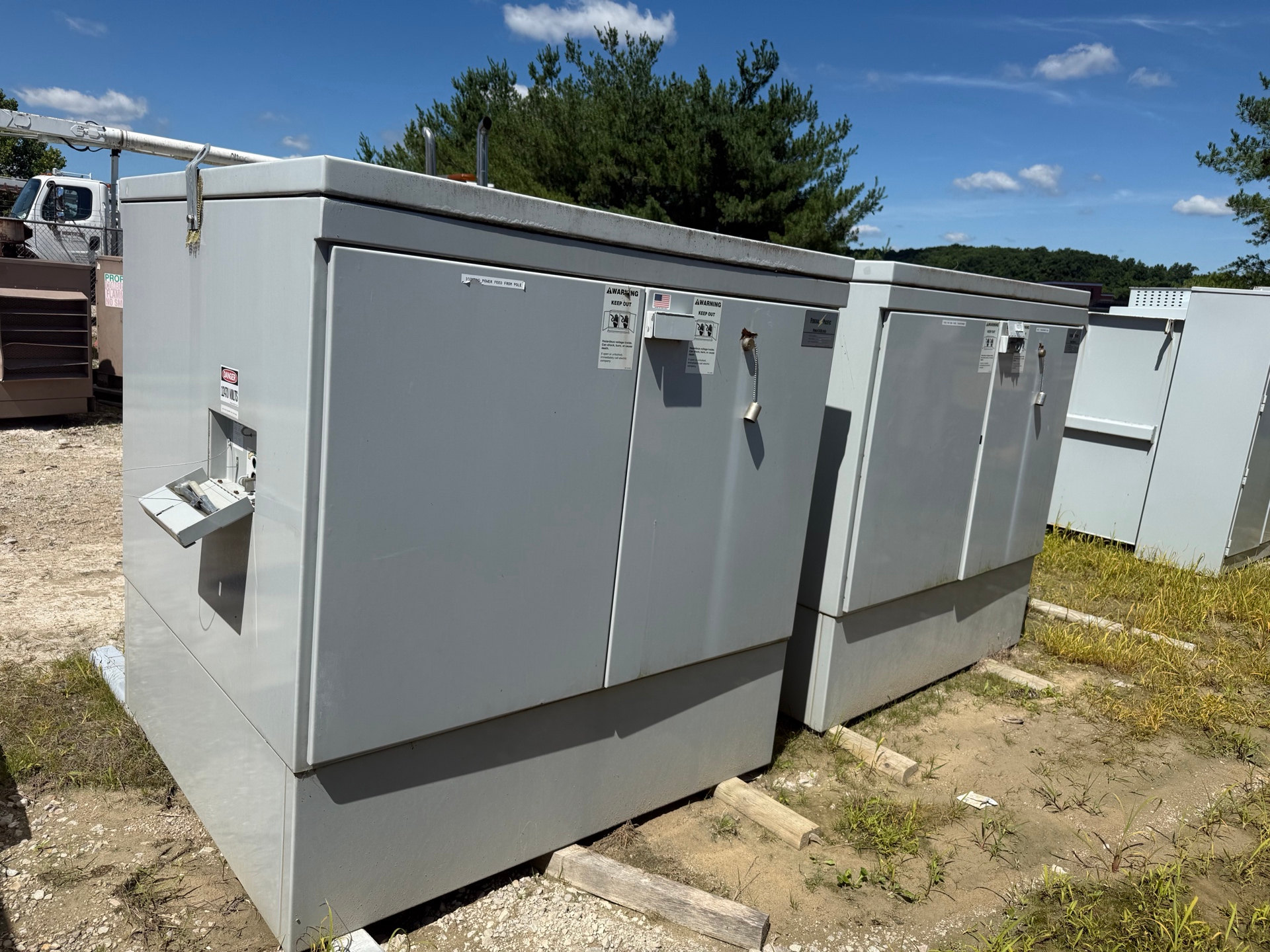
Decide What Is for Sale Before Planning Storage
Start by separating the electrical equipment you intend to sell from property the data center will retain. That distinction guides the inventory, determines which items can be presented to a buyer, and helps prevent sale discussions from becoming confused with the facility’s broader shutdown or relocation. Identify sale assets by the descriptions your organization already uses, and keep retained equipment, building property, and other excluded items clearly outside the proposed sale scope.
For equipment still in place, record that it has not yet been removed. For equipment already removed, note its current storage location and whether it is grouped with other sale assets. This basic status information helps us understand the opportunity without asking you to perform electrical work or prepare equipment for inspection. We buy used, surplus, and decommissioned electrical distribution equipment, including switchgear from decommissioned data centers, across all voltage classes. A purchase depends on the equipment and an agreed scope; not every item will necessarily be suitable for an offer.
Build an Inventory That Matches the Sale Scope
A useful inventory connects each offered asset to its status and location. Include descriptions or identifiers already available in your records, such as the equipment type, manufacturer, site or room designation, and any existing nameplate or asset-tag information. Note whether an item is in place, has been removed, or is stored elsewhere. If an existing list groups several pieces together, explain the grouping so a buyer can understand what is included without treating retained property as part of the sale.
Photos and labels are optional. Share them only when they are already safely accessible and can be viewed without opening equipment, energizing it, disconnecting it, dismantling it, or physically handling it. A record-based inventory can still help establish the proposed scope. If a description or quantity is uncertain, identify it as uncertain rather than presenting an estimate as confirmed. Clear distinctions are more useful than extensive documentation that does not reflect what you are actually offering.
Describe Storage and Staging Locations Clearly
For removed equipment, explain where it is stored and how the sale assets are arranged in relation to other property. A staging area may contain only offered items, or it may also hold retained equipment and unrelated materials. State which situation applies and identify any boundaries or access arrangements that your organization controls. This helps both parties discuss a defined group of assets and the practical conditions for a potential pickup.
For equipment that remains in place, describe its current location in the facility and whether the proposed sale covers individual items or a larger group. Do not move, expose, or reposition equipment for a buyer’s benefit. Owners control site access and any decisions about property within their facilities. Accurate location notes can help distinguish equipment in different rooms or storage areas while leaving access and site decisions with the owner.
Report Condition Without Preparing Equipment
Share condition information based on records or observations already available to your organization. You can describe equipment as used, surplus, or decommissioned and identify known gaps in the inventory, but no seller testing is required. We do not require sellers to test equipment for an offer. Do not energize, open, disconnect, dismantle, or physically handle equipment to answer questions or improve a sale presentation.
Storage history may also help explain the equipment’s present circumstances. If your records identify a period in storage, a move between locations, or a change in custody, include those facts when relevant. Avoid assuming that a description of storage alone establishes operational condition. The buyer considers the equipment and the agreed scope in deciding whether to make a cash offer; the seller does not need to produce test results as a condition of beginning a discussion.
Coordinate Shipment Readiness Around the Site
Shipment readiness depends on where the assets are, how the sale scope is defined, and what pickup coordination the owner permits. For stored equipment, clarify whether the items are grouped together and whether they are among retained property. For equipment still in place, identify that status instead of implying it is already available for shipment. These details help align a possible pickup with the actual location and ownership boundaries of the assets being sold.
We handle cranes, rigging, disconnects, loading, freight, and hauling as part of pickup coordination. The seller’s role is to identify the property offered for sale and coordinate access under the site’s requirements, not to carry out electrical work or prepare a shipment through physical handling. Any timing or access arrangements depend on agreement and the circumstances of the equipment. Keeping the sale boundary and location information current makes coordination more straightforward when a purchase is agreed.
Agree on Scope and Payment Before Pickup
Once the equipment and sale scope are understood, we can discuss a cash offer based on the items involved. An offer is not automatic for every asset, and any purchase depends on the equipment and agreement between buyer and seller. Confirm what is included, where it is located, and which property remains with the owner before proceeding. This is especially important when sale items and retained assets share a room, storage area, or inventory record.
Payment is made upfront before pickup. That order allows the payment arrangement to be established before equipment is collected, while pickup planning addresses the agreed assets and their location. No seller testing is required. The owner retains control over site access, and our handling of cranes, rigging, disconnects, loading, freight, and hauling supports the agreed pickup rather than requiring the seller to manage those tasks.
Keep Records Aligned Through the Sale
As plans develop, keep the inventory, location notes, and sale boundary consistent. If an item is removed from the proposed sale, retained, or relocated, update the scope so the buyer is not relying on an outdated description. Where several groups of equipment are stored in different places, identify which group each record describes. This simple coordination helps avoid confusion about whether a particular asset belongs to the sale or remains the owner’s property.
A clear operational picture supports a focused discussion: what equipment is offered, whether it is in place or already removed, where it is staged or stored, and what pickup coordination applies. With that information, we can consider the equipment for a cash offer and agree on the sale terms before pickup. The process accommodates used, surplus, and decommissioned distribution equipment from data centers, while leaving facility access and retained property under the owner’s control.