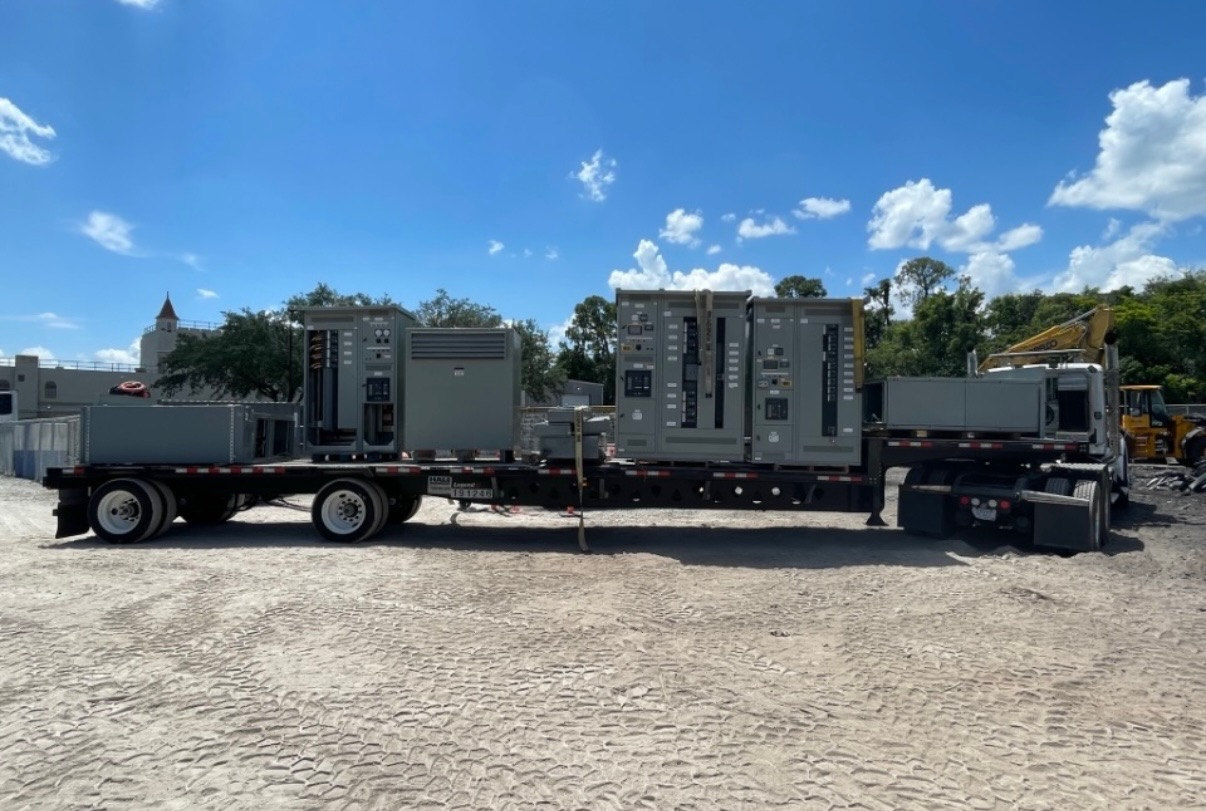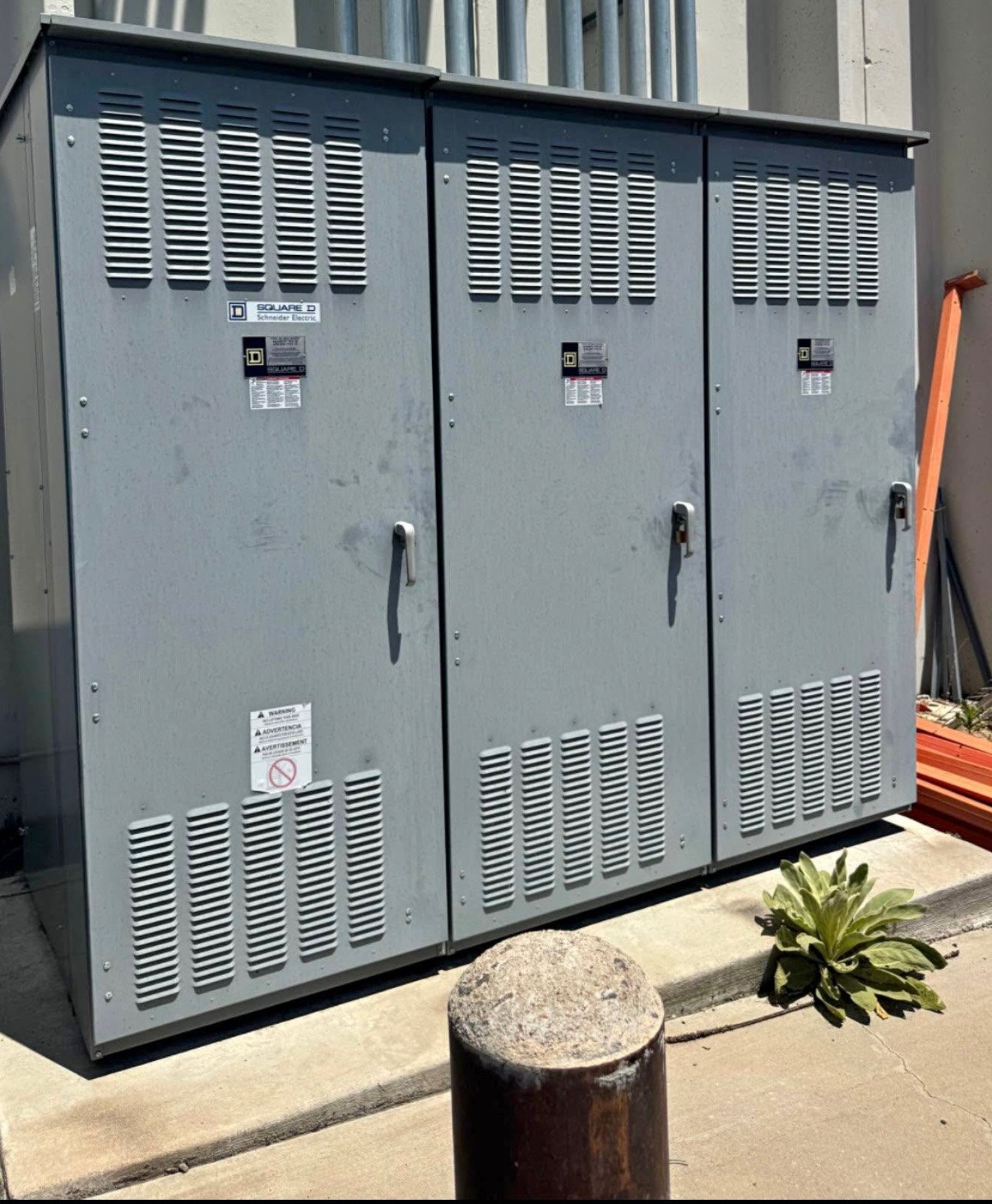
What equipment is included in the switchboard sale?
Which switchboard sections, associated components, and related electrical distribution equipment are being offered? A data center can contain switchboards alongside switchgear and other equipment, but these terms do not establish that every item belongs in the same sale. Identify the assets by their existing names, labels, or inventory records where available. We buy used, surplus, and decommissioned electrical distribution equipment, including switchgear from decommissioned data centers and shut-down power plants, across all voltage classes. A cash offer depends on the equipment and the sale being agreed.
Which items are expressly excluded because the facility will retain them? Separate sale assets from retained property in the inventory and in the sale scope. Include a clear distinction for equipment that serves ongoing operations, is reserved for another project, or is otherwise not being sold. This helps prevent a room-level description from being mistaken for authority to acquire everything in the space. Any offer applies only to equipment identified for sale and accepted by both parties.
Is the equipment a switchboard or switchgear?
How does the facility identify the equipment in its existing records? Switchboard and switchgear are not interchangeable inventory labels. Use the terminology on available records or equipment labels rather than relying on a general description such as “electrical room equipment.” If the identification is uncertain, share that uncertainty directly; a buyer can review available information without asking the seller to perform testing or inspect equipment physically.
Are some assets recorded under a broader category than the one used by facility staff? Reconcile names, room references, and asset descriptions where possible, while keeping each proposed sale item distinguishable from retained property. Optional photos or label details can help only when they are already safely accessible. Do not open equipment, energize it, test it, disconnect it, dismantle it, or handle it to gather sale information. The owner controls access, and any information provided can remain limited to records already available.
Which room-level assets are in scope?
Does the proposed sale cover only identified switchboards, or does it include other equipment in the room? A room is a location, not an inventory boundary. Describe the sale assets separately from adjacent equipment, building property, and items the facility intends to retain. Where a room contains a mixture of sale and retained property, define that distinction before coordinating collection so the agreed scope is understandable to the seller, buyer, and any authorized removal provider.
Who can confirm the room boundary and the status of each item? The facility’s authorized representative should resolve ownership and scope questions using the organization’s records and access controls. A buyer’s interest in one item does not automatically extend to nearby equipment or property. Clear room-level scope also helps determine what needs to remain available for operations and what may be included in the agreed sale. No seller testing is required for an offer; available descriptions and records can support an initial review.
Who is authorized to remove the equipment?
Has the facility selected or authorized a provider for removal, or is that responsibility part of the buyer’s collection arrangement? Confirm who has authority to approve access and removal, and whether another provider is already engaged. The buyer handles cranes, rigging, disconnects, loading, freight, and hauling for equipment included in an agreed purchase. This arrangement should be coordinated with the facility’s authorized contacts and any provider whose work or access responsibilities affect the collection.
Which party is responsible for coordinating the removal scope with facility operations? Establish the point of contact for access, scheduling, and confirmation of the sale assets. The seller should not undertake physical handling or electrical work to prepare equipment for pickup. Keep sale coordination distinct from facility decisions about operational control, access authorization, and retained assets. If the facility’s arrangements require a separately authorized provider, resolve that coordination before setting a collection window.
What access information should be shared?
What room-level access conditions affect a possible collection? Share information the facility already has about authorized entry, applicable access coordination, and the areas associated with the sale assets. Do not assume that access to one room grants access elsewhere, or that a buyer may enter without the owner’s approval. The owner controls access and decides what information or access is appropriate. Photos and labels are optional, and should be shared only if already safely accessible.
Who will coordinate access on the facility’s behalf? Identify the authorized contact who can confirm the agreed scope and communicate facility requirements to the buyer or removal provider. If access depends on coordination with facility operations or another provider, include that dependency in planning rather than treating it as an equipment-preparation task for the seller. No opening, testing, energizing, disconnecting, dismantling, or physical handling is needed from the seller to begin a sale discussion.
When can collection take place?
What collection window can the facility authorize after the sale scope is agreed? A proposed window should reflect the facility’s access controls, the availability of the authorized contact, and any coordination needed with a removal provider. Discuss timing before treating the room or equipment as ready for pickup. Collection depends on agreement about the equipment and practical coordination; a general interest in a room’s contents does not establish that all property there is included.
Can the facility distinguish the collection window from its internal removal planning? The buyer handles cranes, rigging, disconnects, loading, freight, and hauling, but timing still requires coordination with the seller and authorized facility contacts. Confirm that retained property is identified and excluded, and that access is approved for the agreed assets. Avoid setting expectations around an unconfirmed date; the parties should agree on a workable window for the specific sale and collection scope.
How are the offer and payment coordinated?
What equipment can the facility offer for sale, and what information is available about it? We make cash offers for used, surplus, and decommissioned electrical distribution equipment, including qualifying switchboards and switchgear. Offers are not guaranteed for every item and depend on the equipment and the terms both parties agree to. A review can begin with the seller’s existing inventory descriptions and relevant details; seller testing is not required.
When is payment made in relation to pickup? Payment is upfront before pickup, under the agreed sale arrangement. Confirm the equipment included, the distinction between sale and retained property, the authorized removal coordination, and the collection window before proceeding. The buyer handles cranes, rigging, disconnects, loading, freight, and hauling for the agreed purchase. This keeps the transaction focused on the identified assets while leaving facility access and property decisions with the authorized owner representatives.