A lease deadline changes the sale decision
When a data center tenant plans to leave a Pennsylvania site, switchgear may be among the equipment the tenant hopes to sell before the lease expires. The decision is not simply whether the equipment has resale potential. It also depends on what the tenant owns, what the lease permits, whether the landlord approves removal, and how much time remains for an agreed sale and pickup. Those details can differ by lease and facility, so establish them before treating equipment as available for sale.
We buy used, surplus and decommissioned switchgear from data centers across all voltage classes. A cash offer is subject to the equipment and the parties’ agreement; an offer is not assured for every item. A short remaining lease term can make clear ownership and access arrangements especially important. The sale discussion should identify the equipment being offered and the applicable timing, while the tenant and landlord resolve their respective rights and obligations.
Confirm ownership and removal authority first
A tenant may possess or operate equipment without having the right to sell it or remove it. The lease, purchase records, project documents and any later agreements may help the responsible parties determine whether particular switchgear belongs to the tenant, landlord, or another party. Do not assume that equipment installed for the tenant is automatically tenant-owned, or that ownership alone settles whether removal is permitted under the lease.
Before arranging a transaction, the tenant should obtain the landlord’s direction on whether the equipment may be sold and removed, and what approvals or handover conditions apply. Relevant questions can include whether the equipment must remain, whether removal is allowed only within a specified window, and who can authorize access. These are site-specific contractual and operational matters, not terms a buyer can establish for the parties. A sale can proceed only when the seller has authority to offer the equipment and the necessary permissions are in place.
Make the deadline and access terms explicit
Lease expiration is a fixed point in the tenant’s planning, but sale and pickup timing depends on more than the calendar date. The parties may need to agree on when the equipment is available, who controls access, what approvals must be completed, and whether pickup can occur before the tenant gives up possession. If landlord review is still pending, reflect that status in the schedule rather than treating the equipment as cleared for removal.
A useful sale conversation distinguishes the tenant’s desired handover date from dates that have actually been authorized. The owner or authorized site representative controls access. We coordinate pickup after an agreed purchase and approved access arrangements; a tenant’s deadline alone does not authorize entry or removal. If timing, permissions or handover terms remain unresolved, those issues should be settled by the tenant and landlord before pickup is scheduled.
Describe the available switchgear accurately
A focused inventory helps the parties discuss what is included without turning the lease deadline into a guess about value. Identify the equipment the tenant proposes to sell, how it is described in existing records, where it is located, and whether related equipment is included or excluded. Distinguish items the tenant owns from landlord property or equipment whose ownership has not been confirmed. The buyer can review the available description and determine whether the equipment is of interest.
Equipment details can be incomplete, particularly when records were maintained for facility operations rather than a future sale. Share known information and identify what remains uncertain instead of filling gaps with assumptions. Photos or labels are optional, and should be shared only if already safely accessible. There is no seller testing requirement. Owners and authorized personnel retain control of site access and equipment; sale planning does not call for the seller to energize, open, disconnect, dismantle or physically handle switchgear.
Separate the commercial offer from site work
For equipment we agree to buy, we make a cash offer and payment is made upfront before pickup. The purchase remains subject to agreement on the equipment and sale terms; the lease deadline does not guarantee an offer or establish a price. Make sure the proposed sale description and payment arrangement are understood before scheduling a handover, so the tenant and landlord can coordinate around a defined transaction rather than an uncertain estimate.
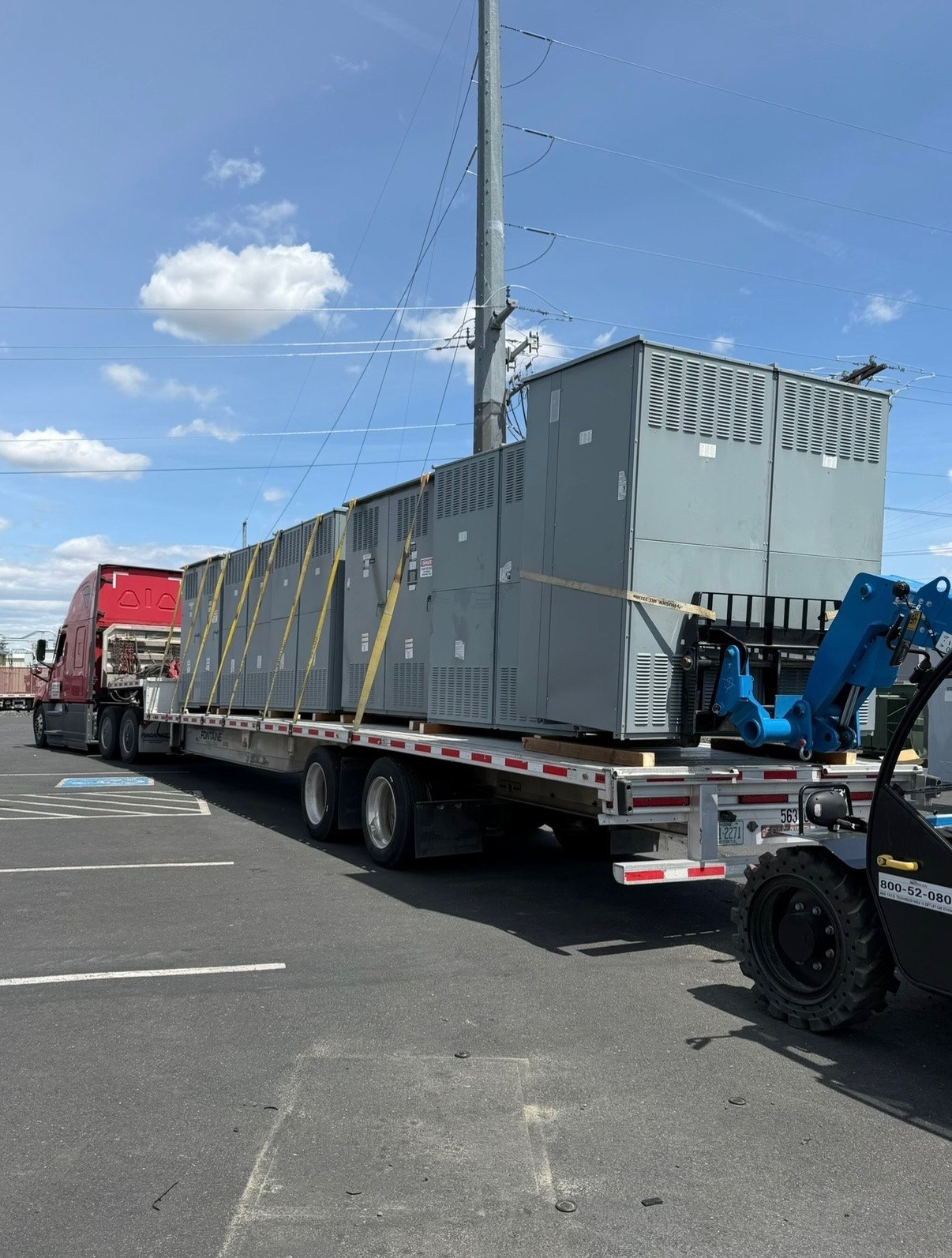
We handle cranes, rigging, disconnects, loading, freight and hauling as part of our pickup coordination. The tenant does not need to arrange those services as the seller. However, the work must fit the site’s approved access and handover requirements. The landlord and authorized site representatives determine who may enter and when, and the tenant should confirm that the planned pickup is permitted. No seller testing is required to discuss or complete a sale.
Coordinate landlord approval and handover
A landlord may need to approve the sale, removal, access window, or handover details under the lease or other site arrangements. The exact requirements are not universal. The tenant should identify the person authorized to grant approval and establish what documentation or confirmation is needed before pickup. If approval is conditional, communicate the condition clearly so the sale schedule and access plan can reflect it.
Handover can involve more than transferring possession of equipment. The parties may need to settle responsibility for access, site rules, timing, and any lease obligations that apply to the tenant’s departure. Those arrangements belong to the tenant and landlord, with the buyer coordinating the agreed equipment pickup. A clear division of responsibilities helps avoid treating a buyer’s purchase as a substitute for landlord consent or as resolution of outstanding lease terms.
Use the remaining term to resolve open questions
An illustrative situation is a tenant approaching lease expiration with data center switchgear it believes it can sell. The tenant has an equipment description, but the lease does not yet clearly establish whether removal is allowed, and the landlord has not confirmed an access window. The practical next step is to settle ownership, permission and timing with the landlord while sharing the known equipment information for a purchase discussion. Neither a deadline nor an inventory description answers the unresolved contractual questions.
Once authority and access are established, the tenant can compare the approved handover window with the agreed sale and pickup arrangements. If the parties cannot resolve those points before the lease ends, the tenant should seek direction from the landlord about the equipment and its obligations rather than assume it can be removed later. For a Pennsylvania data center tenant, early coordination makes the distinction clear: we consider switchgear for purchase, while the tenant and landlord determine what may be sold, removed and handed over under their arrangements.