Start With a Room-by-Room Inventory
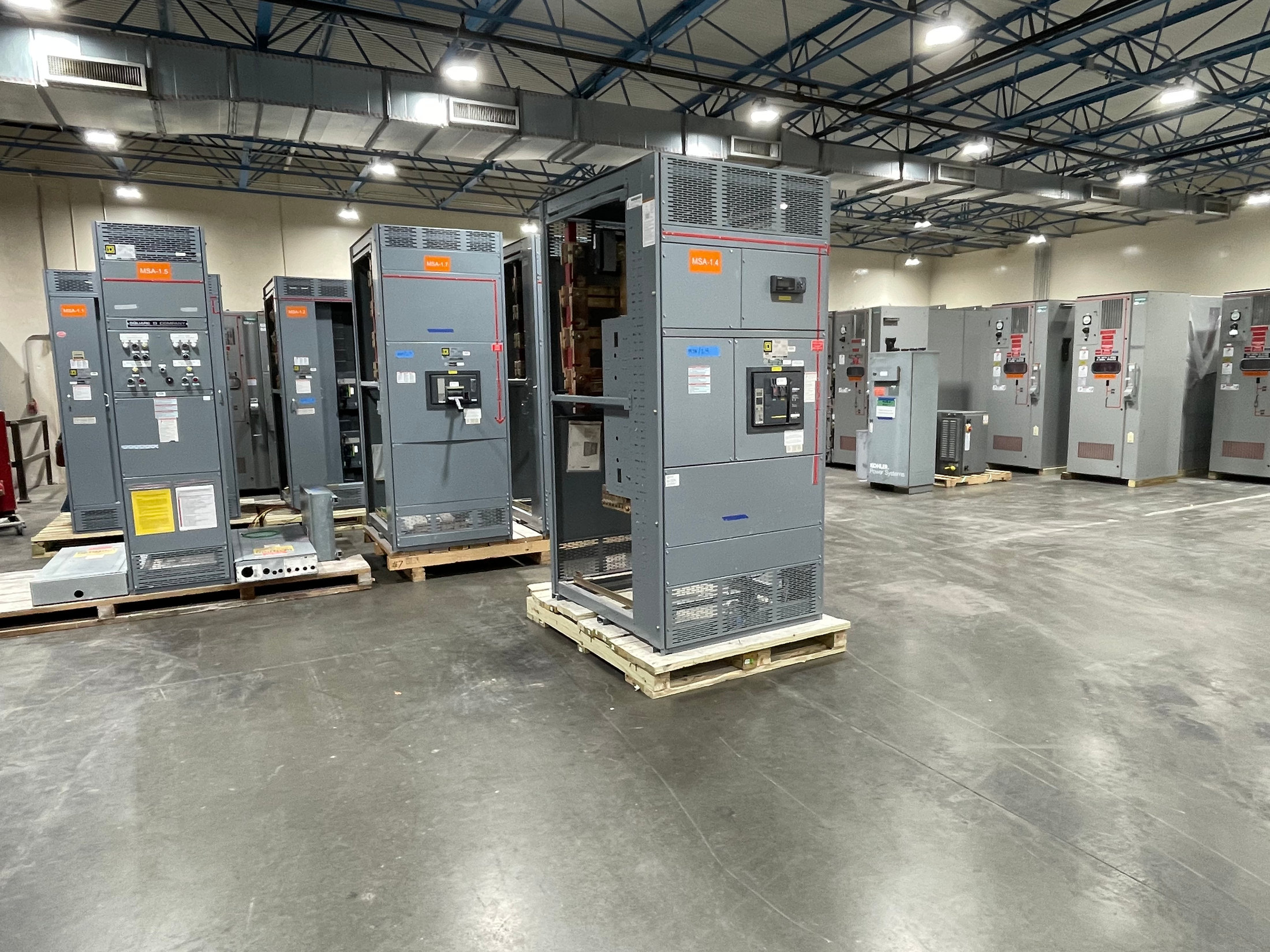
After a data center closes, power distribution equipment may be spread across electrical rooms, support spaces, and areas used for staging. Build the sale inventory around those locations rather than treating the entire site as one undifferentiated group. Assign each room or area a clear name, then record the equipment associated with it. This structure helps connect assets to their original location and makes it easier to reconcile the inventory when records are incomplete or equipment has been moved.
Keep the inventory focused on what can be identified through existing records and information already safely accessible. Useful entries can include an asset identifier, general equipment description, manufacturer label information, and the source of each recorded detail. Distinguish information read from an existing record from information observed on an accessible label. If a label or asset is not safely accessible, leave that field unconfirmed rather than trying to reach it or alter equipment for the sale process.
Separate Assemblies From Loose Components
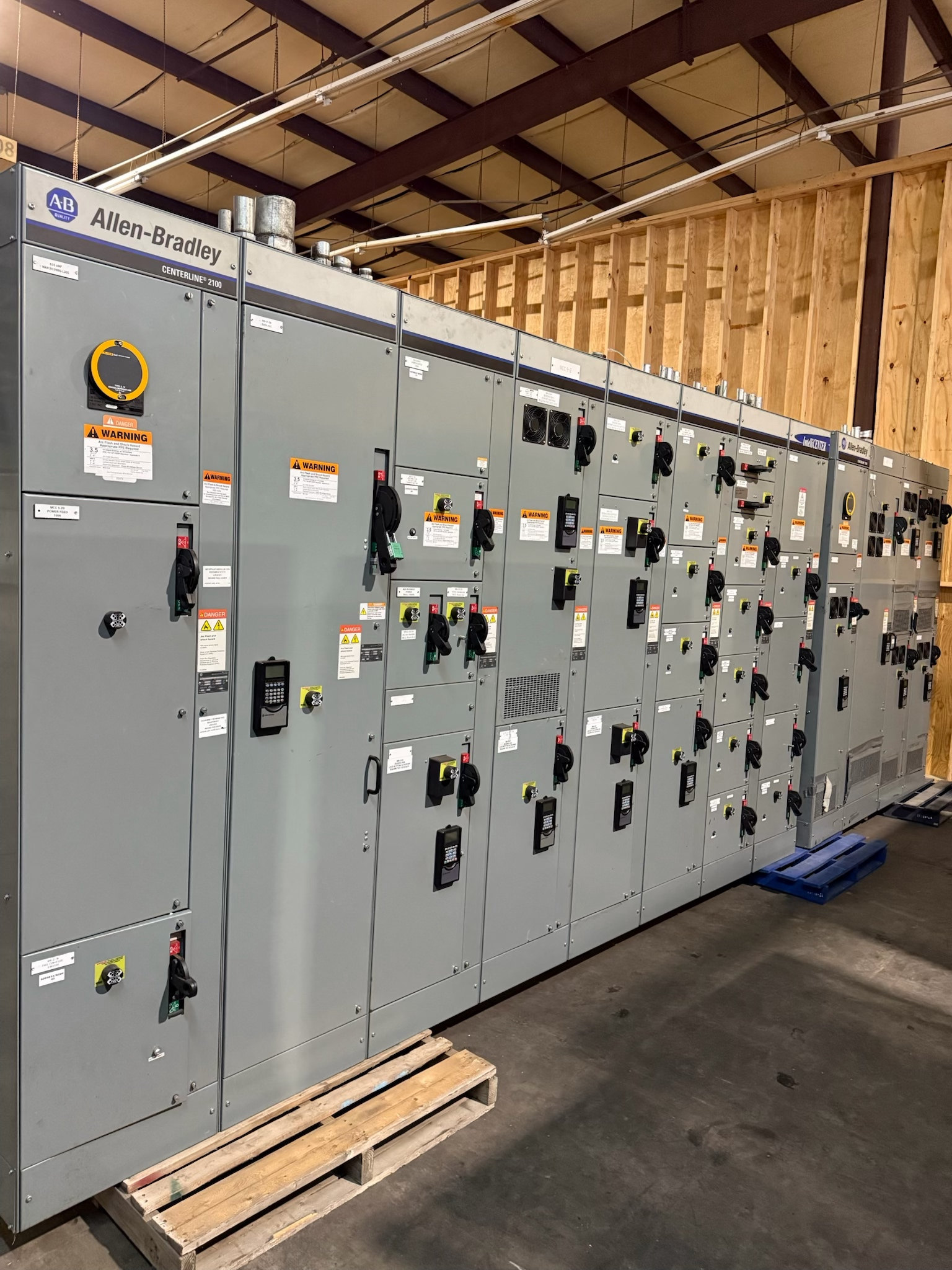
An equipment manifest should distinguish complete assemblies from loose components. A switchgear lineup or other identifiable distribution assembly should be represented as an assembly, with any separately inventoried components listed as individual items. Avoid describing loose parts as included in an assembly unless the relationship is supported by the records or clear existing documentation. This distinction gives a buyer a more useful view of the inventory and reduces confusion about what is actually being offered.
Use separate identifiers for assemblies and loose components when records permit, and preserve any existing references that connect related items. Describe a component as loose or separately stored when that is the observed condition, without inferring its intended use, completeness, or compatibility. If the records do not establish whether an item belongs with a particular assembly, mark the relationship as unknown. Accurate distinctions matter when a closed facility has consolidated, relocated, or separated equipment over time.
Make Asset Identifiers Traceable
Assign an inventory identifier to each listed assembly and loose item, using a consistent scheme that can be tied back to its room or recorded location. Keep identifiers distinct from manufacturer labels, model references, and facility asset numbers. Those existing references may help identify an item, but they should not be substituted for a sale-inventory identifier unless the seller’s records already use them consistently for that purpose. The aim is a manifest that lets both parties refer to the same listed asset without relying on informal descriptions.
Where labels or records provide identifying details, transcribe them carefully and preserve uncertainty rather than filling gaps by inference. A partially legible label, conflicting record, or missing identifier can be noted as such. Photos are optional and should be limited to images that are already safely accessible; they are not a reason to approach, open, or manipulate equipment. A clear record of what is known, and how it is known, is more valuable than a complete-looking manifest built on assumptions.
Separate Missing Records From Observed Details
Use the manifest to distinguish missing documentation from facts that have actually been observed. For example, an item may have a visible label while its maintenance history or original purchasing record is unavailable. Conversely, a record may name equipment that cannot be matched confidently to a visible item. These are different conditions and should not be collapsed into a single note such as “unknown.” Record the source and status of each important detail so a buyer can understand the limits of the available information.
Avoid filling documentation gaps with assumed ratings, condition, completeness, or operating status. A shutdown or closure does not establish that every listed item is ready for reuse, nor does an incomplete record establish that an item lacks value. We consider used, surplus, and decommissioned distribution equipment based on the equipment and the information available. An offer is not guaranteed for every item; whether equipment is suitable for purchase depends on the equipment and the terms the parties agree to.
Identify Switchgear Across Voltage Classes
A closed data center may have switchgear and other power distribution equipment represented in multiple rooms and records. Include switchgear across all voltage classes in the inventory when it is part of the equipment being offered, while keeping its identity tied to existing labels or documentation. Do not infer a voltage class from the room, a neighboring assembly, or an undocumented facility designation. If the class is not established by accessible information, record it as unconfirmed rather than assigning a value.
We buy switchgear from decommissioned data centers as well as shut-down power plants, including equipment across all voltage classes. For a data center closure, an inventory that keeps each assembly distinct and links it to its location can make the scope easier to review without requiring sellers to test equipment. Include relevant records if they are already available, but do not undertake electrical work to produce additional details. The inventory supports discussion; it does not replace agreement on which items are included in a sale.
Define the Sale Scope From the Manifest
Once the inventory is organized, identify which listed assets are being offered and which are outside the proposed sale. Make the boundary clear for each room or area, especially where assemblies and loose components appear together. If the offer concerns selected items rather than an entire inventory, use the assigned identifiers to specify the included equipment. This avoids relying on broad phrases such as “all electrical equipment” when the intended scope is narrower or when ownership and inclusion are not established for every item.
The manifest also helps identify discrepancies for discussion before pickup arrangements are made. A listed assembly may have related loose items, missing records, or an uncertain location; those points can be resolved in the agreed scope without changing the underlying facts in the inventory. We make cash offers for equipment we are interested in purchasing, and the sale depends on the equipment and agreement between buyer and seller. Listing an item for review does not itself mean an offer will be made for it.
Coordinate Payment and Pickup
For equipment we agree to buy, payment is made upfront before pickup. Sellers do not need to test equipment for us. We handle cranes, rigging, disconnects, loading, freight, and hauling as part of coordinating the pickup of purchased equipment. This keeps the buyer’s pickup responsibilities with us while allowing the seller to focus on confirming the inventory and agreed sale scope.
Keep access decisions under the owner’s control. The owner can identify what areas or records are available and coordinate any approved access needed for the transaction. Do not open, disconnect, dismantle, or physically handle equipment for inventory purposes. Information and optional photos should come only from records and material already safely accessible. With a room-based manifest, clear separation of assemblies from loose components, and a defined list of included assets, both sides can discuss a data center power distribution sale on the basis of the actual inventory.