Start With an Inventory of the Redundant Power Path
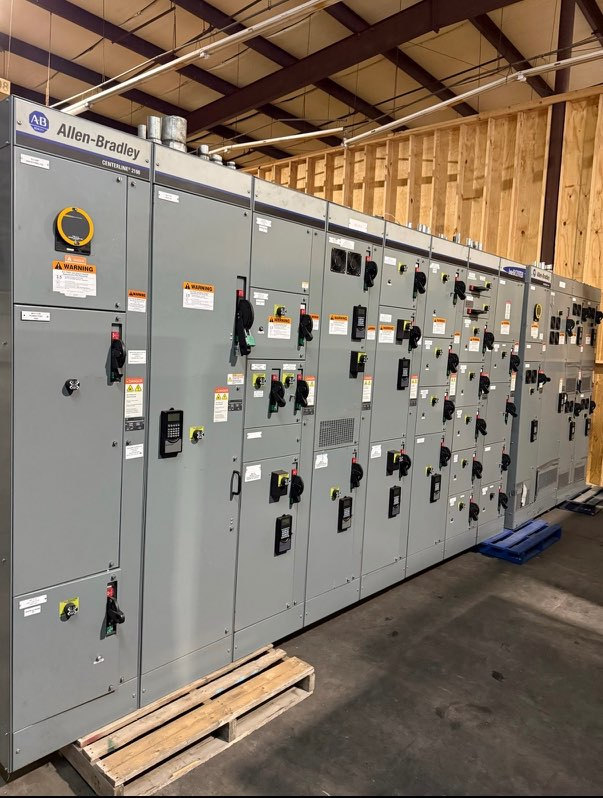
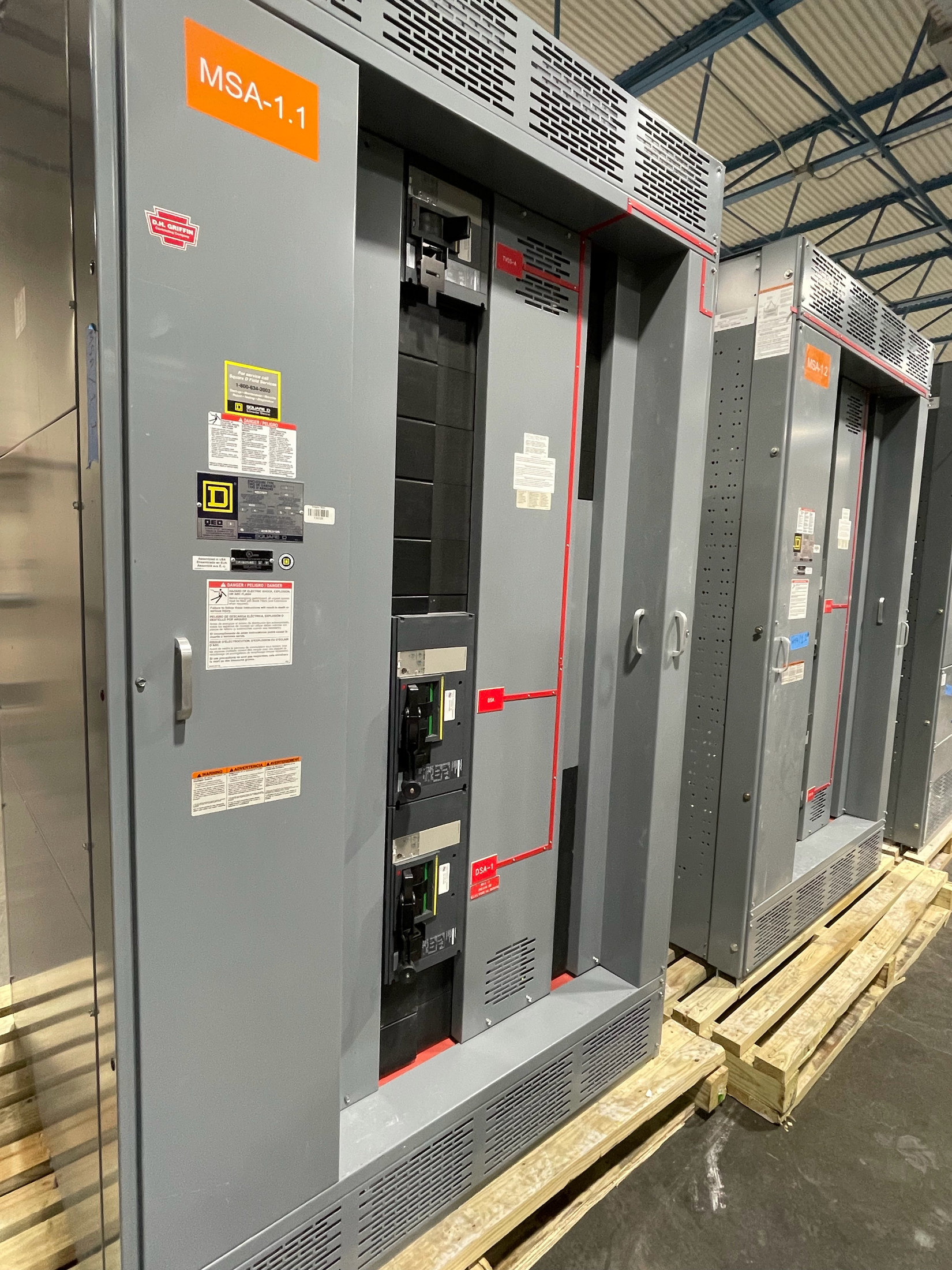
A data center’s redundant power paths can contain equipment with different owners, release dates, operating roles, and sale boundaries. Begin with a seller-prepared inventory that identifies the equipment being considered and the path or asset group associated with each item. The inventory gives a buyer a clearer basis to assess a potential purchase without treating every electrical asset in the facility as part of one sale. It also helps distinguish equipment approved for release from infrastructure that must remain in place.
Use existing records and labels where available, and describe items in terms your organization recognizes. Seller-provided equipment names, asset identifiers, location references, and notes about whether an item belongs to a particular path can help establish scope. If a label or record is unavailable, identify that uncertainty rather than assigning a description that may be misleading. Photos are optional and should be limited to material already safely accessible; owners control access to the equipment and facility.
Establish Ownership and Release Authority
Before discussing a lot, confirm that the organization offering the equipment has authority to sell it. Data center assets may be owned, leased, financed, managed for another party, or subject to internal approval. The person coordinating an inquiry should be able to identify who can approve the sale and whether that authority covers the specific assets proposed for release. Clear ownership and approval help prevent a path-level discussion from being mistaken for permission to sell equipment outside the seller’s control.
Establish authority separately for each proposed lot when the assets have different owners, custodians, or approval processes. A sale may involve equipment associated with one redundant path while other assets remain under another party’s control. Keep those boundaries explicit in the inventory and subsequent discussions. We consider equipment for purchase based on the information provided and the items presented for sale; an inquiry is not a commitment to buy every asset in a facility or every item grouped under a path name.
Define Lots by Path and Sale Scope
Organize the proposed sale around the seller’s intended release boundary. A lot might be described by the path designation used in the seller’s records, a list of asset identifiers, or another clear grouping that distinguishes sale items from retained infrastructure. The purpose is commercial scope: identifying what the seller is offering and what remains outside the transaction. Avoid relying on a broad phrase such as “redundant power system” if it could include equipment that the seller does not intend or have authority to sell.
Where a path contains equipment with different disposition decisions, separate those items in the inventory rather than assuming the path must be sold as a single package. Conversely, if the seller intends to offer a defined group together, state that intended grouping. We buy used, surplus, and decommissioned electrical distribution equipment, including switchgear from decommissioned data centers. Potential purchases across all voltage classes are considered according to the equipment and the proposed sale; this does not mean every item or lot will receive an offer.
Record What Will Remain
A useful inventory explains both the sale boundary and the retained boundary. Seller records can identify equipment that is excluded, designated to remain, or otherwise not available for purchase, along with any known asset references that distinguish it from the offered lot. This is especially important when two paths have similar labels or when the same room, lineup, or asset register includes equipment with different release decisions. Accurate separation supports a shared understanding of the proposed transaction without asking the buyer to determine the facility’s operational configuration.
Describe remaining infrastructure at a level supported by the seller’s records. For example, an inventory can note that certain identified assets are excluded from the proposed lot or that the seller has not yet resolved their disposition. Do not treat a missing record as proof that an item is available. If scope changes during review, update the lot description and identify which assets were added, removed, or reclassified. That preserves a clear account of what was actually offered and lets the buyer assess the revised scope rather than relying on outdated assumptions.
Share Records That Clarify the Offer
Seller-provided inventories, asset schedules, ownership information, and release approvals can help explain a proposed sale. Existing labels may assist with matching an asset to the seller’s records, but labels alone do not establish ownership, authority, or inclusion in a lot. Where records use internal path names or abbreviations, provide the seller’s intended meaning if it is known. If a description remains uncertain, flag it for discussion instead of presenting an assumption as confirmed information.
Information can be shared in stages as the seller confirms authority and scope. Begin with a written description of the proposed lot and the records already available; additional information can follow when appropriate. Photos are not required, and no one should approach equipment to obtain them. Any images supplied should be limited to items already safely accessible under the owner’s control. The buyer’s review is based on the information and sale scope presented, together with the equipment considered for purchase; sellers are not asked to test equipment as part of this process.
Coordinate the Sale Around Agreed Lots
Once ownership, authority, and lot boundaries are sufficiently clear for review, discuss which equipment may be considered for purchase and the terms for the proposed sale. An offer depends on the equipment and the agreed scope. The seller should confirm that the assets covered by any proposed transaction are the assets authorized for release, and that excluded or retained infrastructure is not inadvertently included. If several lots are under consideration, discuss them as distinct scopes where that better reflects ownership or release decisions.
For equipment we agree to purchase, we make cash offers, with payment upfront before pickup. We handle cranes, rigging, disconnects, loading, freight, and hauling as part of coordinating the pickup of purchased equipment. These arrangements apply to an agreed purchase and do not establish that every listed asset will be bought. The seller retains control of facility access and must ensure that the equipment presented for pickup matches the agreed sale scope.
Keep the Asset Separation Clear Through Pickup
Maintain the same lot identifiers and sale boundaries used during the inventory and offer discussions through final coordination. If the seller revises the list, clarify whether the change affects ownership, release authority, retained infrastructure, or simply the proposed grouping. That distinction helps the parties understand whether they are considering the same assets and whether an updated scope needs review. Do not rely on a path label alone where the seller’s records identify more precise asset boundaries.
Pickup coordination follows agreement on the equipment being purchased and the applicable terms. The seller controls access, while we coordinate the handling and transportation services for purchased items, including cranes, rigging, disconnects, loading, freight, and hauling. No seller testing is required. A clear inventory-first process keeps the discussion centered on authorized assets, path-specific release decisions, and the infrastructure the seller intends to retain, while allowing each potential lot to be considered on its own merits.