What changes when a data center is migrating?
A facility migration does not always make every electrical asset available for sale at the same time. Equipment may be associated with different release dates, dependencies, or change-control decisions, even when it is located within the same data center. For an owner considering a sale, the useful starting point is to distinguish what may be released now from what must remain in place until a later migration milestone. That distinction helps shape a realistic discussion with a buyer without assuming that the site is complete or that all equipment can move together.
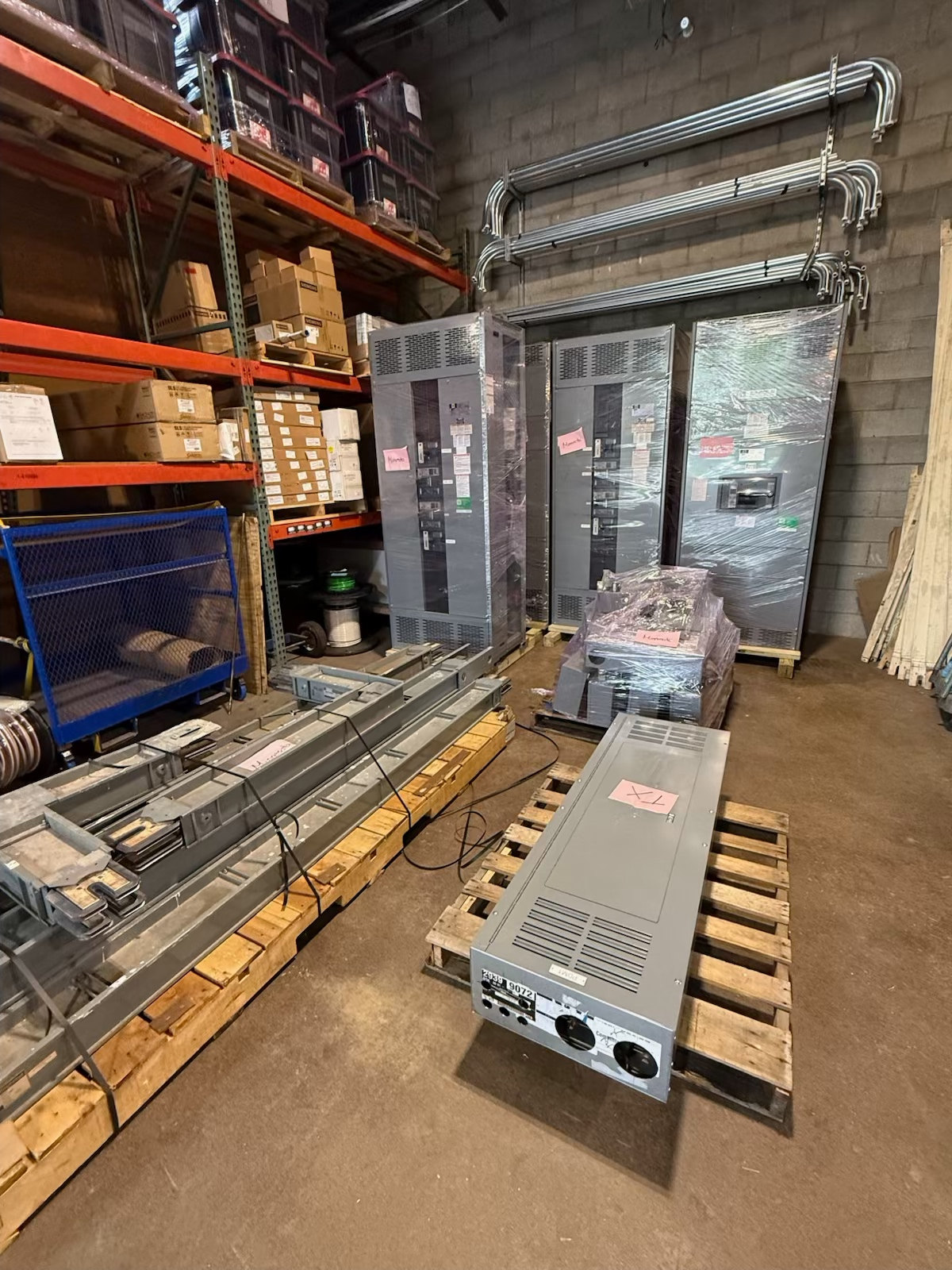
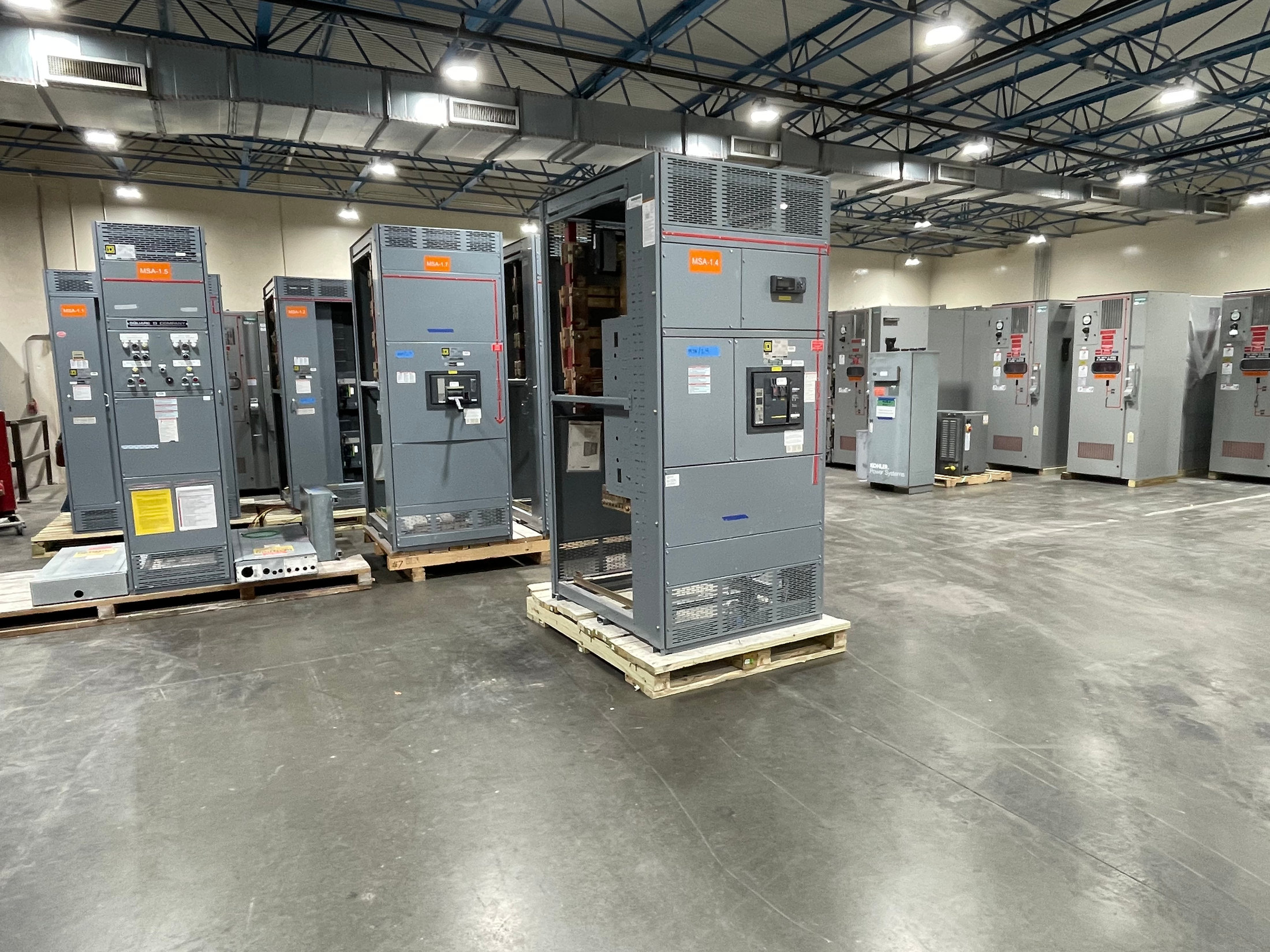
We buy used, surplus, and decommissioned electrical distribution equipment in Pennsylvania, including switchgear from data centers. We consider equipment according to its condition, scope, availability, and other sale details; an offer is not assured for every item. A migration-focused sale can be discussed around the equipment the owner is prepared to release, rather than treating the entire facility as one sale. This is different from a broad decommissioning decision: the central question is how to coordinate a possible sale with a changing operational schedule.
Which equipment can be released, and when?
Can you identify the equipment that is approved for release, and the date or milestone when the owner expects it to become available? Those dates may differ across assets. A buyer conversation can account for separate release windows, so equipment that is not yet available need not be presented as immediately ready for pickup. The owner remains responsible for establishing what is authorized for sale and when access can be arranged.
Is there a clear boundary between equipment included in a potential sale and equipment that must remain with the facility? A written inventory or scope description can help identify the proposed group, while noting items with later release dates or unresolved ownership decisions. The scope can evolve as the migration proceeds, but any change should be discussed and agreed upon rather than assumed. This makes it easier to assess a defined group without treating tentative plans as a final site status.
How do migration dependencies affect a sale?
Does a proposed release depend on another migration activity, an internal approval, or a decision to retain equipment as a contingency? These dependencies matter because a possible sale date is not necessarily the same as the date an asset is available to a buyer. Sharing the known sequence and the unresolved points helps both sides discuss timing in practical terms. It also helps avoid planning pickup around an assumed milestone that the owner has not confirmed.
If an asset’s availability depends on a later decision, keep that status distinct from equipment cleared for sale. The buyer can consider the scope that is currently available and discuss other items when their status changes. This approach is useful when migration plans shift or when different portions of the facility proceed on separate schedules. It does not require the seller to characterize the whole facility as finished; it requires a mutually understood scope and a confirmed arrangement for the items actually being sold.
What should the inventory and scope describe?
What can you identify about the equipment already included in the proposed sale? Useful information may include the equipment type, quantity, general condition, and whether the items are used, surplus, or decommissioned. For switchgear, voltage class can help describe the scope; we buy across all voltage classes. Share information that is available to you, and distinguish confirmed details from estimates or items that remain subject to a migration decision.
An inventory does not have to turn into a technical inspection. We do not require seller testing, and sellers should not test equipment for a sale. Photos or labels are optional, and should be shared only when already safely accessible to the owner. A description of scope, release timing, and access constraints can support an initial discussion without asking anyone to open, energize, disconnect, dismantle, or physically handle equipment for that purpose.
How can change control keep the scope aligned?
Who can confirm changes to the equipment list, release dates, or access arrangements? During migration, those details can change as decisions are made. Keeping a clear point of owner authorization and confirming revisions with the buyer helps prevent an outdated inventory or schedule from being treated as current. If the sale scope changes, the parties can discuss whether the revised group and timing still work before relying on the prior arrangement.
Change control also helps separate commercial decisions from migration operations. The owner decides which assets may be sold and controls site access; the buyer and seller can then coordinate the agreed transaction and pickup around the owner’s confirmed availability. If an item remains subject to approval or a dependency, identify it as pending rather than including it as a ready asset. Clear status makes a staged discussion more useful and helps avoid implying that a migration milestone, facility shutdown, or equipment release has already occurred.
Should you store equipment or compare it with an offer?
Would continued storage serve a specific migration need, or is the equipment already approved for sale and available on a workable schedule? Storage may preserve the option to decide later, but it also leaves the owner responsible for the asset and its disposition. A buyer discussion offers a way to compare a possible sale against that choice. The relevant comparison depends on the proposed equipment, condition, scope, release timing, access, and agreed pickup plan; it is not a guaranteed valuation of every item.
We make cash offers for equipment we are interested in buying. Payment is made upfront before pickup, and the sale proceeds only when the parties agree on the equipment and terms. Discussing an offer does not require the migration to be complete. You can consider a defined release group while retaining separate decisions for assets that are still needed, awaiting approval, or scheduled to become available later.
How is pickup coordinated around the facility schedule?
What access window can the owner authorize for the agreed equipment, and what conditions should the buyer know before scheduling pickup? The owner controls access and confirms when the items may be released. Once the scope and timing are agreed, we handle cranes, rigging, disconnects, loading, freight, and hauling. This allows the seller to discuss a transaction without taking on those pickup responsibilities as part of the sale arrangement.
For a migration with several release dates, pickup coordination can follow the confirmed availability of each agreed group. The parties should align the equipment included, the authorized access window, and the timing before pickup; changing site plans should be communicated and discussed. No seller testing is needed. A practical first conversation can cover the equipment proposed for sale, its current status, dependencies, and the dates the owner can support, allowing the buyer to consider a cash offer against continued storage and the migration schedule.