Decide What the Sale Includes
For a plastics manufacturing facility in Pennsylvania, the first sale decision is which electrical assets are available to a buyer and which must remain with the property or its next operator. A production machine and the electrical distribution equipment serving it are different assets, even when they occupy the same production area. Before discussing a sale, identify the intended boundary: equipment being sold, equipment retained, and items whose status still requires an ownership decision.
We buy used, surplus and decommissioned electrical distribution equipment. A cash offer depends on the equipment and the terms agreed with the seller; it is not an offer for every item at a facility. Production equipment itself is outside this buying focus. Separating it from distribution assets helps prevent an electrical sale from being treated as a sale of an entire manufacturing line, building system or plant inventory.
Distinguish Distribution Assets from Production Equipment
Plastics manufacturing can involve production machinery alongside electrical distribution serving the facility. The sale discussion should name those categories separately. A machine intended for another buyer may be retained in place, released under a different agreement or scheduled for a separate transaction. Electrical distribution equipment should be considered on its own terms, rather than assumed to transfer automatically with the production equipment it serves.
For example, an owner considering a change in facility use might release selected distribution equipment while retaining machinery, other building property or portions of the electrical system. The relevant question is not whether items were once used together, but whether the seller is authorized to include each electrical asset in this sale. Clear scope gives both parties a basis for discussing the equipment without implying that unrelated production assets are included.
Confirm Ownership and Asset Release
A facility may have more than one interest to resolve before equipment can be sold. The owner or authorized representative should establish which assets belong to the seller, whether any are subject to another party’s rights, and who can approve their release. Equipment retained for continued operations, a future occupant or a separate transaction should be distinguished from assets available for sale.
Asset release also benefits from a clear description of the boundary between sale property and retained property. That boundary can be recorded in the seller’s inventory or sale documents, with the equipment identified sufficiently to distinguish it from adjacent assets. If ownership or release authority is unclear, settle that question before treating the item as available. A discussion about potential sale does not itself establish that an asset has been released.
Build an Inventory Around Available Information
An inventory can focus on electrical distribution equipment the seller is authorized to offer, rather than attempting to describe every machine or item at the facility. Existing records may help identify equipment and distinguish it from production assets or property that will stay. Names, asset references and available descriptions can be useful when they already exist, but a seller need not create technical details that are not known.
Documented nameplates can help identify equipment when they are already safely accessible. Owners control site access, and any photographs or label details are optional; they should be shared only when already safely accessible. A seller should not open equipment, energize it, test it or handle it to gather information for a sale. We do not require seller testing. Information can support a conversation about the offered assets without turning the seller into the equipment inspector.
Plan Releases in Phases
A plastics facility may release assets in stages as production areas, ownership responsibilities or retained property change. A phased sale can make the scope clearer when some electrical distribution equipment is available now and other equipment must remain until a later decision. Each phase should be treated as a defined group of sale assets, not as permission to include equipment that has not been released.
Phasing also calls for coordination around the property boundary and timing of access. The seller identifies what is included in each agreed release and what remains outside it. We coordinate pickup for equipment covered by an agreed purchase; that coordination does not change the seller’s responsibility to establish which assets are authorized for sale. If the available scope changes, the parties can discuss the revised equipment and terms before pickup.
Coordinate Pickup and Site Responsibilities
After the equipment and sale scope are agreed, we handle cranes, rigging, disconnects, loading, freight and hauling. This supports a defined equipment transaction without requiring the seller to arrange those pickup services. The seller controls facility access and identifies the assets released for pickup, including any distinction between sale equipment and retained property.
Payment is made upfront before pickup. The seller should have the equipment and agreed scope identified before pickup coordination proceeds, so the transaction concerns the assets both parties agreed to sell. We do not ask the seller to test equipment. Pickup arrangements apply to the agreed purchase and do not promise that every item in an inventory, production area or facility will receive an offer.
Agree on the Electrical Asset Sale
A useful sale discussion connects the inventory, release authority, retained-property boundary and pickup scope. Where electrical distribution equipment is only part of a broader plastics manufacturing asset plan, keep the separate transactions distinct. That makes it easier to discuss the distribution equipment without implying that production machinery, building property or assets reserved for another use are part of the offer.
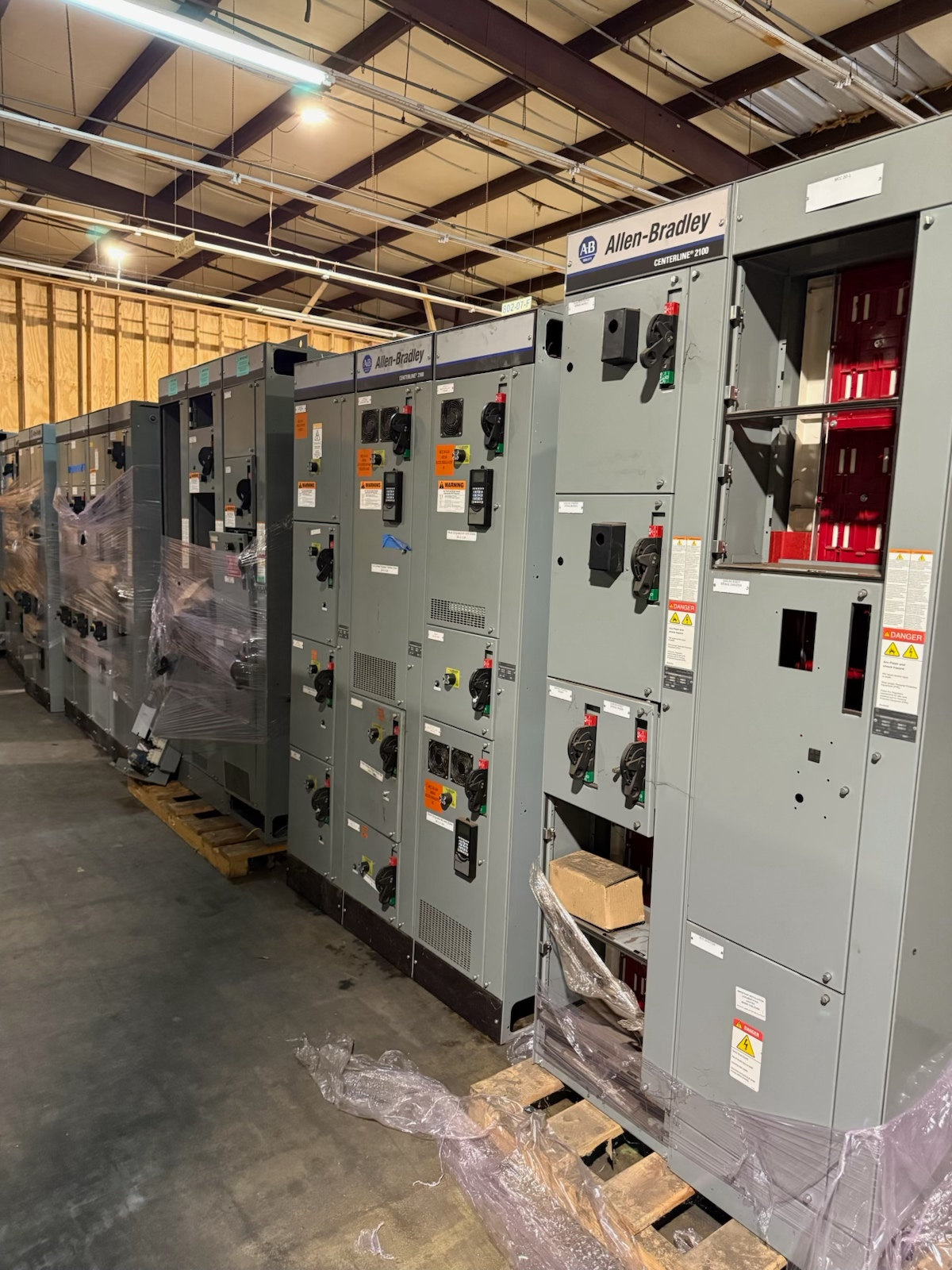
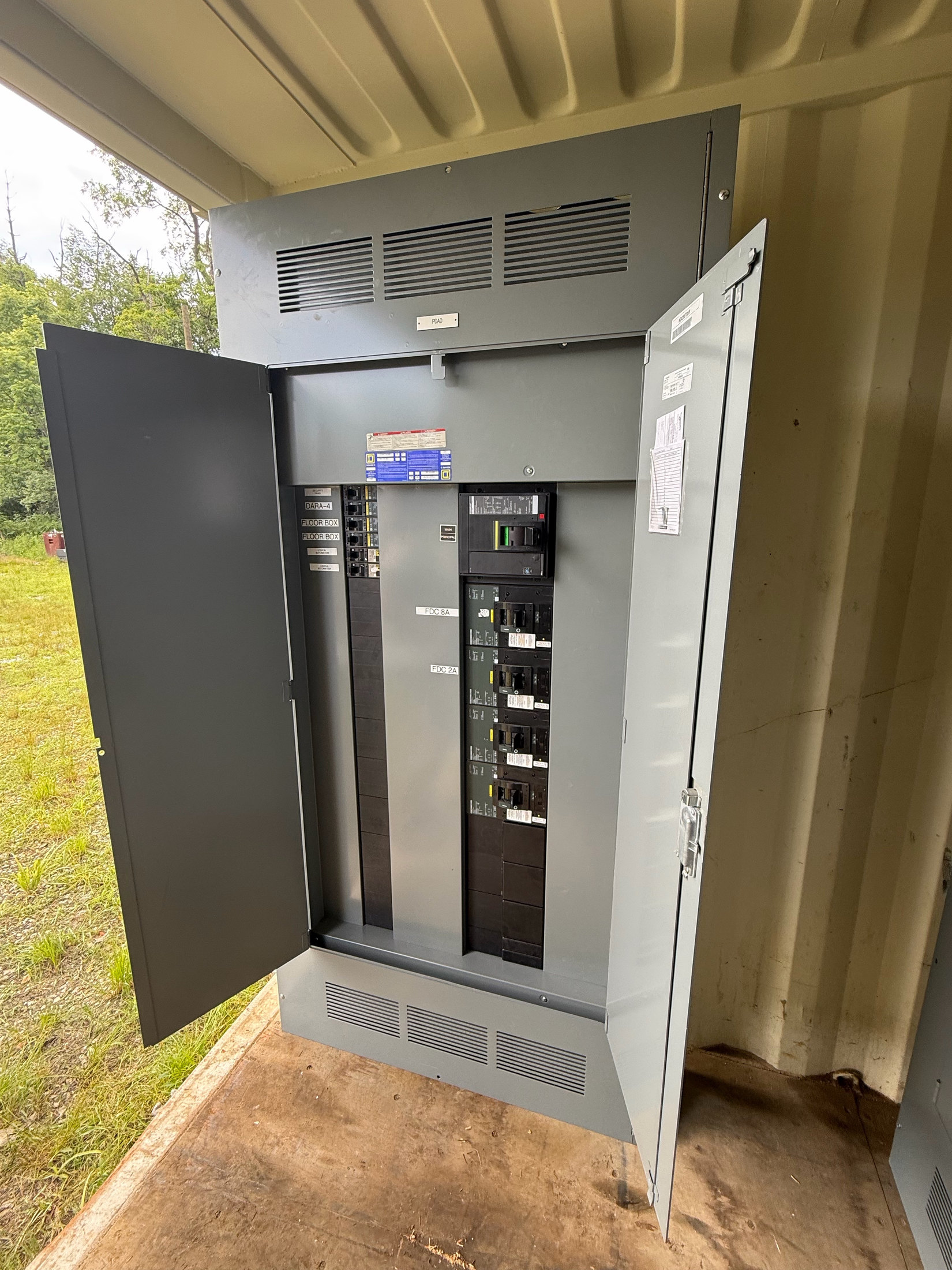
We buy used, surplus and decommissioned electrical distribution equipment, including switchgear from decommissioned data centers and shut-down power plants, across all voltage classes. For a plastics manufacturing facility, any offer still depends on the specific equipment and an agreement between buyer and seller. If the parties agree to a purchase, payment is upfront before pickup, and we handle the cranes, rigging, disconnects, loading, freight and hauling for the agreed equipment.