When a Paper Mill’s Process Shuts Down
A paper mill may stop making product before its electrical distribution assets are ready to leave the site. Production equipment can be idle while owners decide which electrical assets to retain, store, transfer, or sell. That distinction matters: a process shutdown describes operations, while electrical asset disposition concerns the equipment, records, ownership, and access needed for a sale. For a hypothetical mill operator weighing storage against an offer, the first useful question is which distribution equipment has a realistic role in future operations and which assets are unlikely to be reused.
As an independent Pennsylvania buyer, we consider used, surplus, and decommissioned electrical distribution equipment for purchase. We buy switchgear across all voltage classes, including equipment from decommissioned data centers and shut-down power plants. A paper mill’s equipment is evaluated on its own details, not on the fact that production has ended. An offer may be appropriate for some equipment and not others; purchase depends on the equipment and agreement between buyer and seller. Storage can preserve an option, but it also leaves the owner responsible for managing the stored assets. Comparing that responsibility with a cash offer helps frame the disposition decision.
Separate Production Decisions from Asset Scope
A mill’s production areas may close in stages, and electrical assets can serve more than one part of the site. The owner’s intended process shutdown schedule therefore does not, by itself, define what is for sale. Clarify which equipment is available, which remains assigned to retained operations, and whether any assets are being held for a possible restart or transfer. This scope is especially useful when distribution equipment is associated with process lines that are being retired at different times.
For an illustrative ownership circumstance, a company might pause one paper-making area while keeping other operations active. It could consider selling surplus distribution equipment from the paused area while retaining equipment needed elsewhere. That is different from treating the entire mill as one disposal package. Identifying boundaries at the equipment and area level can reduce confusion about what an offer covers and when access may be possible. The seller remains in control of site access and release decisions; buyer coordination can proceed around the owner’s operating and closure plans.
Use MCC and Switchboard Records to Describe Inventory
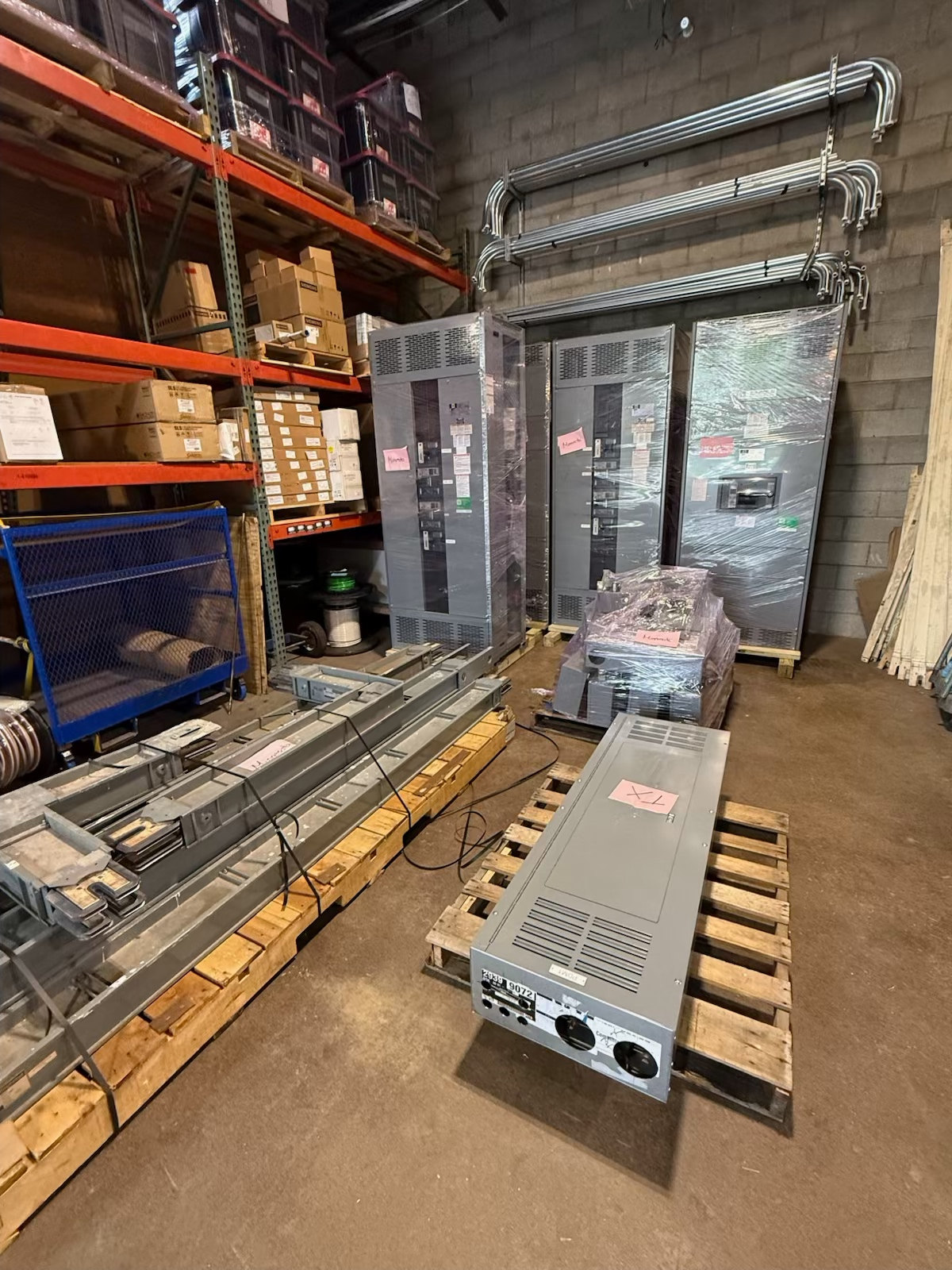
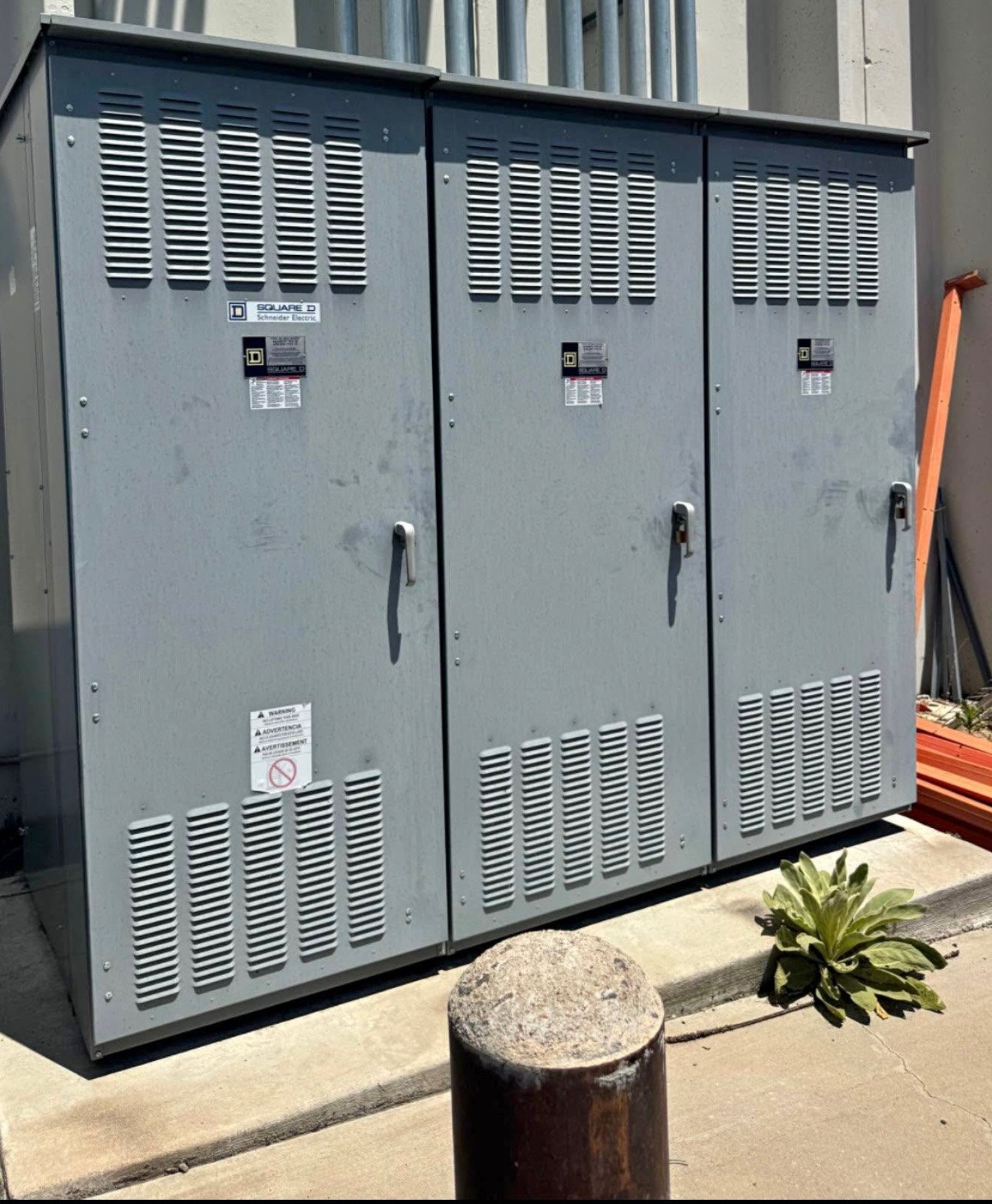
Motor control center and switchboard records can help the owner communicate what equipment is available without relying on assumptions about its use or condition. Existing inventory records, equipment descriptions, and available labels may help identify the items under consideration. Records may also show how the mill grouped equipment by room, process area, or ownership scope. The goal is to establish a clear inventory for review, not to have the seller perform testing or investigate equipment physically.
Share information that is already available and safe to access. Photos and labels are optional; provide them only when they are already safely accessible and without opening equipment or entering restricted areas. We do not require seller testing. A buyer’s consideration depends on the equipment and the parties’ agreement, so available records should describe the actual sale scope rather than imply a condition or capability that has not been established. If the inventory is incomplete, the owner can identify what is known and leave unresolved details for coordination rather than undertaking additional physical work.
Compare the Cost of Storage with a Cash Offer
Keeping equipment in storage may suit an owner who expects a later project, transfer, or reuse. It also means the owner continues to manage space, access, inventory, and the eventual disposition decision. For equipment with no identified future role, comparing those ongoing responsibilities with a purchase offer can make the choice more concrete. A sale is not automatically preferable: the equipment must fit the buyer’s purchasing interest, and the seller must agree to the terms.
We make cash offers for equipment we may purchase. Payment is upfront before pickup, so the owner can consider the agreed payment terms before release and collection are scheduled. An offer is not a promise to buy every item in a mill inventory, and no value should be assumed before the equipment is reviewed and terms are agreed. Owners can compare an offer against their storage plans and decide whether to sell the equipment included in that agreement. Items outside the agreed scope can remain under the owner’s separate disposition plan.
Coordinate Access and Release Around Mill Operations
Paper mill sites can involve operating areas, restricted rooms, staged closures, and separate controls for equipment release. The owner determines who may access the site and when. Before pickup planning, it is useful to clarify the equipment location, release authority, applicable access arrangements, and any timing constraints tied to retained operations or site closure. These are coordination matters, not a request for the seller to prepare equipment physically.
We handle cranes, rigging, disconnects, loading, freight, and hauling for equipment we purchase. The seller does not need to arrange those services as part of our pickup coordination. The owner controls access and release, while the parties align the collection plan with the agreed equipment scope and site arrangements. No seller testing is required. Keeping responsibilities clear is particularly helpful when production shutdown and asset disposition occur on different schedules, or when a mill operator, property owner, and equipment owner have distinct roles.
Define What Is Included Before Pickup
A sale should identify the equipment covered by the agreement, rather than rely on a general reference to a process area or a group of rooms. Existing MCC and switchboard records may help distinguish included assets from items retained for future use. Where the owner has already identified exclusions, note them in the inventory and coordinate them with the release plan. This helps the parties discuss the same equipment when confirming the offer and planning collection.
Equipment can differ in age, configuration, completeness, and condition, so a broad description of a paper mill’s electrical distribution system is not enough to establish that every item is purchasable. Our purchase decision and any cash offer depend on the equipment and the terms the parties agree to. If an inventory changes, the sale scope and offer may need to be discussed again before pickup. The owner should retain control of access and avoid extra handling solely to prepare equipment for review; any optional photos or labels should be limited to material already safely accessible.
Make the Disposition Decision on Agreed Terms
For a hypothetical mill owner, the decision may come down to whether identified surplus equipment is more useful in storage or should be released under an agreed sale. Process shutdown plans, future site use, records, and access all inform that choice, but they do not substitute for a defined equipment scope. A clear comparison considers what the owner intends to retain, what may be offered for purchase, and the responsibilities that continue if equipment stays in place.
If the parties agree on a purchase, payment is made upfront before pickup, and we coordinate the handling and transportation work we provide, including cranes, rigging, disconnects, loading, freight, and hauling. The owner retains authority over site access and release. We buy only equipment that fits our purchasing interest and an agreed sale; there is no automatic purchase of an entire mill inventory. That lets a seller consider a targeted electrical asset disposition without treating the production shutdown itself as a decision to sell everything.