Electrical Equipment Sales During a Foundry Closure
A foundry closure can leave electrical distribution equipment alongside production machinery, process controls, building systems, and stored materials. For an owner planning a sale in Pennsylvania, separating distribution equipment from the wider closure inventory helps define what is being offered and what collection must cover. We buy used, surplus, and decommissioned electrical distribution equipment; an offer depends on the equipment and the information available about the lot.
A foundry’s electrical inventory may reflect both facility-wide power distribution and equipment serving particular production areas. The exact contents, condition, completeness, and ownership of any lot are matters for the owner to establish. A closure does not make every electrical item suitable for purchase, and a sale proceeds only when the owner and buyer agree on the equipment and terms.
Separate Distribution Equipment From Process Equipment
A broad industrial closure may involve many categories of assets, while this sale is centered on electrical distribution equipment. Equipment associated with foundry operations can sit near or serve production processes, but proximity alone does not establish that an item is distribution equipment. Owners can distinguish the electrical lot from furnaces, material-handling assets, process machinery, controls, and other property when preparing an inventory.
That distinction can reduce uncertainty about scope. Identify which items the owner intends to include, which are excluded, and whether distribution equipment is being offered as a defined lot or in groups. Where records use broad terms such as “electrical,” clarify what those terms cover rather than assuming they describe a complete or uniform inventory. The buyer’s review is limited to the equipment presented for consideration.
Inventory Records and Known Details
Existing asset lists, facility records, and purchase or maintenance documents may help describe a foundry’s electrical distribution equipment. Useful information can include the item’s recorded identity, location, quantity, and whether associated parts are included. Records are most helpful when they distinguish the distribution lot from process-specific electrical assets and show where the owner’s proposed sale boundaries fall.
Records may be incomplete, outdated, or organized around operating areas rather than saleable equipment. An inventory should therefore make clear what is documented and what remains unknown, such as completeness, current condition, or whether related components are included. Do not treat a label, record entry, or historical description as proof of present condition. Photos and labels are optional; share them only when already safely accessible.
Voltage Classes and Equipment Scope
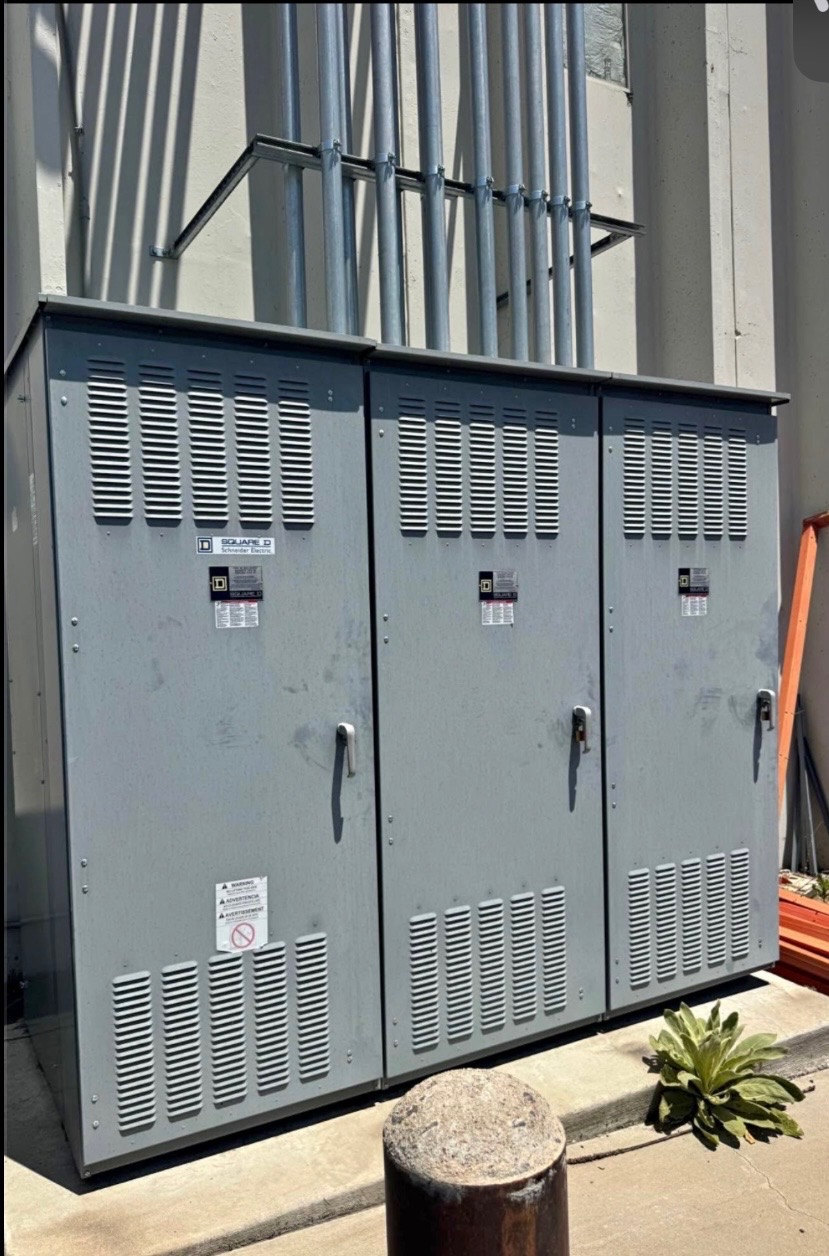
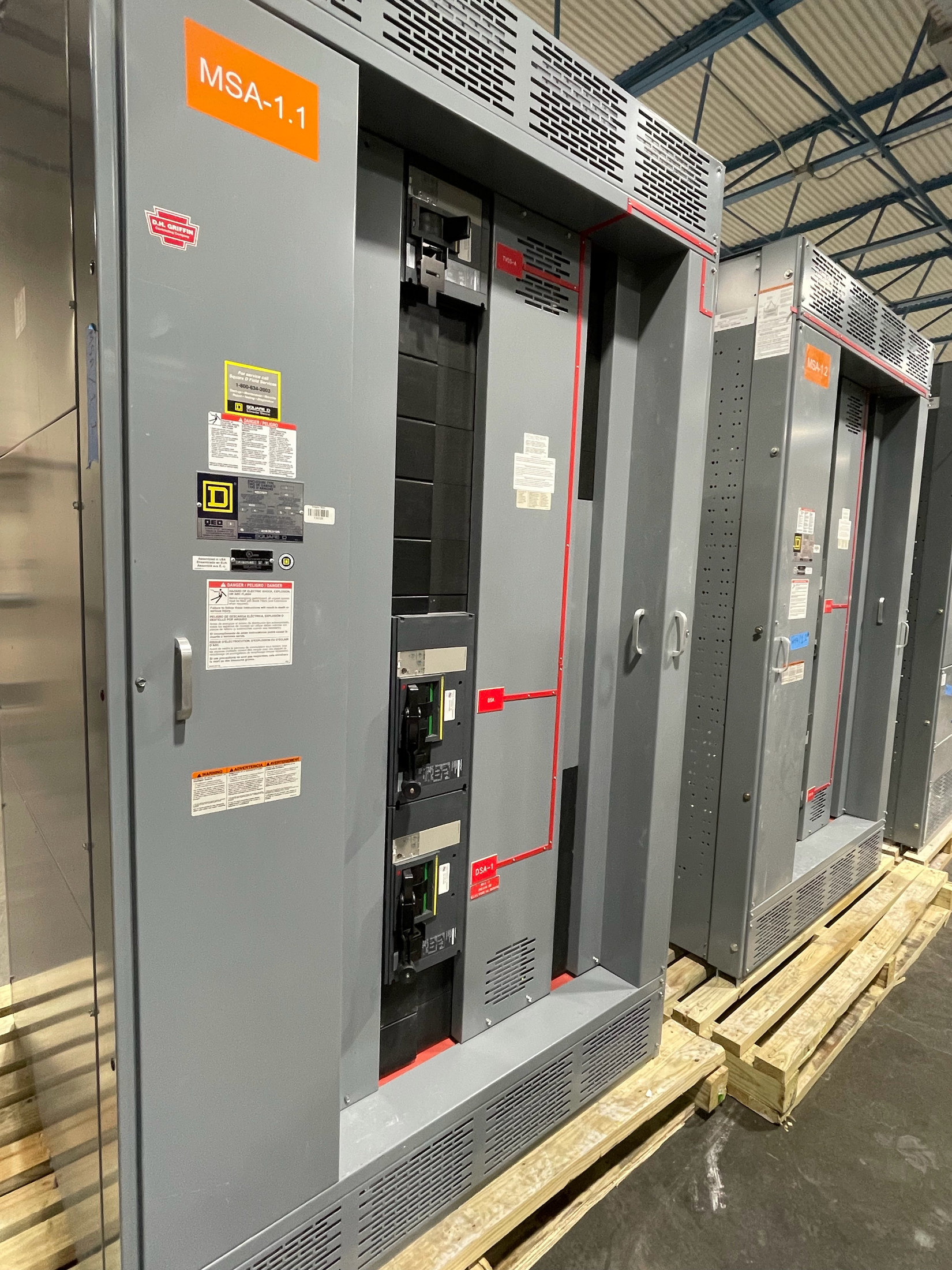
We buy switchgear across all voltage classes, including equipment from decommissioned data centers and shut-down power plants. Foundry closure lots are considered on their own details: the presence of switchgear or other distribution equipment does not establish a particular rating, configuration, condition, or market value. Owners can use existing records to identify stated information without inferring details that the records do not provide.
The overall lot may combine equipment with different histories and purposes. A facility-wide distribution asset and an item dedicated to a production process can require different descriptions and boundaries in the sale. Identify known relationships and included components where records support them. Unknown specifications, missing documentation, or uncertain completeness should remain unresolved in the description rather than being filled in by assumption.
Owner Authority and Sale Boundaries
A closure may involve an owner, an operator, a landlord, lenders, or other parties with responsibilities for facility assets. The person arranging a sale should confirm authority to offer the equipment and define which property is included. Clear boundaries matter when electrical distribution assets remain connected with building infrastructure, process systems, or equipment retained for another purpose.
The owner controls access to the equipment and decides what information can be shared. A proposed sale can identify the intended lot, exclusions, and the party coordinating collection, without requiring the owner to perform technical work. The owner and buyer must agree on the equipment and terms before a purchase proceeds. An inquiry or inventory alone is not a commitment to buy every listed item.
Collection Coordination for a Foundry Lot
Collection planning depends on the agreed equipment, its location, access arrangements, and the owner’s schedule. A foundry can have distinct production and utility areas, so an accurate description of the lot and its location helps coordinate collection without confusing included distribution equipment with surrounding machinery or retained assets. Owners remain in control of site access and any permissions needed for the agreed collection.
We handle cranes, rigging, disconnects, loading, freight, and hauling for equipment we purchase. The owner does not need to arrange those services as part of the sale. We do not require seller testing. Collection is coordinated after the equipment and sale terms are agreed, with the owner controlling access and confirming the boundaries of the property being collected.
Cash Offer and Payment Before Pickup
For equipment we agree to purchase, we make a cash offer and provide payment upfront before pickup. The offer depends on the equipment and the details available for review; not every item or complete closure inventory will receive an offer. Owners can present a defined electrical distribution lot rather than treating the broader foundry shutdown as a single assumed purchase.
Keeping the proposed sale focused on distribution equipment supports a more precise discussion than a general plant-shutdown inventory. Existing records can establish known details, while gaps remain explicit for the owner and buyer to consider. If both parties agree on the equipment and terms, payment is made before pickup and we coordinate the collection services. No sale or collection is assumed until that agreement is reached.