Choose a single-item sale or a mixed lot
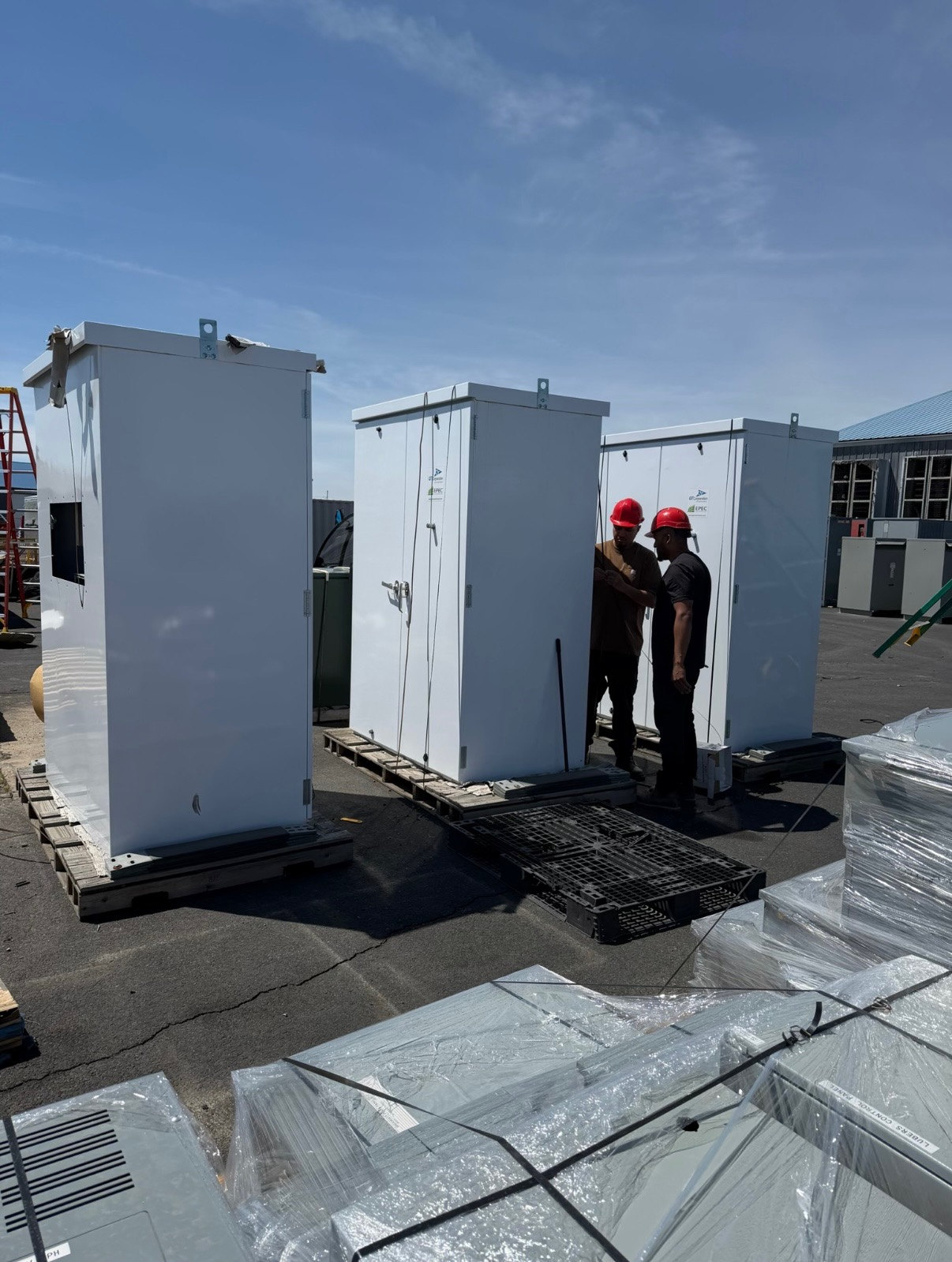
For a Pennsylvania cement plant retiring electrical equipment, the first sale decision is whether to offer one identified item or assemble a mixed lot. A single-item sale can suit a clearly identified piece of switchgear with a distinct ownership record and release plan. A mixed lot can be more practical when several distribution or motor-control assets are retiring together and the seller prefers to coordinate one scope. We buy used, surplus, and decommissioned electrical distribution equipment; a purchase depends on the equipment and agreement between buyer and seller.
The two approaches call for different inventory boundaries. A single item needs a description that separates it from adjacent plant equipment. A mixed lot needs a shared inventory showing which assets are included and which remain under plant control. In either case, we can review equipment information and discuss a cash offer. There is no obligation to include unrelated assets simply to make a lot, and not every item will necessarily be suitable for purchase.
Define the equipment and site boundaries
Cement plant electrical systems sit within a larger operating environment, so a sale scope should distinguish the electrical equipment being offered from surrounding infrastructure, process machinery, building systems, and equipment retained for continued operations. Identify the assets by the seller’s existing inventory descriptions, area or room references, and available labels. Do not treat nearby equipment as included unless the seller intentionally adds it to the proposed scope.
For a single item, record its identity and location in the plant’s existing records. For a mixed lot, group the included equipment by area or release stage while keeping excluded assets clear. Ownership and access remain under the seller’s control. Photos or label details may help clarify an item when they are already safely accessible, but they are optional. No one needs to open equipment or perform additional handling to prepare information for an initial discussion.
Use distribution and motor-control records
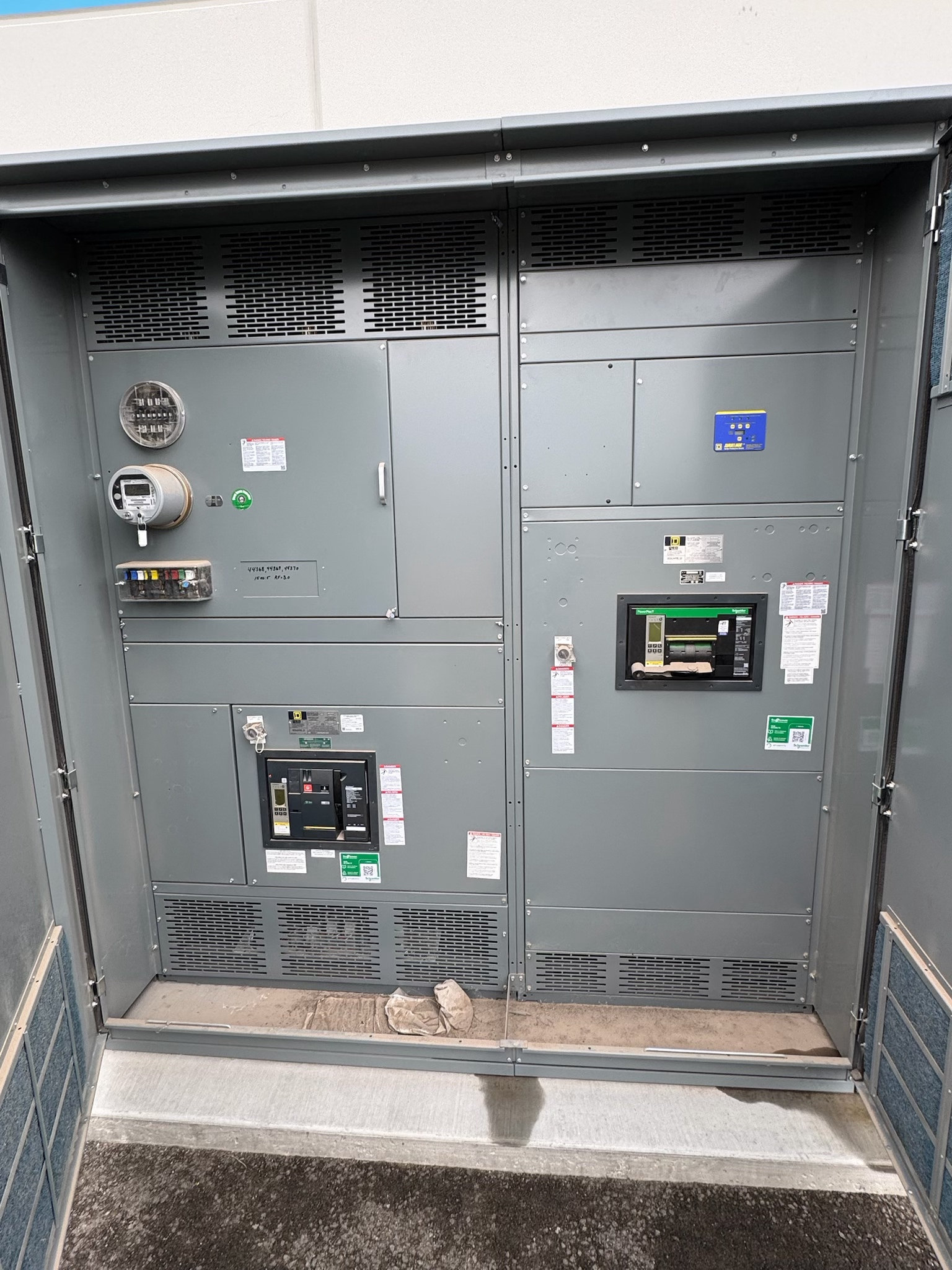
Existing distribution records can help explain what is being offered without requiring new technical work. Useful information may include the seller’s equipment descriptions, available nameplate details, prior inventory references, and records that distinguish distribution switchgear from motor-control equipment. Provide only information the seller already has and can share. We do not require seller testing, and equipment does not need to be energized or tested for a purchase discussion.
For a single-item offer, the records should identify that item and avoid relying on details from neighboring equipment. For a mixed lot, a consolidated inventory can show which records apply to which assets and note any gaps. Exact descriptions matter more than broad labels such as “plant electrical.” We buy switchgear across all voltage classes, including switchgear from decommissioned data centers and shut-down power plants; suitability and any offer depend on the particular equipment and an agreed scope.
Plan staged release around plant control
A cement plant may retire equipment in stages rather than release every area at once. The seller can identify which items are available now, which belong to a later release, and which must remain in place. This is especially important for a mixed lot, where assets in separate areas may have different access conditions or release timing. A staged scope should name the equipment included in each agreed release, rather than assume that all listed plant assets are available together.
For a single item, the seller can coordinate a release around that item’s location and site access requirements. For a lot, an agreed sequence can help align equipment identification, site coordination, and pickup planning. The seller controls access and determines when an area is available. Any proposed purchase, release sequence, and pickup arrangements require agreement; no schedule or offer should be assumed before the equipment and scope are reviewed.
Coordinate site boundaries and pickup logistics
Heavy industrial sites require clear coordination about where the sale begins and where retained plant operations or other contractors’ work take precedence. Before pickup, the seller and buyer can agree on the equipment covered, the site access arrangements, and the boundaries for the work. This is useful whether the sale is one item or a mixed lot, and particularly where equipment is distributed across multiple rooms or operating areas.
We handle cranes, rigging, disconnects, loading, freight, and hauling as part of coordinating an agreed pickup. The seller does not need to arrange those services independently for our purchase. Site access remains subject to the owner’s control and coordination. We do not ask sellers to disconnect, dismantle, move, or physically prepare equipment. The equipment scope and pickup plan should be agreed before release so that the buyer’s work stays within the assets included in the sale.
Agree on payment before pickup
We make cash offers for equipment we are interested in buying. An offer depends on the equipment, the information available, and the agreed sale scope; a proposed inventory is not a promise that every item will be purchased. A single item can be considered on its own, while a mixed lot can be discussed as a defined group. The seller and buyer should confirm exactly which equipment an accepted offer covers before arranging release.
Payment is made upfront before pickup. That timing gives the seller a clear payment point before the equipment leaves the site. Pickup follows the agreed purchase and logistics arrangements, with the seller retaining control of access and release. There is no seller-testing requirement. The practical next step is to share an existing inventory description and identify whether the discussion concerns one item or a mixed lot; any offer and transaction remain subject to agreement.
Prepare a clear sale scope
A concise scope helps prevent confusion between retired switchgear, motor-control equipment, and assets that remain part of the plant. Start with the seller’s existing records, identify the proposed item or lot, and distinguish included equipment from exclusions. Add known release stages and relevant access boundaries where needed. If descriptions are incomplete, note what is known rather than filling gaps with assumptions or conducting additional equipment work.
Once the scope is clear, we can review whether the equipment may fit a purchase and discuss a cash offer. If the parties agree, payment is upfront before pickup, and we handle cranes, rigging, disconnects, loading, freight, and hauling. This approach accommodates both a single-item sale and a mixed-lot retirement while keeping ownership, release decisions, and site access with the seller.