A Hypothetical Automotive Plant Shutdown Starts With Ownership
Imagine an automotive plant preparing to end vehicle production while some buildings, utilities, or other operations remain active. The production line may belong to one company, the facility to another, and electrical distribution assets may be owned or controlled under separate agreements. Before considering a sale, establish who has authority over each item and whether equipment is included in a line sale, a facility transaction, or a shutdown inventory. A buyer can assess equipment for purchase only when the seller has the right to sell it and can coordinate its release.
This distinction is especially important when production stops in stages. One line may be retired while adjacent operations continue, and a building owner may retain electrical equipment serving shared areas. Separate assets by ownership and service scope rather than treating everything inside a closing plant as one lot. We buy used, surplus, and decommissioned electrical distribution equipment, including switchgear from decommissioned data centers and shut-down power plants across all voltage classes. An automotive shutdown is a different setting, but the same focus on ownership, equipment identity, and controlled release applies.
Separate Complete Assemblies From Loose Components
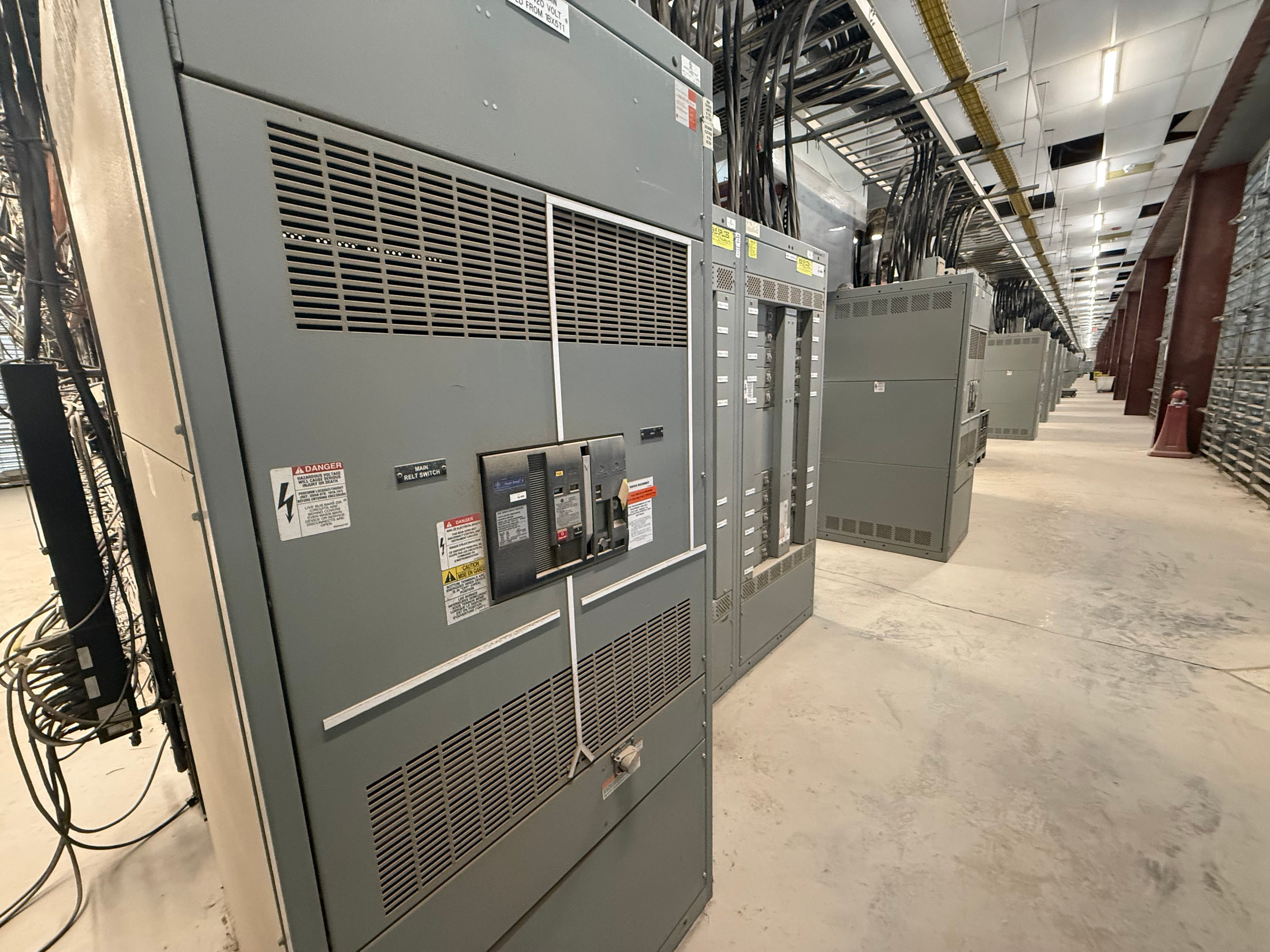
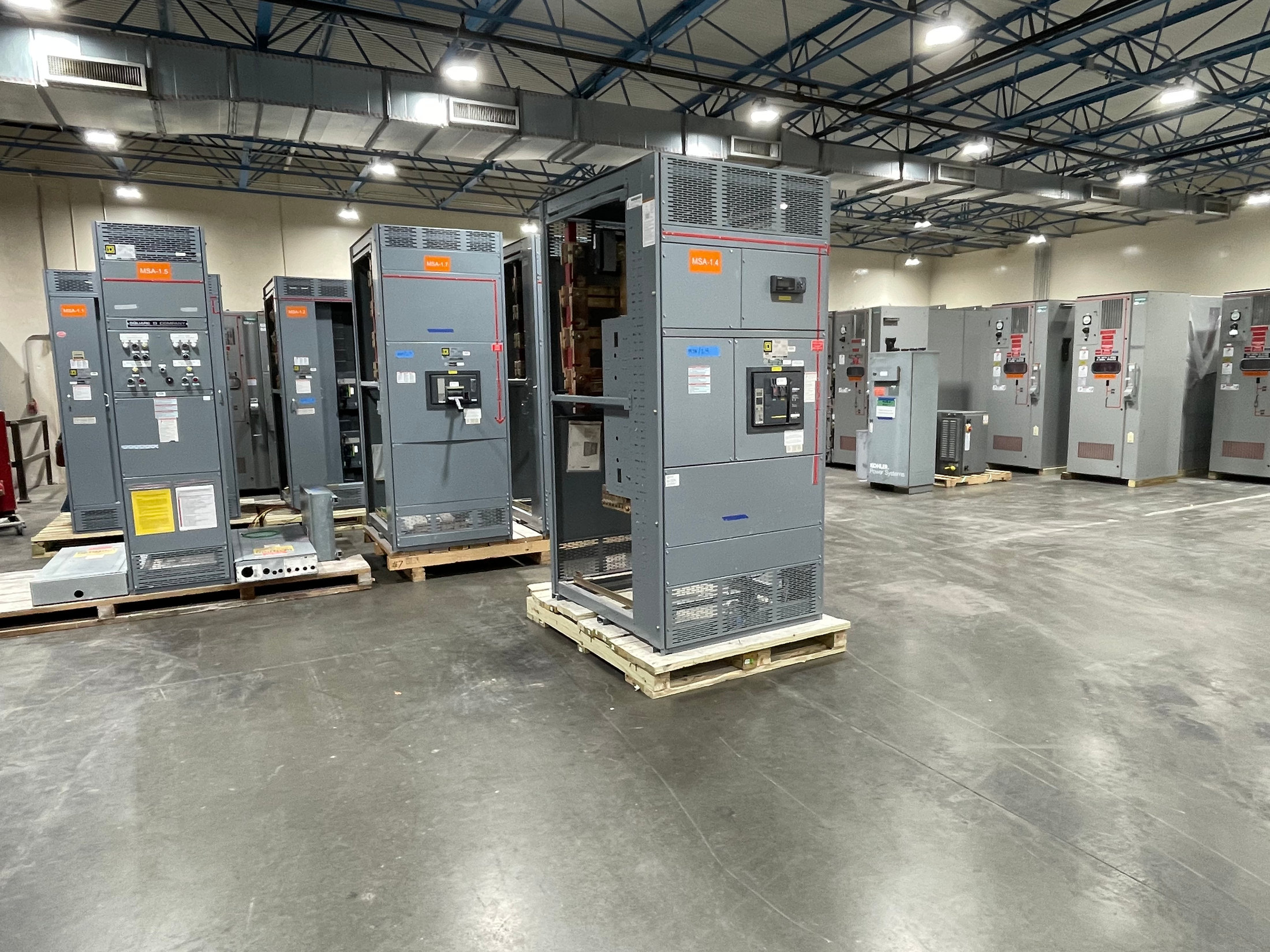
Build the inventory around identifiable assemblies first. Motor control centers, switchgear, and other distribution equipment should be described as assemblies when they are being offered in that form. Record their available identifying information and note whether a unit serves a particular production line, a broader facility area, or a shared electrical distribution function. This context helps distinguish a complete assembly from individual components removed from service or kept as spares.
Loose components should be listed separately rather than folded into an assembly description. A collection of parts does not establish that a complete motor control center or distribution assembly is present, and a component should not be presented as part of an assembly unless ownership and inclusion are clear. Keep line-specific assets, facility-wide equipment, and separately stored components in distinct inventory groups. If labels or photographs are already safely accessible, they can be shared as optional identification aids; no one needs to approach, open, or handle equipment to prepare an initial inventory.
Define Production-Line and Facility Distribution Scope
A plant inventory is easier to review when it shows how each offered group relates to the shutdown boundary. Identify equipment assigned to a production line separately from equipment understood to serve facility distribution or shared operations. Where ownership records or project documents draw a boundary, use that boundary rather than assuming that proximity to a production area determines ownership. If the scope is uncertain, mark the item for owner review before including it in a proposed sale.
For example, a hypothetical automotive operation might retire one production line while a separate site owner retains equipment serving common building loads. The line operator could control some equipment, while the owner or another authorized party controls the wider distribution assets. Those groups need separate seller authority and release coordination. We do not assume that a production-line shutdown makes neighboring or shared equipment available. Clear scope helps prevent an assembly intended to remain with the facility from being mixed with assets offered for purchase, and it keeps loose components from being attributed to the wrong owner or system.
Coordinate a Staggered Shutdown Around Asset Control
Staggered schedules can make an otherwise straightforward inventory difficult to release. A seller may be authorized to transfer a group of assemblies only after a production area is cleared, while another group remains under facility control. Set out which party controls each asset, who can approve its sale, and when the authorized owner can make it available for pickup. A schedule is useful only when it reflects actual authority and access arrangements; it should not imply that equipment can be collected while another party still controls the area.
For a potential purchase, organize the discussion by releasable groups rather than by a single assumed plant-wide date. Identify any assets that are part of a production-line transaction, any distribution equipment retained by the facility owner, and any loose components with separate ownership. We can consider an offer based on the equipment and the circumstances; an offer is not guaranteed for every item. Our purchase terms are cash offers, with payment upfront before pickup. The seller retains control of site access and coordinates with the parties responsible for the equipment and the premises.
Prepare Useful Inventory Information Without Handling Equipment
A concise inventory can state the equipment type, whether it is an assembly or a loose component, its known owner, its production-line or facility role, and its current sale status. Include only information already available to the authorized seller. Existing records and safely accessible labels or photographs may help identify items, but they are optional. Do not open, energize, test, disconnect, dismantle, or physically handle equipment to gather information for us. We do not require seller testing.
Where ownership or inclusion is unresolved, keep that item separate from equipment clearly authorized for sale. A description such as “production-line assembly, ownership confirmed” is more useful than a broad count that combines several owners or scope areas. Likewise, identify components as loose items rather than implying they remain installed in, or belong to, a particular assembly. This approach supports a focused review without asking site personnel to perform technical work or disturb equipment. The buyer’s interest depends on the equipment and sale circumstances, so accurate separation is more useful than overstating completeness or availability.
Plan Pickup Responsibilities Before Release
Once a purchase is agreed, pickup planning should follow the seller’s approved release schedule and the site owner’s access arrangements. We handle cranes, rigging, disconnects, loading, freight, and hauling. The seller does not need to arrange those services as part of the sale. Payment is made upfront before pickup, so the transaction terms are clear before equipment is collected. The seller or authorized site representative remains responsible for controlling access and confirming which assets may be released.
A staged plant closure may require separate coordination for line equipment and facility distribution assemblies, particularly when different owners or operating schedules apply. Keep the agreed sale scope tied to the items the seller is authorized to transfer. Do not treat nearby loose components as included unless they are part of the agreement, and do not release equipment that another party controls. Pickup timing and the equipment included depend on the agreement and the circumstances; neither a plant-wide shutdown nor an initial inventory guarantees a purchase of every listed item.
Keep the Sale Scope Clear Through Final Agreement
A well-defined transaction connects three things: the owner’s authority, the equipment being offered, and the group that can be released under the shutdown schedule. For an automotive operation, that may mean a distinct group of production-line motor control centers, a separate group of facility distribution equipment, and a separately identified set of loose components. The seller can then review what is included with the relevant owner or asset controller before agreeing to a sale. This avoids relying on assumptions about whether a line operator, facility owner, or other party controls a particular assembly.
We buy used, surplus, and decommissioned electrical distribution equipment, but each potential purchase depends on the equipment and the terms agreed with the authorized seller. Cash offers and upfront payment before pickup are part of our buying process; there is no seller testing requirement. We manage cranes, rigging, disconnects, loading, freight, and hauling for the agreed equipment. When ownership, assembly boundaries, and staggered release plans are clear, the discussion can stay focused on assets that are actually available for sale rather than on the plant shutdown in general.