Decide What Can Be Released for Sale
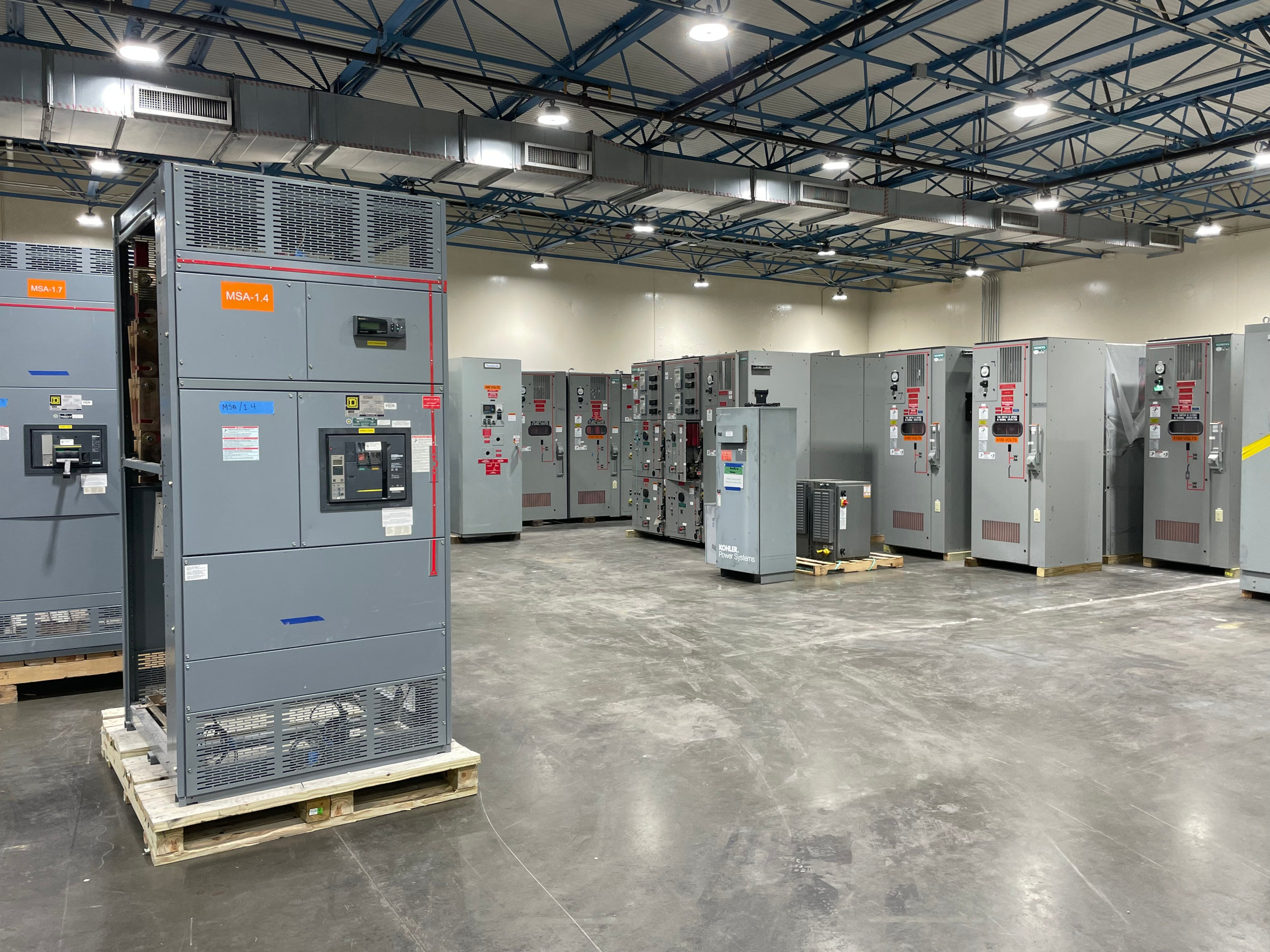
A partial closure calls for a clear decision about which electrical assets are retired, which remain in service, and who can authorize their release. We buy used, surplus, and decommissioned electrical distribution equipment in Pennsylvania, including switchgear from industrial facilities. We make cash offers for equipment that fits our purchasing needs; an offer is not guaranteed for every item, and any sale depends on the equipment and agreement with the seller.
Before discussing an equipment sale, establish the boundary between the retired production area and ongoing operations. Identify the specific equipment the business is authorized to sell and the sections it must retain. If production plans, ownership, or release authority are still unsettled, resolve those matters before representing assets as available. This keeps the conversation focused on equipment the seller can actually release, rather than on an entire facility or systems that continue to support operations.
Reconcile Inventory to the Closure Boundary
Compare available asset records with the equipment assigned to the retired area. The purpose is to create a usable account of what may be offered, not to make a technical assessment. Existing descriptions, asset identifiers, location references, and records of ownership can help distinguish equipment slated for sale from items reserved for continuing operations. Note gaps or uncertain ownership directly so they can be resolved by the people responsible for the plant’s records and assets.
A reconciled inventory should also reflect the limits of the sale. Separate equipment in the approved release area from assets in adjacent or shared sections, and avoid grouping retained equipment into a broader lot simply because it appears on the same record. If a description is incomplete, the seller can provide what is already documented. Photos or labels are optional and should be shared only when already safely accessible; they are not a reason to enter restricted areas or handle equipment.
Define the Specific Sections Being Released
Describe the sale boundary in terms the seller’s operations and asset teams can both recognize: the retired production area, the particular sections approved for release, and any retained area that must stay outside the transaction. Where records use different names for a location or asset, reconcile those references before presenting the inventory. Clear boundaries matter when a partial closure leaves other production, distribution, or site functions active.
The release scope should distinguish sale authorization from physical access. Naming a section as available for sale does not itself authorize entry, nor does it transfer control of the facility. The owner or its authorized representative controls access and determines which parties may enter, when access is permitted, and what boundaries apply. We coordinate around those owner-defined conditions and the agreed equipment scope; the seller retains control of the site and its operating decisions.
Coordinate With Ongoing Operations
A partial closure can leave production schedules, shared areas, and retained equipment in place alongside assets approved for sale. Identify the owner’s contact for operations and the person authorized to approve the transaction, especially when those responsibilities belong to different teams. They can establish access arrangements and confirm that the equipment under discussion matches the release decision. We do not rely on an assumption that a closed production area is unoccupied or available.
Keep coordination centered on the agreed scope and owner-controlled access. If the business changes its closure plan, revises a boundary, or identifies an asset as necessary to ongoing operations, update the inventory and sale discussion before proceeding. This prevents a preliminary asset list from being mistaken for final authorization and gives both sides a consistent understanding of which equipment is being considered.
Discuss Equipment Without Requiring Seller Testing
We do not require seller testing. A seller can describe equipment using information already available in existing records and can identify known uncertainties without conducting tests or making new technical claims. We buy electrical distribution equipment across all voltage classes, including used, surplus, and decommissioned switchgear. A particular item or group may or may not fit our purchasing needs, so any cash offer depends on the equipment and the terms both parties agree to.
Do not treat the inventory discussion as a request to energize, open, dismantle, disconnect, or otherwise handle equipment for inspection. Owners control access, and any photos or labels provided should be limited to material already safely accessible. The sale conversation can proceed from the seller’s existing descriptions and agreed scope. If a record does not establish a detail, it is better to leave it unresolved than to infer a specification or represent an assumption as confirmed.
Agree on Payment and Pickup Responsibilities
If we make an offer and the seller accepts it, payment is made upfront before pickup. The agreed payment and equipment scope should be clear before the scheduled collection begins. This gives the seller a straightforward point to confirm that the transaction covers the released equipment and that payment timing matches the agreement. No seller testing is required as a condition of discussing equipment for sale.
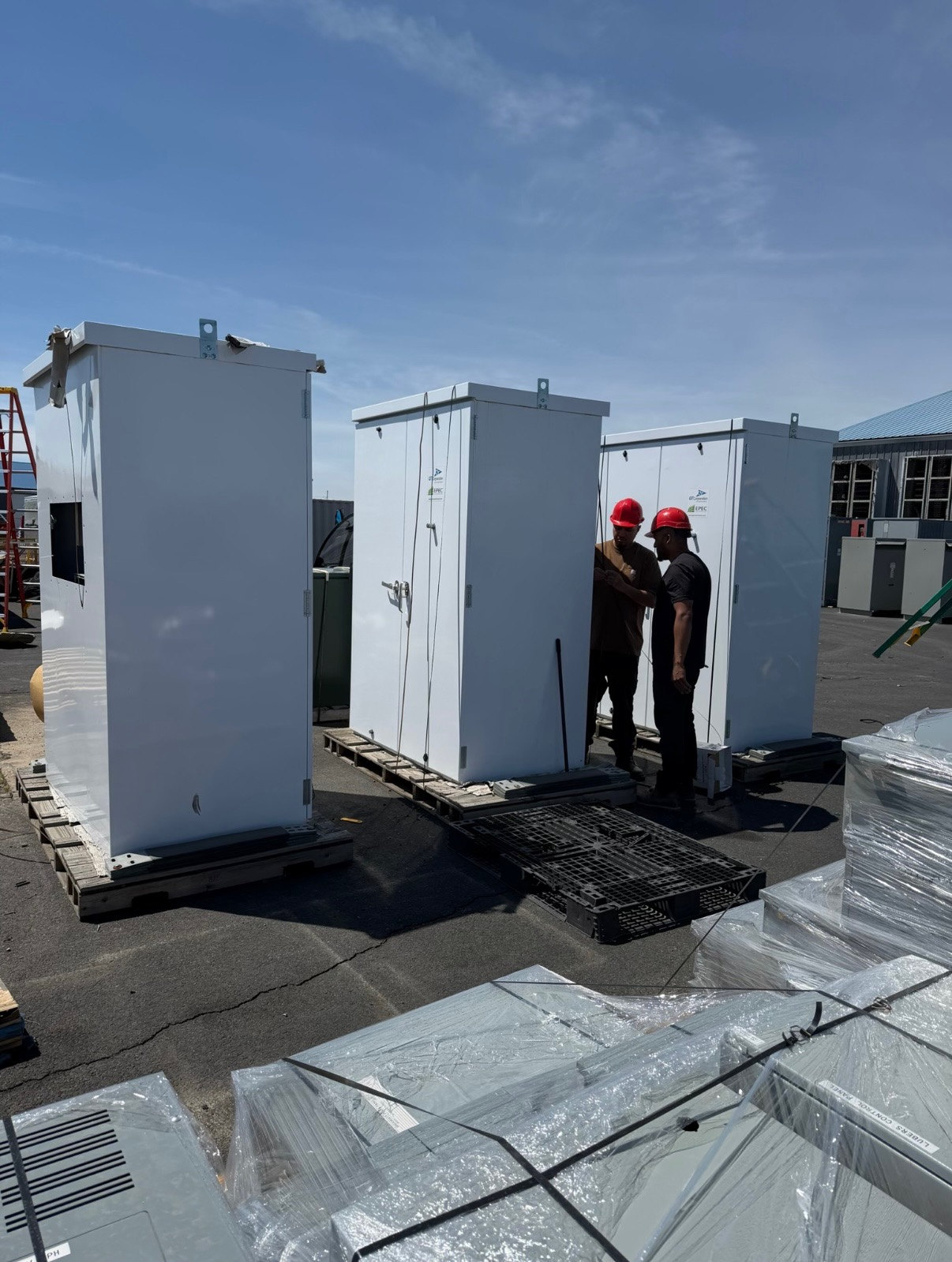
We handle cranes, rigging, disconnects, loading, freight, and hauling for an agreed purchase. Those responsibilities do not authorize access by themselves: the owner remains in control of entry and must approve access under the facility’s requirements. Coordinate the agreed equipment boundary and owner-approved access so collection is directed to the assets included in the sale, without treating retained sections as part of the pickup.
Document the Handoff and Preserve the Boundary
A useful handoff record connects the accepted sale scope to the inventory and the specific sections approved for release. The seller’s authorized representative can confirm which assets are included, which remain with the business, and who may approve access for the agreed collection. Consistent descriptions reduce the risk of confusing retired production equipment with equipment that remains in operation or is otherwise reserved.
Keep the final handoff tied to the parties’ agreement rather than to an outdated closure draft or an unverified inventory assumption. If scope or authorization changes, reconcile that change before pickup. For a Pennsylvania industrial plant with a partial closure, this approach makes the transaction more manageable: the business can consider a sale of eligible retired equipment while retaining control of ongoing operations, site access, and the assets it has not released.