Start With an Ownership-Based Inventory
A metal fabrication plant can contain electrical equipment serving production machinery alongside equipment serving the building. Before discussing a sale, identify which assets the owner is authorized to sell and define the boundaries of the proposed lot. The production side may include equipment associated with fabrication lines, machine groups, or dedicated production areas. Building distribution assets serve broader facility needs. Their location near a machine does not, by itself, establish who owns them or whether they belong in the sale.
Build the inventory around identifiable items and their ownership, not a general description such as “plant electrical.” Where records are available, use existing asset lists, purchase records, maintenance records, or facility documents to distinguish company-owned assets from leased, customer-owned, or otherwise restricted property. Grouping equipment by area and function can make scope easier to review, but do not assume that every item in an area has the same owner. The equipment offered must match the seller’s authority and the agreed lot boundaries.
Separate Machine-Associated Assets From Building Distribution
Equipment attached to or dedicated to production machinery may be treated differently from building distribution equipment. For example, an inventory might identify assets by production cell, machine group, or designated process area, while listing building distribution assets separately by the facility area they serve. These labels describe the inventory’s organization; they do not establish technical characteristics or determine whether an item is included in a sale. Confirm the owner’s intended scope for each group before requesting an offer.
Pay particular attention to assets that serve more than one purpose or area. A distribution asset located near production equipment could support broader building operations, while an asset associated with a machine group could be subject to a separate ownership arrangement. If available records do not settle the distinction, mark the item for clarification rather than assigning it to a lot by assumption. A clear separation helps prevent a sale from unintentionally including equipment outside the seller’s authority or omitting assets the owner intended to offer.
Define Lot Boundaries and Exclusions
Set out what the proposed sale includes and excludes in terms an owner, buyer, and any facility representatives can understand. Boundaries may follow an asset schedule, an identified production area, or a defined group of building distribution equipment. State whether the offering is limited to listed assets or includes an agreed broader group. If adjacent items are excluded, identify them in the inventory or scope description so they are not mistaken for part of the lot.
Do not treat equipment as included merely because it is nearby, connected in the facility’s records, or shown in the same general area. Ownership, contractual rights, and the parties’ agreed scope govern what can be sold. Keep unresolved items outside the proposed lot until the authorized owner confirms their status. This is especially useful when production machinery, building systems, and equipment under separate agreements occupy overlapping areas. A written scope gives the buyer a defined group to consider and gives the seller a basis for coordinating the transaction.
Prepare Useful Inventory Information
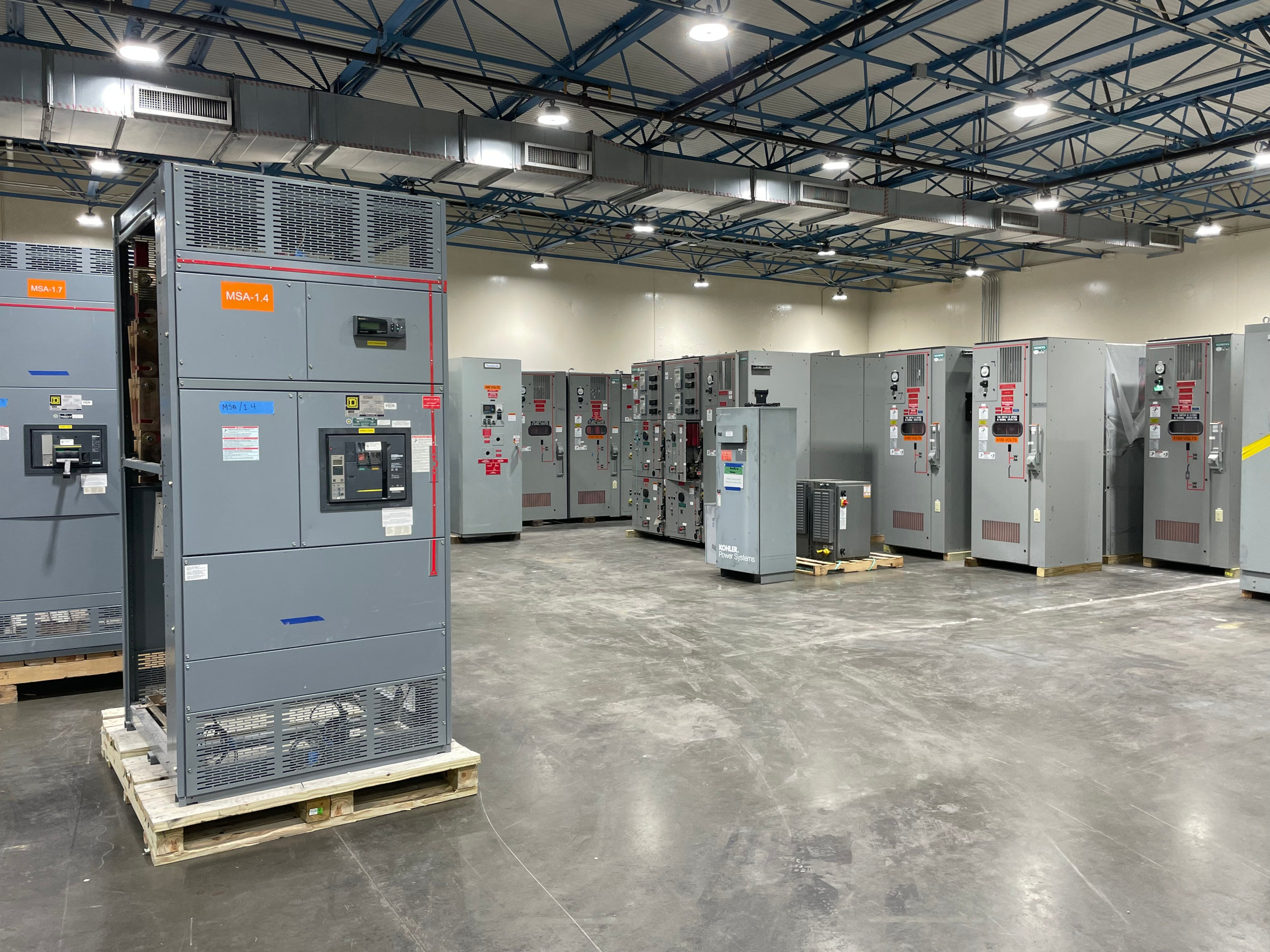
A practical inventory identifies each offered asset as clearly as the owner can from existing records. Useful details may include an asset identifier, general equipment type, known service area, ownership notes, and whether the item is being offered alone or as part of a defined lot. Existing descriptions and records can help distinguish production-related equipment from building distribution assets without relying on assumptions based on location. Include known exclusions or unresolved ownership questions alongside the relevant entries.
Photos and equipment labels are optional and should only be provided when already safely accessible. No one needs to test equipment or make it accessible for a buyer’s review. A buyer can consider the information the owner already has and discuss whether the identified assets fit a potential purchase. Avoid presenting uncertain descriptions as confirmed facts; marking a detail as unknown is more useful than guessing. Inventory quality supports a clearer scope discussion, but it does not guarantee that every listed item will receive an offer.
Coordinate a Buyer Review Around the Agreed Scope
Once ownership and lot boundaries are established, share the inventory and explain how production-associated assets differ from building distribution assets in the proposed sale. Note any items the owner is still resolving, and identify exclusions plainly. This lets a buyer assess the equipment and the proposed grouping without treating the entire facility’s electrical inventory as a single undifferentiated lot. Offers depend on the equipment and the terms the parties can agree on.
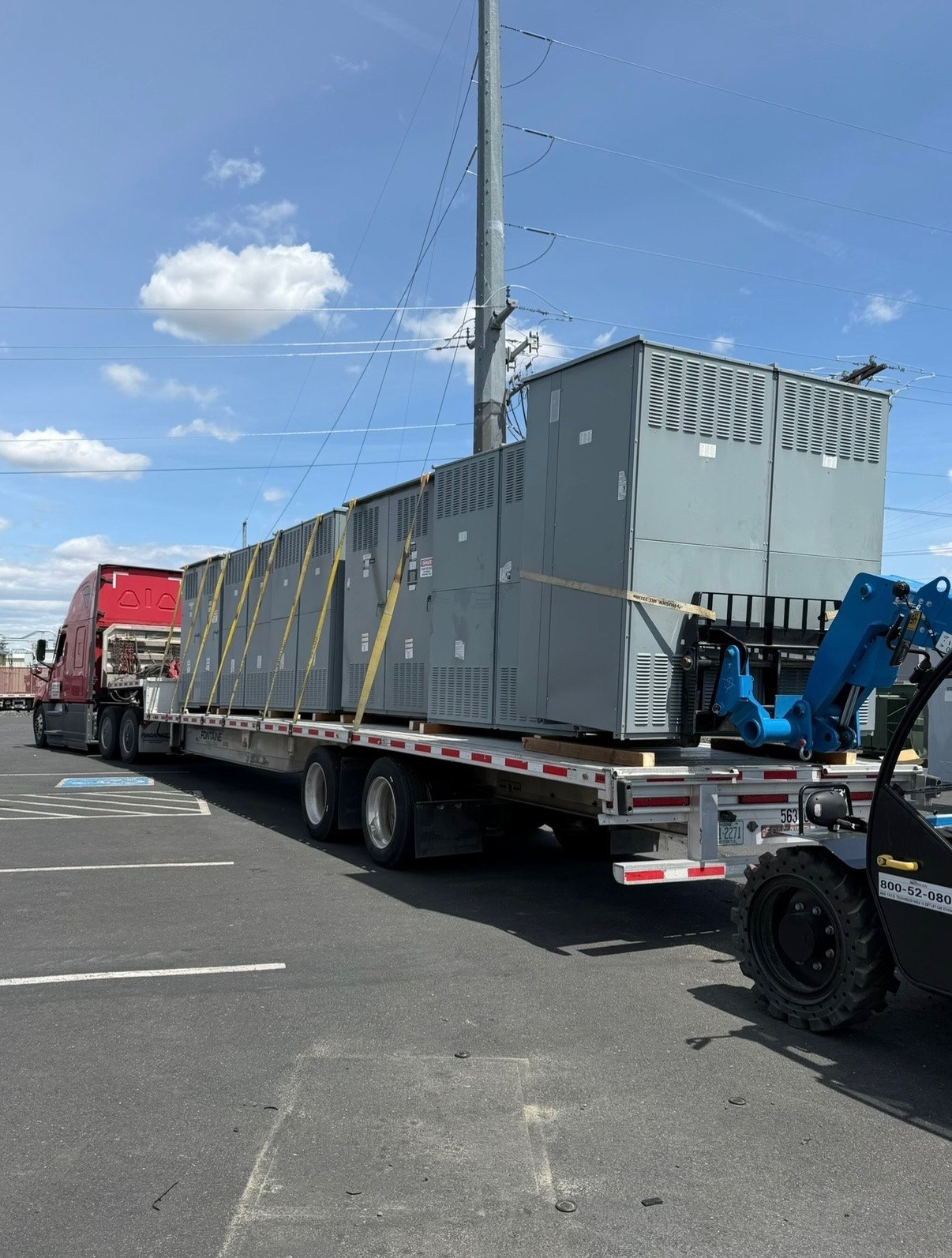
For a potential purchase, we buy used, surplus, and decommissioned electrical distribution equipment, including switchgear across all voltage classes. We provide cash offers when the equipment is a fit and the terms are agreed. Payment is made upfront before pickup. The seller does not test equipment for us. We handle cranes, rigging, disconnects, loading, freight, and hauling as part of coordinating an agreed purchase. These arrangements apply to the equipment and scope covered by the agreement; they do not expand the seller’s authority or change lot boundaries.
Keep Access and Facility Responsibilities Clear
The owner controls site access and determines who may enter or view the equipment. Coordinate any buyer review through the authorized facility representative, particularly where production areas, shared building systems, or property subject to separate ownership arrangements are involved. The inventory and agreed scope should identify what is being considered for sale; access decisions remain with the owner. Do not make equipment available for review by changing its condition or carrying out work for a prospective buyer.
Pickup planning follows the agreed purchase and the owner’s access requirements. We coordinate cranes, rigging, disconnects, loading, freight, and hauling for equipment we buy, with payment upfront before pickup. The seller is not asked to test, energize, open, dismantle, or physically handle equipment for our evaluation. Keeping the ownership record, lot description, and access coordination aligned helps the parties address production assets and building distribution assets as distinct parts of a metal fabrication plant electrical asset sale.