Decide Whether to Request an Offer
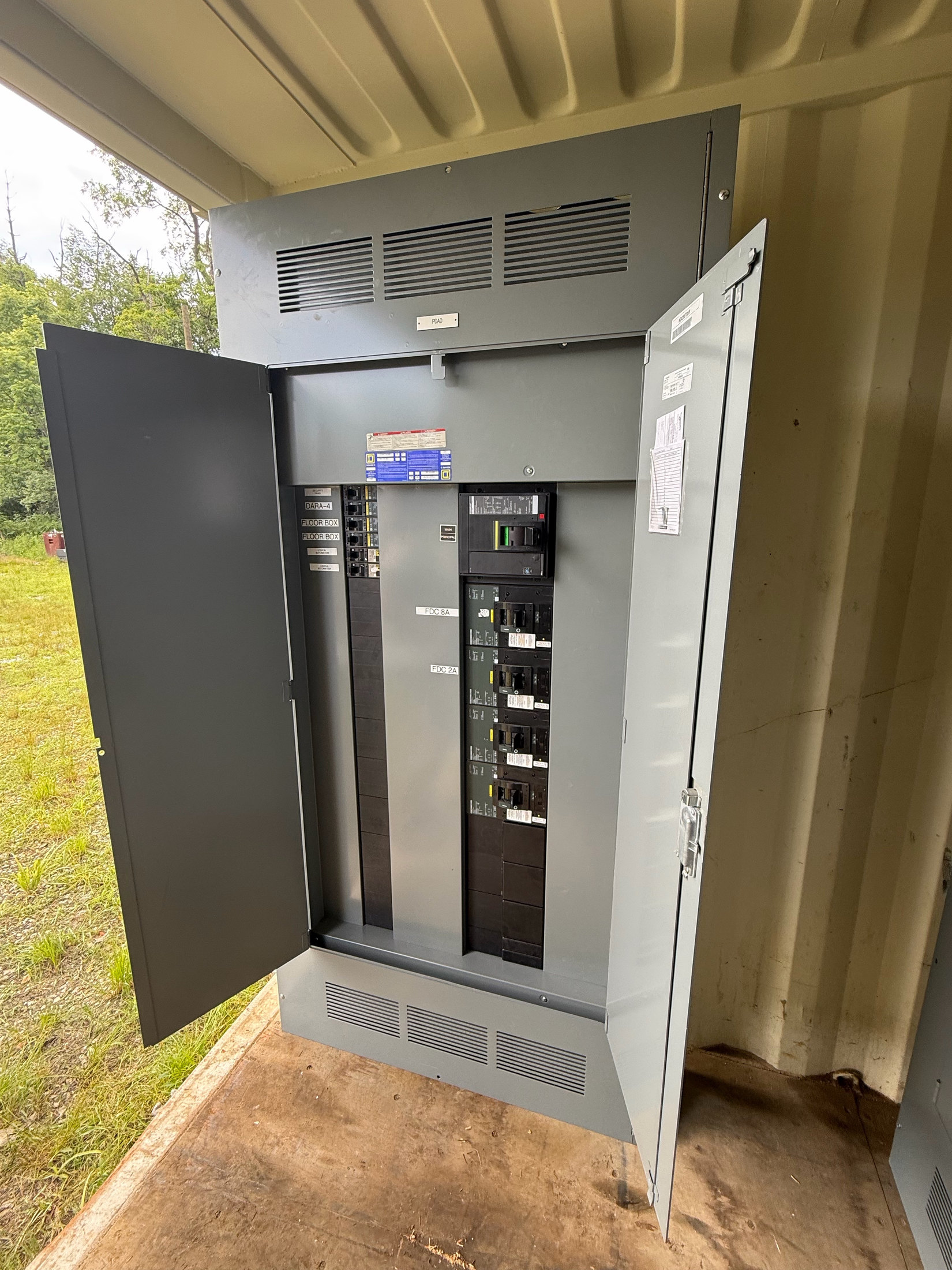
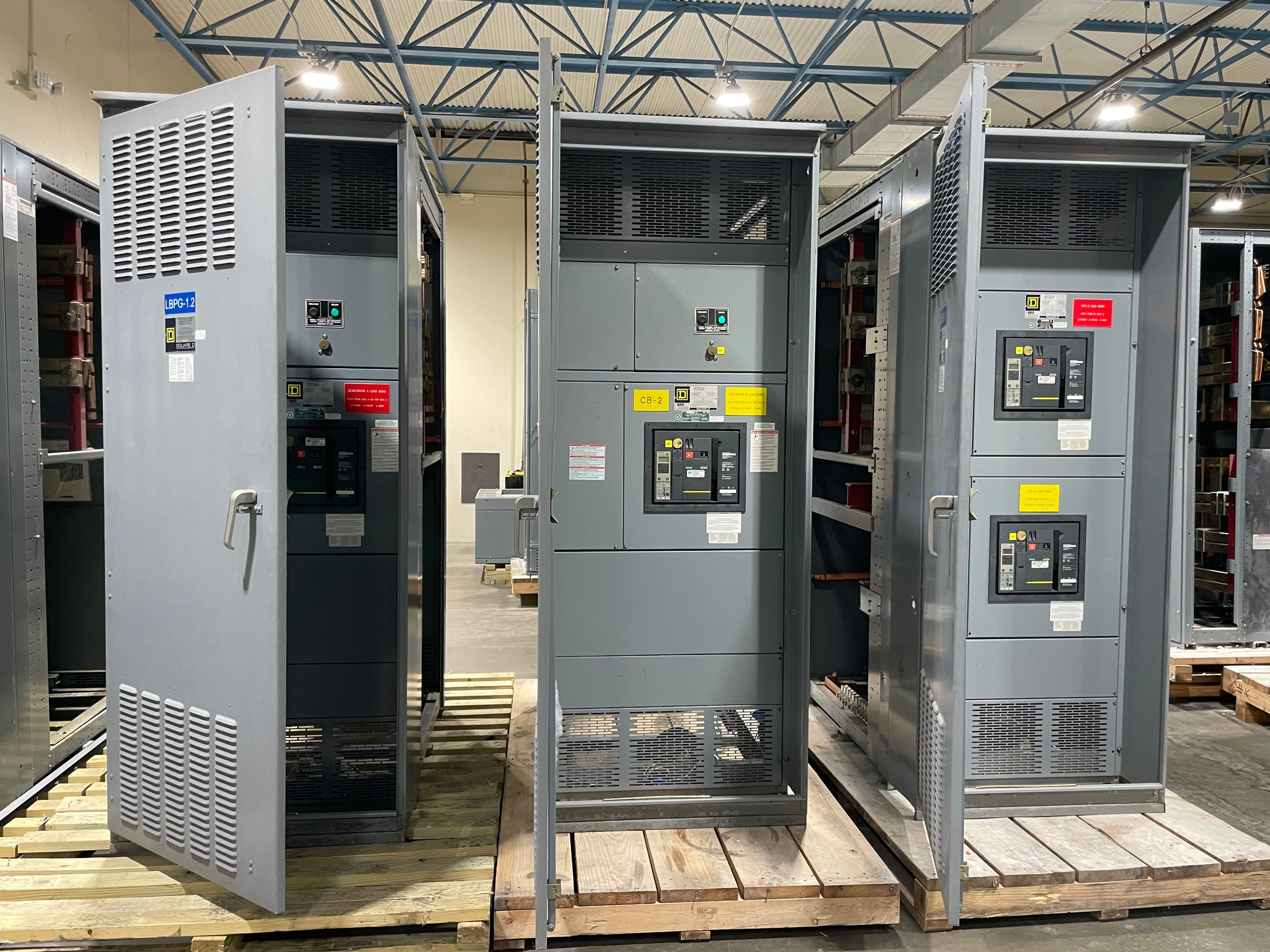
Retiring electrical infrastructure during a pharmaceutical plant transition can involve equipment with different owners, records, release conditions, and planned destinations. If you control equipment the plant no longer needs, you can ask us to review it for a purchase offer. We buy used, surplus, and decommissioned electrical distribution equipment in Pennsylvania, including switchgear from pharmaceutical facilities. An offer depends on the equipment, its condition, completeness, and the terms the parties can agree on; not every item will be suitable for purchase.
You do not need to test equipment to request a review. We make cash offers, with payment upfront before pickup. Before deciding, identify which assets are cleared for sale, who is authorized to approve the transaction, and whether any ownership or release conditions remain. This helps separate equipment available for a buyer from items still assigned to operations, another owner, a project, or an internal retention plan.
Set the Asset Release Boundaries
Pharmaceutical sites may track electrical assets through maintenance records, project files, storeroom controls, or fixed-asset systems. Those records can serve different purposes and may not identify the same equipment in the same way. Establish a sale boundary that your organization can recognize: which equipment is included, what remains in place, and which associated materials or components are excluded. Align that boundary with the people authorized to release the assets so a proposed purchase does not accidentally include property outside the sale.
Ownership and custody may be distinct during a plant retirement. Equipment could be owned by the facility operator, a property owner, a project entity, or another party, while access is managed separately. Confirm internally who can authorize the sale and who can approve access and pickup. If an asset is subject to a hold, lease, project commitment, or pending disposition, resolve its release status before including it in a transaction discussion.
Build an Inventory That Can Be Traced
A useful inventory connects the equipment being offered to records your organization already uses. Record available identifiers, general equipment descriptions, quantities, and the location references your authorized site team uses. Where records distinguish between complete assemblies and separate associated items, preserve that distinction. The goal is to make the sale scope understandable and traceable—not to create technical documentation or certify equipment condition.
Descriptions do not need to imply a rating, performance level, or compatibility. Include manufacturer names or labels only when they are already visible and relevant to identifying an asset. Photos and labels are optional, and should be shared only if already safely accessible under your site’s controls. Do not access restricted areas or handle equipment to obtain information. A record can note that an identifier is unavailable rather than inviting someone to investigate it physically.
Evaluate an Offer Without Testing
A purchase discussion can proceed using the inventory and information already available to the seller. We do not require seller testing. Do not energize, open, dismantle, disconnect, or physically handle equipment to support an offer request. The owner controls access and determines what information can be shared; an authorized contact can describe known status or limitations from existing records without performing new checks.
Review any offer against the identified sale scope and the release conditions, not against an assumed value for every line in an inventory. The equipment’s type, apparent completeness, available identification, and agreed pickup circumstances can affect whether an offer is possible and what it covers. Ask that included assets and excluded items be clear before accepting. If the proposed scope does not match the organization’s records or release authority, reconcile those differences before committing to a sale.
Coordinate Access and Pickup
Plant access is a seller-controlled matter, especially where retired assets remain within active, controlled, or transitioning spaces. Identify the site contact responsible for authorizing access and coordinating the approved pickup window. Share applicable entry and scheduling requirements with us in advance so pickup planning can account for the site’s arrangements. Access authorization should remain distinct from the decision that an asset is released for sale; both need to be settled by the appropriate parties.
We handle cranes, rigging, disconnects, loading, freight, and hauling as part of pickup coordination. Agree on which equipment is being collected and how the pickup will be coordinated before release. The site’s authorized representatives retain control over access and site requirements, while we coordinate the listed pickup work. Keep the inventory and agreed scope available to the people overseeing release so the assets collected can be reconciled with the transaction.
Align Payment With Release
Our terms are cash offer and payment upfront before pickup. Confirm the accepted equipment scope and payment arrangement before pickup is scheduled. This sequence gives both parties a clear point to verify that the assets authorized for sale are the assets covered by the agreement and that payment is made before collection begins. If different owners or approval groups control portions of the inventory, establish which assets each party can release and how the agreed scope is documented.
Avoid treating an initial inventory review as acceptance of every listed item. A purchase requires agreement on the equipment and sale terms, and an offer is not assured for every asset. If the site’s retirement plan changes, or an asset’s ownership or release status is unresolved, revise the proposed scope before proceeding. A carefully bounded transaction can support asset accountability while keeping operational decisions with the organization responsible for the plant.
Close the Record After Collection
After pickup, update the organization’s asset and project records according to its own controls. Reconcile the collected equipment against the agreed sale scope, note any items that remained, and retain the transaction and payment records with the appropriate internal files. Clear records help distinguish sold assets from equipment retained for another purpose and reduce ambiguity as spaces, responsibilities, or ownership arrangements change during retirement.
For a pharmaceutical plant infrastructure retirement, the sale process is most useful when inventory traceability, release authority, and access coordination are handled together. We buy eligible used, surplus, and decommissioned electrical distribution equipment in Pennsylvania, with purchases subject to the equipment and mutually agreed terms. You can begin with existing records, request an offer without testing, and decide whether the proposed scope and upfront-before-pickup payment fit the organization’s asset release process.