Receivership changes how an equipment sale is coordinated
Industrial plant asset disposition after receivership involves more than identifying equipment that may have resale value. A court-appointed receiver, administrator, secured party, or other authorized representative may control the property, while site personnel, creditors, and prospective buyers have separate roles. Before discussing a sale, establish who can authorize it, what property is included, and how a buyer may coordinate with the person responsible for the facility. The appropriate process depends on the governing documents and the authority granted in the particular matter.
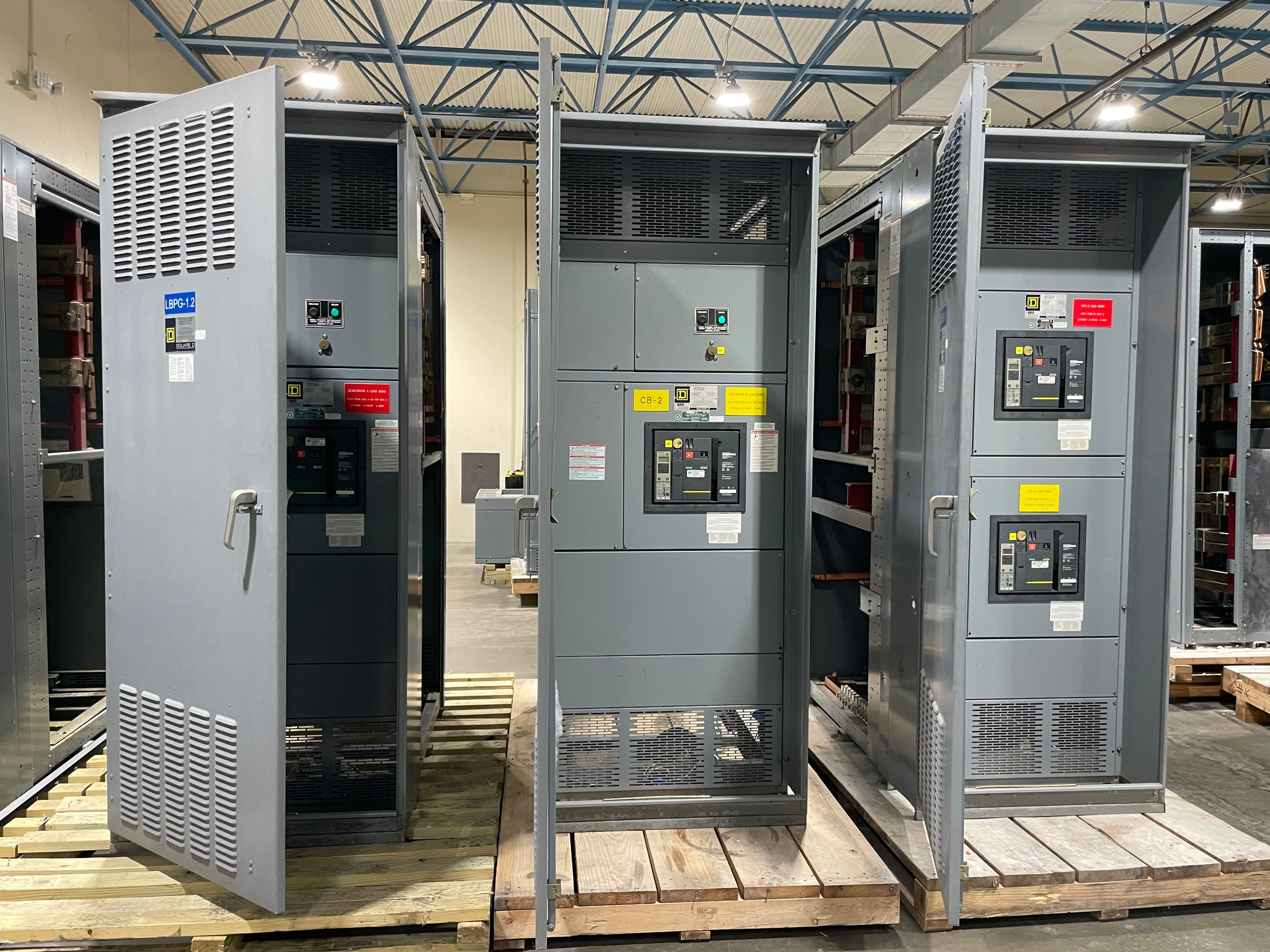
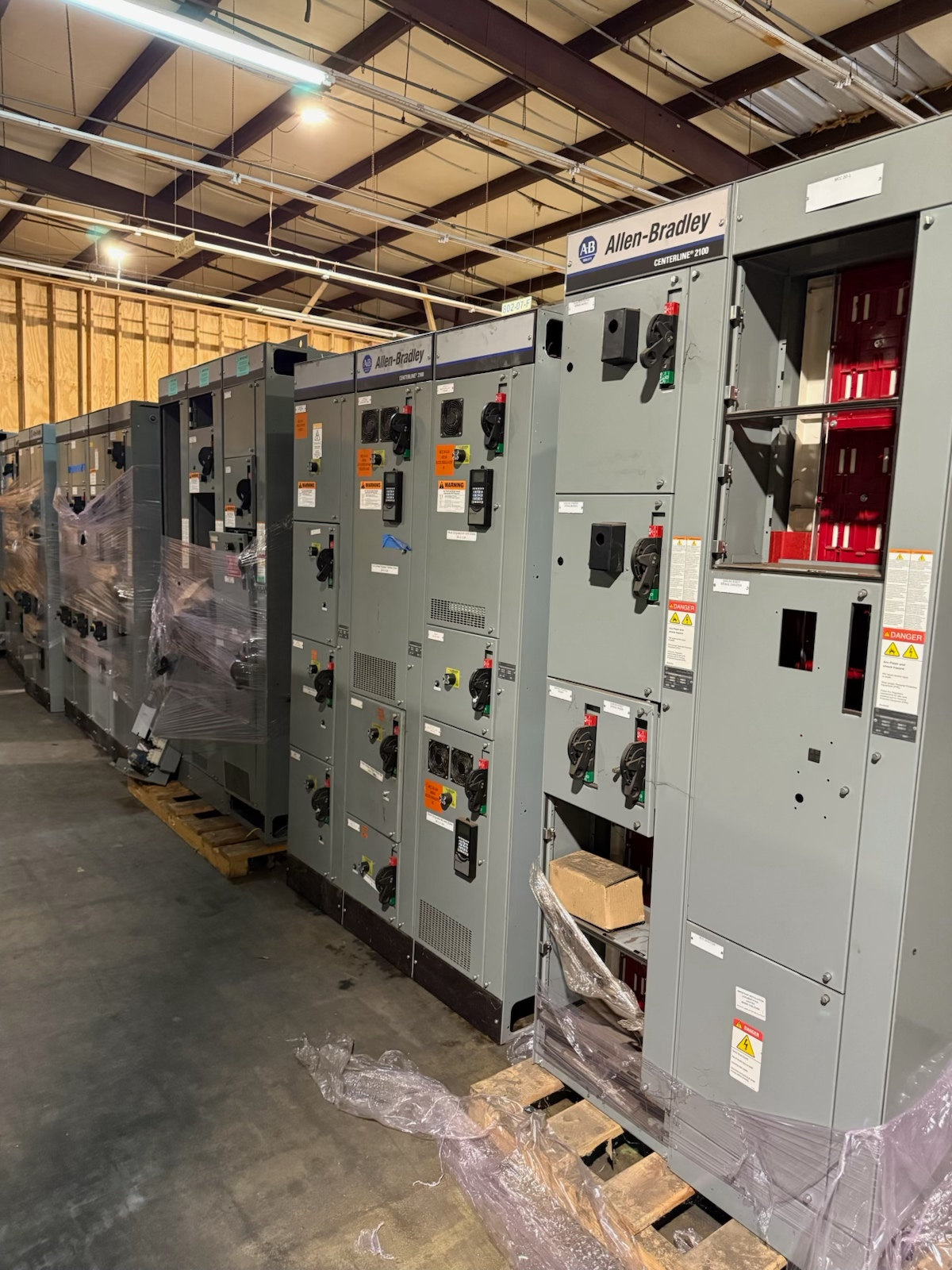
We buy used, surplus, and decommissioned electrical distribution equipment from industrial facilities in Pennsylvania. A receivership-related inquiry can include switchgear, including equipment from a shut-down power plant, as well as other distribution assemblies. The potential purchase depends on the equipment and the agreed transaction scope. This is a buyer discussion, not a determination of the receiver’s authority or a substitute for guidance from the professionals responsible for the proceeding.
Separate complete assemblies from loose components
A useful inventory distinguishes an identifiable electrical assembly from loose parts associated with it. A switchgear lineup, section, or other assembled distribution unit can be described by its location, apparent grouping, and available identification. Loose components should be listed separately rather than treated as included in an assembly by assumption. This distinction helps both sides discuss what property is being offered and reduces uncertainty about what a purchase agreement would cover.
Record descriptions at the level already supported by facility records or safely accessible labels. Keep the wording factual: note whether an item appears assembled, whether separate components are present, and whether the inventory groups them together. Do not infer completeness, condition, function, or inclusion from proximity alone. If a record does not distinguish an assembly from its loose parts, flag that point for the authorized representative to resolve before defining the sale scope.
Confirm authority and the intended property scope
For a receivership disposition, the buyer needs a clear path to an authorized seller. The receiver or administrator can identify the person handling inquiries and explain what documentation governs the proposed sale. Depending on the matter, relevant records may describe the assets, identify the party empowered to negotiate, or set out approval requirements. The buyer can coordinate around the process provided; the responsible parties determine what approvals and documentation are required.
Define the proposed property carefully before moving toward pickup arrangements. Identify the equipment included, its location within the facility, and whether associated loose components are part of the same offer. Note any stated exclusions or access limits supplied by the authorized contact. If the asset list changes, reconcile the revision with the sale documents and the buyer’s offer before treating additional items as included. This keeps the commercial discussion aligned with the property the seller is actually authorized to transfer.
Build an inventory from existing information
An initial inventory can be assembled from asset schedules, prior facility records, and information already safely accessible to the owner or its representative. Useful descriptions may include equipment type, quantity, area or building designation, and identifying text visible without intervention. Photos and labels are optional. Share them only when they are already safely accessible; no one needs to open equipment, approach a hazard, or alter the site to prepare an inquiry.
Keep uncertainty visible instead of filling gaps with assumptions. If a record calls something a component but its relationship to an assembly is unclear, preserve that distinction in the inventory. Likewise, avoid assigning a condition, rating, or specification that the available documentation does not establish. A concise, candid description helps the buyer assess whether to make an offer and gives the authorized seller a more reliable basis for comparing the proposed scope with its records.
Coordinate access through the responsible representative
Facility access during a receivership should be arranged with whoever has authority to manage the property and site. The buyer can coordinate timing, access requirements, and pickup logistics with that contact, subject to the facility’s applicable controls. Plant employees or contractors may have valuable location knowledge, but their participation does not replace confirmation that the seller’s representative can authorize a transaction and arrange access.
Equipment descriptions and pickup planning should not ask the seller to test or prepare items. We make offers without seller testing. Owners and their authorized representatives control access and determine what information is available. Any review of already available descriptions or images can support the offer discussion, while the agreed equipment scope and site arrangements remain matters for coordination between the parties.
Agree on commercial terms before pickup
We make cash offers for equipment we are interested in buying, with each offer depending on the equipment and the scope both parties agree upon. A receivership representative can compare the proposed purchase against the assets being offered and the governing sale process. If the offer is accepted, payment is made upfront before pickup. The payment arrangement should be settled with the authorized seller as part of the transaction, not left implicit in an inventory or access discussion.
Before pickup, align the agreed property description with the sale documents and confirm who can release the equipment. Changes to the included assemblies or loose components should be addressed with the authorized representative before collection. This is especially important when schedules distinguish between complete distribution assemblies and separately listed parts. Clear written scope supports a coordinated transfer without assuming that every item in a plant inventory is included in the purchase.
Plan removal and logistics as one coordinated scope
We handle cranes, rigging, disconnects, loading, freight, and hauling for the equipment we purchase. These responsibilities can be coordinated with the receiver or administrator as part of the agreed transaction and facility access arrangements. The parties should align the equipment included, the areas involved, and the release process so pickup planning corresponds to the approved sale scope. Site-specific access and scheduling decisions remain with the people responsible for the property.
Once terms are agreed and payment is made upfront before pickup, logistics can proceed in coordination with the authorized seller. The inventory helps connect the transaction documents to the items being collected, including any distinction between assemblies and separately included components. A defined scope and an identified access contact make a receivership disposition easier to coordinate, while keeping authorization, documentation, commercial terms, and removal responsibilities connected to the same proposed sale.