Choose Between Storage and an Offer
When a plant closure leaves electrical equipment in contractor-controlled storage, the first decision is whether to keep paying to hold it or seek a buyer’s offer. Storage may make sense when the contractor has a documented right to the equipment and a defined reason to retain it. An offer may be worth considering when the equipment is no longer needed, storage obligations are ongoing, or the closure schedule calls for clearing space. The choice depends on ownership, records, equipment condition as represented, and the parties’ timing—not on the assumption that every item will sell.
We are an independent Pennsylvania buyer of used, surplus and decommissioned electrical distribution equipment. We buy only; we do not sell equipment or provide storage. We can consider a cash offer based on the equipment and the information available. Any sale requires agreement and depends on the specific equipment. Payment is made upfront before pickup. Comparing that payment and the expected pickup arrangement with the cost and purpose of continued storage can help a contractor decide which route better fits its obligations and plans.
Establish Whether the Contractor Owns the Equipment
Contractor possession does not, by itself, establish ownership. Equipment at a closed plant may belong to the property owner, a contractor, a subcontractor, a lessor, or another party under the project’s agreements. Before pursuing a sale, identify who has authority to transfer each item. Review purchase records, invoices, asset schedules, subcontract documents, change orders, closeout records, and any agreement addressing materials left at the site or in storage. Records should connect the proposed seller to the particular equipment being offered.
If ownership is shared, disputed, conditional, or subject to a payment or return obligation, resolve that issue with the relevant parties before arranging a transfer. A contractor may have a claim for purchased surplus without holding title to owner-furnished equipment, or may be responsible for returning equipment supplied for project use. The practical distinction matters: a buyer needs to know that the party making the sale can convey the equipment. Clear title records and written authorization, where applicable, help prevent a transaction from being delayed after an offer is discussed.
Build an Inventory That Matches the Records
A useful inventory links each proposed item to its ownership documentation and current location. Record descriptions that are already available in project files, asset lists, or visible labels, along with quantities and known storage groupings. Separate contractor-owned equipment from owner property and from items whose ownership is unresolved. If records use different names for the same equipment, note the relationship rather than silently treating the descriptions as interchangeable. This gives a buyer a coherent view of what the contractor is authorized to offer and reduces confusion when the parties review scope.
The inventory can be prepared from existing records and information safely available to the owner or contractor. Photos and labels are optional, and should be shared only when already safely accessible. There is no need to create access or manipulate equipment to gather information. We do not require seller testing. A clear account of known equipment and its documentary basis is more useful than unsupported assumptions about condition, completeness, or operating status. Where a record is uncertain, identify it as uncertain so that the offer discussion reflects the information actually available.
Define the Sale Scope Before Comparing Terms
Contractor-owned equipment may be mixed with owner property, project materials, or equipment assigned to separate work packages. Define the proposed sale by item or by a clearly described group, and keep excluded property distinct. This is especially important when a closure has multiple contractors or when the contractor’s storage inventory includes material from more than one project. A broad reference to “surplus” may not identify what can legally be transferred. Matching the scope to the records helps the seller and buyer discuss the same equipment and makes it easier to coordinate the eventual release.
A prospective offer is based on the equipment being considered and the information available; it is not a promise that every listed item will be purchased. The parties can clarify which items are included, which are excluded, and whether the offer depends on the agreed scope. If ownership documentation supports only part of an inventory, that portion can be distinguished from the rest rather than treating the entire storage area as one sale. Any transaction proceeds only by agreement, with the final scope and terms settled between buyer and seller.
Coordinate Transfer Timing With Closure Obligations
Timing often depends on more than a contractor’s preferred clearance date. Storage agreements, project closeout, owner access rights, subcontract terms, insurance arrangements, and scheduled site work may affect when equipment can be released. Identify who controls access and who must authorize the transfer, then align the proposed pickup window with those requirements. If equipment is held away from the plant, confirm the contractor’s authority over that location and any rules that apply there. Early coordination is useful where records, ownership approvals, or multiple parties still need to be reconciled.
We handle cranes, rigging, disconnects, loading, freight, and hauling as part of coordinating an agreed pickup. The seller does not need to arrange those services independently for the sale. Payment is upfront before pickup, so the payment timing can be considered alongside the release date and storage plans. Keeping the transfer schedule tied to documented authority and agreed scope helps avoid arranging a pickup before the contractor is entitled to release the equipment or before the relevant parties have settled the sale terms.
Use Available Information Without Seller Testing
A closure can leave equipment records incomplete, particularly when responsibility has moved between the plant owner, contractors, and storage providers. Share the descriptions, ownership documents, inventory details, and known context that are already available. If a contractor knows that an item was purchased for a project, identify the record supporting that understanding; if the records do not establish title, say so. This is a more reliable basis for discussion than treating possession, age, or a general project designation as proof of ownership or condition.
No seller testing is required. Do not test, energize, open, disconnect, dismantle, or physically handle equipment to prepare for an offer. Owners control access, and any information or images should come only from material already safely accessible. A buyer’s consideration is based on the equipment and information presented, and the resulting offer depends on those specifics. These boundaries let the contractor focus on records, ownership authority, and transfer planning rather than undertaking additional technical work solely to seek an offer.
Compare the Offer With Continued Storage
A practical comparison includes the purpose of retaining the equipment, the contractor’s title and obligations, the time and expense associated with continued storage, and the certainty of an authorized transfer. Storage preserves the option to use or sell later, but it also leaves the contractor responsible for whatever storage commitments apply. An offer converts that option into a proposed sale, subject to agreement on scope and terms. Neither choice is automatically preferable: the relevant question is whether keeping these contractor-owned items serves a continuing need better than accepting an agreed cash offer and coordinating pickup.
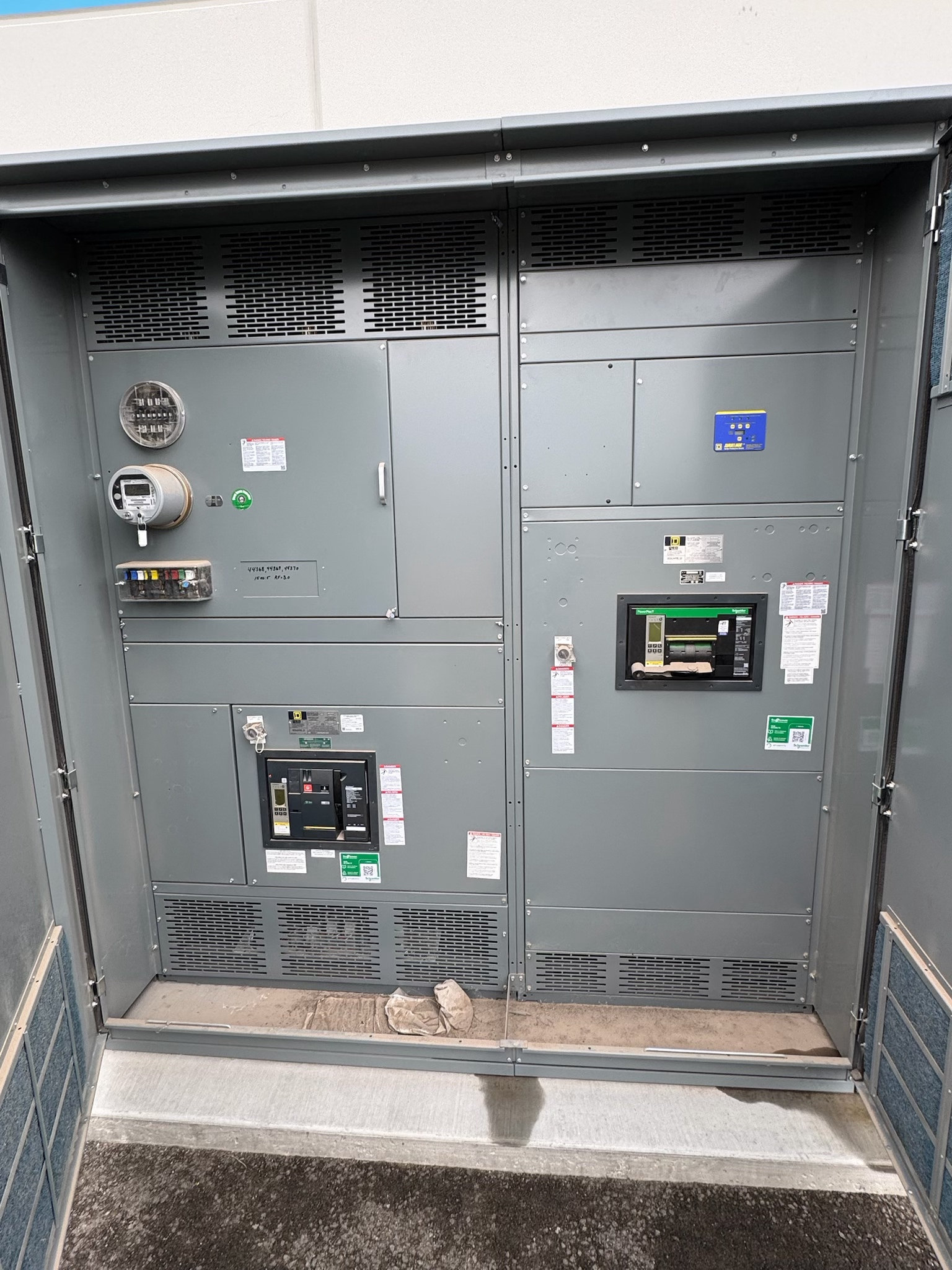
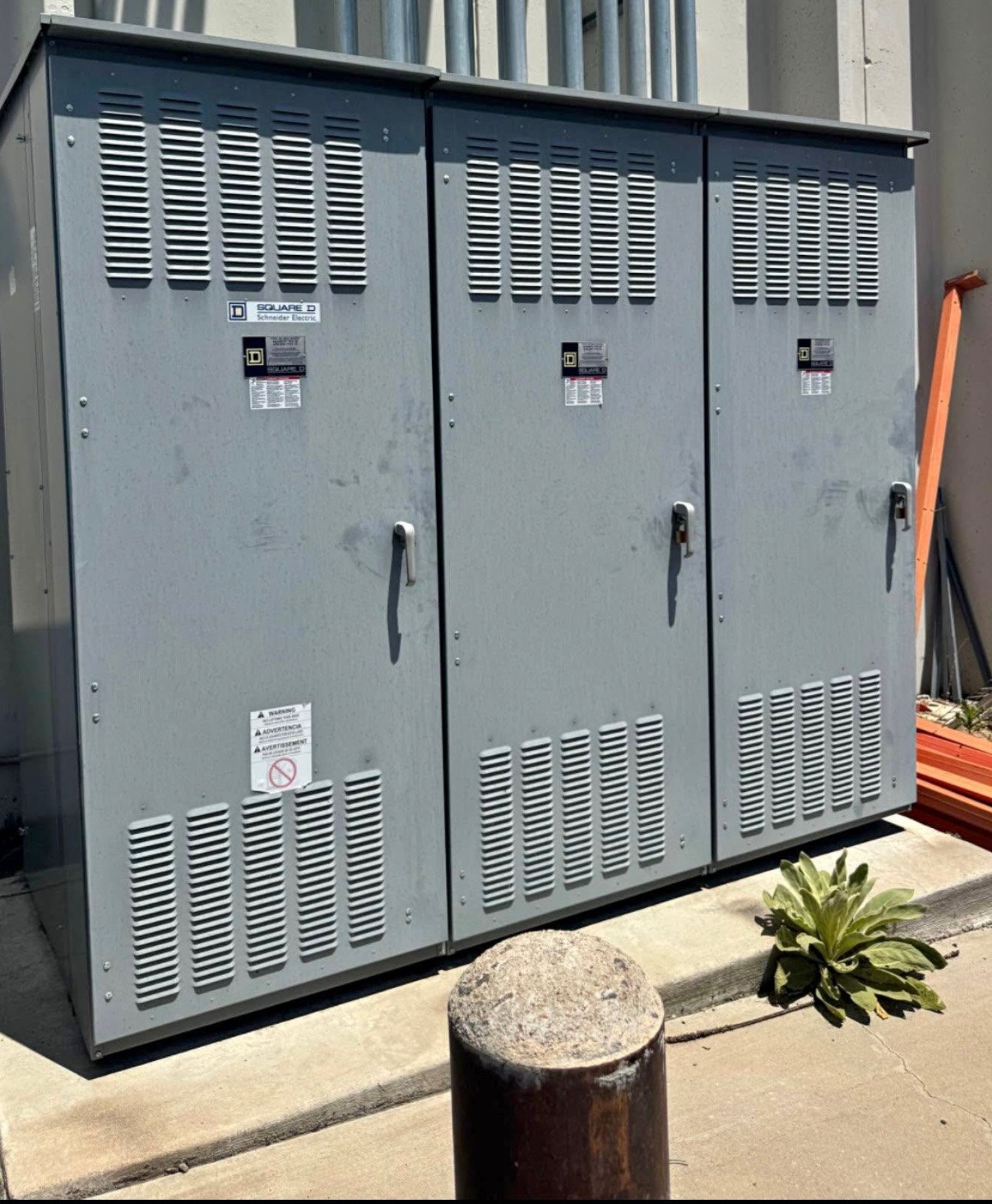
Once ownership, inventory, scope, and timing are clear, the contractor can consider a cash offer without confusing its property with the plant owner’s assets. Payment is upfront before pickup, and we coordinate cranes, rigging, disconnects, loading, freight, and hauling. We buy used, surplus and decommissioned electrical distribution equipment, including switchgear from decommissioned data centers and shut-down power plants, across all voltage classes. Whether any particular contractor-owned equipment is suitable for an offer depends on the equipment and the information available, and a sale requires agreement.