Decide What the Seller Is Authorized to Sell
Before arranging a sale, establish which electrical equipment belongs to the selling party and which items must remain with the property, a tenant, a purchaser, or another owner. A landlord may control the building while a tenant owns equipment installed for its operations. Conversely, some distribution assets may belong to the property owner under the lease or a separate agreement. The equipment’s presence in the building, connection to its electrical system, or inclusion in a tenant’s former work area does not by itself settle ownership or authority to sell.
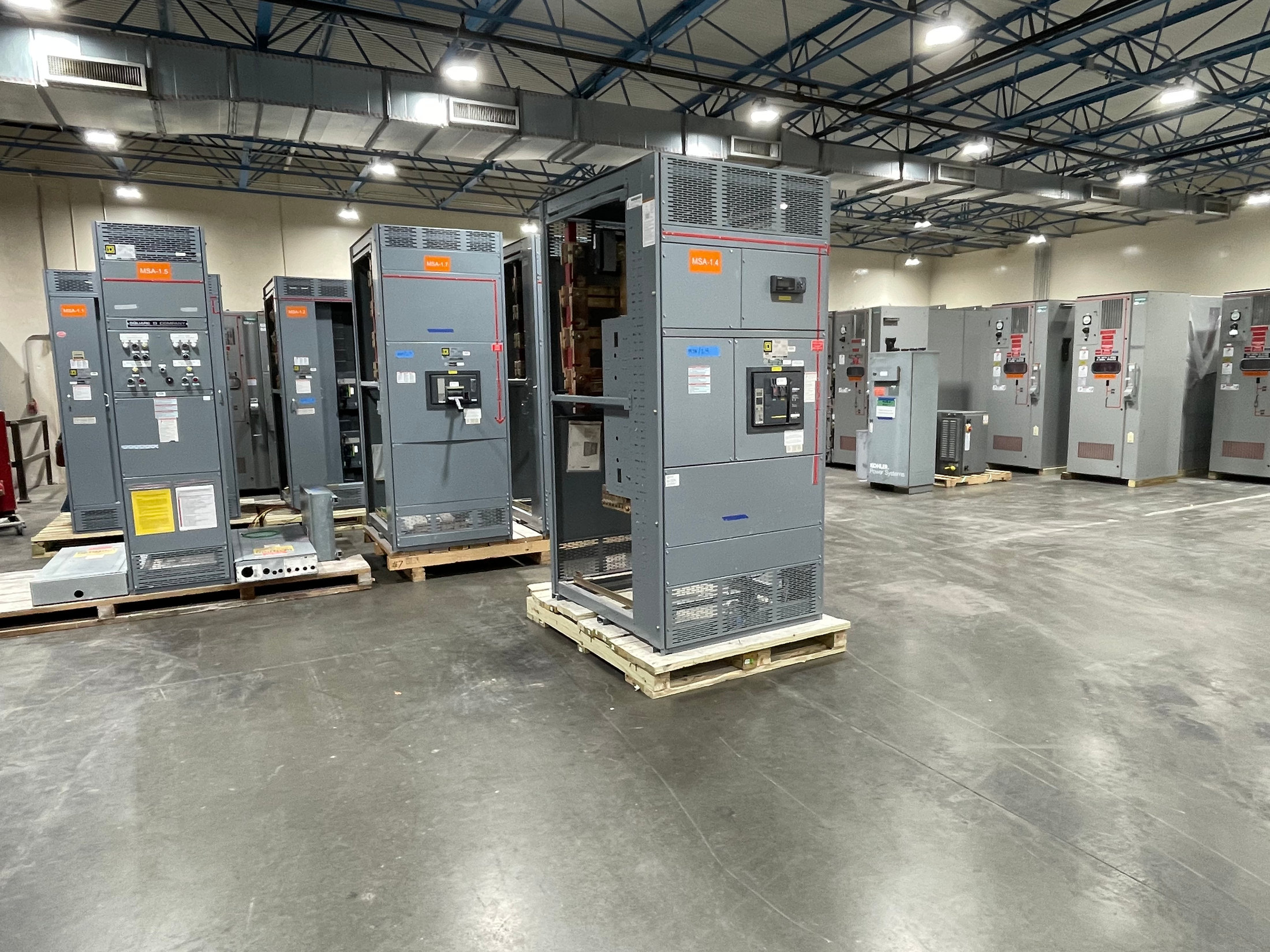
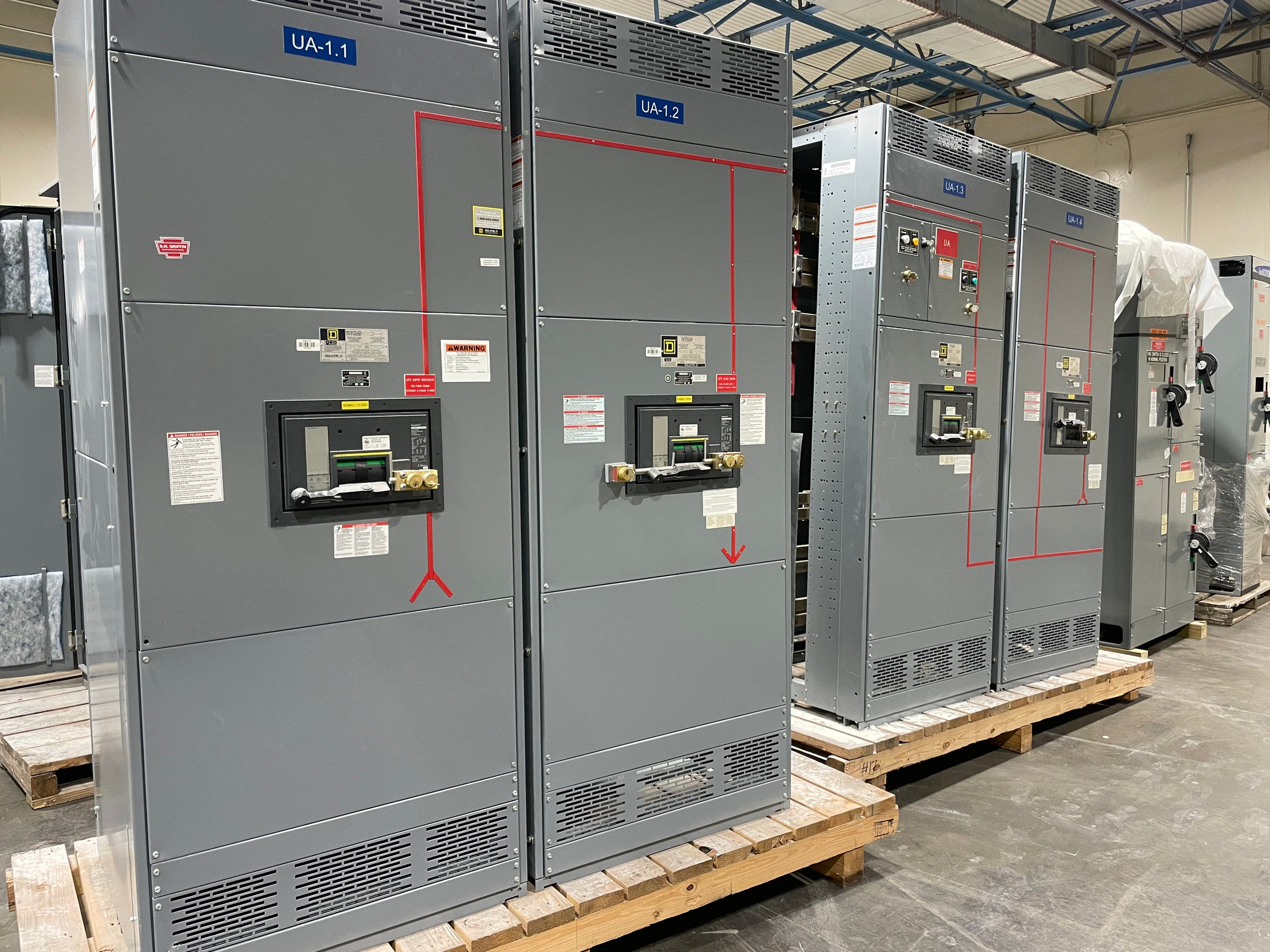
We buy used, surplus, and decommissioned electrical distribution equipment in Pennsylvania, including switchgear from decommissioned data centers and shut-down power plants across all voltage classes. A potential purchase depends on the equipment and the seller’s authority to transfer it. Start by identifying the party empowered to approve the sale and separating proposed sale items from retained property. If ownership, lease terms, abandonment, or consent is uncertain, have the appropriate counsel resolve that question before offering equipment for sale or authorizing access for removal.
Draw a Clear Boundary Between Sale and Retained Assets
Create an asset boundary that distinguishes equipment proposed for sale from equipment the owner, tenant, or another party intends to keep. Use available property and asset records to describe the proposed sale group and note retained items or areas that are outside the transaction. Where a distribution lineup serves more than one party or includes components with different ownership, do not treat the entire installation as a single sale merely because it appears physically continuous. The proposed scope should reflect the seller’s authority and the actual items approved for transfer.
That boundary matters during buyer review as well as removal planning. A clear description lets both sides discuss the intended assets without assuming that adjacent equipment, building infrastructure, spare parts, or tenant property is included. If the scope changes, confirm the revised items with the authorized decision-maker before proceeding. We consider equipment for purchase based on its condition, identification, completeness, and other relevant details; a proposed inventory is a basis for discussion, not a guarantee that every listed item will receive an offer.
Resolve Tenant Departure and Consent Questions
A tenant’s departure can leave practical questions that are distinct from the decision to sell. The lease, move-out documents, asset records, and other agreements may address ownership, removal rights, abandoned property, or consent. Those documents and the circumstances control the parties’ rights; a buyer cannot determine them simply by observing equipment left in a space. Where the tenant has departed but ownership or permission remains unresolved, refer the matter to counsel rather than treating absence, nonuse, or elapsed time as authorization to sell.
Once the relevant parties have established who can authorize a transfer, record the approved scope and any applicable access conditions. If consent is required, obtain it from the party with authority before scheduling a transaction or removal. This keeps a potential equipment sale separate from a dispute over possession or contract interpretation. We coordinate with the authorized seller and the party controlling access, but the seller is responsible for resolving who may sell the assets and for identifying any restrictions that affect the transaction.
Use Available Records to Describe the Equipment
Gather records that already exist and that the authorized seller can share, such as asset schedules, prior inventory documents, or available equipment identification. Records can help distinguish the proposed sale group from retained property and clarify which items are associated with the departing tenant, the building owner, or another party. An inventory need not decide legal ownership on its own; it should support the owner’s documented determination and provide a practical description of what is being considered for sale.
Useful identification can include readable nameplate details or photographs only when those are already safely accessible. Do not open equipment, energize it, disconnect it, dismantle it, or handle it to obtain information. No seller testing is required. If identification is incomplete, share what is available and explain which items remain uncertain. We review the information provided and can discuss whether the equipment may be of interest; any offer depends on the equipment, the available details, and agreement between the parties.
Coordinate Safe Access Without Crossing Ownership Lines
The property owner or other authorized access controller determines when and where a site visit or removal can occur. Coordinate access with that party and establish the approved areas, timing, and any property-specific restrictions before work is scheduled. Where a tenant, facilities representative, or additional owner controls part of the space or assets, include the relevant authorized decision-maker in the coordination. Keep access to the agreed sale scope so retained equipment and other property are not inadvertently included.
Do not ask a seller or tenant to prepare equipment physically for review. Owners control access, and equipment information can be shared through records or observations that are already safely available. When a purchase proceeds, we handle cranes, rigging, disconnects, loading, freight, and hauling as applicable to the agreed transaction. Removal planning is coordinated with the party controlling the property and the seller’s authorized representative; it does not expand the assets included in the sale or substitute for required permission.
Agree on the Transaction Before Pickup
For equipment we agree to buy, we make cash offers and payment is made upfront before pickup. The proposed scope, equipment details, access coordination, and transaction terms should be agreed before removal is arranged. Payment timing is not a substitute for confirming that the seller has authority to transfer the listed assets, and an offer should not be understood as acceptance of unlisted or retained property. If the parties revise the scope, confirm that change before pickup.
We buy only; we are not offering to sell replacement equipment or to arrange a broader property disposition. No seller testing is required. Equipment review and any purchase decision depend on what is available for consideration and the parties’ agreement. By settling ownership, consent, records, and access first, landlords and former tenants can keep the proposed equipment sale distinct from lease closeout, retained building assets, and any unresolved property questions.