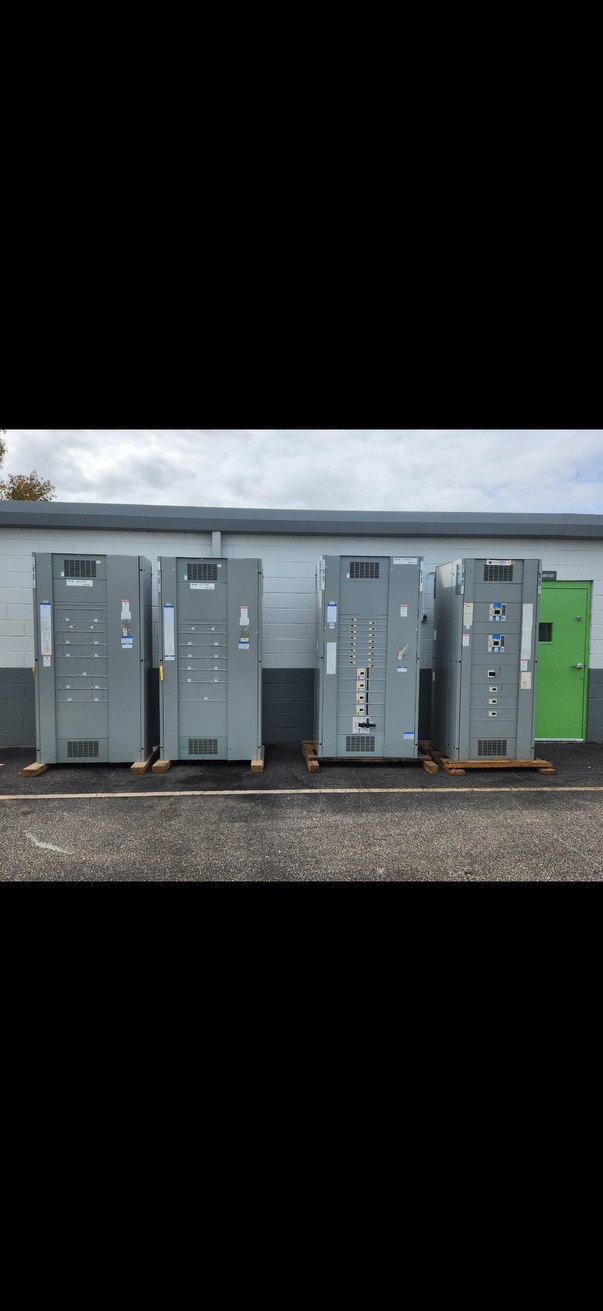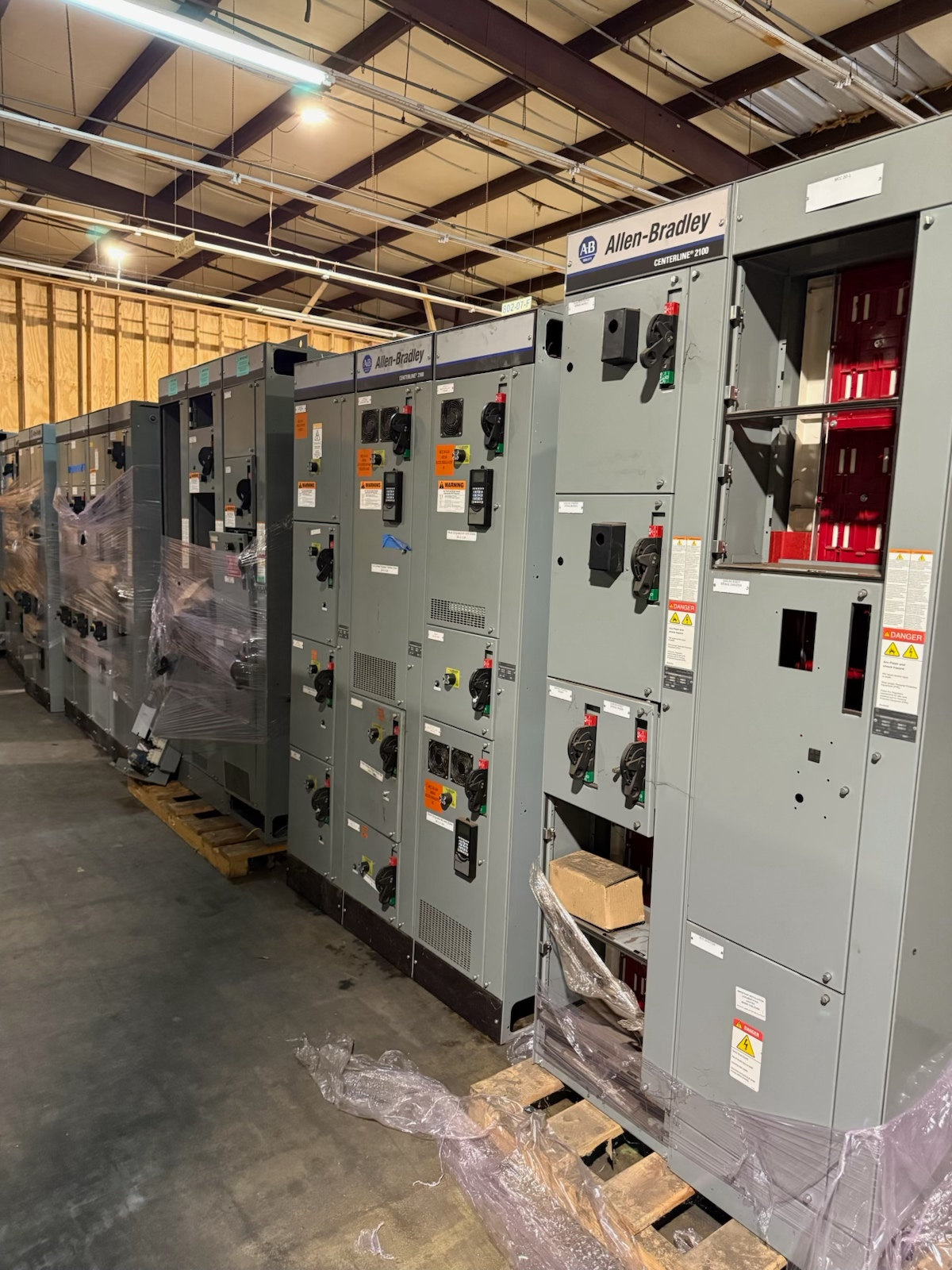
Start With a Room-by-Room Inventory
A steel mill electrical room can contain several distinct groups of equipment, and an inventory is most useful when it shows where each group was found. Organize the record by room or area, then note the visible equipment category and approximate count. Separate switchgear lineups from motor control centers (MCCs), transformers, panelboards, and loose components. This structure helps establish what may be included in an equipment sale without treating every item in the building as one undifferentiated lot.
For a Pennsylvania mill owner, operator, or asset manager planning a partial or full closure, the inventory can also clarify which equipment belongs to the electrical-room asset group. Include only equipment already identified through existing records or safely accessible views. Room names, existing asset identifiers, and optional photographs of visible labels can help describe the inventory; no one needs to open equipment or perform additional inspection for this first account. The owner retains control of site access and any decisions about what is available for sale.
Count Assemblies Separately From Loose Components
An assembled switchgear lineup is not the same inventory item as a loose breaker, relay, meter, or other component stored nearby. Record complete visible assemblies as assemblies, and list loose items separately with their observed quantity and storage location. If records do not establish whether a component belongs with a particular lineup, keep that relationship unassigned rather than assuming it. This prevents a room count from overstating the number of complete assemblies or implying that loose parts are included in them.
Apply the same distinction to MCCs. Count the visible MCC section or lineup as an assembly, while separately identifying loose buckets or other components when they are stored outside it. Existing documents may describe a group as a unit even when the items are now separated; retain the document wording and note the observed arrangement. A buyer can then review the described equipment and determine whether an offer is appropriate for the assemblies, loose items, or a defined combination.
Keep Switchgear and MCC Counts Distinct
Switchgear and MCCs serve different roles in an industrial electrical system, so combining them under a single “electrical gear” count removes useful detail. Give each category its own inventory line and room location. Where a lineup has multiple visible sections, record the count in the terms used by the existing inventory or asset records, and avoid converting a section count into a count of complete lineups unless the records support that description.
This separation matters in a steel mill because the electrical-room inventory may represent equipment serving different areas or functions. It also makes it easier to compare the current room list with legacy asset schedules without assuming that every label, drawing, or historical description matches the equipment present today. If classification is uncertain from existing records and safe visibility, preserve the uncertainty in the description. A clear “identified as” or “recorded as” note is more useful than assigning a category based on guesswork.
Use Found Records Without Treating Them as Verification
Useful records may include an existing asset register, room list, equipment schedule, prior sale inventory, or documents found with the facility’s records. Refer to these as records, not as proof that every listed item remains present or is included in the proposed sale. Note whether an entry is associated with a room, an assembly, or a loose component, and retain the original identifier when available. A short record reference can help connect a visible item to its paperwork without requiring new technical investigation.
Record discrepancies plainly. A schedule may show equipment not visible in the room, while an observed assembly may have no matching entry in the available files. Neither situation should be resolved by inventing a quantity or assuming ownership. Keep documented counts and observed counts distinct, and flag unresolved entries for the owner’s review. These distinctions help the buyer assess the information presented while leaving ownership, access, and sale-scope decisions with the responsible party.
Define the Equipment Sale Scope
A steel mill closure or asset transition can involve many asset groups beyond electrical distribution equipment. Define the proposed electrical-equipment lot by room, category, and item description, rather than implying that a buyer is acquiring the mill or all contents of a facility. For example, a sale scope might identify certain room-listed switchgear assemblies and separately enumerate associated loose components, subject to agreement on the actual items. Equipment outside that stated scope should not be presumed included.
This inventory-first approach differs from a general industrial shutdown review: it concentrates on the contents and boundaries of the electrical rooms. It can support a focused equipment sale even where other facility assets are being handled separately. The owner can identify exclusions, items reserved for continued operations, and equipment whose status is unresolved before discussing a sale. Any purchase depends on the equipment and the parties’ agreement; an inventory is a basis for review, not a promise that every listed item will receive an offer.
Coordinate Buyer Review Around Existing Information
A buyer’s initial review can use the room-by-room counts, category distinctions, found records, and any photographs or labels that are already safely accessible. Photos are optional. They should be limited to views the owner can provide without opening equipment, moving items, or entering an area without authorization. The buyer does not require the seller to test equipment, energize it, dismantle it, or undertake technical procedures to prepare the inventory.
The owner controls access and determines what information can be shared. Where an item’s identity, condition, or inclusion is unclear, describe what is known and leave the rest unresolved for discussion. This keeps the inventory useful without suggesting that a visual list establishes technical condition or suitability. The buyer reviews the offered equipment and may make a cash offer when the equipment and proposed scope are acceptable; any sale proceeds only by agreement.
Plan the Sale and Pickup Responsibilities
For equipment the buyer agrees to purchase, payment is made upfront before pickup. We handle cranes, rigging, disconnects, loading, freight, and hauling as part of coordinating the removal. These arrangements apply to the agreed equipment scope and are coordinated with the owner’s access requirements. The inventory helps identify what is included and where it is located, while the owner retains authority over site access and the timing and conditions for entry.
No seller testing is required. Do not test or energize equipment, open enclosures, disconnect wiring, dismantle assemblies, or physically handle items to prepare them for sale. Use only existing records and information already safely accessible, and leave equipment as it is. A well-organized list that distinguishes rooms, switchgear, MCCs, complete assemblies, and loose components gives the buyer a clearer basis to consider the equipment while keeping the sale focused on the agreed assets.