What equipment from a textile mill may be considered?
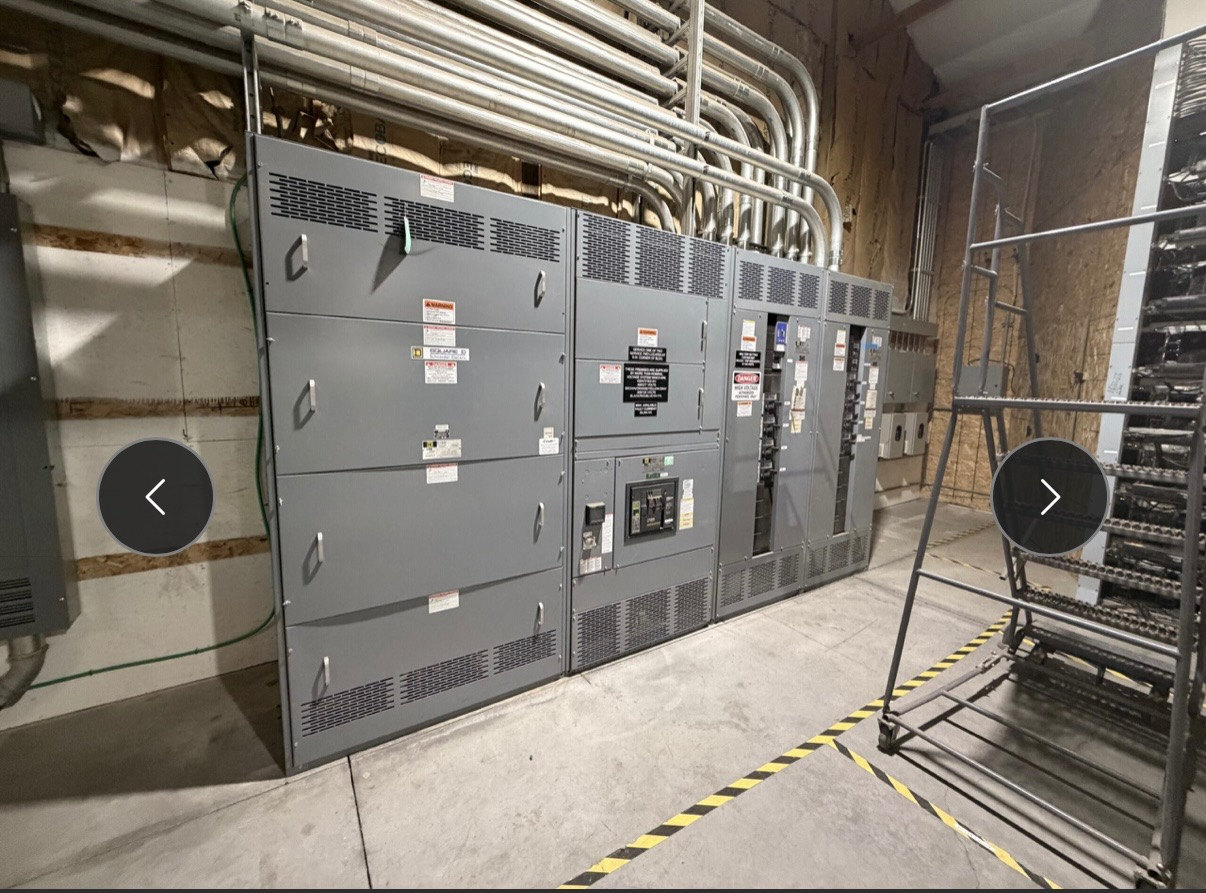
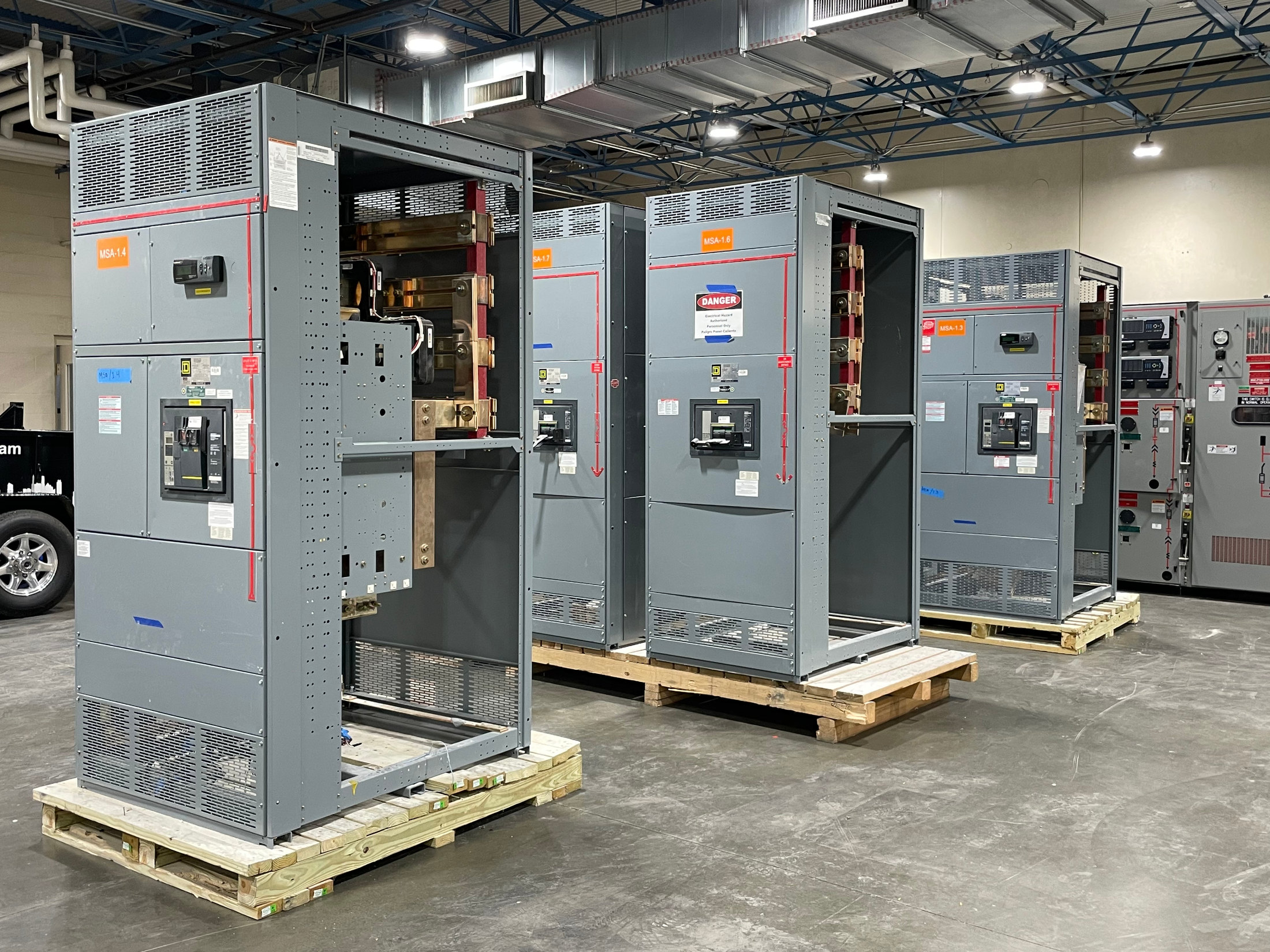
Textile mills can contain electrical distribution assemblies and motor-control equipment accumulated over many years of operation. Potential items for review include switchgear, switchboards, panelboards, transformers, motor-control centers, and other identifiable electrical assemblies. Age, condition, completeness, and the specific equipment determine whether an item is suitable for an offer; not every item will qualify.
A complete assembly is different from loose components. An intact, identifiable unit may be reviewed as an assembly, while separate breakers, contactors, fuses, relays, bus components, or other parts are considered individually rather than assumed to form a complete unit. Keep that distinction clear when describing inventory. We buy equipment only, so an offer concerns equipment we agree to purchase, not unrelated mill contents or a presumed sale of everything on site.
Which parts of the mill inventory should be identified?
Start with the equipment that can be described as a distinct item or assembly. Note the general equipment type, quantity, and any visible identifying information already available, such as manufacturer or nameplate details. If the mill has distribution equipment in one area and motor controls serving production equipment elsewhere, describe those groups separately so the scope is understandable without treating the entire electrical system as one lot.
Older building distribution may include equipment installed or changed at different times. Incomplete records do not prevent an initial discussion, but unknown details should remain unknown rather than being guessed. If existing paperwork identifies an assembly or its history, it can help clarify the inventory. Photos and labels are optional, and should be shared only when already safely accessible; owners need not open equipment or approach a hazardous area to provide information.
How should older distribution and motor controls be described?
For older distribution equipment, identify what the owner knows about its role and location, and distinguish a main assembly from a smaller panel or separately stored component. For motor controls, describe the equipment as a motor-control assembly or as loose control devices according to what is actually present. Avoid combining items into a single assembly description when their relationship or completeness is uncertain.
A textile mill’s controls may relate to production machinery, building services, or equipment no longer in use. That operating context can help organize a conversation, but it does not establish the condition or value of the electrical equipment. An initial review is based on the information available and the particular items being considered. An offer is not promised for every item; it depends on the equipment and requires agreement between buyer and seller.
Who can authorize a sale and define its scope?
Before discussing a transaction, establish who has authority to sell the equipment and who can approve access and pickup arrangements. A mill owner, property owner, operator, or other party may be involved, but the seller must confirm the actual authorization for the equipment in question. If ownership or control is shared, resolve that internally before agreeing to a sale.
Define the proposed sale by equipment, not by a broad description such as “the mill electrical.” Identify which assemblies are included, whether separately stored components are included, and what items remain outside the sale. This is especially important where building distribution, production motor controls, and equipment serving other areas have different owners or responsibilities. Clear boundaries help prevent misunderstandings about what a cash offer covers and what remains the seller’s responsibility.
What does an offer and payment arrangement involve?
We buy used, surplus, and decommissioned electrical distribution equipment and make cash offers when the equipment is suitable for purchase. The offer depends on the specific equipment and the scope agreed with the seller. There is no assumption that every assembly, loose component, or mixed inventory will receive an offer. The parties must agree on the equipment included and the transaction terms before proceeding.
Payment is made upfront before pickup. The seller should confirm the agreed equipment scope and payment arrangement before removal begins. No seller testing is required for our purchase process. Owners should not energize, open, disconnect, dismantle, or physically handle equipment to prepare it for review or pickup. Information and images are optional; share only what is already safely accessible and within the owner’s control.
How are removal boundaries and pickup coordinated?
We handle cranes, rigging, disconnects, loading, freight, and hauling for equipment we agree to purchase. Coordination starts with a clear description of the included assemblies and the boundary between purchased equipment and items that stay at the mill. The owner controls access and identifies who may authorize entry and coordinate the site arrangements.
A mill may have equipment close to production machinery, building systems, stored materials, or other property that is not part of the sale. The seller’s stated boundaries help keep the pickup focused on the agreed equipment. Do not move, disconnect, dismantle, or prepare equipment yourself. Pickup planning should address access and the agreed scope through the authorized owner or representative, without treating adjacent equipment or loose parts as included by default.
What information helps move the conversation forward?
A useful initial description can state the equipment types, approximate quantities if known, whether items are assemblies or loose components, and which records or identifying labels are already available. Mention known gaps in the inventory instead of filling them with assumptions. For a mill with older distribution and motor controls, separating those categories can make it easier to discuss what may be considered and what remains outside the proposed sale.
The next step is a direct discussion of the equipment, seller authorization, agreed scope, payment upfront before pickup, and removal coordination. Any offer remains subject to the equipment and mutual agreement. If circumstances change—for example, the seller discovers that a listed assembly is incomplete or that certain components are excluded—revise the scope before pickup. This keeps the transaction tied to identifiable equipment rather than an uncertain, whole-site description.