Printing Plant Switchgear and MCC Disposition in Pennsylvania
A printing plant’s electrical inventory can include equipment dedicated to production lines as well as gear serving the building. Switchgear and motor control centers (MCCs) may relate to printing presses, finishing equipment, material handling, ventilation, or other facility functions. When ownership is considering a transition, those categories matter: production equipment may be removed or consolidated on a different schedule from building electrical equipment, and the electrical inventory may include both.
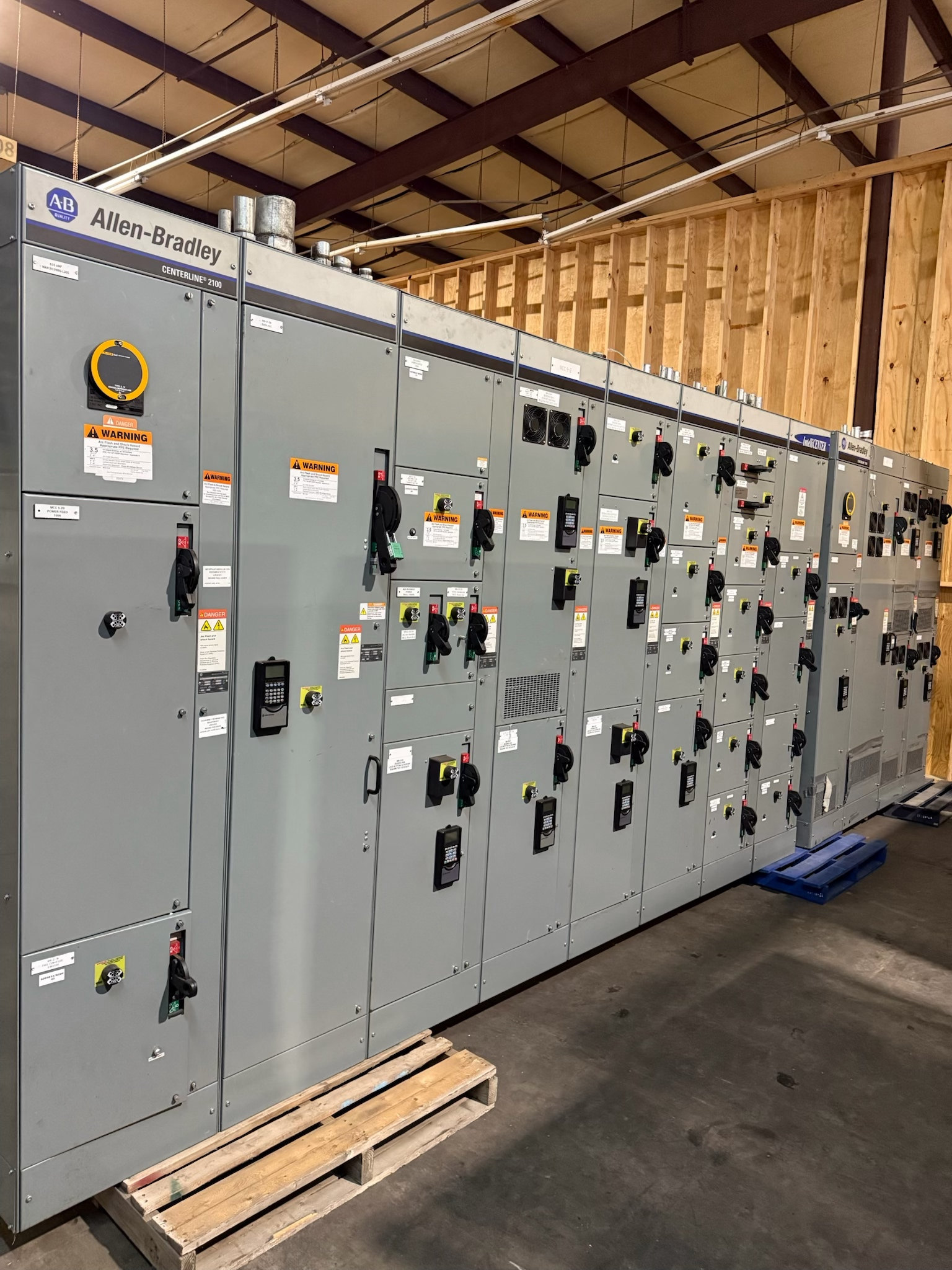
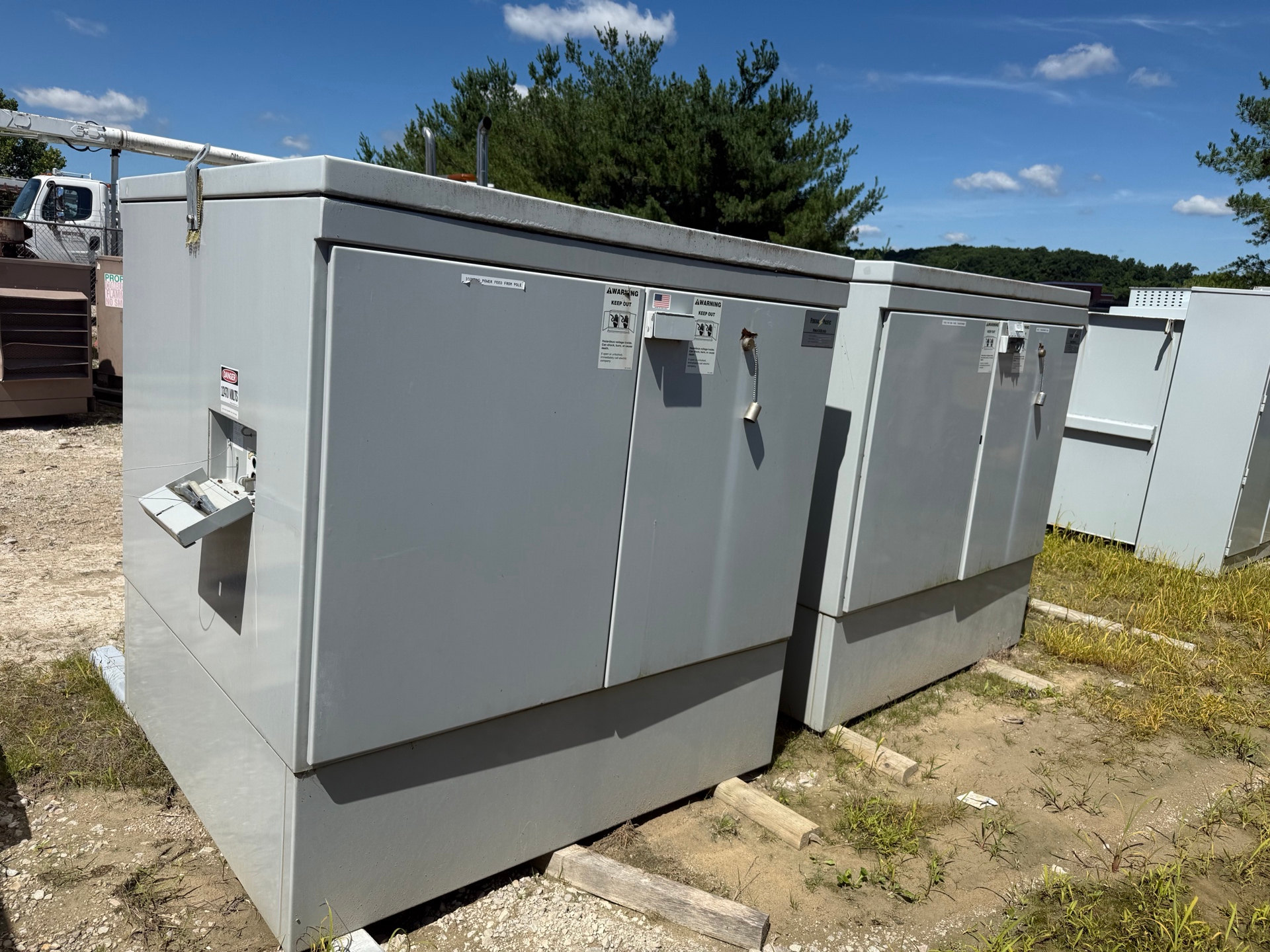
We buy used, surplus, and decommissioned electrical distribution equipment in Pennsylvania, including switchgear from decommissioned facilities. A seller can present available equipment for consideration as a group or identify distinct lots, such as line-related equipment and building gear. Any cash offer depends on the equipment and the information available; an offer is not promised for every item. Comparing an offer with continued storage can help an owner decide whether to retain inventory, pursue a sale, or coordinate disposition with broader facility plans.
Separate Production-Line Gear From Building Equipment
Inventory descriptions are more useful when they preserve the difference between electrical equipment associated with printing operations and equipment serving the facility more generally. A production-line group might be organized by the area, process, or equipment group it served, while building gear can be tracked separately. These descriptions provide context for evaluating a proposed sale without assuming that all equipment has the same use, condition, or disposition potential.
The owner can define the proposed sale scope around practical boundaries: a specific production area, a group of identified electrical assets, or equipment being considered alongside a larger facility transition. If an inventory combines line equipment with building gear, a simple separation by existing records or owner-provided descriptions can make the proposed scope clearer. There is no need to create new technical documentation for an initial discussion. Photographs or labels are optional and should be shared only when already safely accessible.
Consolidate Inventory Around the Proposed Sale
A printing plant may have accumulated electrical equipment across production areas, storage locations, and building systems. Consolidation for discussion does not require treating those items as one undifferentiated lot. The seller can group equipment by its known role, current location, or intended sale scope, then indicate which groups are available for consideration. This helps distinguish equipment connected with line changes from equipment included in a broader property or facility transition.
A consolidated inventory can also clarify what the seller expects to remain in place and what may be included in a sale. Existing asset records, descriptions, and safely accessible identification information can support that conversation. Owners retain control of site access and determine what information to provide. The buying process does not require seller testing. Equipment is considered based on the information available and the proposed scope, with any offer dependent on the equipment rather than on the size or name of the facility.
Compare a Cash Offer With Continued Storage
Storage can preserve an option to sell later, but it also keeps equipment within the owner’s ongoing inventory and transition planning. A cash offer provides a different choice: the owner can compare the proposed sale proceeds and pickup coordination with the value of retaining the equipment for a possible future use or disposition. The comparison is specific to the items under consideration; it should account for the owner’s priorities, the sale scope, and whether line-related and building equipment are being handled together or separately.
We make cash offers for equipment that may fit our purchasing scope, but not every item will receive an offer. If the parties agree on a sale, payment is made upfront before pickup. The owner can assess that arrangement against the practical alternative of continued storage, without treating an initial inquiry as a commitment to sell. Separating equipment into clear groups can help an owner compare options for production-line gear and building electrical equipment independently, where that distinction is useful.
Coordinate With the Facility Transition
A printing operation’s transition may involve production-line changes, consolidation of operations, property decisions, or a wider facility shutdown. Electrical disposition can be planned as one defined part of that work rather than being treated as identical to the disposition of presses, finishing machinery, or the building itself. Establishing which switchgear and MCCs are included, and whether they are tied to production areas or building systems, helps align the proposed sale with the owner’s transition scope.
The timing and access arrangements remain subject to owner coordination and agreement on the equipment being sold. Owners control site access and can identify the appropriate point of contact for arranging pickup. We handle cranes, rigging, disconnects, loading, freight, and hauling for an agreed sale. That handling scope allows the seller to coordinate electrical equipment pickup as part of its transition planning, while keeping the sale boundary clear between equipment offered for purchase and assets retained for other purposes.
Discuss Equipment Without Seller Testing
An initial equipment discussion can use the information the owner already has, such as inventory descriptions or existing records. Photos and labels may be useful if they are already safely accessible, but they are optional. A seller does not need to test equipment to begin a conversation, and we do not ask sellers to perform testing. The owner decides what information to share and maintains control over access to the equipment and the facility.
Descriptions can distinguish an MCC or switchgear group associated with a printing line from equipment identified as serving building electrical needs. If the role of an item is unknown, it can be described as unknown rather than assigned a function without support. Clear distinctions help define what is being offered, but an offer still depends on the equipment itself. This approach supports a focused review without requiring the seller to undertake technical work or handle equipment in preparation for an inquiry.
Set a Clear Sale Boundary and Pickup Plan
Before proceeding, the parties can confirm which equipment is included in the agreed sale and which assets remain with the owner. For a printing plant, that boundary may separate equipment connected with a production line from building electrical gear, or it may cover both categories under a defined scope. Recording that distinction in the sale discussion can reduce confusion as the facility transition moves forward, especially when several inventory groups are being considered at different stages.
After agreement, payment is made upfront before pickup, and we coordinate the equipment handling and transportation: cranes, rigging, disconnects, loading, freight, and hauling. The owner controls access and coordinates the site arrangements needed for pickup. A Pennsylvania printing plant owner can therefore compare continued storage with a specific sale proposal, decide whether the offered scope fits the transition, and proceed only if the equipment and terms are acceptable.