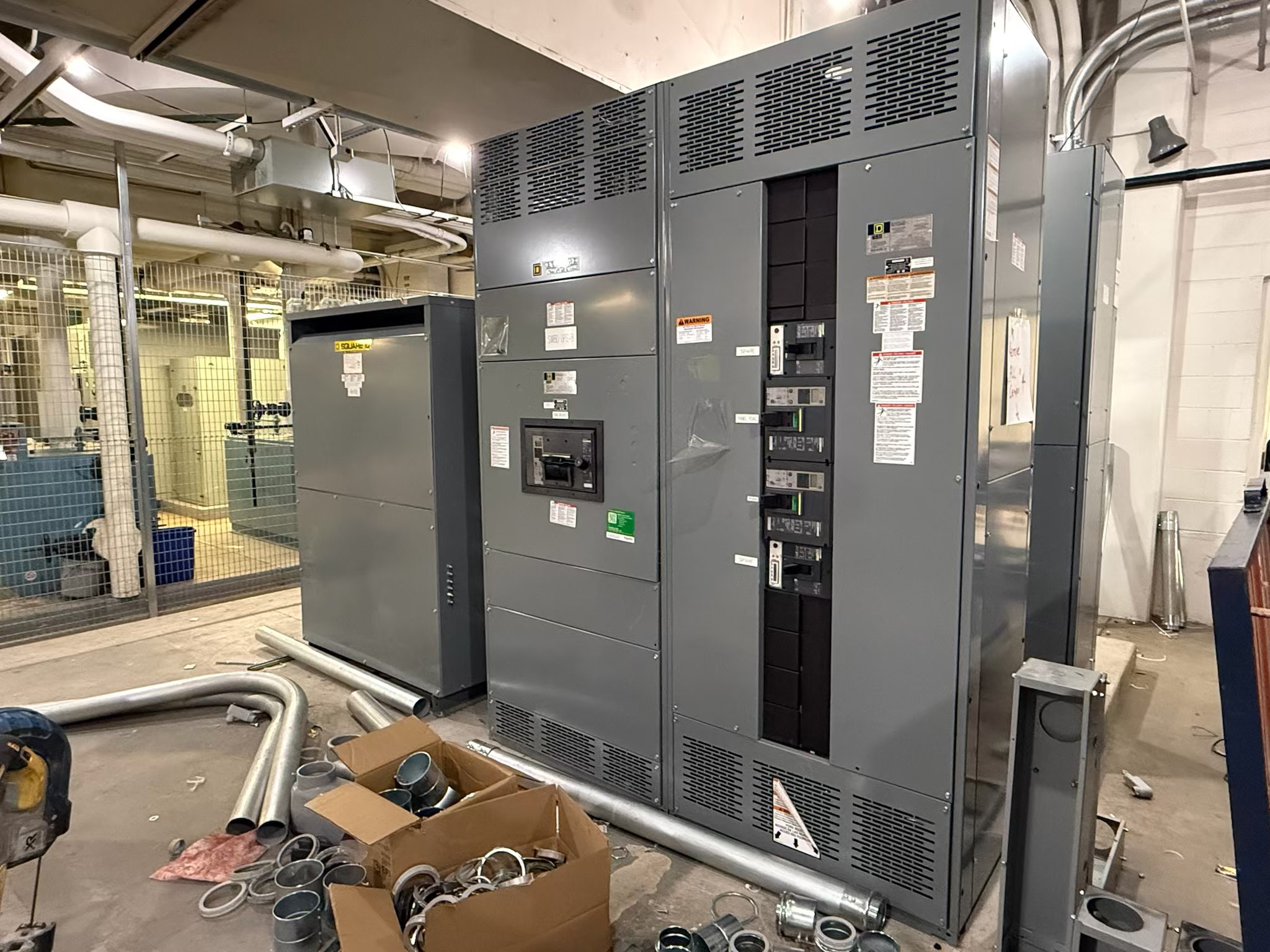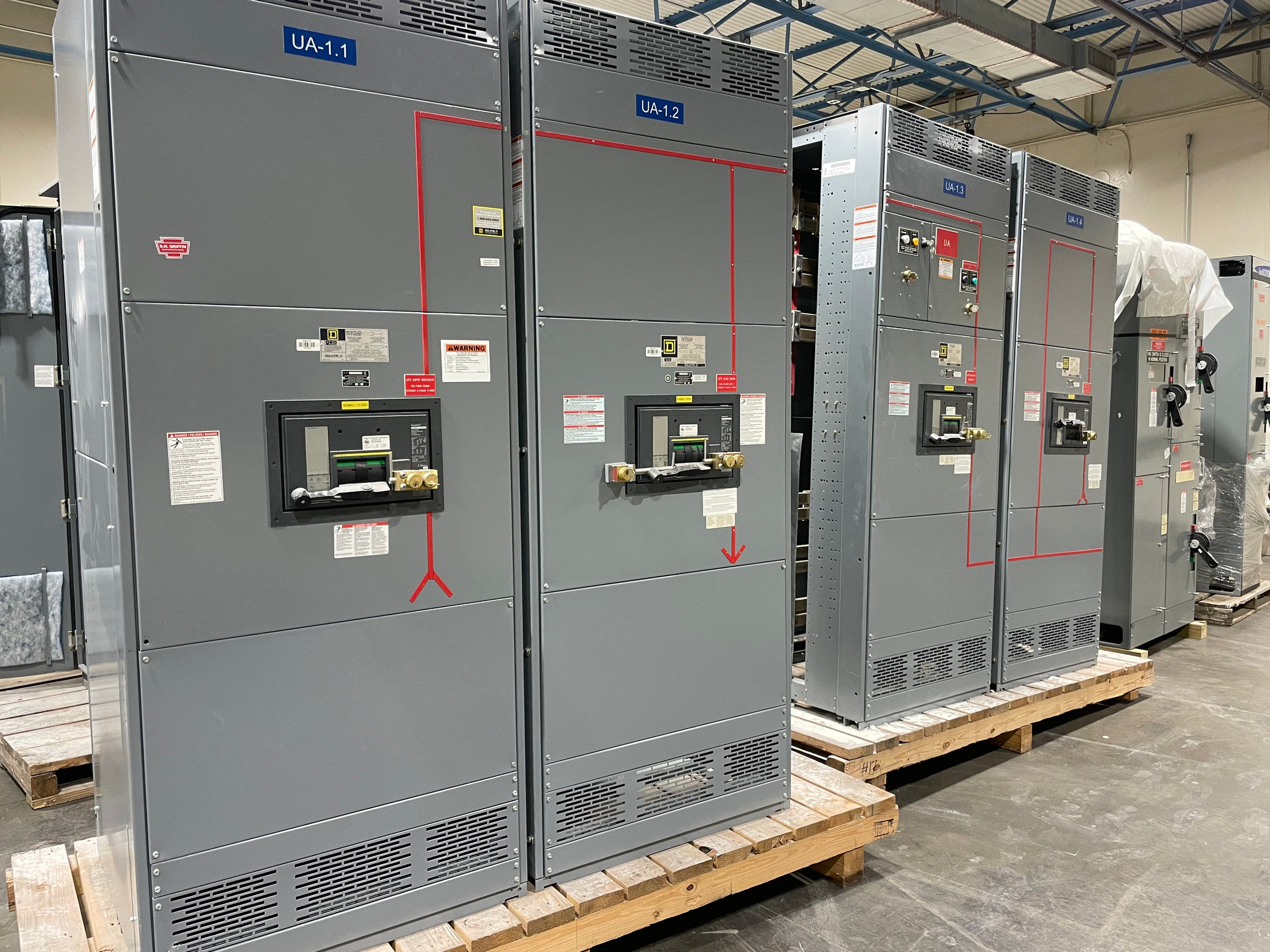
Which chemical plant equipment belongs in the sale?
Start by establishing which electrical distribution assets the owner is prepared to sell. A chemical plant may contain equipment serving production areas, utilities, warehouses, laboratories, offices, or site-wide distribution. The plant’s operating history does not by itself determine ownership or sale authority. Confirm the legal owner of each asset and identify any equipment that belongs to a tenant, contractor, utility, lender, or another party before presenting it for sale.
Separate the proposed sale assets from retained property in a written inventory or marked-up site record. Identify equipment intended to remain for ongoing operations, site security, utilities, remediation, demolition, or transfer to a new owner. Include relevant enclosures and associated components only when ownership and disposition are clear. This distinction helps prevent a buyer from treating an entire electrical room or distribution area as available when the seller intends to retain part of it.
How should ownership and sale authority be confirmed?
Who can authorize the sale, and what approvals are required? Depending on the ownership structure and closure circumstances, authority may rest with a property owner, operating company, insolvency representative, secured party, or another authorized decision-maker. Establish who can approve the asset list, accept an offer, arrange site access, and commit to a pickup schedule. Where more than one party has an interest, resolve approval and release requirements before treating equipment as available.
Keep asset descriptions tied to records the seller can support, such as existing inventories, equipment schedules, purchase records, or site drawings. Identify uncertain ownership or incomplete records rather than combining those assets with confirmed sale property. Equipment names and labels may assist identification when already safely accessible, but they are optional. No one needs to open equipment, energize it, disconnect it, or handle it to prepare an initial disposition discussion.
What environmental and site conditions affect disposition?
What site requirements must a buyer understand before arranging access? Chemical plant locations can have environmental controls, restricted areas, permit requirements, site-specific safety rules, or ongoing investigation and cleanup activities. The owner or responsible site representative should explain applicable access conditions, affected areas, and any restrictions relevant to viewing or removing sale assets. Keep that information separate from assumptions about the equipment’s condition or contents; site context alone does not establish either.
Coordinate disposition with the people responsible for environmental oversight, property operations, and any active remediation or demolition work. Identify retained systems, exclusion zones, and areas where access is not authorized. The buyer’s role is to evaluate the proposed electrical equipment for purchase and coordinate the agreed work scope; the seller remains responsible for identifying site requirements and granting authorized access. Do not treat equipment disposition as permission to handle, package, transport, or otherwise manage hazardous materials.
What documentation helps define the sale?
What information can the owner provide without additional site work? Useful records may include an asset list, available descriptions, existing photographs, ownership documentation, and records showing which equipment is retained. Photos or labels can be shared only when already safely accessible. A clear record should distinguish confirmed sale assets from items under review, excluded property, and equipment whose ownership or status is unresolved. This makes it easier to discuss a defined group rather than an imprecise plant-wide scope.
Documentation should also describe the boundaries of the proposed transaction: which assets are included, which parties have authority, what access conditions apply, and what site coordination is needed. Existing records may be incomplete, so describe uncertainty plainly instead of filling gaps with assumptions. No seller testing is required. The buyer makes a cash offer only when the equipment and proposed scope support one, and any sale depends on agreement between the parties and the equipment involved.
When is specialist review needed?
Who should resolve questions outside the equipment sale? The seller should involve appropriate ownership, legal, environmental, insurance, and site personnel when authority, restrictions, or site obligations are unclear. A specialist familiar with the relevant site requirements can help the owner determine whether an asset is eligible for disposition and what access conditions must be communicated. This review should address the seller’s obligations and site controls, not presume that electrical equipment itself is hazardous or suitable for any particular use.
A buyer’s review is not a substitute for the owner’s assessment of environmental conditions, regulatory responsibilities, or property rights. Keep decisions about remediation, retained infrastructure, and site closure with the responsible parties. If a proposed asset cannot be separated from retained property or access cannot be authorized, resolve that issue before including it in a sale scope. Clear roles reduce confusion during offer review and later coordination without requiring the seller to perform technical testing.
How are access and removal coordinated?
What must be settled before equipment is picked up? Agree on the included assets, access authorization, site restrictions, timing, and the person who will coordinate with the buyer. Owners control site access and should communicate any conditions that apply to the agreed work. The buyer handles cranes, rigging, disconnects, loading, freight, and hauling as applicable to the agreed equipment and scope. These arrangements are coordinated with the owner; they do not authorize entry into restricted areas or work outside the sale agreement.
Payment is made upfront before pickup. Confirm the payment arrangement and the assets covered before removal begins, and keep any retained property outside the agreed scope. Pickup planning should account for owner access controls and site coordination, while leaving electrical work and physical handling to the buyer’s coordinated removal process. The seller is not asked to test or energize equipment or to open, disconnect, dismantle, or move it in preparation for sale.
What does a practical disposition decision look like?
A useful disposition decision connects ownership, environmental and access requirements, records, and sale scope. For a chemical plant undergoing a change in ownership or operations, the responsible parties can first identify electrical distribution assets that may be sold, separate them from retained systems, and resolve authority and site conditions. That is a general planning circumstance, not a statement about any particular Pennsylvania facility. The same approach applies whether the property remains active in part or is undergoing a broader closure process.
Once the proposed assets and conditions are sufficiently clear, the buyer can consider whether to make a cash offer. An offer is not assured for every item; it depends on the equipment and the agreed scope. If the parties agree to a sale, payment is upfront before pickup, and removal logistics are coordinated around owner-controlled access and applicable site requirements. Keeping the transaction focused on identified sale assets allows the owner to retain control over property boundaries and site decisions while discussing disposition of eligible electrical equipment.