Who owns the motor control center buckets and sections?
In a factory shutdown, control of equipment may be divided among the property owner, a former operator, a purchaser of the facility, a lender, or a contractor responsible for closure. Before discussing a sale, establish which party has authority to sell the motor control center inventory. If ownership or sale authority is shared or subject to an agreement, resolve that scope with the relevant parties before presenting items for purchase. A clear account of ownership helps distinguish equipment available for sale from equipment retained with the building, transferred to another operator, or otherwise excluded.
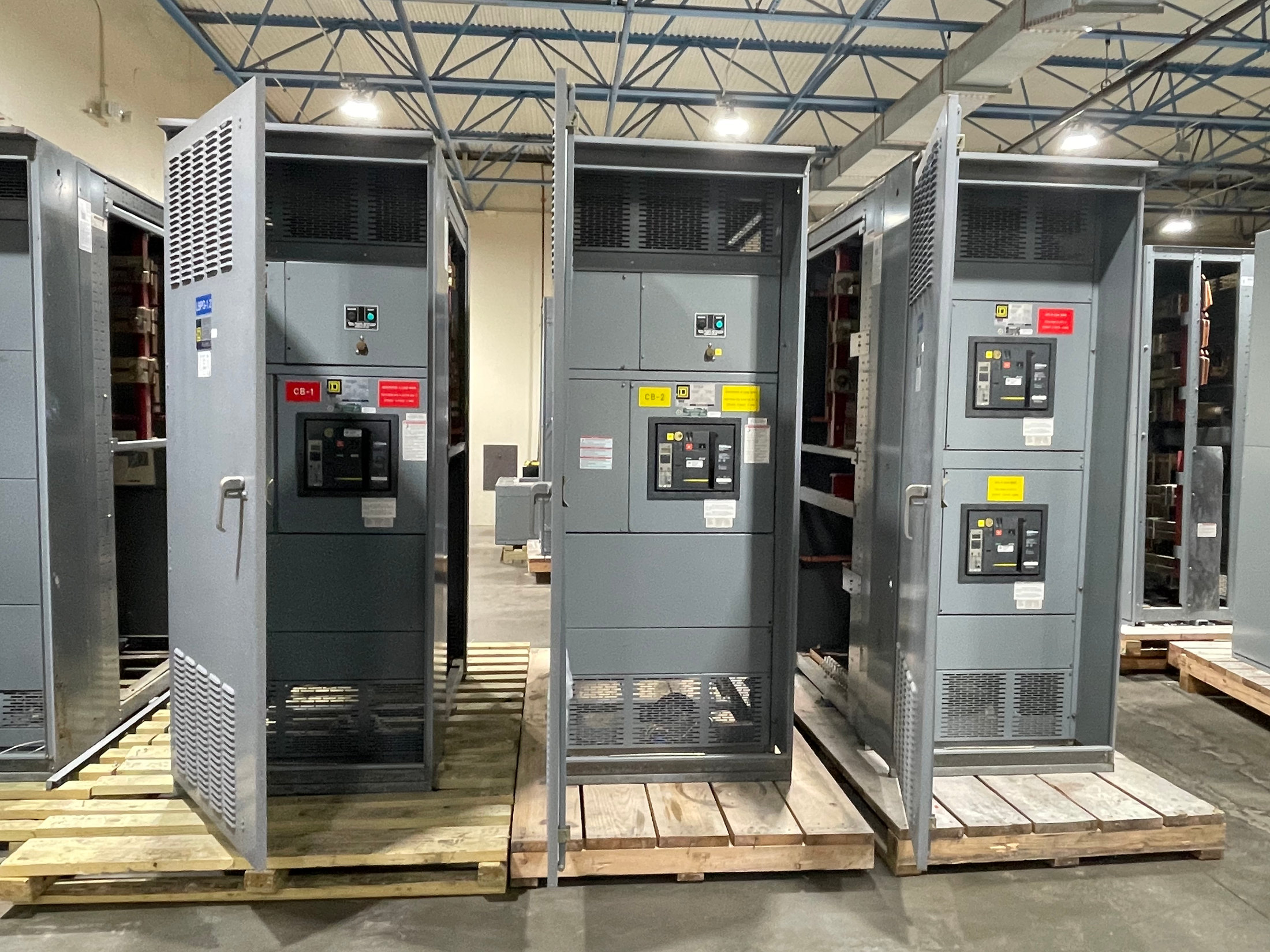
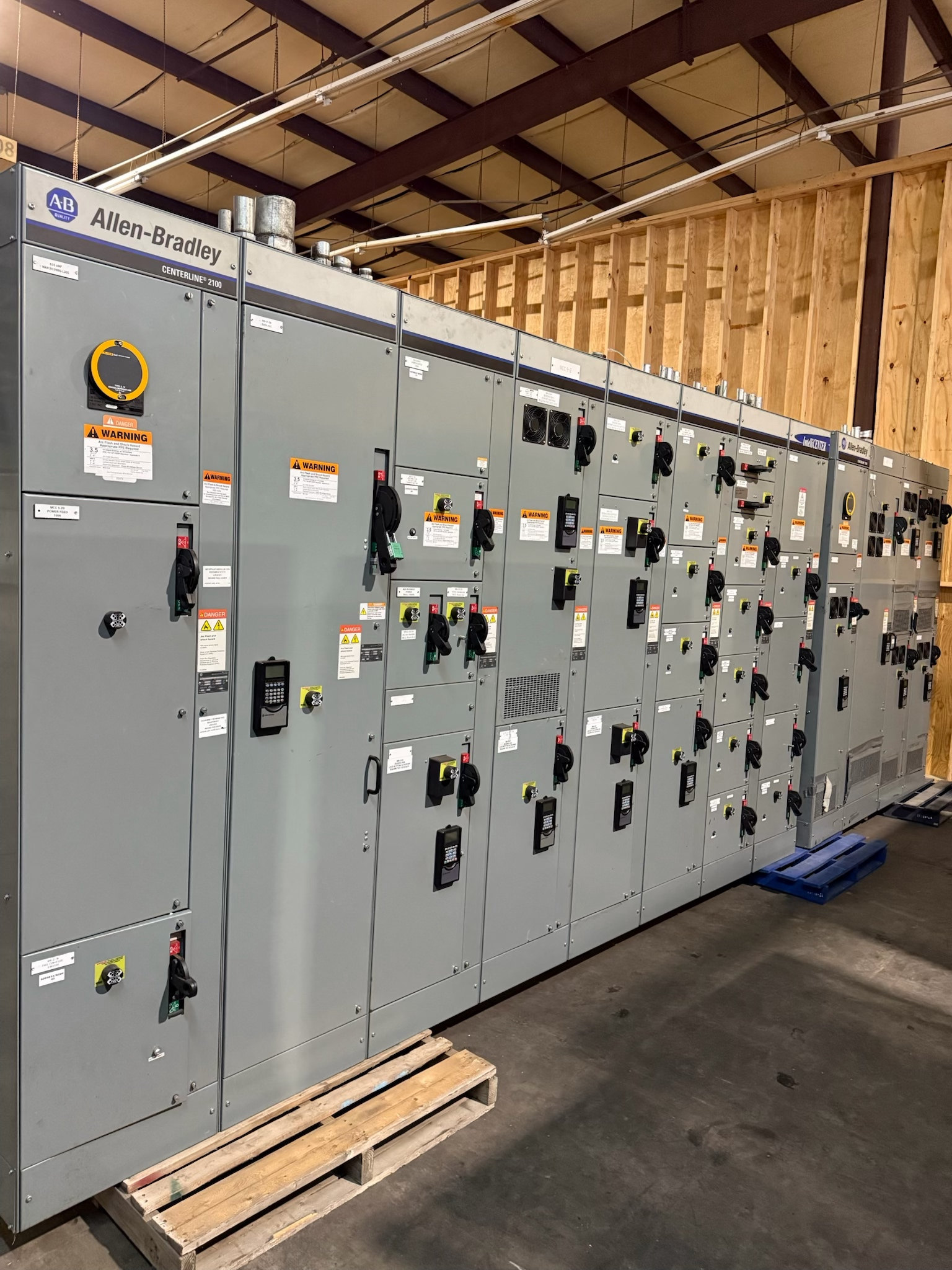
Define the inventory as specific property rather than simply “the MCC.” Identify whether the proposed sale covers individual removable units, sections, or both, and state who controls each category. A motor control center may be offered as a collection of buckets without the sections, as sections with specified units, or as a broader group that includes both. We buy used, surplus, and decommissioned electrical distribution equipment, but any offer depends on the equipment and the agreed sale scope. We do not assume that every item listed or pictured is available for purchase.
Which individual units are included?
Create a unit-by-unit inventory using the identifiers already associated with each removable bucket, such as catalog or other visible identification. Record the quantity of each listed identity and note any units that are explicitly excluded. Where an identifier is missing, unclear, or shared by more than one item, describe that uncertainty instead of assigning an identity. This keeps the proposed inventory tied to what the seller can establish and reduces the chance that similarly described units are treated as interchangeable.
If buckets are grouped by row, section, or location in the existing inventory, retain that grouping as an organizational reference while making clear which individual units it covers. Do not use a group count as a substitute for identifying exceptions: a single excluded bucket can change the scope of a whole group. Optional photographs or label details can help clarify an inventory when they are already safely accessible to the owner. They are not a requirement to make an inquiry, and nobody should open, move, or otherwise handle equipment to obtain them.
Are the sections part of the proposed sale?
State separately whether MCC sections are included, excluded, or still under review. If the sale includes selected sections, identify them using the seller’s existing records or visible identifiers and connect each to the buckets being offered. If only the removable units are for sale, say that the sections remain outside the sale. If a section is included but some of its associated units are excluded, make those exclusions explicit. The goal is a written boundary that both sides can use when discussing the property.
This distinction matters in a factory closure because ownership and disposition decisions may differ between removable units and larger assemblies. A property transfer might cover installed sections while a former operator retains particular units, or a closure inventory might offer units separately from the surrounding equipment. These are possible ownership arrangements, not assumptions about any specific factory. Confirm the actual arrangement from the parties’ records and agreements; a description of a shutdown alone does not establish who owns each component or what may be sold.
How should catalog identity and inventory condition be recorded?
Use catalog identities exactly as they appear in available records or on labels that are already safely accessible. Pair each identity with a quantity and a concise location or grouping reference if that information is known. Keep seller observations distinct from documented identity: for example, note that a particular record is incomplete rather than filling gaps with a guessed description. This creates a more dependable basis for review without treating similar-looking or similarly named items as the same equipment.
Describe the inventory at the level supported by the seller’s records. If ownership documents, lists, or closure records establish a particular boundary, use that boundary and identify any unresolved entries. A buyer may review the information provided and determine whether an offer is appropriate for the described equipment. No seller testing is required. Do not energize, open, dismantle, disconnect, or physically handle equipment to prepare a list or answer a question. Owners control access, and any optional visual information should come only from material or labels already safely available to them.
What should be settled before a buyer offer?
Before requesting an offer, provide the proposed inventory scope, the party authorized to sell it, the distinction between included buckets and sections, and any known exclusions. Identify unresolved ownership or inventory questions plainly so they can be addressed before the sale terms are agreed. If more than one party controls different portions of the equipment, clarify which portion each party can authorize for sale. An offer can then be considered against a defined group of items rather than an informal reference to all equipment remaining at a factory.
We make cash offers for used, surplus, and decommissioned equipment when the equipment and sale terms support a purchase. Offers are not automatic for every item, and an offer depends on the equipment and the scope agreed with the seller. Payment is made upfront before pickup. Discuss the inventory and scope before arrangements are set, so the seller and buyer have a shared understanding of what the agreed sale includes.
How are pickup responsibilities coordinated?
After agreement on the equipment and sale terms, coordinate access with the party that controls the property. Owners control access and any decisions about who may enter or what areas are available. We handle cranes, rigging, disconnects, loading, freight, and hauling as part of pickup coordination. These responsibilities do not change the need to establish which units and sections the seller has authorized for sale; the written scope remains the reference for the equipment being purchased.
For a shutdown inventory, coordination should use the agreed item boundaries rather than an assumption that everything in a room, lineup, or section is included. Identify exclusions and any areas or property outside the sale before pickup planning proceeds. The seller does not need to test or prepare the equipment for our review. Questions about ownership, authorization, or access should be resolved by the parties who control those matters, while pickup arrangements are coordinated for the equipment covered by the agreement.
What information makes the sale scope clear?
A useful sale description connects three things: who has authority to sell, which individual removable units are included, and whether the sections themselves are included. Catalog identities and quantities help define the units; explicit inclusions and exclusions define the boundaries; and ownership records or authorization establish who can approve the transaction. If any of those elements remain uncertain, identify the uncertainty rather than expanding the proposed sale by implication. This is especially useful when a factory closure leaves separate parties responsible for different assets.
Pennsylvania sellers can present a defined motor control center bucket inventory for review without assuming that every item will receive an offer. We buy across voltage classes, including switchgear from decommissioned data centers and shut-down power plants; an equipment category or origin does not determine whether a particular inventory is suitable for purchase. For a factory shutdown, the relevant starting point is the ownership and scope of the specific buckets and sections being offered. Cash offers, upfront payment before pickup, no seller testing, and coordinated handling of cranes, rigging, disconnects, loading, freight, and hauling support a direct sale once the equipment and terms are agreed.