An Industrial Park Sale Starts With Ownership
An industrial park equipment liquidation can involve several businesses, landlords, or property owners in one shared setting. Picture a hypothetical site where one owner is closing an operation, a second is clearing equipment it owns from a leased building, and a property owner is coordinating access to common loading areas. The equipment may appear to be part of one clearance, but ownership, sale authority, and pickup arrangements can differ from lot to lot. Establishing those distinctions early helps determine which equipment may be considered for purchase and who can authorize a sale.
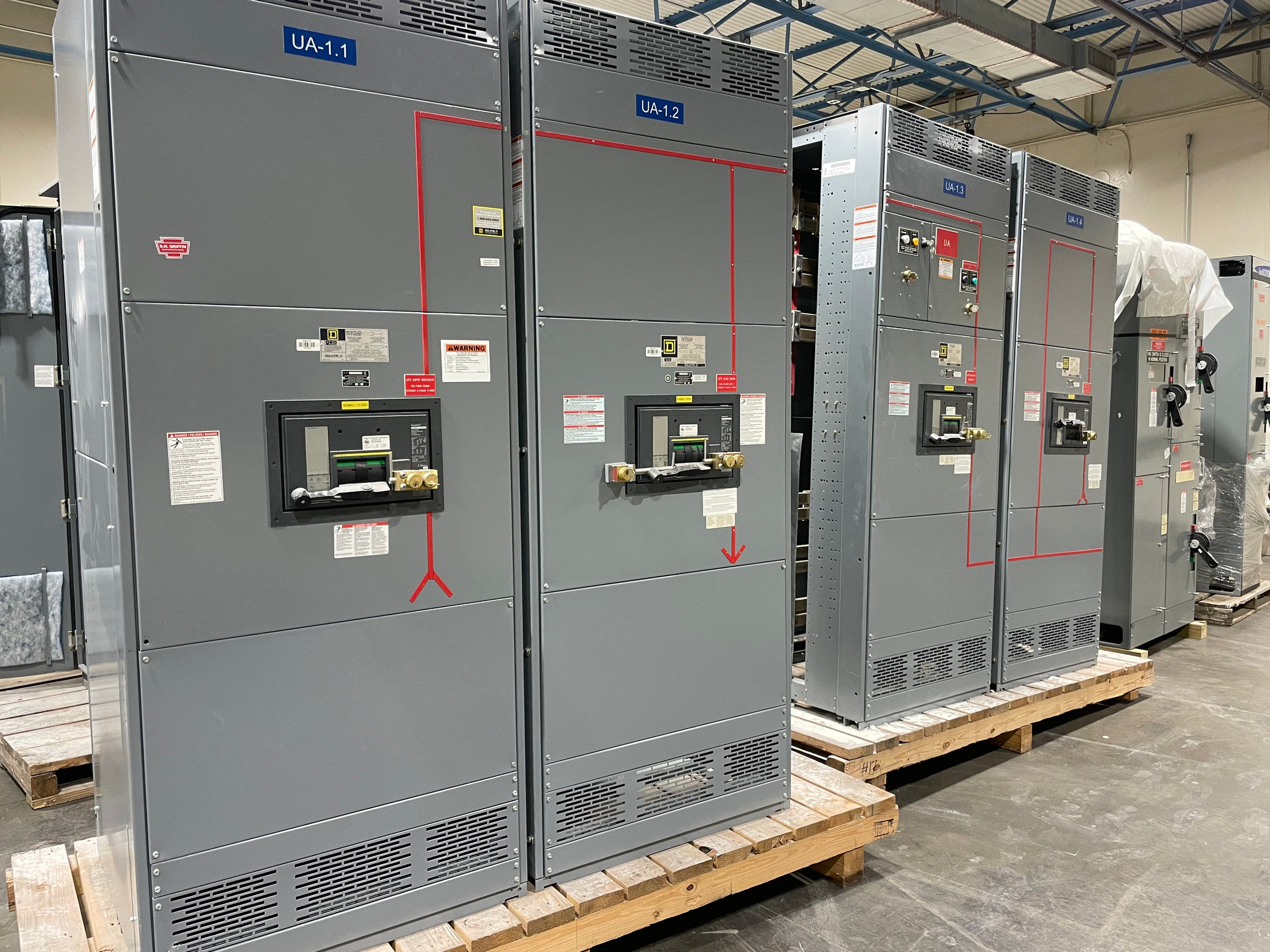
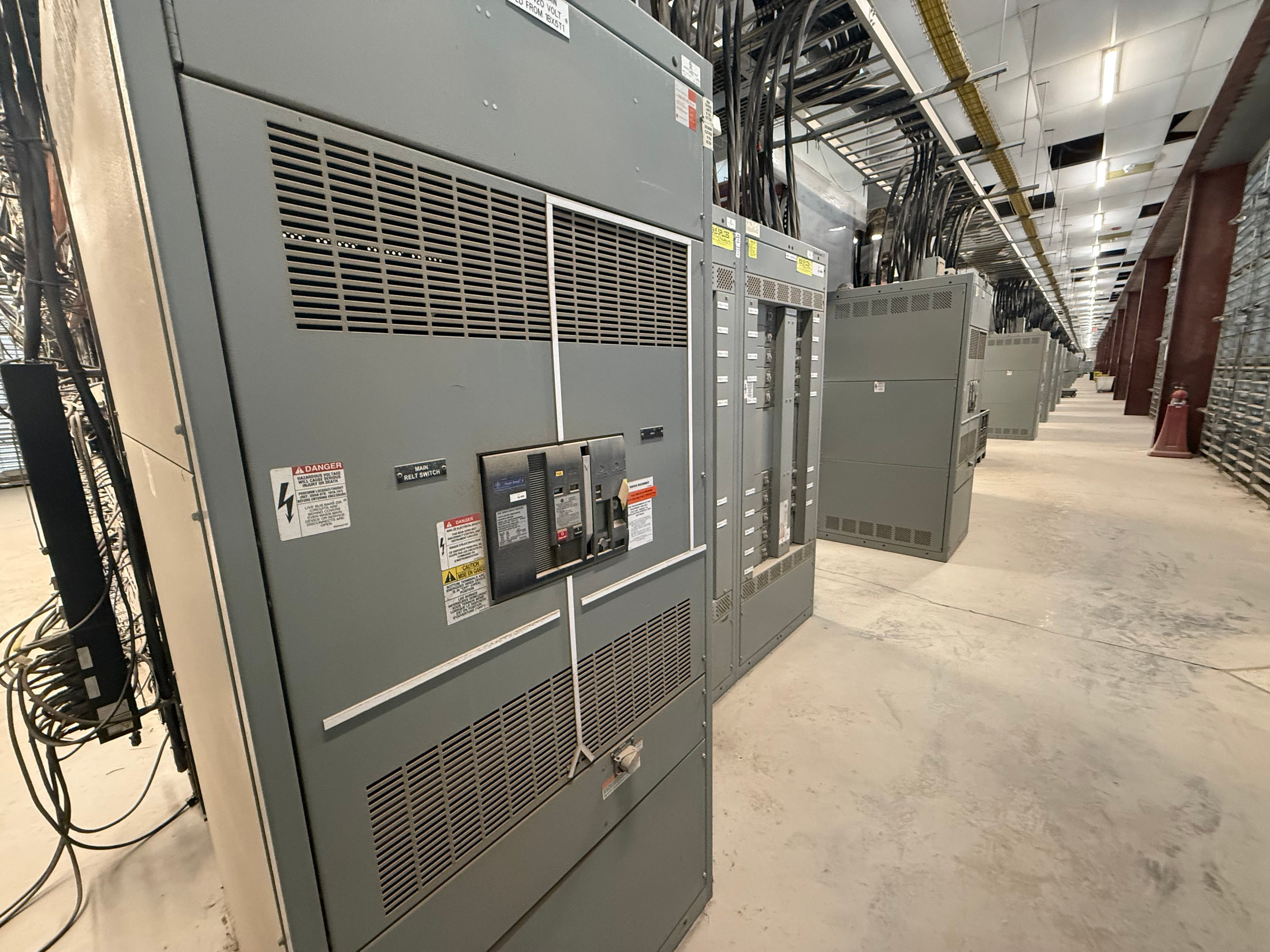
We buy used, surplus, and decommissioned electrical distribution equipment, including switchgear across all voltage classes. We make cash offers for equipment we are interested in buying; an offer depends on the equipment and the terms agreed upon. We buy only, so this is not a consignment or resale arrangement in which equipment remains listed on the seller’s behalf. Each prospective lot needs a clear seller with authority to sell it, even when several owners are coordinating a shared closure.
Separate Lots Before Combining the Schedule
A shared property does not make every item a shared lot. In an illustrative industrial park, one tenant might own equipment in its operating area, another might own surplus inventory elsewhere, and the building owner might control equipment or fixtures associated with the property. Keep each prospective lot tied to the party offering it. A simple written inventory can distinguish the owner, building or area, item description, and whether the item is being offered individually or as part of an agreed group.
Some equipment may be identifiable from existing records, while other details may remain uncertain. Useful information can include the general equipment type, manufacturer markings, visible labels, and approximate quantity when already known. Exact electrical characteristics, completeness, present condition, and included components should not be assumed from a building name or a label alone. Photos and label information are optional; only share them if they are already safely accessible. Owners retain control of access, and no seller testing is required.
Building Labels Need Context
Industrial parks often use building numbers, tenant names, room labels, or internal asset tags to distinguish areas. Those references can help organize a discussion, but a label does not by itself establish ownership, sale authority, or what is included in a lot. For example, a panel marked for one tenant may sit in a shared building, while an asset record may list equipment that has since been relocated. Keep the property reference alongside the seller’s own description so that similarly labeled equipment is not confused across buildings or lots.
Where records are incomplete, identify what is known and leave unresolved details open for confirmation by the owner. Avoid treating a site-wide equipment list as proof that one party can sell every listed item. A landlord, tenant, operator, or asset owner may need to confirm the boundary between its property and another party’s property. This distinction is especially useful when the sale includes equipment from multiple buildings, former tenants, or areas with shared access, because the sale discussion can then follow the actual ownership and authorization for each lot.
Confirm Authorization for Each Seller
A buyer can discuss a lot with a person who is authorized to represent its owner, but the authority should be clear before a sale is agreed. In a hypothetical multi-owner closure, one company may appoint a representative for its own equipment while the property owner separately coordinates building access. Those roles are not interchangeable: permission to arrange access does not necessarily establish permission to sell another party’s equipment. Identify the seller for each lot and the person empowered to agree to its sale.
If ownership is disputed, records are being reconciled, or a tenant’s equipment may belong to a lessor or another party, resolve that question before treating the items as available for purchase. A sale depends on agreement about the equipment and transaction. Cash offers are made for equipment we choose to buy, and payment is upfront before pickup. This sequence gives the parties a clear point to align the accepted lot, seller authorization, and payment before any collection is scheduled.
Plan Shared Pickup Constraints
Multiple lots at one industrial park can create practical coordination needs even when the equipment and sellers are separate. Access windows, loading areas, vehicle routes, building entry, and site rules may be controlled by different owners or managers. Discuss those constraints for the relevant buildings and lots rather than assuming that permission at one location applies throughout the property. The owners or their authorized representatives control access and coordinate any required site permissions.
For equipment we agree to buy, we handle cranes, rigging, disconnects, loading, freight, and hauling. Pickup planning can account for the agreed equipment, its location, and the access arrangements established by the property’s responsible parties. Sellers do not need to perform testing for our purchase review. They should not open, energize, disconnect, dismantle, or physically handle equipment for this discussion; access and site activity remain under the owners’ control. Clear coordination helps keep one seller’s lot and pickup arrangements distinct from another’s.
From Inventory Review to Agreement
A practical sequence is to identify candidate lots, associate each with its owner and building location, share available descriptions, and clarify who can authorize the sale. Then the equipment and proposed terms can be reviewed for a possible cash offer. The review is based on the information available and the equipment itself; an inventory label or general description alone does not establish that every item is suitable for purchase. If a lot includes mixed ownership or uncertain contents, separating it or clarifying its boundaries can make the discussion more precise.
When the parties agree on equipment and terms, payment is made upfront before pickup. We buy only, and an offer is not assured for every item. Once an agreed purchase is ready for collection, we handle the cranes, rigging, disconnects, loading, freight, and hauling, while access remains subject to the property owners’ arrangements. For a multi-owner industrial park liquidation, keeping ownership, authorization, lot descriptions, and shared-site coordination connected—but distinct—helps each seller understand what is being offered and what must be settled before pickup.