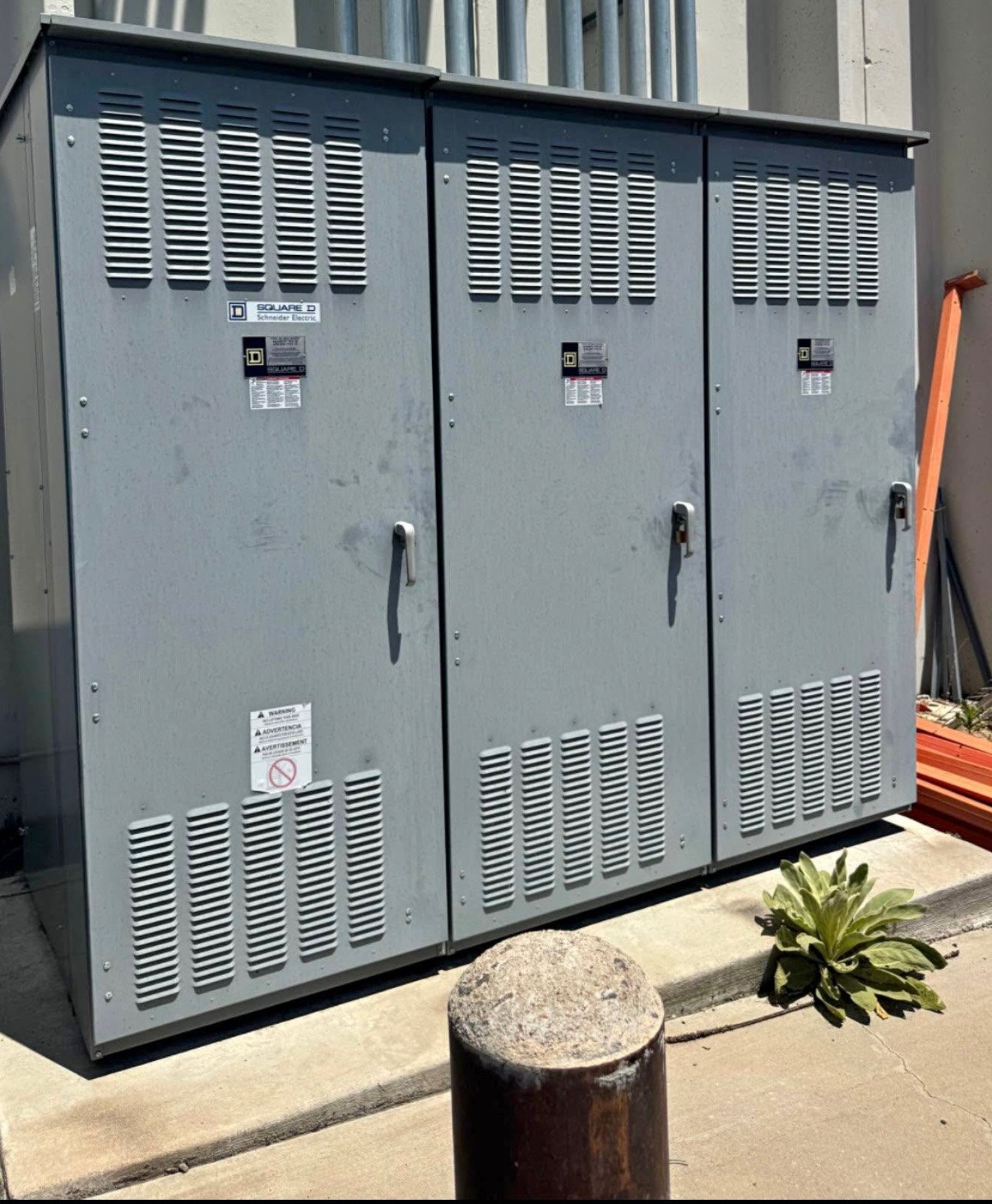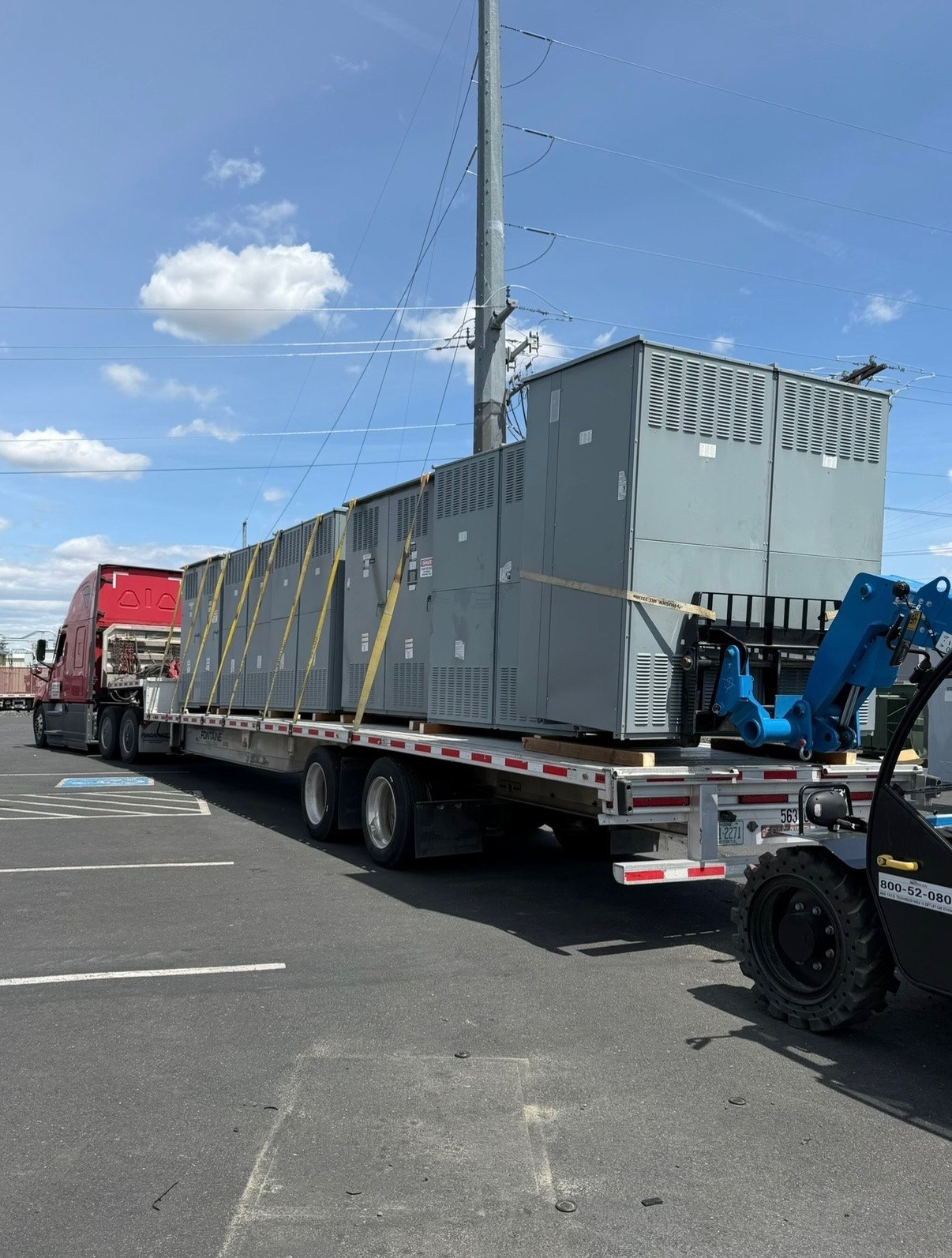
Inventory First: Define What Is Available for Sale
Industrial building redevelopment can leave electrical equipment with different owners, purposes, and removal timelines. Before comparing offers, separate equipment that the seller controls from items assigned to a landlord, utility, tenant, or redevelopment contractor. The building’s distribution equipment may include standalone units, grouped assemblies, or equipment retained to support services during a transition. Ownership and intended disposition matter as much as the item’s location: equipment that remains in service or is reserved for the next occupant is not part of the sale inventory.
Create an inventory around identifiable equipment and its relationship to the building. Record available descriptions from existing labels or records, approximate quantities, whether items are individual units or part of a connected lot, and whether they are surplus, decommissioned, or expected to remain. Photos and label details are optional, and should be gathered only where already safely accessible. No one needs to open, energize, test, disconnect, dismantle, or handle equipment to start a discussion. A clear inventory gives us a basis to consider a cash offer, subject to the equipment and agreed scope.
Separate Leased Fixtures, Owned Assets, and Retained Service Equipment
Redevelopment inventories can mix electrical assets with fixtures that belong to a property owner or equipment provider. Leased or otherwise third-party-owned equipment should be distinguished from assets the seller is authorized to transfer. If ownership is shared or unclear, resolve who can approve a sale before including the item in the offered scope. A buyer cannot acquire more authority than the seller has; clear boundaries help prevent a later dispute over what was included or who can release it.
Retained service equipment also needs its own status in the inventory. A redevelopment plan may preserve selected equipment for continued building service, a later phase, or a future occupant, while other equipment is surplus. Identify retained assets separately and describe any planned boundary between retained equipment and sale inventory using the seller’s existing records and project decisions. We can discuss only the items the seller identifies as available. This distinction is especially important when a single item sits within a larger assembly or when multiple parties control different parts of the building’s electrical equipment.
Single Item or Mixed Lot: Choose a Clear Sale Scope
A single-item sale can suit a seller with one clearly identified piece of surplus equipment, or with a larger inventory that must be divided by ownership, timing, or redevelopment use. Its scope can be easier to define: identify the item, confirm the seller’s authority, and describe its current status and access context. The offer will depend on the equipment and the terms agreed. An item’s presence in a building redevelopment does not by itself make it suitable for purchase, and there is no promise of an offer for every item.
A mixed lot groups several available items for consideration as one sale scope. It can be useful when the seller wants to coordinate multiple surplus assets together, but the inventory should still distinguish item types, quantities, ownership, and retained equipment. Grouping everything under a general label such as “electrical equipment” can obscure leased fixtures, service assets that must stay, or items with different release dates. We can consider a mixed lot or an individual item based on the information provided and the equipment involved; the seller and buyer must agree on what is included and how the sale will proceed.
Plan Redevelopment Sequencing Before Pickup
A redevelopment schedule may place equipment disposition alongside tenant turnover, building access changes, contractor work, and other project milestones. Start by identifying when each included item becomes available and whether the seller expects equipment to remain in place until a particular phase. Separate readiness for a sale discussion from readiness for pickup: equipment can be inventoried now even when project sequencing means it cannot be released yet. That distinction helps the seller avoid including items that must remain available for building operations or a later redevelopment decision.
Pickup coordination depends on the agreed scope, the seller’s authority, and access arranged by the people responsible for the property. Owners retain control of access and determine when and how the site can be entered. Share known constraints and the expected release sequence so logistics can be discussed around the building’s redevelopment plan. Do not assume that equipment can be collected simply because it has been identified as surplus. The sale and pickup timing must be coordinated with the seller and those authorized to manage the property, with retained equipment clearly outside the agreed scope.
Agree on Authority, Scope, and Payment
Before proceeding, establish who is authorized to sell the listed equipment and who can approve its release for pickup. A property owner, tenant, asset owner, or project representative may have different responsibilities; the seller should confirm the authority that applies to each item. Then align on whether the transaction covers one item or a mixed lot, what equipment is included, and which assets remain with the building. This agreement is the practical foundation for coordinating a redevelopment sale without confusing sale inventory with leased fixtures or retained service equipment.
We make cash offers for equipment we are interested in purchasing, but offers depend on the equipment and require agreement between buyer and seller. Payment is upfront before pickup. We do not require the seller to test equipment, and no seller testing is needed to begin the conversation. The seller can provide information already available in records or safely accessible labels and photos, if useful. These terms support a direct transaction while keeping the sale scope tied to equipment the seller controls and has agreed to sell.
Coordinate Removal and Transportation Responsibilities
Once the sale scope and pickup arrangements are agreed, we handle cranes, rigging, disconnects, loading, freight, and hauling for the equipment we purchase. The seller does not need to arrange those services as a condition of a potential sale. Coordination still depends on agreed access and the redevelopment schedule, including any requirements set by the property owner or authorized site representative. Keep equipment outside the sale scope, including retained service assets and third-party property, distinct from the items being coordinated for pickup.
A useful handoff connects the inventory to the agreed pickup scope: identify what is being sold, where it is located according to the seller’s information, and when authorized access can be arranged. Owners control access, and site arrangements should be made through the parties responsible for the property. No one needs to perform seller testing or physically handle equipment to provide the initial inventory. If the project’s sequence changes or an item’s ownership status is unresolved, clarify the sale scope before pickup coordination proceeds. This keeps the transaction focused on equipment the seller is authorized to transfer.
Start With the Inventory, Then Discuss the Sale
For a Pennsylvania industrial building redevelopment, the most useful first step is a scope-based inventory rather than a general estimate of everything in the building. Identify available equipment, distinguish a single item from a mixed lot, flag leased or third-party fixtures, and set aside equipment intended to remain for service or later project phases. Add the seller’s expected release timing and any known access constraints. Existing descriptions, records, and safely accessible photos or labels can help explain the inventory without requiring tests or physical handling.
We review the information provided and can discuss a cash offer for equipment that fits the proposed sale, with the final scope and terms subject to agreement. Payment is upfront before pickup, and we handle cranes, rigging, disconnects, loading, freight, and hauling for equipment we purchase. A defined inventory lets the seller and buyer discuss the right transaction structure while preserving the redevelopment plan’s ownership boundaries and sequencing. Begin with the items the seller controls and is prepared to sell; then coordinate pickup only after the scope, payment, and authorized access are agreed.