A relocation creates a different surplus decision
When a Pennsylvania factory moves its operations, electrical distribution equipment may fall into two groups: equipment needed at the new location and equipment the company no longer plans to keep. That distinction is central to a relocation sale. A switchgear lineup can remain essential to the operating plant even when other electrical assets are surplus, so the sale should be based on the company’s actual transition plan rather than on a broad assumption that everything at the facility is available.
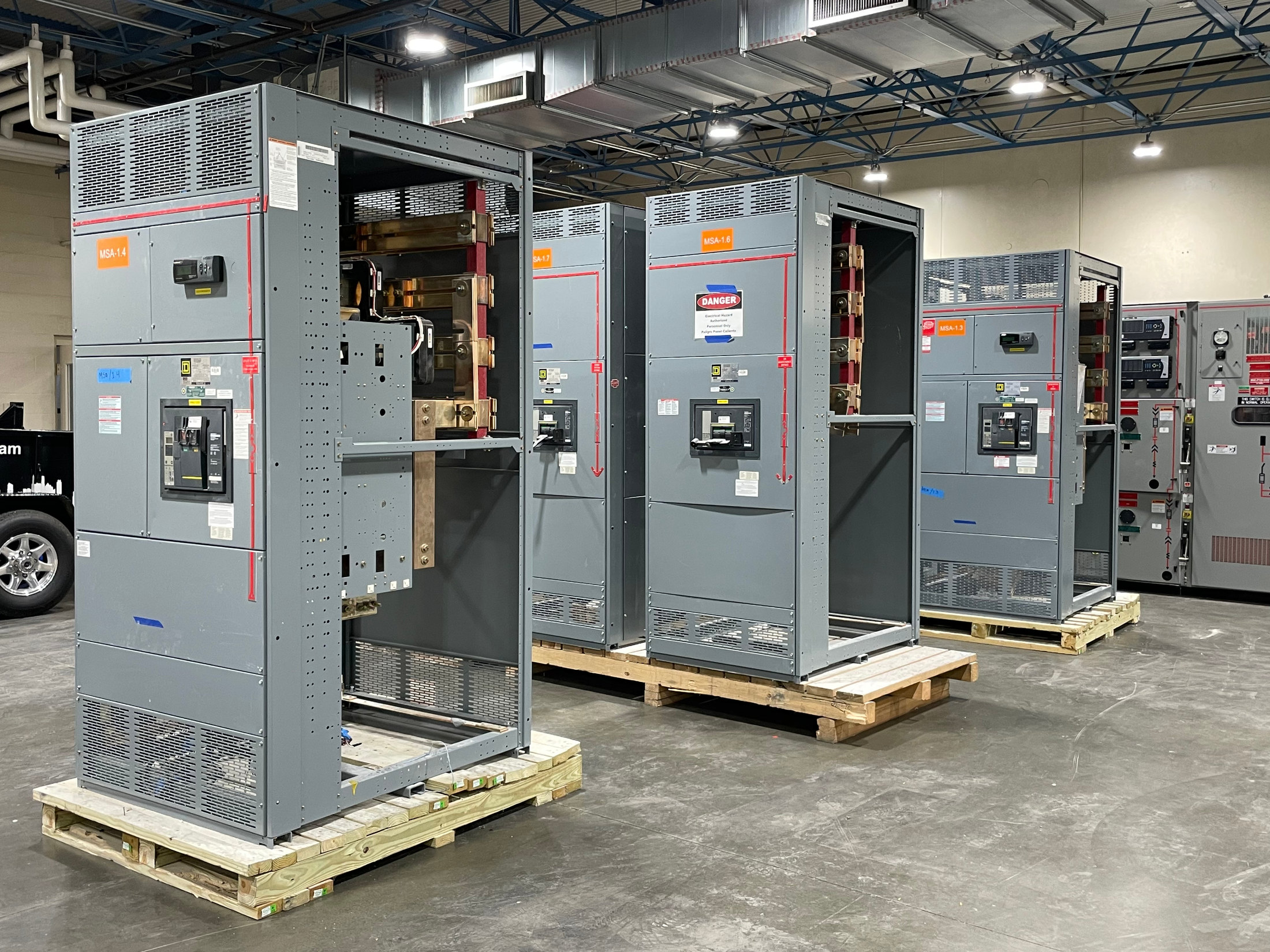
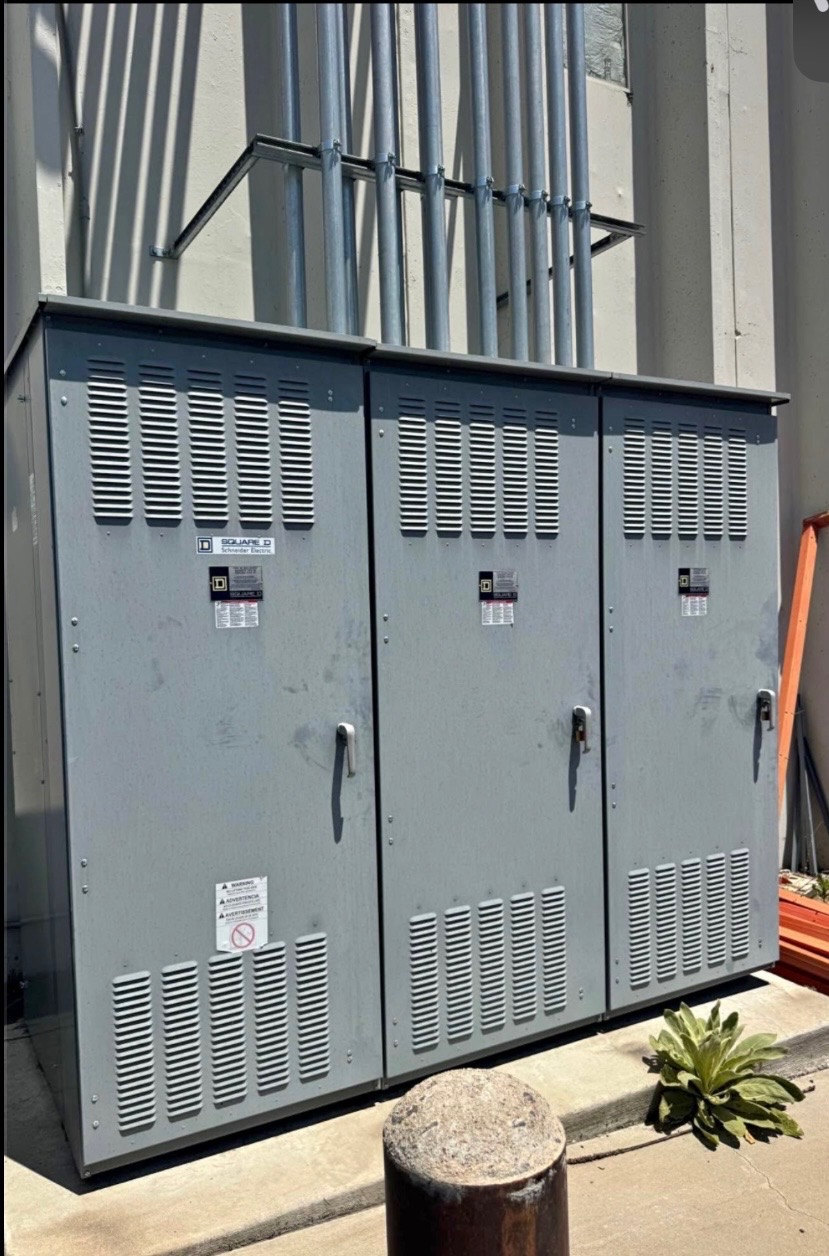
We buy used, surplus, and decommissioned switchgear across all voltage classes, including equipment associated with factory relocations. The opportunity may involve a defined group of surplus assets rather than the full contents of a closing industrial site. We review the equipment offered and its sale scope, then make a cash offer when the equipment and terms support one. An offer is not automatic for every item or lot; it depends on the equipment and the parties’ agreement.
Separate moving assets from sale assets
Before requesting an offer, the owner can distinguish equipment scheduled to move from equipment being considered for sale. This helps prevent confusion around shared systems, partially retained lineups, and assets whose status may change as relocation planning develops. An inventory can identify each item by the owner’s description or existing records, with notes indicating whether it is moving, being held for a decision, or available for a buyer’s review.
A relocation surplus lot is often narrower than a general plant-shutdown lot. A shutdown may place a broader range of electrical equipment and site assets into a single closure process; a factory move can preserve much of the operation while releasing selected distribution equipment. We focus on the switchgear being offered, not on treating the move as a whole-facility purchase. Clear boundaries make it easier to discuss what is included and to coordinate around equipment that remains with the business.
Confirm ownership and sale authority
The person coordinating a sale should confirm that the company or authorized seller has the right to transfer each offered asset. Relocation can involve equipment owned by the operating company, a property owner, a lender, or another party, so title and authority matter before sale terms are finalized. If ownership records or internal approvals are still being resolved, identifying that status early can keep the proposed lot from including assets that cannot yet be sold.
Inventory descriptions do not need to be elaborate to begin a discussion, but they should help distinguish one item or group from another. Existing asset lists, labels, and records can support that review. Photos or label information are optional and useful only when already safely accessible. Owners control access to the site and equipment; a sale discussion does not require the seller to open equipment, perform testing, or handle it for documentation.
Evaluate an offer without testing
A seller can consider an offer without testing the switchgear. We do not require seller testing, and owners should not energize equipment or open, disconnect, dismantle, or physically handle it to prepare for an offer. The review can begin with the information the seller already has, such as inventory descriptions, available records, and the stated boundaries of the lot. The amount and scope of information available will vary from one relocation to another.
An offer reflects the equipment presented and the terms the parties are prepared to accept; it is not a promise that every listed item will receive an offer. A company can compare the proposed sale against its relocation needs, title status, and departure schedule before agreeing. If the parties reach agreement, we provide cash payment upfront before pickup. The seller can then coordinate release with the people responsible for the site and the assets, without arranging a separate testing process for the sale.
Set the sale scope before the departure date
A factory move has dates tied to production changes, asset release, and departure from the current location. Sharing the expected date when discussing the equipment helps establish whether the sale scope and pickup arrangements can be coordinated within the seller’s plan. The date should reflect when the offered equipment can be released, not simply the date the company expects to leave the building. Equipment retained for continuing operations may need to remain outside the sale scope until the owner is ready to release it.
If the inventory changes as relocation plans develop, the seller can clarify which items remain available and which are being moved or held back. A defined lot reduces the chance of confusing surplus switchgear with equipment needed at the destination. We discuss the offered assets and agreed scope directly; any purchase depends on the equipment and mutual agreement. That approach is distinct from assuming a complete plant shutdown or a sale of all electrical equipment at the site.
Coordinate pickup and site responsibilities
For equipment included in an agreed sale, we handle cranes, rigging, disconnects, loading, freight, and hauling. This keeps those pickup and transportation arrangements with us rather than requiring the seller to arrange them as separate services. The owner or site representative controls access and coordinates any facility requirements relevant to releasing the assets. Pickup planning should be tied to the agreed equipment and the seller’s relocation schedule.
Payment is made upfront before pickup. This gives the seller a clear payment point before the equipment leaves the site, while the agreed sale scope and access arrangements guide the handoff. No seller testing is required. The seller can keep equipment slated for the new operation separate from the sale lot and coordinate access through the appropriate site representative, without undertaking physical preparation of the switchgear for us.
A focused route for relocation surplus
For a Pennsylvania company relocating a factory, selling selected surplus switchgear can be considered alongside the larger move without turning the decision into a plant-wide liquidation. Start with the assets the owner has identified as surplus, confirm authority to sell them, and describe the lot and expected release timing. That information provides a basis for discussing whether the equipment and proposed terms support an offer.
We buy used, surplus, and decommissioned electrical distribution equipment, including switchgear from changing industrial operations. We make cash offers when appropriate, with payment upfront before pickup, and we handle cranes, rigging, disconnects, loading, freight, and hauling. Each sale depends on the equipment offered and agreement between buyer and seller. A focused lot, clear ownership, and a practical departure window help keep the equipment sale distinct from the machinery and electrical assets moving with the factory.