Decide What You Own and Want to Sell
Before arranging a sale, establish that you have authority to sell the power plant motor control center inventory. Confirm the legal owner of the equipment and identify who can approve the transaction, agree to the sale terms, and authorize pickup. If ownership or decision-making authority is shared, resolve those questions before presenting the inventory for buyer review. A clear basis for the sale helps keep the discussion focused on the equipment actually available.
Define the proposed sale as MCC equipment rather than a broader plant package. The inventory may include sections and starter units, while turbine equipment and other plant assets remain outside the scope. State whether the proposed sale covers all identified MCC items or only a portion, and distinguish included items from anything retained or being considered separately. We buy used, surplus, and decommissioned electrical distribution equipment; an offer depends on the equipment and the agreed scope.
Build a Useful MCC Inventory
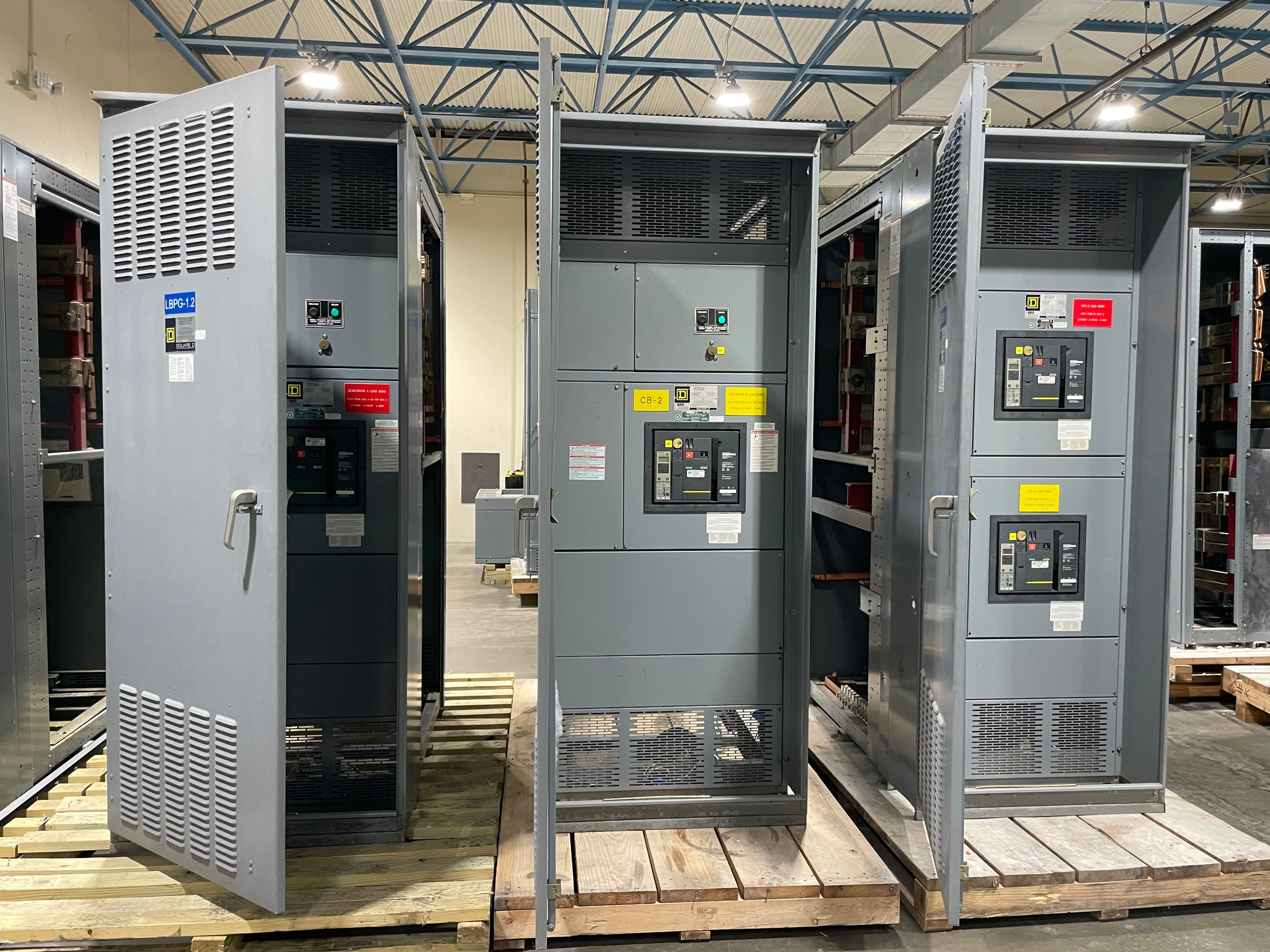
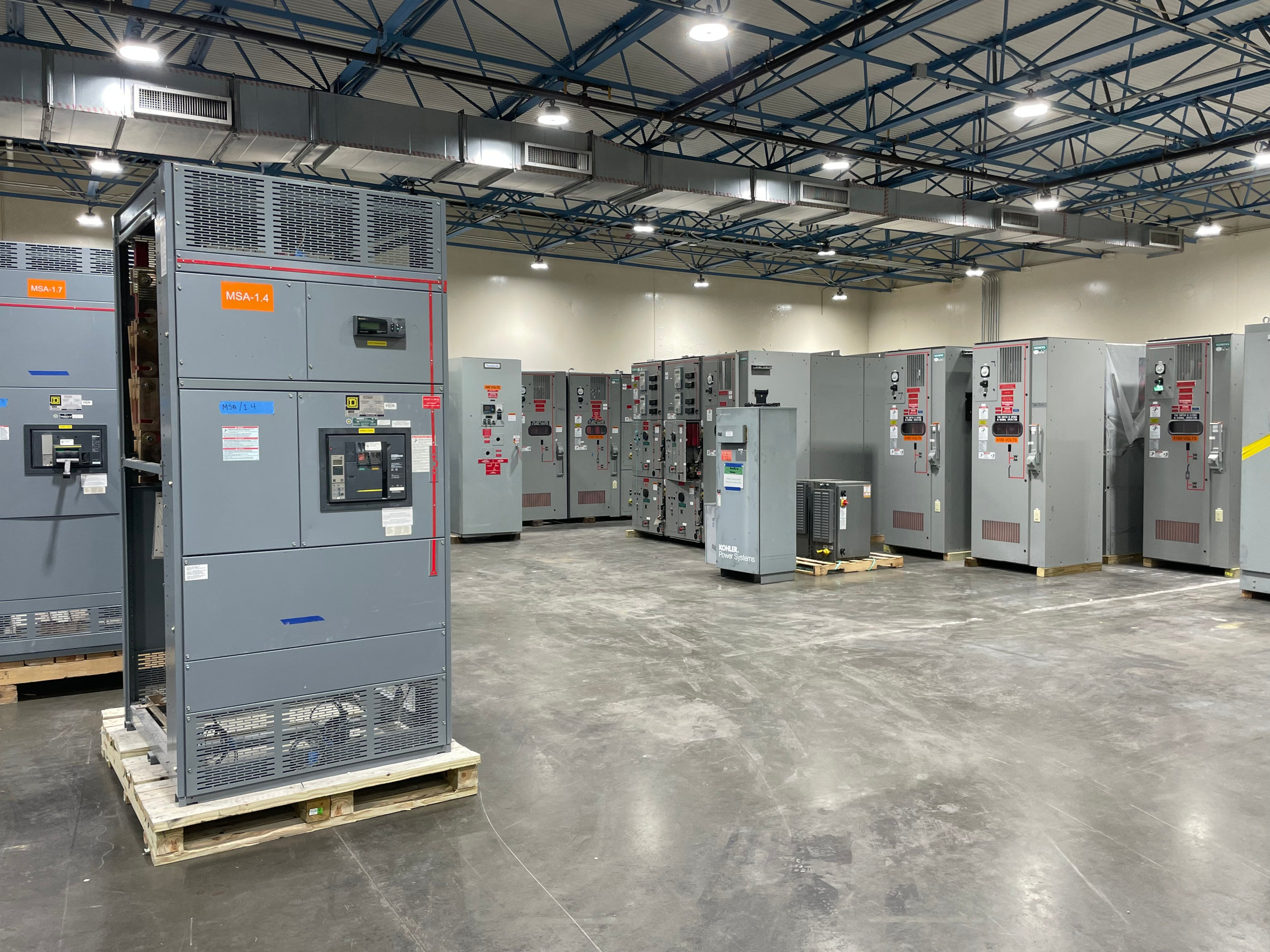
Create an inventory that identifies the MCC sections and starter units being offered, using descriptions already available to the owner. Record recognizable identifiers or existing labels when they can be read safely without accessing or handling equipment. If the inventory has gaps, mark information as unknown rather than filling it in by assumption. Counts and clear item groupings make it easier to understand whether the proposed sale concerns complete sections, individual units, or a mixed lot.
Keep the inventory tied to the actual items under consideration. Where sections or units are not included, separate them in the records so they are not mistaken for sale equipment. Note whether identified parts are present, missing, or unconfirmed, and connect each note to the relevant section or unit when possible. The purpose is to describe the offer scope, not to establish operational condition or make technical claims.
Separate Drawings, Parts, and Other Plant Assets
Gather existing drawings and records that relate to the MCC inventory and identify them as supporting material for buyer review. Describe what is available without implying that a drawing is complete, current, or verified unless that has already been established. Drawings can help distinguish sections and units in a larger inventory, but they do not replace a clear statement of what equipment is included in the proposed sale.
List missing parts as inventory details, not as a promise that replacement items will be supplied. Identify whether a part is reported missing, was never confirmed, or is simply not represented in the records. Keep turbine equipment separate from the MCC inventory in both the written scope and the sale discussion. That distinction prevents unrelated plant assets from being treated as part of the MCC offer and keeps buyer review centered on the equipment being sold.
Prepare Information for Buyer Review
Share the inventory, scope, available drawings, and notes about missing parts for review. Photos and labels are optional; provide them only when they are already safely accessible to the owner. No special access, testing, or equipment handling is needed to begin a discussion. We do not require seller testing, and the sale does not depend on the seller demonstrating operation or supplying test results.
Buyer review is based on the information available and the specific equipment offered. Describe known uncertainty plainly, including items that cannot be identified from existing records. Do not treat an inventory description as a technical rating or as a guarantee of completeness. If the proposed scope changes—for example, because a section is retained or a unit is added—update the inventory so that both sides can review the same set of equipment before agreeing to a sale.
Agree on Scope and Sale Terms
A cash offer may be made for equipment that fits the buyer’s purchasing scope, but not every item is necessarily eligible for an offer. The equipment, available information, and agreed sale scope matter. Review the offer against the items identified for sale, including how sections, starter units, drawings, and parts are treated. Resolve any difference between the inventory and the proposed sale terms before authorizing pickup.
Payment is made upfront before pickup. The sale proceeds only when buyer and seller agree on the equipment and terms; an initial inventory or review is not itself a completed transaction. Confirm that the person accepting the terms has authority to bind the owner and that the sale description matches the intended lot. Keeping the agreement specific helps avoid confusion between MCC equipment and turbine assets or other plant property.
Coordinate Pickup and Equipment Handling
After the sale terms are agreed and payment is made upfront, coordinate pickup with the owner’s authorized representative. The owner controls site access and any access arrangements. We handle cranes, rigging, disconnects, loading, freight, and hauling as part of coordinating the equipment pickup. The seller does not need to arrange those services as a condition of presenting the inventory for buyer review.
Keep the agreed equipment scope available to guide pickup coordination, including the sections and units included in the sale and any items explicitly excluded. Identify the owner’s point of contact for access and coordination without making assumptions about site conditions. Pickup planning follows the agreed transaction; it does not change what was sold. This keeps the physical transfer aligned with the inventory and sale terms the parties accepted.
Keep the Transaction Focused on the MCC Lot
A well-defined power plant MCC sale starts with ownership, a bounded inventory, and a clear separation from other plant equipment. Existing drawings and transparent notes on missing parts can support review, while optional information should come only from what the owner can already access safely. These details help the buyer consider the actual sections and starter units being offered without turning the discussion into a general plant teardown.
For Pennsylvania sellers, the transaction remains a direct equipment purchase: buyer review, an equipment-dependent cash offer when appropriate, agreement on scope and terms, payment upfront before pickup, and coordinated removal. We handle cranes, rigging, disconnects, loading, freight, and hauling. There is no seller testing requirement. The owner’s authority and the agreed inventory remain central from the first review through pickup.