Decide What the Plant Is Offering for Sale
Before discussing a sale, decide which electrical distribution assets the owner is willing to release and which property must remain. Natural gas power plants contain equipment serving station distribution as well as generation-related systems, support functions, buildings, and other operations. A disposition should distinguish the sale group from retained property so a buyer can evaluate the intended scope without treating the entire facility as available.
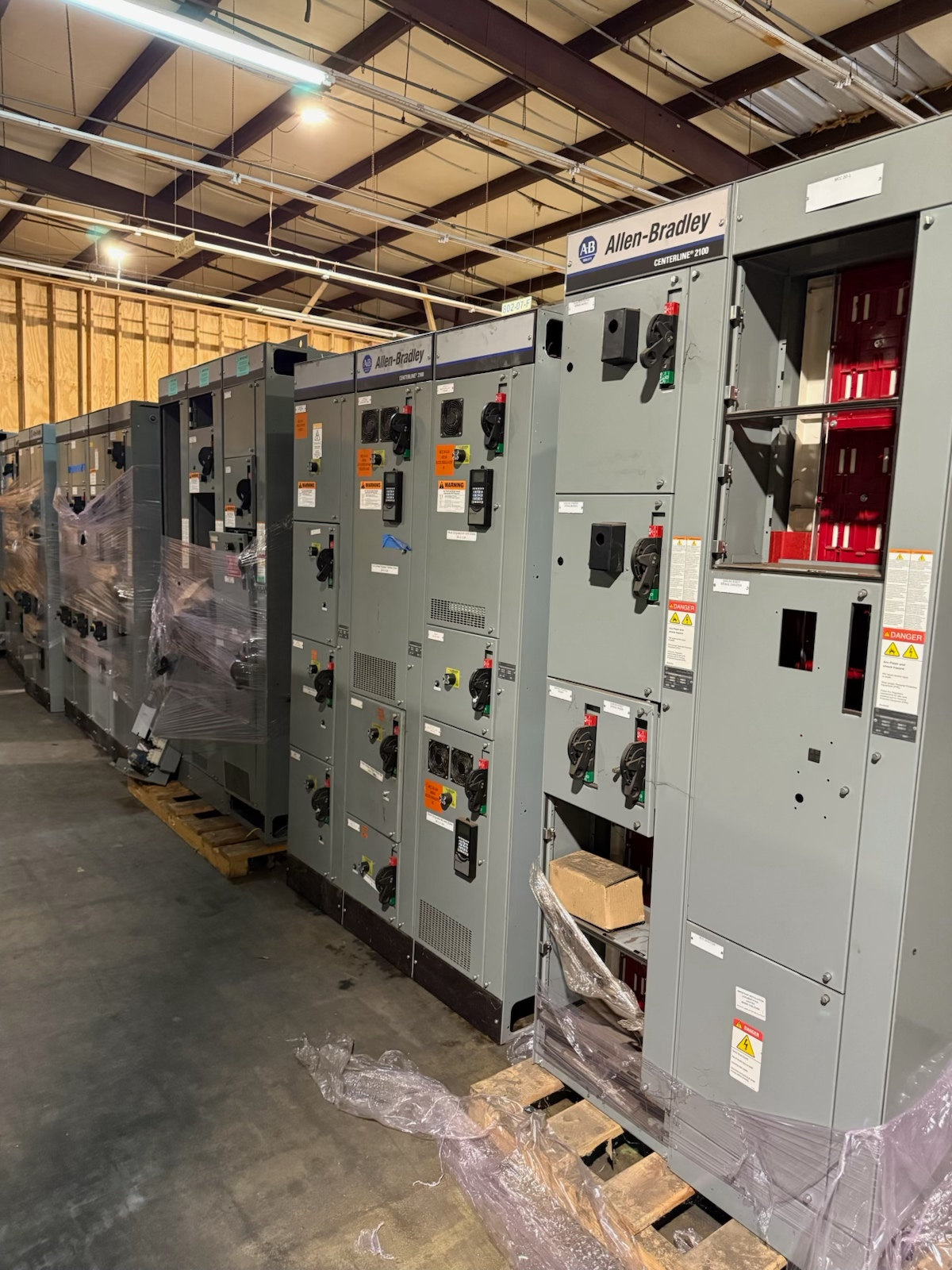
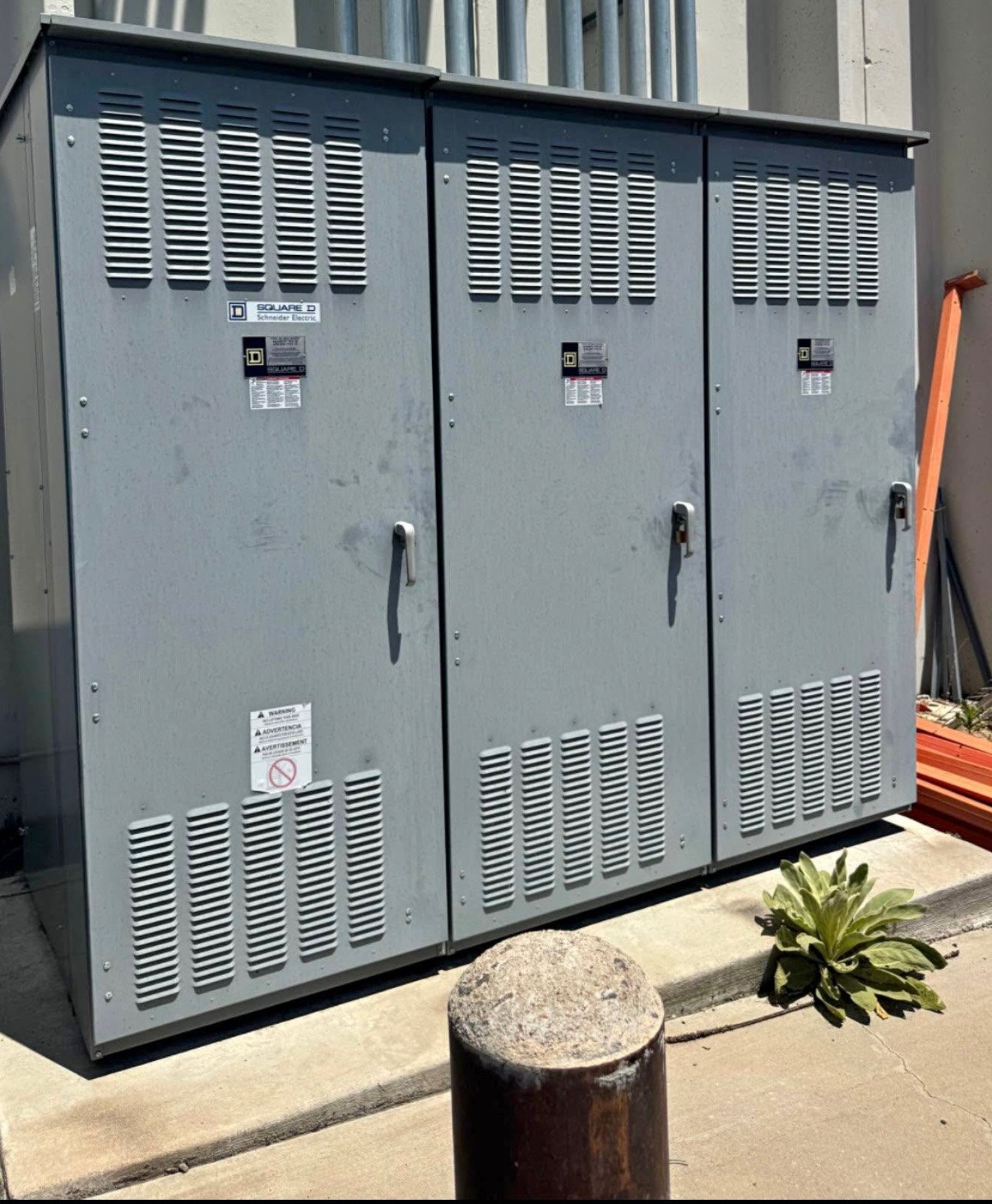
As an independent Pennsylvania buyer, we buy used, surplus, and decommissioned electrical distribution equipment. We buy switchgear from decommissioned data centers and shut-down power plants across all voltage classes. A natural gas plant’s station distribution assets may be considered for purchase when the equipment and proposed transaction are suitable. We do not buy every item or assume generation equipment is part of an electrical distribution sale.
Separate Station Distribution from Generation Equipment
Build the proposed sale around identifiable station distribution assets, rather than combining them indiscriminately with generation equipment. The distinction helps the owner describe what is being offered and what remains under facility control. Equipment serving distribution functions can be presented as a defined group, while turbines, generators, fuel systems, and other generation-related property can be kept outside that group unless the owner separately identifies it as available and the buyer agrees to consider it.
Record retained property alongside the sale scope. Note assets reserved for ongoing operations, future work, other buyers, or facility obligations, and make clear where those boundaries apply. This is especially important when electrical distribution equipment is near generation systems or shares a facility area with property that is not for sale. A clear distinction supports a focused buyer review and helps prevent the sale discussion from extending beyond the owner’s intended assets.
Describe the Equipment and Its Available Information
Prepare an inventory using information already available to the owner, such as equipment descriptions, quantity, known location within the facility, and any existing identifying labels or records. Keep station distribution assets grouped separately from generation equipment and other retained property. Where the owner has reliable documentation, use it to explain what is included in each group and identify any known limits on access or release. The buyer can then review the proposed scope based on the information provided and decide whether to make an offer.
No seller testing is required. Owners do not need to test or energize equipment for a buyer review, and should not open, disconnect, dismantle, or physically handle equipment for this purpose. Photos and labels are optional and should be shared only when already safely accessible. The owner controls access to the facility and equipment. Existing records and a clear description can support an initial discussion without requiring the seller to perform technical work or create new documentation.
Plan Release Around the Facility Shutdown
For a natural gas plant disposition, coordinate the proposed release with the facility’s shutdown plan. The owner can identify which sale assets may be released in each phase and which must remain in place until a later stage. A phased scope can distinguish equipment available for an earlier transaction from assets tied to continuing facility needs, while preserving a clear boundary between sale property and retained property at every stage.
The timing and scope remain subject to the owner’s control and agreement with the buyer. A shutdown schedule alone does not establish that any particular equipment is available for pickup, and the owner should communicate the intended release phase for each offered group. Buyer coordination can then focus on the assets included in that phase, the facility’s access arrangements, and the agreed pickup scope. No specific shutdown date or equipment status should be presumed when setting up the sale discussion.
Coordinate a Purchase and Pickup
We make cash offers for equipment we are willing to buy. Any offer depends on the equipment and the agreed scope; a review does not guarantee that every listed asset will receive an offer. If the owner and buyer agree on a purchase, payment is made upfront before pickup. These terms allow the seller to understand the transaction sequence before arranging release of the accepted equipment.
We handle cranes, rigging, disconnects, loading, freight, and hauling for the agreed pickup. The owner can coordinate facility access and identify the accepted sale assets and any property that must remain, while leaving the physical handling to our team. Pickup arrangements apply to the equipment covered by the agreement, not automatically to all assets in a plant area. Defining the accepted scope and release phase first helps align the transaction with the owner’s shutdown planning.
Keep the Sale Scope Clear Through Closeout
Before finalizing a disposition, confirm which station distribution assets are included, which items are excluded, and which property the owner will retain. Keep any phased releases distinct so an agreed purchase for one group is not mistaken for a sale of later-phase equipment or nearby generation assets. The owner should also ensure that the sale boundary matches its internal authorization and facility access arrangements.
A focused scope gives the buyer a basis to assess the equipment and decide whether to offer cash. If the parties agree, payment is upfront before pickup, and the pickup covers the agreed equipment with our handling of cranes, rigging, disconnects, loading, freight, and hauling. This approach supports a practical Pennsylvania disposition discussion for natural gas power plant electrical distribution equipment without assuming a particular facility, closure, release status, or sale outcome.