Who can authorize a cogeneration switchgear sale?
Is the equipment owned by the cogeneration operator, the host facility, or another party? Establishing ownership is an essential first step when equipment serves a plant located within or beside a host’s operations. The party that uses a lineup may not be the party entitled to sell it. Identify the legal owner of the equipment under consideration and determine who has authority to approve its sale and release it for pickup. If ownership is shared, leased, financed, or subject to another party’s rights, resolve those interests before requesting a purchase decision.
Who must approve the transaction on each side of the facility boundary? The operator may control plant assets, while the host may control access, shutdown coordination, or shared infrastructure. Those responsibilities do not automatically transfer ownership. Confirm who can approve the sale, who can authorize access, and who can coordinate the relevant shutdown sequence. A clear division of authority helps prevent a buyer from being asked to purchase equipment that the seller cannot release, or to arrange pickup without the host’s required coordination.
What defines the equipment boundary?
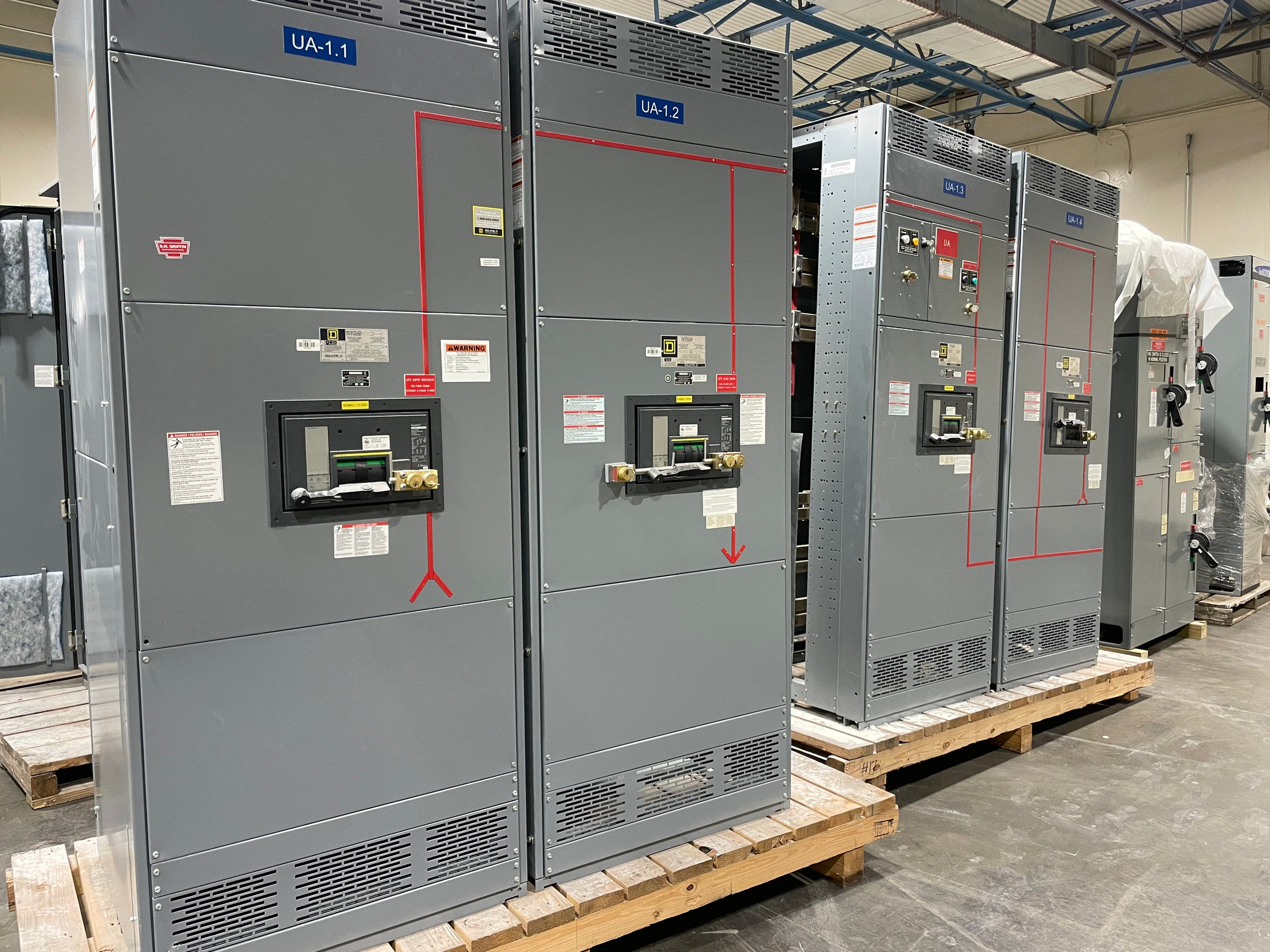
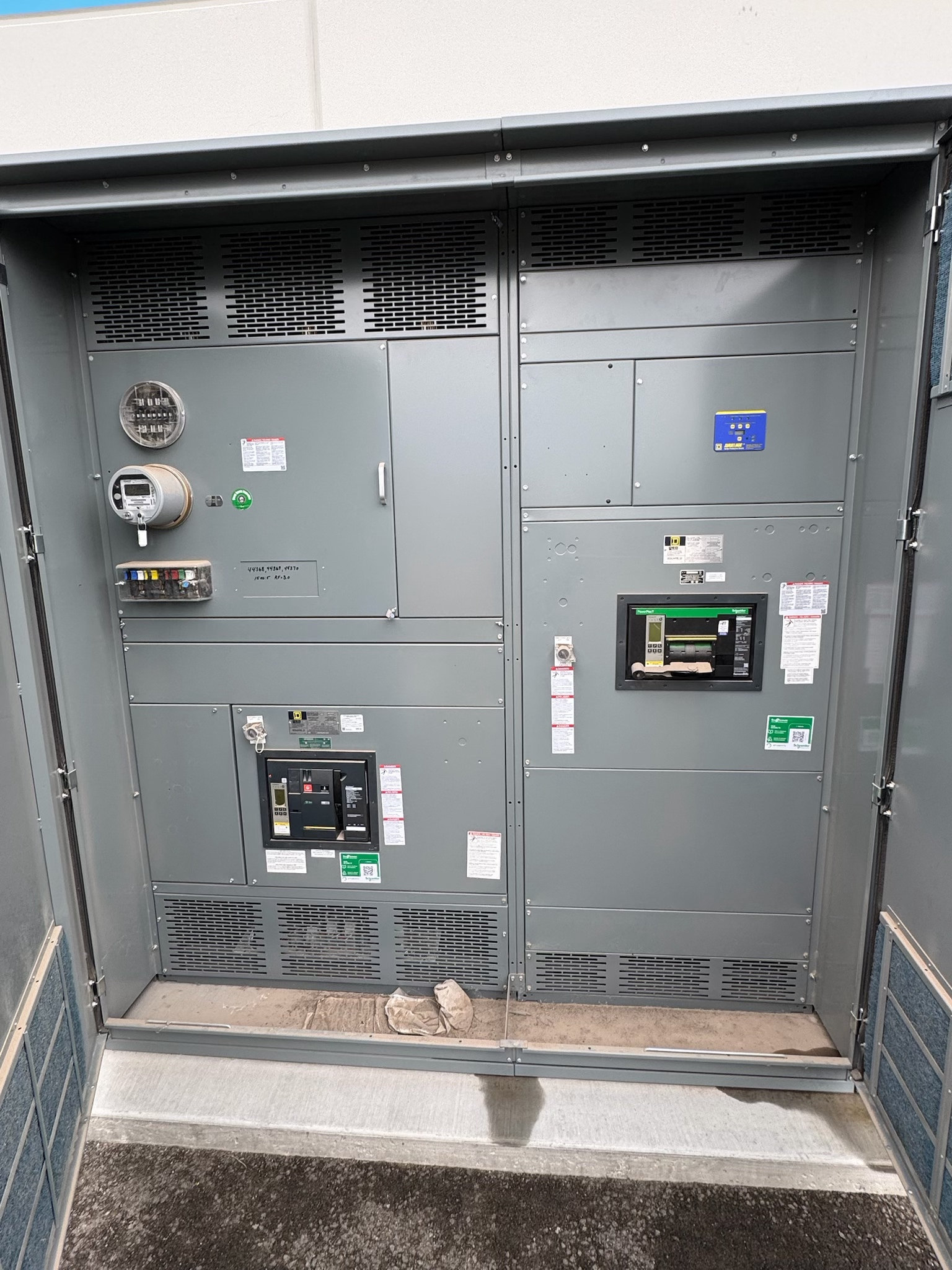
Which switchgear is included, and where does the proposed lot stop? Cogeneration facilities can have equipment associated with the generating plant, the host’s electrical distribution, or interfaces between the two. For a sale, define the offered assets by the seller’s inventory and ownership records rather than by a broad description such as “plant switchgear.” Specify whether the opportunity concerns one identifiable item or a group of equipment, and make clear which assets are excluded from the proposed sale.
Are any items connected with shared services, retained operations, or host-facility use? Resolve that question before treating adjacent equipment as part of a lot. A physical boundary and an ownership boundary may not be the same. The owner and host should agree on what can be sold and released, including any items that must remain with either operation. Photos, tags, or labels can help describe equipment only when already safely accessible; no one needs to open or handle equipment to begin a discussion.
Should you offer one item or a mixed lot?
Would a single-item sale better match your authority and release plan? A one-item offer can keep a transaction focused when one clearly identified piece of switchgear is surplus and the rest of the facility remains under separate ownership or continues serving the host. It can also make the proposed scope easier to review: the seller identifies the item, confirms the right to sell it, and explains when it may be released. Whether an item is of interest depends on its condition, identity, scope, and other transaction details; not every item will receive an offer.
Would a mixed lot be more practical if several owned assets are being retired together? A combined opportunity can include multiple switchgear items across voltage classes, including equipment from a decommissioned data center or a shut-down power plant. For a cogeneration site, however, mixing plant-owned and host-owned equipment can obscure responsibility and complicate release. Group items only when the seller can clearly establish ownership, inclusion, and authority for each. We may consider either a single item or a mixed lot and make cash offers for equipment that fits the opportunity; purchase decisions depend on the equipment and agreed scope.
How does shutdown timing affect the proposed sale?
What shutdown sequence governs when the seller can release the equipment? A cogeneration facility may coordinate its retirement or equipment disposition with host operations, rather than following a single, independent plant schedule. Identify the parties responsible for setting the sequence and the point at which the seller expects the equipment to become available for pickup. Share the sequence as a coordination matter, without assuming a particular operating or de-energized status. The buyer does not need the seller to perform testing or establish equipment condition through testing.
Does the proposed release depend on a host approval, a planned operational transition, or another owner’s decision? Make dependencies clear before agreeing to scope and pickup arrangements. If a single item can be released separately from a mixed lot, describe that distinction; if assets must be considered together, identify the reason and the parties who control that decision. Owners retain control of facility access and the shutdown plan. The transaction can proceed only on terms the relevant parties authorize and agree to.
What information helps establish scope?
Can you describe the offered equipment using records already available to the owner? A basic inventory should distinguish the switchgear included in the sale from equipment that remains with the plant or host. Include identifying information that is already documented, the seller’s ownership basis, the proposed lot boundary, and any known restrictions on release. Exact technical details are not a prerequisite to an initial conversation, and no seller testing is required. Do not open, energize, dismantle, disconnect, or physically handle equipment to prepare a sale inquiry.
Who can answer questions about ownership and access? Designating a seller representative and, where needed, a host-facility contact can help separate commercial decisions from site coordination. The owner decides who may provide records or authorize access. Optional photos or labels are useful only when they are already safely accessible. If documentation is incomplete, identify what is known and what remains subject to owner confirmation rather than including equipment in a lot without authority. Clear information supports a more focused review but does not guarantee an offer.
What does pickup coordination involve?
Who controls site access and approves the pickup window? The seller and host, where applicable, coordinate facility access and the sequence for releasing the equipment. We handle cranes, rigging, disconnects, loading, freight, and hauling as part of pickup coordination. Those services do not transfer authority over the facility: owners control access, and the responsible parties must agree on scope and timing before pickup. We do not ask sellers to test equipment or carry out physical handling to prepare it for sale.
How will payment and pickup be agreed? We make cash offers for equipment we are prepared to buy, with purchase dependent on the equipment and the agreed scope. Payment is upfront before pickup. Confirm the final items covered by the agreement and the authorized release arrangements before scheduling collection. For a mixed lot, the agreed inventory should distinguish plant-owned assets from host-owned or excluded equipment; for a single item, it should identify that item and its authorized release. This keeps payment, scope, and pickup aligned with the parties’ decisions.
Is the proposed disposition ready to discuss?
Can the seller identify the owner, the proposed equipment boundary, and the person authorized to approve a sale? Those answers make it easier to determine whether a single-item opportunity or a mixed lot is the better fit. In a cogeneration setting, also establish how the host facility’s interests and the shutdown sequence affect release. If more than one party controls the relevant decisions, align their authority before treating the equipment as available for purchase.
Is the equipment described without asking staff to test, open, disconnect, dismantle, or move it? Existing records and safely accessible information are enough to begin a discussion. We buy used, surplus, and decommissioned electrical distribution equipment and can consider switchgear from a cogeneration facility when the seller can establish the offered scope and authorization. Any cash offer depends on the equipment and the parties’ agreement. Payment is upfront before pickup, and we coordinate cranes, rigging, disconnects, loading, freight, and hauling once the sale and release terms are agreed.