Choose Between Storage and an Offer
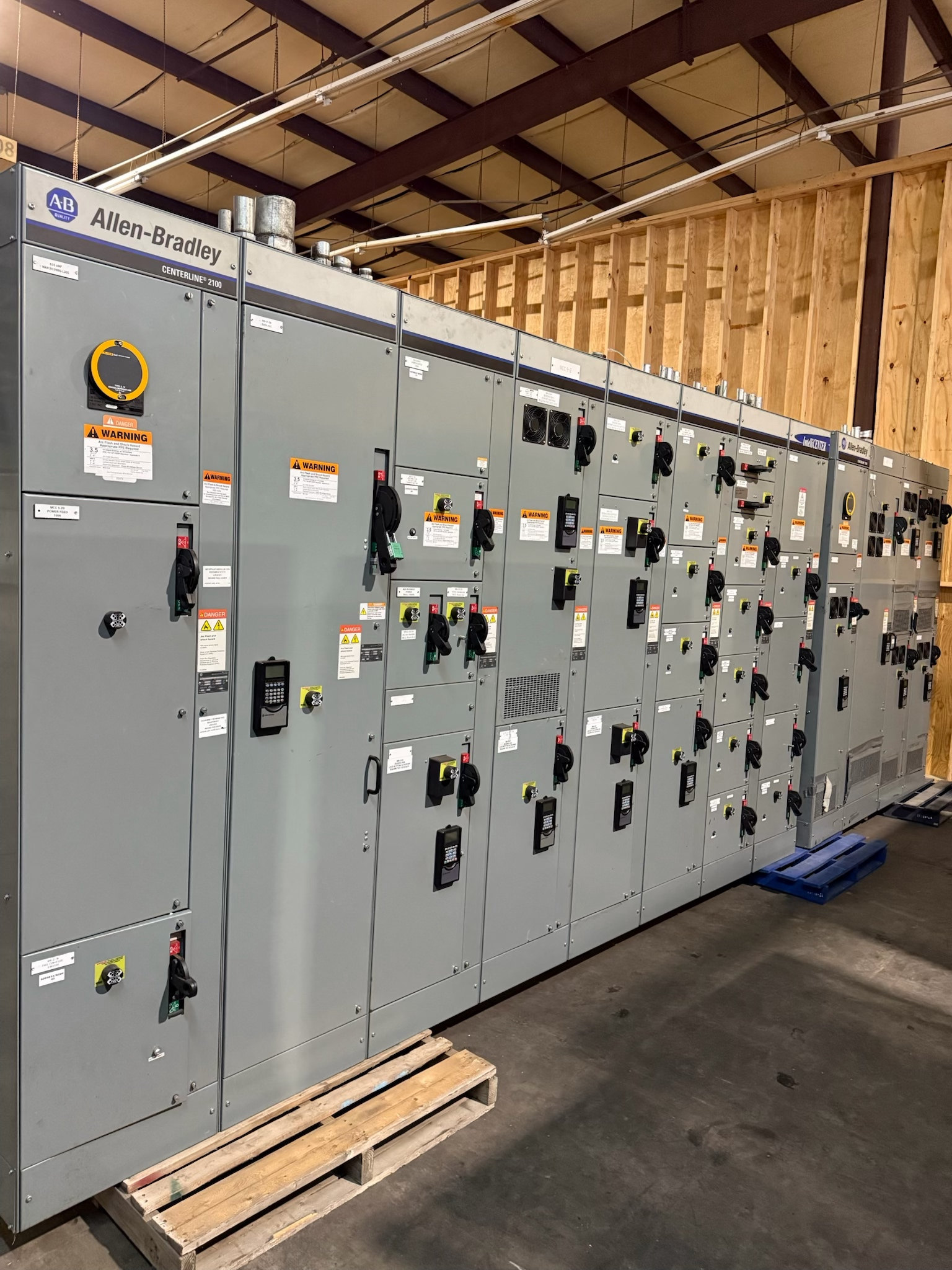
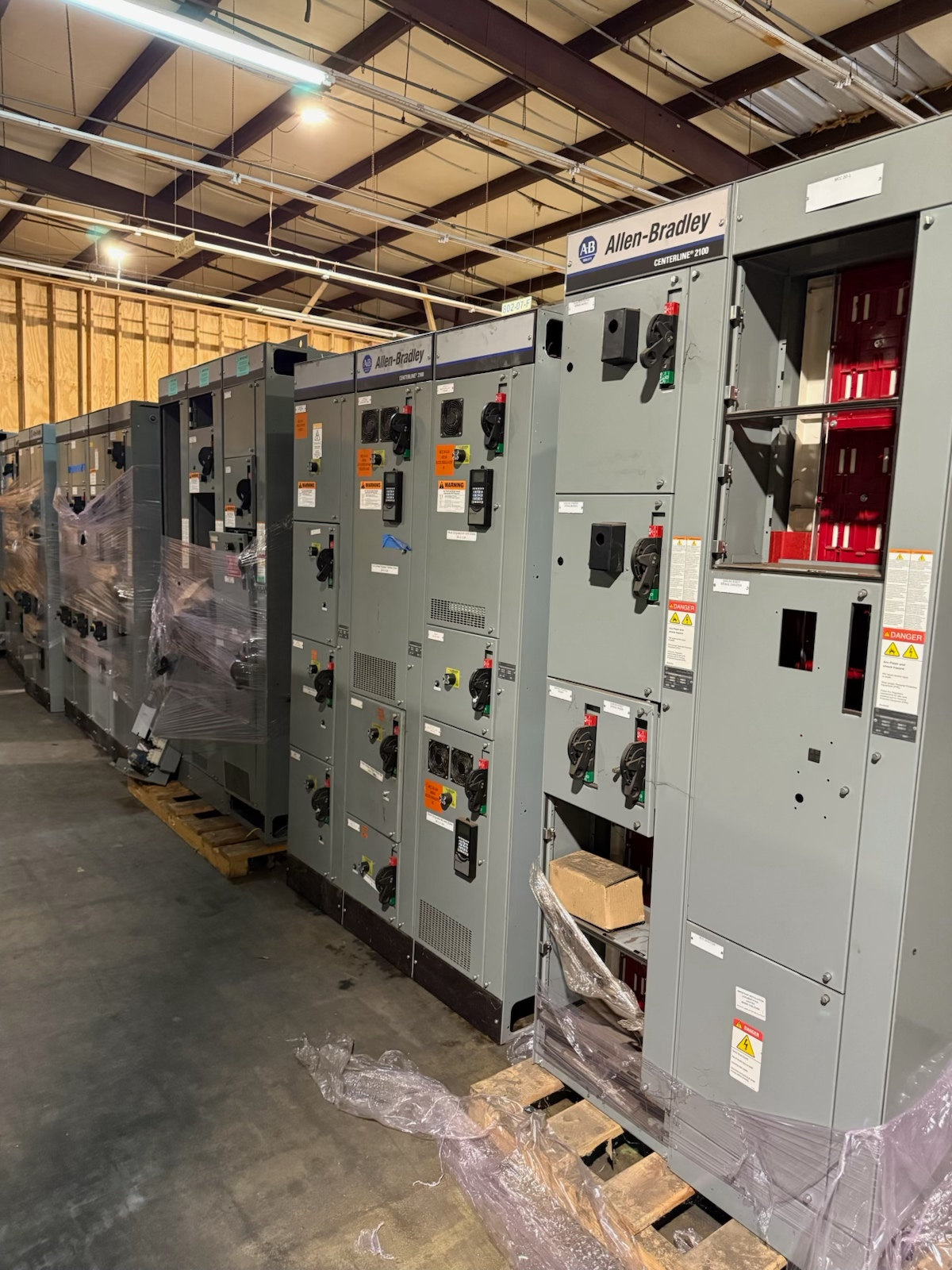
For a Pennsylvania coal power plant retiring equipment, the first decision is whether to keep switchgear in storage or invite a purchase offer. Storage may suit assets reserved for an identified future use, but it leaves the owner responsible for coordinating space, access, protection, and later disposition. An offer provides a way to consider a sale without committing every plant asset to the same outcome. We buy used, surplus, and decommissioned electrical distribution equipment; any purchase depends on the equipment and agreement between buyer and seller.
Start by defining the distribution equipment that may be available and who has authority to approve its sale. Keep that decision distinct from plans for generation assets, buildings, and other plant property. A coal plant’s retirement can involve many asset groups with different owners, schedules, and purposes. A clear proposed scope helps the owner compare continued storage with a cash offer for identified switchgear, while preserving the option to retain equipment needed for another purpose.
Define the Distribution Scope Separately
Coal power plants contain equipment associated with both generating power and distributing it. For sale planning, identify the switchgear and related distribution assets under consideration separately from generation equipment and other plant systems. This boundary helps prevent a switchgear inquiry from being treated as a sale of the entire plant or as authorization to include assets beyond the seller’s intent. It also gives the buyer a clearer basis to review what the owner is offering.
The scope can be described using existing inventory records and the seller’s asset references. Include only information the owner can provide confidently, such as the equipment’s recorded identity, general location, and whether it is being considered for sale or retention. Photos and labels are optional; use them only when already safely accessible. The owner controls site access and decisions about what information or access to provide. There is no need for the seller to conduct tests or physically inspect equipment for this inquiry.
Establish Seller Authority and Approval
Before discussing removal, establish which organization or authorized representative can approve a sale of the identified assets. At a retiring plant, ownership, asset management, procurement, and site operations may have separate responsibilities. The person coordinating an inquiry should know how the owner will confirm the sale scope, approve an offer, authorize access, and identify the party responsible for coordinating pickup. Clear authority reduces the chance that equipment is included in a discussion before the right decision-maker has approved it.
A purchase proceeds only by agreement between the seller and buyer, and an offer is not a commitment to buy every item presented. The equipment itself matters, as do the defined assets and the parties’ agreed arrangements. Sellers can therefore consider an offer for a particular distribution scope while retaining other assets or continuing to evaluate storage. Confirm internally that the person communicating proposed assets and pickup arrangements is authorized to do so before treating any scope or schedule as approved.
Plan Around Retirement and Teardown Sequencing
Switchgear sale planning should be coordinated with the owner’s retirement and teardown sequence, rather than assuming that every asset can be removed at the same point. Identify the intended sale scope early enough for the responsible parties to consider how access and pickup fit with their work. Keep proposed equipment boundaries and timing visible to those managing plant activities. This coordination helps distinguish a planned switchgear pickup from broader generation-asset disposition or site teardown decisions.
The seller retains control over site access and the sequence of its work. We coordinate pickup with the seller and handle cranes, rigging, disconnects, loading, freight, and hauling for an agreed purchase. The seller does not need to arrange those services for us, and no seller testing is required. Pickup planning should still be agreed between the parties, with equipment identity, scope, access, and timing established before collection. We do not direct the owner’s teardown or other plant operations.
Compare an Offer With Continued Storage
A useful comparison weighs the practical purpose of retaining switchgear against the responsibilities of keeping it in storage. If the owner has a defined future need, retaining the equipment may fit that plan. If the equipment is surplus to the owner’s requirements, requesting a cash offer provides another option to evaluate. Storage and sale are different decisions: the owner can identify which assets merit retention and which distribution equipment it is willing to offer, rather than treating all plant assets as one package.
We make cash offers for equipment we are interested in buying, with any purchase subject to the equipment and an agreement. Payment is made upfront before pickup. That sequence lets the seller consider payment and pickup terms before collection is arranged, while leaving the owner in control of access and approval. An offer is not guaranteed for every item, and the seller can compare the proposed sale with its own plans for storage, retention, and retirement work before accepting or declining.
Prepare an Inquiry Without Testing
An initial inquiry can identify the plant’s proposed distribution-equipment scope, the seller’s authority to discuss it, and whether the equipment is being retained or considered surplus. Existing asset records can help identify items without requiring the seller to perform tests, energize equipment, open enclosures, disconnect components, or dismantle anything. If photos or labels are already safely accessible, the owner may choose to share them; they are optional. Information should reflect what the seller already knows rather than a new physical inspection.
For a coal power plant, it is especially useful to keep switchgear identification distinct from generation assets and from equipment outside the proposed sale. The seller can also identify the appropriate contact for approvals and site coordination. We review the information provided to determine whether we are interested in making an offer. Any next steps, including scope and pickup arrangements, are discussed with the authorized seller. This approach supports a focused sale conversation without asking plant personnel to perform technical work for the buyer.
Coordinate an Agreed Pickup
Once both parties agree on a purchase, coordinate pickup around the authorized scope and the seller’s access arrangements. Confirm which switchgear is included, who can approve access, and how the collection fits the seller’s retirement and teardown sequencing. Keep generation assets and any retained distribution equipment outside the agreed purchase unless the seller separately authorizes their inclusion. A defined boundary helps the seller, buyer, and site contacts work from the same understanding of what is to be collected.
We handle cranes, rigging, disconnects, loading, freight, and hauling for the agreed equipment. Payment is upfront before pickup, and the seller is not required to test equipment. The owner controls access and authorizes the site arrangements. With scope, authority, payment, and pickup coordination agreed, the seller can make a direct comparison between keeping the identified switchgear in storage and completing a sale, while managing other plant assets according to its own plans.