What should a room-by-room clearance plan establish?
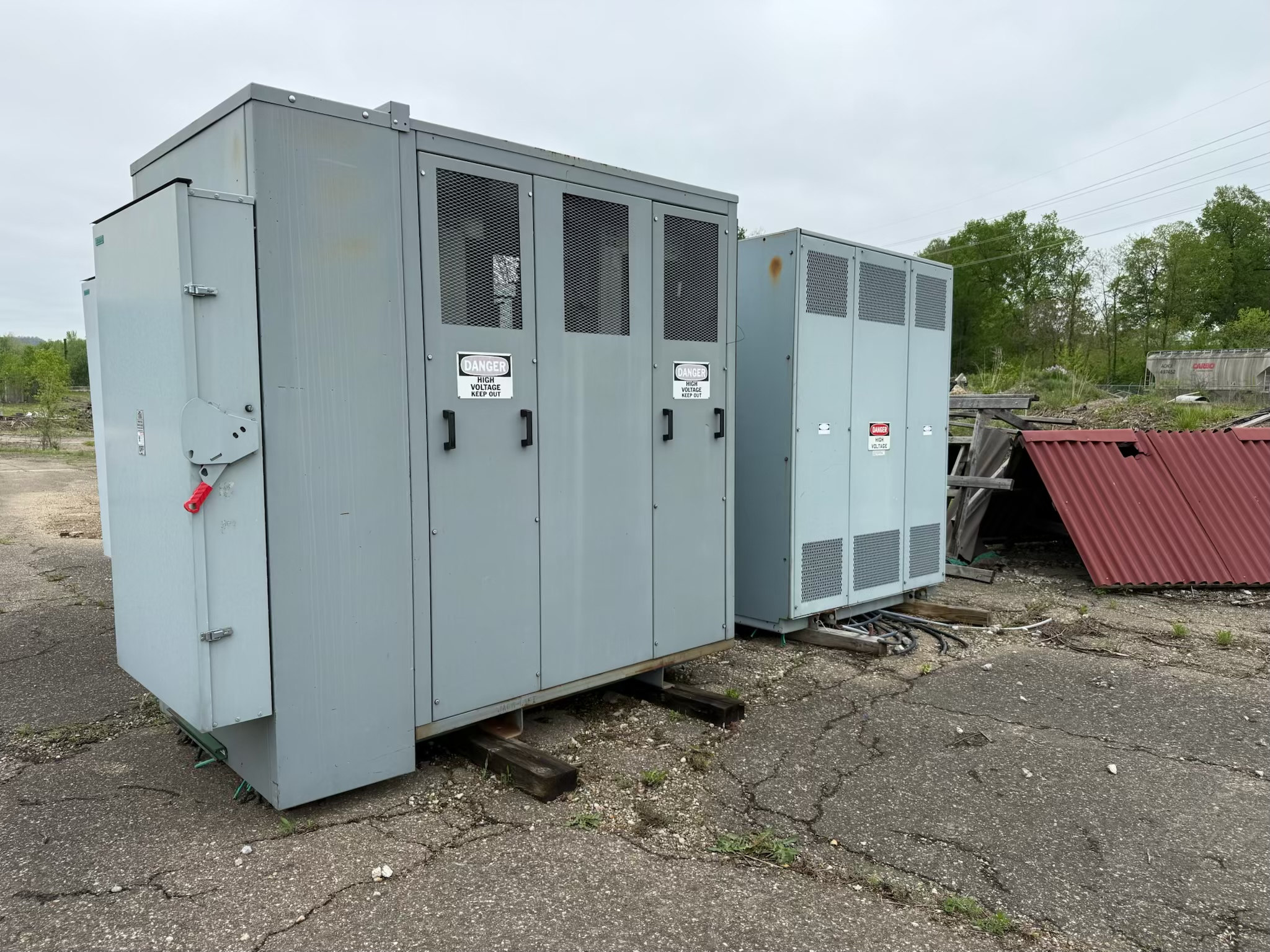
A power plant electrical room clearance plan should connect each room’s equipment inventory to the sale decision and the site’s access arrangements. Start with room names or the owner’s existing identifiers, then record the equipment the owner is considering for sale and its general condition as known from existing records. The purpose is to establish a practical scope for review, not to create a technical inspection or a promise that every listed item can be purchased. We buy used, surplus and decommissioned electrical distribution equipment, including switchgear from shut-down power plants across all voltage classes. Whether an offer is available depends on the equipment and the details provided.
Keep the plan useful to both the seller and buyer by distinguishing included equipment from items that remain in place or are excluded. Note whether associated components are part of the proposed sale, without asking staff to open, dismantle, test or handle anything to prepare the list. Existing inventory records, room schedules and already available photographs can help describe the proposed scope. If information is incomplete, identify it as unknown rather than filling gaps with assumptions. A clear room-by-room scope lets us consider the equipment as offered and discuss any sale terms before pickup is scheduled.
Which inventory details help evaluate an offer without testing?
For each room, record the equipment description and identifying information that is already safely accessible, such as labels visible during normal authorized access. Include quantities when known, and distinguish a confirmed count from an estimate. Existing records can provide useful context about equipment history or disposition, but no seller testing is required. Do not energize equipment, open enclosures, remove covers, disconnect conductors or take measurements for our review. Photos and labels are optional; share them only if they are already safely accessible and can be provided without physical handling or a change to site access controls.
An offer can be considered from the description and available information, but no particular item or whole-room group is guaranteed to qualify. The equipment itself, its stated condition, completeness and proposed scope can affect whether we make an offer and what it covers. If several rooms are involved, keep each room’s inventory distinct so a seller can see which equipment an offer addresses. Ask us to clarify any item included, excluded or described conditionally before accepting. This keeps the sale decision tied to agreed equipment rather than an assumption that every item on a facility list is included.
How should the proposed scope be organized by room?
A room schedule should make the proposed sale boundaries understandable without becoming a work order for site staff. Identify the rooms under consideration, list the equipment associated with each, and state whether the proposed sale covers all listed equipment or only selected items. Where an item’s location or inclusion is uncertain, flag that uncertainty for discussion. The schedule can also identify equipment that is not being offered, helping prevent confusion when rooms contain a mixture of sale candidates and retained property. Room-level organization is especially helpful when multiple areas have different access arrangements or responsible contacts.
Before agreeing to a sale, compare the offer’s written scope with the owner’s schedule. Resolve differences in item descriptions, quantities, room identifiers and included components through discussion rather than asking staff to investigate equipment physically. If a proposed scope changes, make sure the seller and buyer agree on the revised items and terms. We buy only; the sale proceeds only when both sides agree. A room schedule supports that agreement, but it does not itself establish that all listed equipment is suitable for purchase or that a sale will proceed.
What site access controls and dimensions should be discussed?
Discuss access controls for each room with the site owner or authorized representative. Identify who can approve access, who will coordinate permitted entry, and any established sign-in, escort or scheduling requirements the site applies. The owner retains control of access. Share access information through the owner’s designated process, and do not arrange independent entry or ask staff to bypass restrictions. If rooms have different controls, record those distinctions in the schedule so buyer coordination can account for them before pickup planning begins.
Available dimensions can help frame logistical coordination, provided they come from existing records or are otherwise available without measuring, opening or moving equipment. Note known doorway or route constraints and flag missing information rather than requesting that personnel approach or handle equipment to obtain it. Dimensions are planning information, not a guarantee that a particular item can be removed by a particular route. We coordinate the removal arrangements for equipment covered by an agreed purchase, including cranes and rigging when needed. Access permissions and site conditions remain matters for the owner and the parties to coordinate before pickup.
Who should be responsible for each clearance decision?
Name the owner-side contact responsible for the inventory, the person authorized to approve access, and the party empowered to agree to the sale terms. These responsibilities may belong to different people. Separating them helps keep equipment descriptions, entry permissions and commercial decisions with the appropriate representatives. The seller should also identify who can confirm which property is included and who can resolve questions about room boundaries or retained items. We can coordinate with the designated representatives, but the owner remains responsible for authorizing access and defining its property for sale.
The schedule should also clarify who will coordinate site requirements that affect pickup, such as access windows or required escorts, without assuming a deadline or a particular facility procedure. Before accepting an offer, confirm that the authorized seller understands its equipment scope and payment terms. We make cash offers when the equipment and terms support an offer, with payment upfront before pickup. If the seller needs clarification about the offer, included equipment or coordination responsibilities, resolve it before pickup is arranged. Agreement on scope and responsibilities helps avoid relying on informal assumptions during a room clearance.
What happens after the seller accepts an offer?
Once the seller accepts agreed terms, coordinate pickup against the room schedule, owner-controlled access requirements and available site information. We handle disconnects, loading, freight and hauling, as well as cranes and rigging as needed for the agreed equipment. The seller does not need to test equipment for us. No one should energize, open, dismantle or physically prepare equipment for this evaluation or sale. The owner’s representatives should communicate any applicable access controls and identify the authorized point of contact for coordinating the visit and pickup.
Payment is made upfront before pickup, as agreed for the purchase. Before the scheduled removal, make sure the accepted offer and room schedule describe the same equipment and that the person coordinating access has the current scope. If an item’s inclusion or location changes, pause the arrangement long enough for the parties to agree on how that affects the sale. Our handling of removal logistics does not replace the owner’s control of site access or its authority to determine what property may be sold. Clear coordination keeps the transaction focused on the equipment both sides agreed to purchase.