Start With a Reconciled Plant-Substation Inventory
A power plant substation sale can involve equipment controlled by different owners, operators, or project teams. Before discussing a purchase, reconcile the proposed inventory against the plant’s records and identify which items are actually being offered. A useful inventory connects each item’s recorded identity with its location, quantity, ownership, and inclusion in the sale scope. This reduces the chance that a buyer and seller are referring to different equipment under the same general description.
For example, a plant representative might have one list for substation equipment, another for plant-owned spares, and a separate utility record covering equipment at the same site. Those lists should not be treated as one sale automatically. Compare them, resolve duplicates and discrepancies, and flag items whose ownership or status is uncertain. We can review an identified scope and consider a cash offer for equipment that fits our buying criteria; an offer is not assured for every item.
Separate Utility Equipment From Plant-Owned Assets
Ownership is central to defining what may be sold. Equipment located within a power plant’s substation area is not necessarily owned by the plant. Some assets may belong to a utility or another party, while plant records may describe equipment without establishing authority to transfer it. Confirm the responsible owner for each proposed item and identify who is authorized to approve its sale and coordinate access.
In an illustrative situation, a plant asset list includes a transformer, while a utility record assigns that same item to the utility. Rather than treating the difference as a clerical detail, the parties should pause that item from the proposed scope until ownership and sale authority are clarified. The remaining confirmed plant-owned equipment can be evaluated separately. Clear ownership information helps prevent an offer from being applied to property that the seller cannot convey.
Match Equipment Identity Across Records
Equipment descriptions should distinguish individual items rather than rely only on broad labels such as “substation equipment.” Reconcile available asset numbers, recorded names, quantities, and location references across the inventory and sale documents. Where records use different terms for what may be the same item, preserve both descriptions and note the relationship only after the responsible parties confirm it. Keep unresolved identity questions visible instead of silently merging entries.
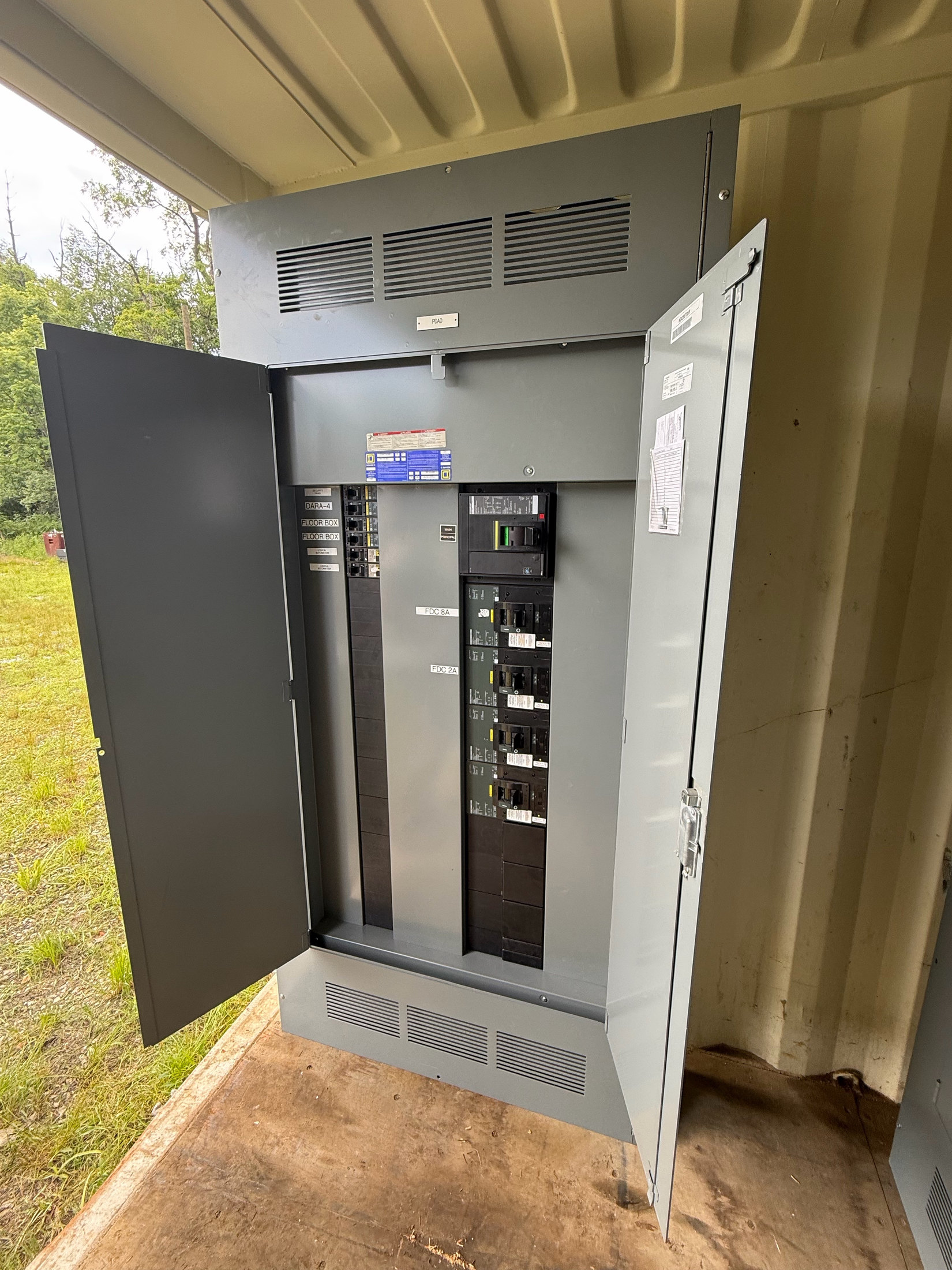
Existing records and already available photographs can help communicate what is included. Photos and labels are optional; provide them only when they are already safely accessible. The owner controls site access and determines what information can be shared. No one needs to create access or handle equipment to prepare an initial inventory discussion. A sufficiently clear description lets us assess whether the identified equipment may be of interest without representing that every entry will receive an offer.
Define Boundaries and Included Scope
A sale scope should state where the included equipment begins and ends, especially when plant and utility assets occupy the same substation area. Identify the items being offered, their recorded locations, and any boundaries that distinguish them from adjacent equipment or property. If an item’s inclusion depends on a separate ownership decision, record that condition plainly rather than presenting it as a confirmed sale item.
Consider a site inventory that groups plant-owned equipment with utility-owned equipment and nearby plant spares. A reconciled sale schedule can separate those categories, name only the confirmed items under consideration, and leave uncertain entries pending confirmation. This gives the buyer and seller a common reference when discussing an offer and the eventual pickup scope. It also prevents a general site description from being mistaken for agreement to purchase everything within a substation boundary.
Coordinate Specialist Site Responsibilities
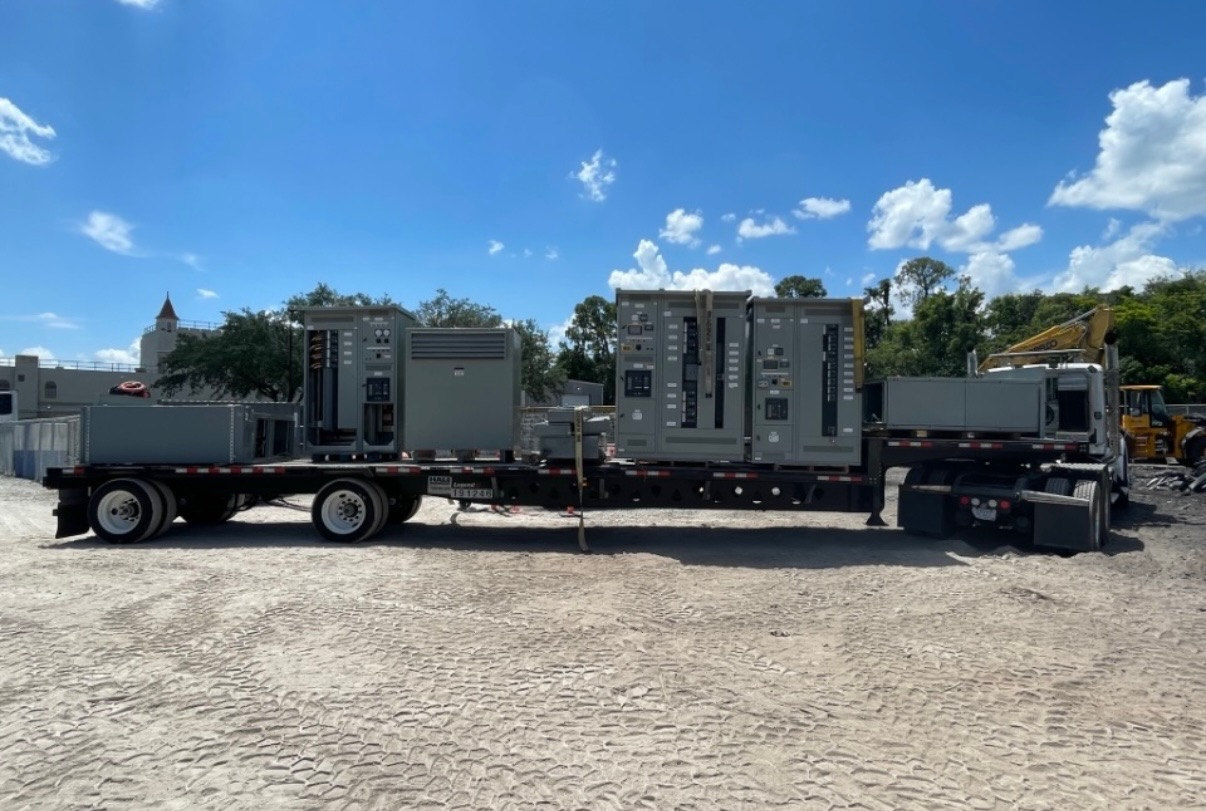
Power plant substation equipment may require substantial coordination for removal and transport. Once the purchase scope and site arrangements are agreed, we handle cranes, rigging, disconnects, loading, freight, and hauling. The owner controls access and coordinates the site permissions and operational decisions necessary for any agreed work. The seller does not need to perform testing for us; we make purchase decisions without requiring seller testing.
Coordination should connect the agreed inventory to the specific items and areas involved in the pickup. The parties can align on access arrangements and specialist handling coordination without treating an inventory discussion as permission to enter or work at the site. Do not infer an item’s operational or electrical status from its location or listing. Site responsibilities and timing are addressed as part of the agreed transaction, based on the equipment and circumstances.
Agree on Purchase and Payment Before Pickup
We are buyers, not equipment sellers. If the reconciled scope includes equipment we are prepared to purchase, we provide a cash offer for that scope. The offer depends on the equipment and the terms the parties agree to; it is not a promise to buy every listed item. A written or otherwise clearly documented understanding should identify what the offer covers so both sides can distinguish included equipment from pending, excluded, or separately owned assets.
Payment is made upfront before pickup. That sequence gives the seller a clear point of agreement before equipment is collected. Pickup arrangements follow the agreed purchase scope, with us handling cranes, rigging, disconnects, loading, freight, and hauling. The parties should keep the inventory and transaction scope aligned so the equipment being collected matches what was offered and accepted, rather than relying on an informal assumption about the entire plant substation.
Keep the Sale Scope Traceable Through Pickup
A reconciled inventory remains useful after an offer is accepted. Use the confirmed item descriptions and boundaries to guide coordination, and keep unresolved entries out of the agreed scope unless the parties later confirm them. If records change or an ownership question emerges, clarify its effect on the transaction before pickup. This avoids confusing a site-wide inventory with the specific assets covered by the sale.
For an illustrative closeout, a plant team may first separate utility property, confirmed plant-owned equipment, and entries requiring further ownership review. The buyer can then consider the confirmed scope, make a cash offer if appropriate, pay upfront before pickup under the agreed terms, and coordinate the handling and transport. That approach keeps identity, ownership, boundaries, payment, and pickup connected without requiring seller testing.