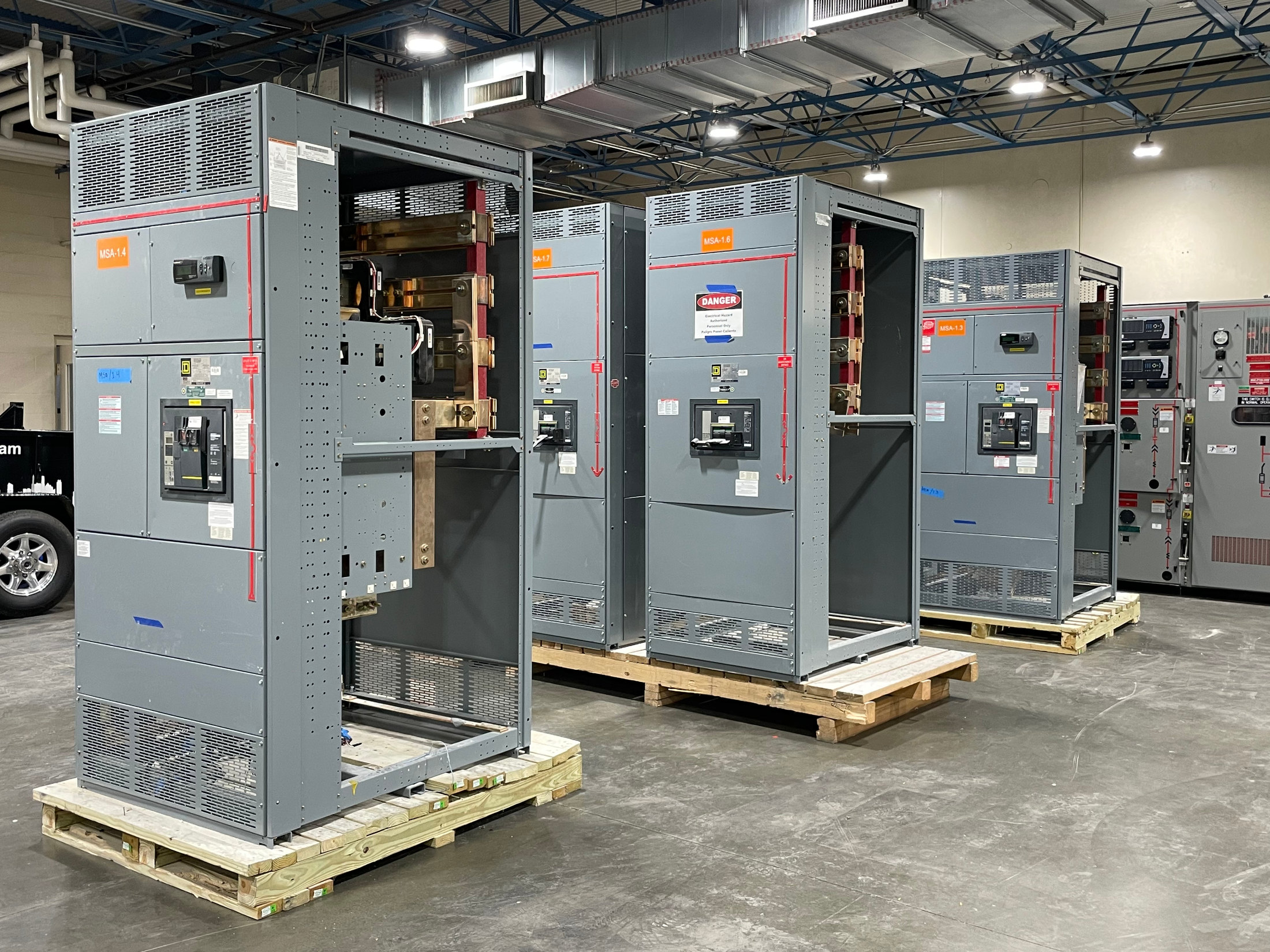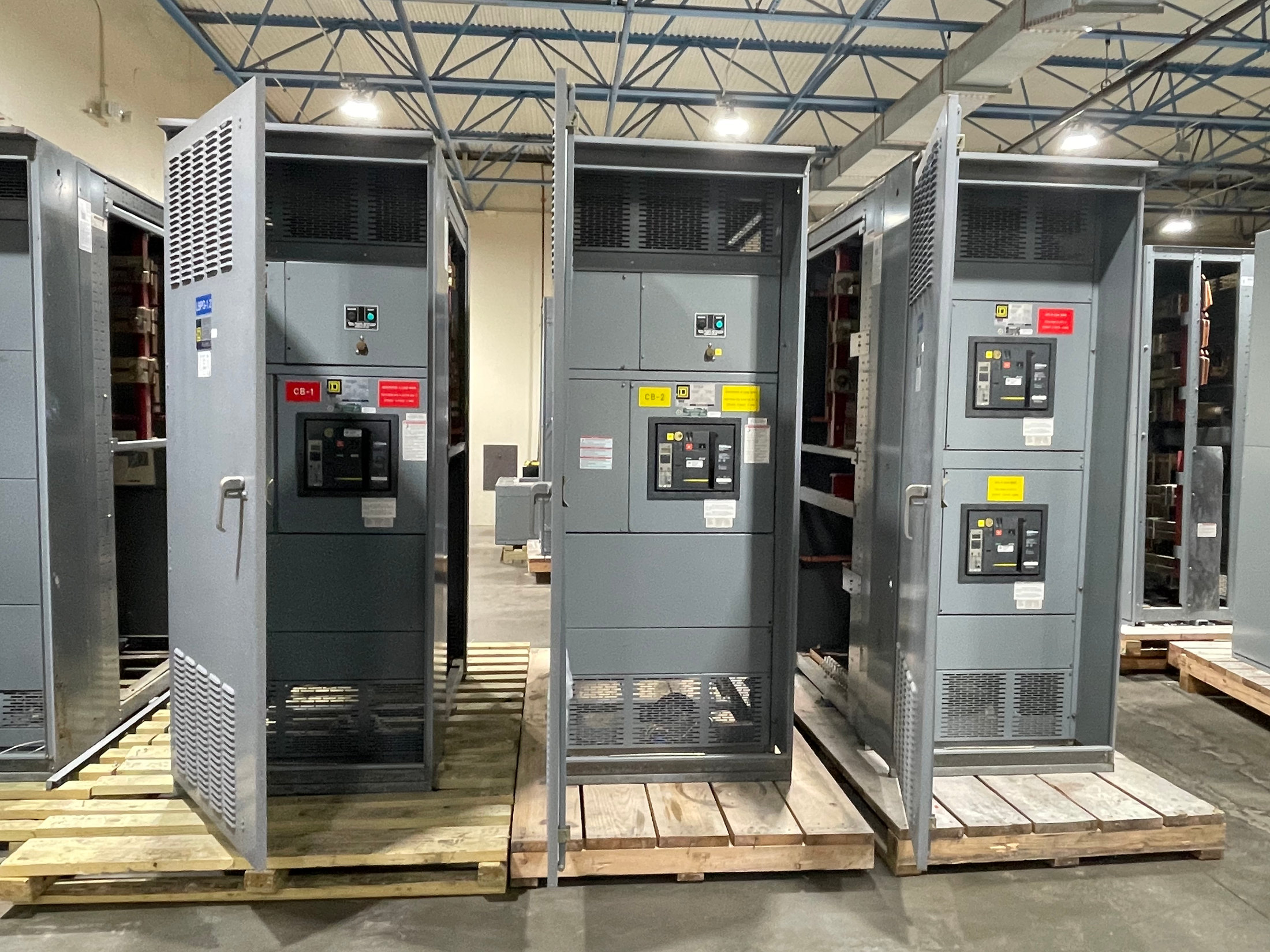
Start With a Switchgear Inventory
A hydroelectric plant switchgear retirement is easier to assess when the equipment being offered is identified before pickup planning begins. We buy used, surplus and decommissioned electrical distribution equipment, including switchgear from shut-down power plants, across all voltage classes. The inventory can focus on distribution equipment associated with the plant rather than treating every item on site as part of one sale. An offer depends on the equipment and the proposed scope; not every item will necessarily be a fit.
Describe the switchgear in terms already available to the owner: equipment type, quantity, manufacturer or brand if known, identification labels, and any existing records. Photos or label details are optional, and should be shared only when already safely accessible. Do not enter restricted areas or handle equipment to gather information. No seller testing is needed. Existing records and a clear item list can support an initial review without testing, energizing, opening, disconnecting, dismantling or physically handling equipment for our evaluation.
Separate Distribution Equipment From Plant Infrastructure
Hydroelectric facilities include systems and infrastructure beyond electrical distribution equipment. Define the proposed sale by identifying the switchgear and other distribution equipment under consideration, then distinguish those items from plant machinery, water-control structures, building systems, controls, cabling, and other infrastructure. These categories may have different owners, access requirements, responsibilities and disposition plans. A focused inventory helps prevent assumptions that a switchgear offer covers unrelated plant assets.
If equipment is mounted within a larger assembly or situated among other plant components, describe its relationship to that surrounding infrastructure using information the owner already has. The sale scope should make clear which listed equipment is being offered and which adjacent assets remain outside the transaction. We buy electrical distribution equipment only; an offer for listed switchgear does not automatically include the plant, its generation equipment, or other infrastructure. Specific scope is settled by agreement and depends on what is being offered.
Use Existing Documentation to Evaluate an Offer
Gather records that are already available to the owner, such as inventory schedules, asset descriptions, prior purchase or maintenance documents, and existing equipment labels. Information that helps identify the offered equipment can make an initial review more useful, but a complete document package is not a prerequisite to discussing a potential sale. Share only records the owner is authorized to provide, and do not create access or perform work on equipment to obtain additional details.
Our evaluation does not require the seller to test equipment. There is no need to energize, open, disconnect, dismantle, inspect internally or physically handle switchgear for our review. We can consider the description and documentation provided, then discuss whether the equipment and scope merit an offer. This approach is useful when a plant retirement involves controlled areas, multiple asset owners or a broader disposition plan: the owner can begin with an inventory and existing records while retaining control over site access and operations.
Confirm Ownership, Permissions and Site Access
Before arranging a sale, establish who has authority to offer the switchgear and who can approve its release from the site. A hydropower plant may involve separate ownership or decision-making for the equipment, property, operating areas and other infrastructure. Confirm internally which organization or representative can agree to the equipment scope, authorize access and coordinate the eventual pickup. We do not assume that a person providing an inventory has authority to commit every asset or approve entry.
The owner controls access and determines the areas and conditions under which a pickup may be scheduled. Discuss access requirements, site rules, scheduling coordination and any owner approvals needed before a visit is planned. Identify whether the equipment is in a designated area and whether the proposed pickup route involves other plant operations or assets. These details help define coordination responsibilities without requiring the seller to prepare equipment or carry out physical work. Actual pickup arrangements depend on the agreed scope and the owner’s authorization.
Coordinate Removal Around the Agreed Scope
Once the items and sale scope are agreed, we handle cranes, rigging, disconnects, loading, freight and hauling. The owner does not need to arrange those services for the equipment included in the transaction. Planning can account for the location of the listed switchgear, site access conditions, owner permissions and the separation of sale equipment from retained plant infrastructure. Keeping those points tied to the agreed inventory helps coordinate removal without treating a plant retirement as an unrestricted teardown.
The owner remains in control of access and site coordination. Before pickup, both sides should have a shared understanding of which equipment is included, where it is located, and how access will be authorized. Any conditions affecting timing or the pickup area can be discussed as part of that coordination. Removal is limited to the agreed equipment; other plant assets remain outside the sale unless separately identified and accepted. We handle the stated removal and transportation work for equipment included in the transaction.
Understand the Offer and Payment Sequence
We make cash offers for equipment that fits the proposed transaction. The offer is based on the equipment and scope under discussion, so an inventory is a starting point rather than a promise that every listed item will receive an offer. Owners can review the offer against the items identified and confirm that the sale includes only the equipment they intend to transfer. Any changes to the list or scope should be discussed before the transaction is finalized.
Payment is made upfront before pickup. Pickup and removal planning follow agreement on the equipment, sale terms and access coordination. This sequence lets the owner review the cash offer and settle the scope before equipment is collected. No seller testing is required to receive consideration for an offer, and the seller is not asked to energize or prepare equipment through physical work. Whether an offer is made, and what equipment it covers, depends on the equipment and the parties’ agreement.
Plan a Focused Retirement Sale
A practical first step is a concise inventory of hydroelectric plant switchgear being considered for sale, supported by whatever identification and records the owner already has. Keep distribution equipment distinct from generation machinery, water-related infrastructure and other plant assets. Note which party controls the equipment and who can authorize access. If information is incomplete, begin with what is safely available; optional photos or labels should be provided only when already safely accessible.
With that scope established, we can review the equipment without seller testing and discuss whether a cash offer is appropriate. If the parties agree, payment is upfront before pickup, and we handle cranes, rigging, disconnects, loading, freight and hauling for the included equipment. Owner permissions and site access remain part of the coordination. An inventory-first discussion gives the owner a direct way to evaluate a potential switchgear sale while keeping unrelated plant infrastructure and site decisions within the appropriate scope.