Combined-Cycle Plant Distribution Equipment Sales
A combined-cycle plant sale can involve electrical distribution equipment assigned to different operating areas, project phases, or ownership groups. Before considering a purchase, reconcile what is actually available: identify each distribution lineup, its location within the plant, the party authorized to sell it, and whether it is offered individually or as part of a larger lot. A clear inventory helps distinguish equipment included in the proposed sale from plant assets that remain under another owner’s control.
We buy used, surplus, and decommissioned electrical distribution equipment in Pennsylvania, including switchgear from decommissioned data centers and shut-down power plants across all voltage classes. We make cash offers for equipment that fits the transaction. Each offer depends on the equipment and the agreed sale scope; not every item will necessarily qualify. This page focuses on reconciling combined-cycle plant distribution assets, rather than treating every electrical or mechanical asset at a plant as one undifferentiated teardown lot.
Separate Plant Areas and Asset Ownership
Start by grouping the inventory according to plant area and asset owner. A combined-cycle facility may have distribution equipment associated with different parts of the operation, but the sale record should use the facility’s own area names and ownership information rather than assumptions about how a lineup is used. For each group, note which organization controls the asset and who can approve its sale. Where ownership or authority is shared or unclear, resolve that before including the equipment in a proposed lot.
This distinction matters when a plant-wide disposition includes assets that are not all available to the same buyer. Keep electrical distribution equipment separate from unrelated equipment and from assets retained by another party. If several owners are coordinating a sale, agree on which inventory version governs, who can approve revisions, and how separately owned items will be presented. The resulting scope gives both sides a more reliable basis for an offer and reduces the chance that equipment from another area or owner is inadvertently included.
Reconcile Lineups Against the Inventory
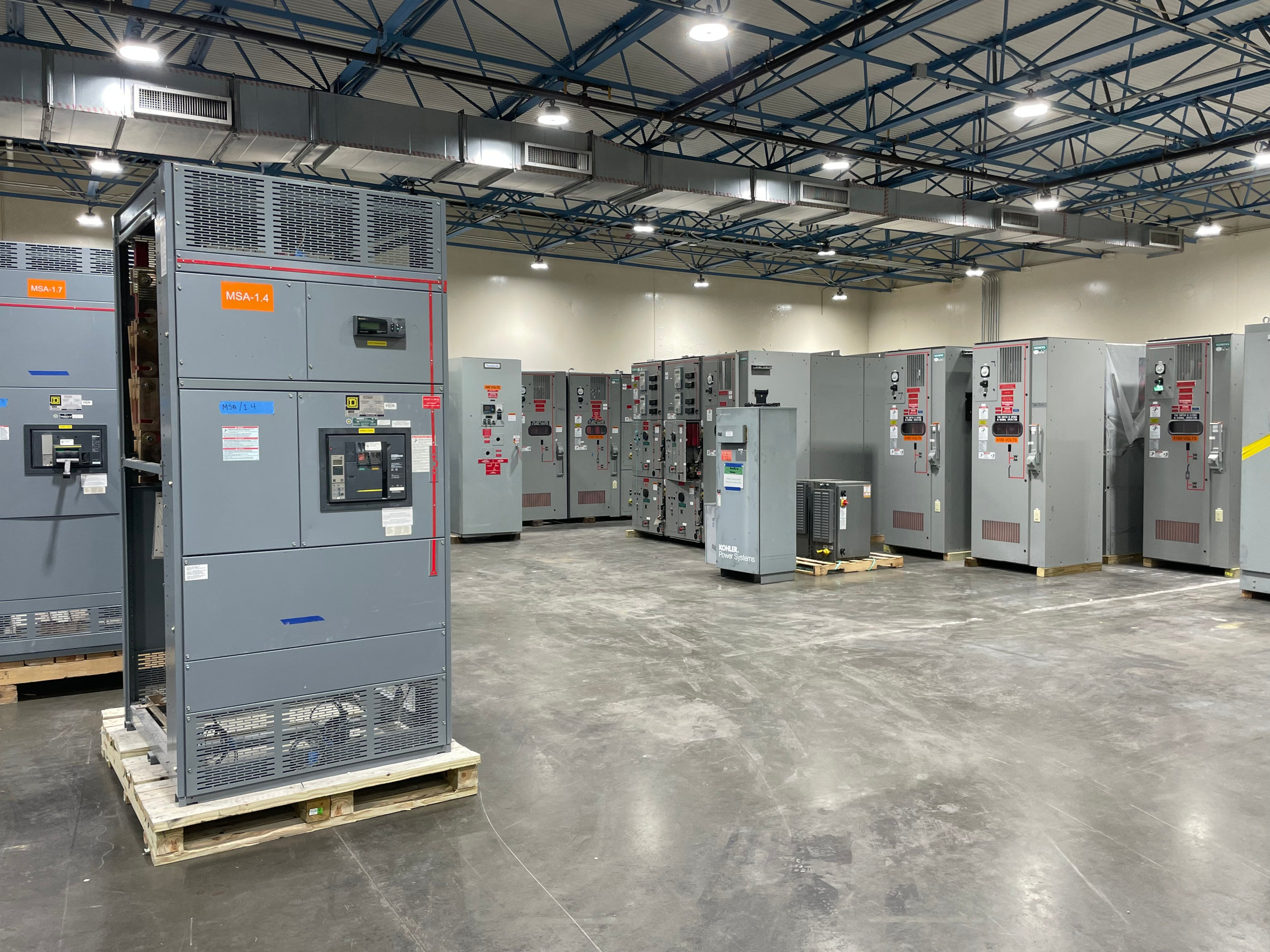
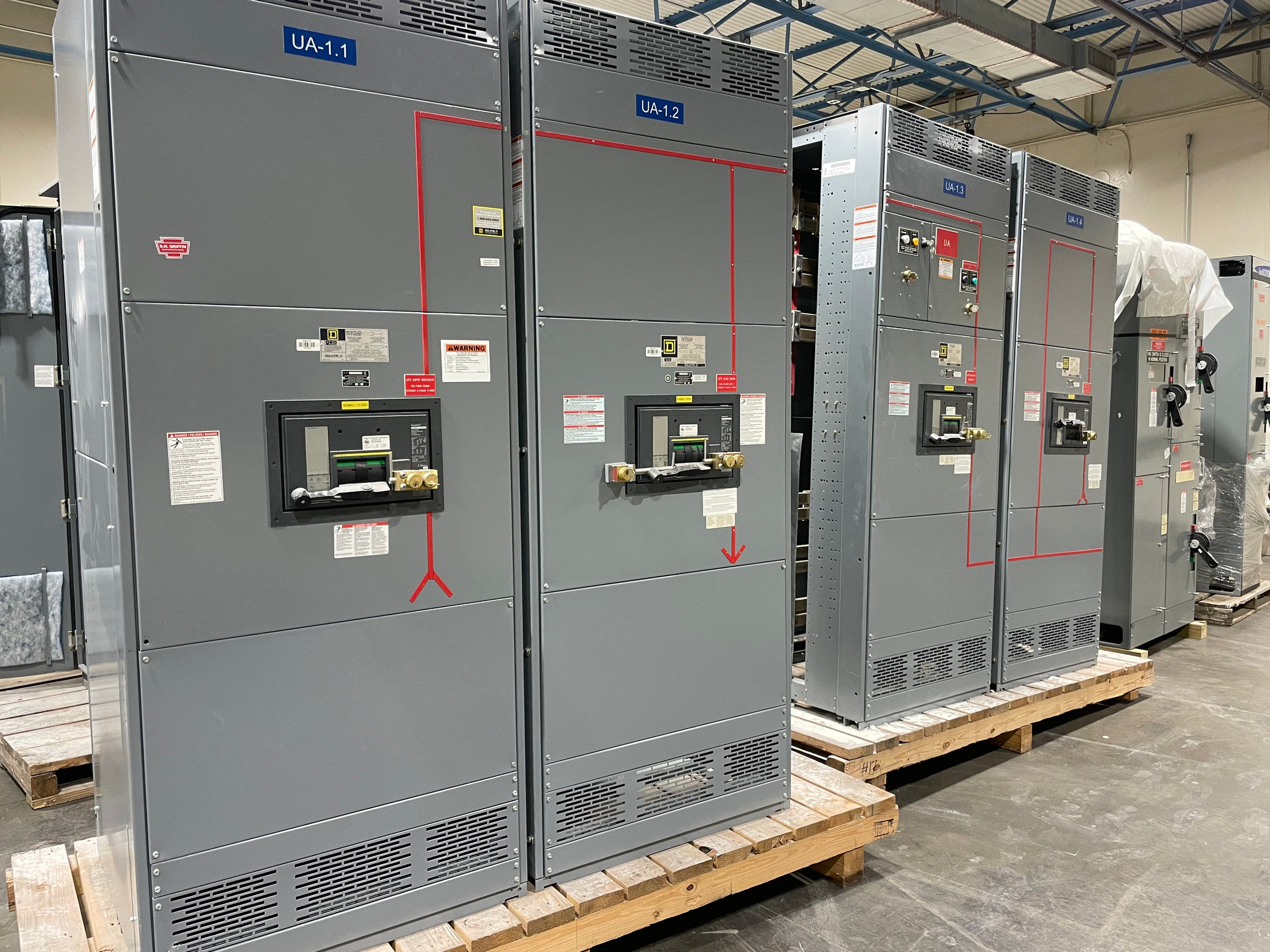
Use a consistent inventory record for each distribution lineup. Record the name or designation used by the owner, the plant area, the number of sections or groups being offered when known, and whether the entire lineup or only specified portions are in scope. Capture identifiers from existing records or labels when readily available. Photos and label details are optional; use them only when already safely accessible, without opening equipment or changing the site’s access arrangements.
Reconcile the item-level record against the proposed lot total. Check for duplicate entries, unclear designations, omitted sections, and entries that combine equipment from different areas or owners. Mark items whose sale status is unresolved instead of silently counting them as included. If the inventory changes, keep the revised scope distinguishable from earlier versions and identify the person authorized to confirm it. Consistent records let the buyer assess the equipment offered without requiring seller testing or turning a broad plant asset list into an assumed equipment sale.
Define a Lot That Matches the Sale
A combined-cycle plant may have a broad asset disposition, but a distribution-equipment purchase can be limited to identified electrical assets. Set out which lineups, portions, and associated items are included, and separate them from equipment that is excluded, retained, or being handled under another agreement. If the seller wants to offer multiple plant areas together, show the area-level groupings within the broader lot. This preserves useful detail while making clear what the buyer is being asked to purchase.
The lot description should reflect the inventory and the parties’ agreement, not an assumed relationship between nearby equipment. Avoid counting an item merely because it appears on a general plant list or is located near an included lineup. Where an entry is uncertain, establish its identity and sale authority before treating it as part of the offer scope. The buyer’s interest and any cash offer depend on the equipment and the agreed lot; an offer for identified items does not imply that every other asset at the facility will be purchased.
Coordinate Access and Collection by Stage
For a staged collection, organize the agreed inventory by the owner’s collection sequence and the areas made available for each stage. Tie each stage to specific lineups or inventory entries, with the responsible owner or authorized contact identified for the relevant assets. Keep later-stage items distinct from equipment already included in an earlier collection. This helps everyone track what remains in scope without treating a schedule of access as a commitment to purchase items that have not been agreed.
Owners retain control of site access. We coordinate collection with the owner and handle cranes, rigging, disconnects, loading, freight, and hauling for the purchased equipment. The owner’s access arrangements and the agreed scope guide coordination; the seller does not need to undertake physical handling for our collection. A staged plan should account for which agreed assets are available in each phase and how the inventory will be reconciled as collection proceeds, while leaving decisions about site access with the owner.
Sale Terms and Equipment Review
We buy only. For equipment selected for purchase, we make a cash offer and payment is made upfront before pickup. The seller does not need to test equipment for our evaluation, and we do not ask the seller to perform testing as a condition of presenting the equipment for consideration. Any offer remains subject to the equipment being offered and the parties agreeing on the sale scope and terms; an inventory submission by itself is not a guarantee of an offer for every listed item.
An owner can share available inventory information to support review, including existing designations and the area and ownership group associated with each lineup. Photos or label information may be shared only when already safely accessible. No seller opening, energizing, disconnecting, dismantling, or physical handling is needed for that information. After the proposed equipment and lot boundaries are understood, the parties can confirm which items are included, coordinate owner-controlled access, and arrange the agreed pickup and payment before collection begins.
A Clear Basis for a Plant Asset Sale
A reconciled inventory gives a combined-cycle plant seller a practical way to distinguish distribution equipment from the broader plant lot. It identifies the lineups under consideration, links them to plant areas and owners, and makes the boundaries between included, excluded, and unresolved items visible. This is especially useful when a facility’s assets are being discussed by multiple parties or when collection is planned in stages. The goal is a sale scope that corresponds to the equipment the authorized seller intends to offer.
We consider identified used, surplus, and decommissioned electrical distribution equipment for purchase in Pennsylvania. Share the inventory and proposed scope for review, and we can determine whether the equipment is of interest and make an offer where appropriate. If the parties agree, payment is upfront before pickup, with our team handling cranes, rigging, disconnects, loading, freight, and hauling. The sale remains focused on the equipment agreed between buyer and seller, rather than an assumption that a complete plant or every asset on a plant-wide inventory is included.