Confirm Who Can Sell Each Item
Before arranging a sale, establish which party owns each electrical asset and has authority to transfer it. A power plant closure can involve the plant owner, a utility, contractors, equipment lessors, lenders, or other parties with rights in particular property. Responsibility for operating, maintaining, removing, or storing equipment does not by itself establish the right to sell it. We buy used, surplus, and decommissioned electrical distribution equipment from owners and authorized sellers in Pennsylvania, subject to agreement on the equipment offered.
For each proposed item, identify the legal seller and the basis for its authority. If the plant owner is selling directly, confirm who is authorized to act for that organization. If a contractor or utility is coordinating the transaction, determine whether it owns the equipment or is authorized to sell it for the owner. Items subject to a lease, lien, contract, or other ownership interest may require clarification before a sale can proceed. We make cash offers for equipment we agree to buy; payment is made upfront before pickup.
Separate Ownership From Closure Responsibilities
Closure work can divide responsibilities among asset owners, site operators, contractors, and utilities. One party may control site access while another holds title to equipment; a contractor may be responsible for work without owning the assets involved. Keep these roles distinct when identifying the seller, approving a sale, and coordinating pickup. The person arranging access should not be treated as the owner unless that authority is established.
A useful asset record names the item, its location or area, the known owner, and the authorized seller or representative. Where ownership is shared, disputed, or unclear, resolve that question with the relevant parties before including the item in a sale. Where records are incomplete, describe what is known and identify the outstanding issue rather than assigning ownership by assumption. This helps align the proposed sale with the party able to approve transfer and coordinate access.
Build an Inventory Around What Is Known
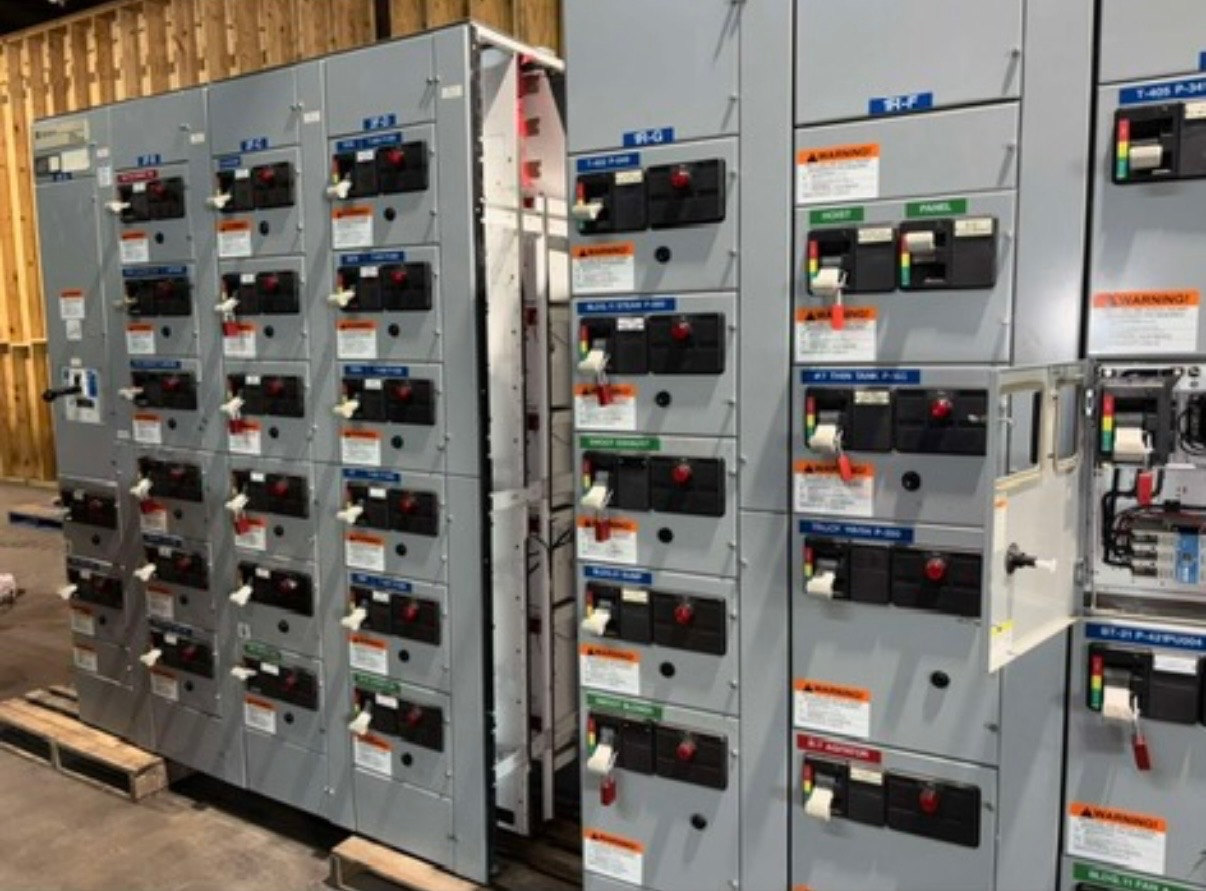
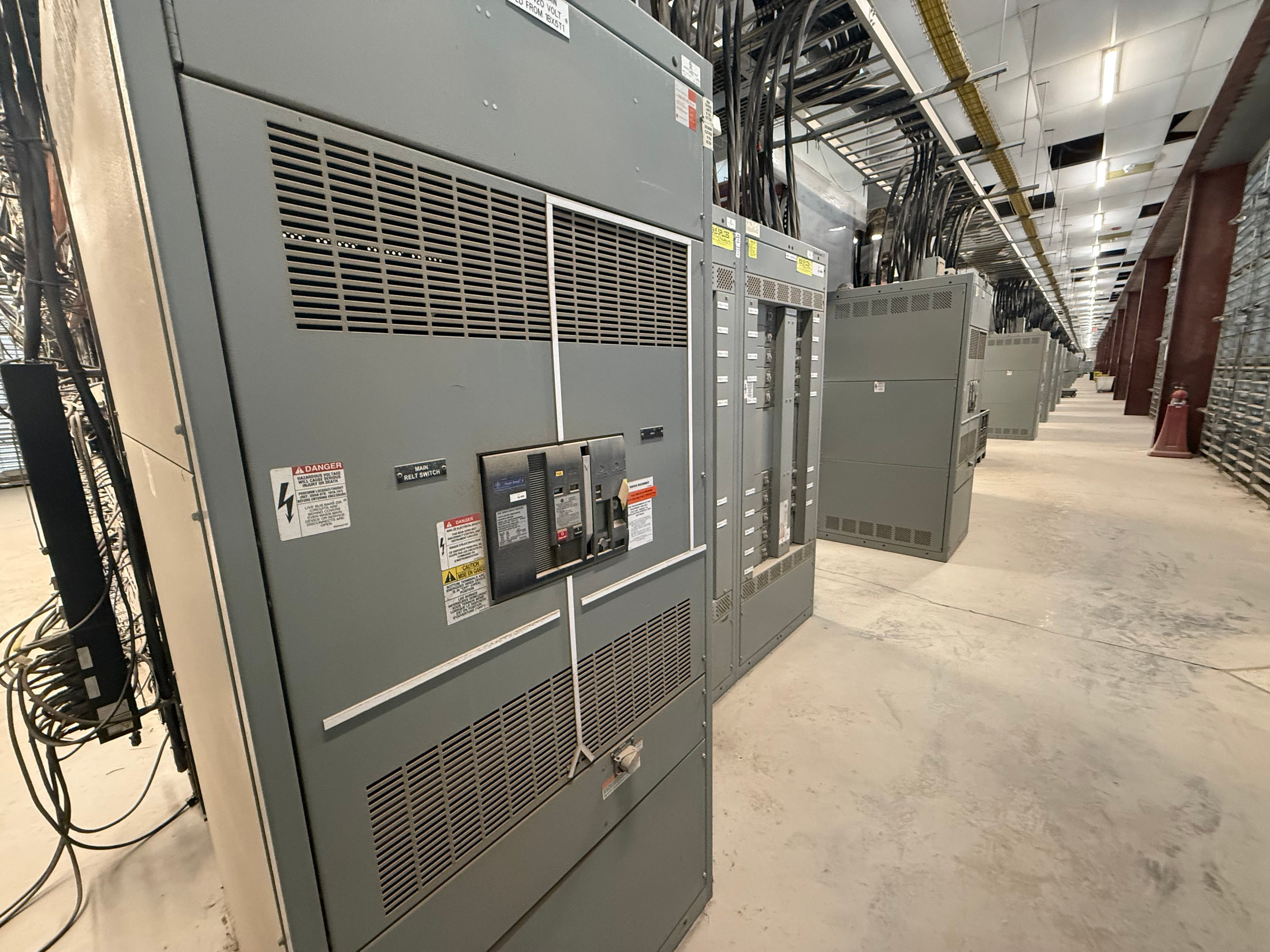
Prepare an inventory that distinguishes confirmed details from information that has not been verified. Record identifying labels or descriptions when available, the general equipment type, and any known quantity or location. Electrical distribution equipment may include switchgear across all voltage classes; the actual equipment and its condition determine whether we make an offer. We also buy switchgear from decommissioned data centers and shut-down power plants, with each proposed item considered on its own details.
Ownership records, asset registers, purchase documents, lease information, and closure-related records may help establish who can sell an item. Not every record will answer every question, and an inventory label alone does not prove title or selling authority. Note when a description, owner, quantity, or status is uncertain. Photos and labels are optional and should be shared only if already safely accessible to the owner; no one needs to enter a restricted area or handle equipment to prepare an initial description.
Define the Proposed Sale Scope
State precisely which assets the authorized seller proposes to sell and which property is excluded. A plant closure does not make every item at the site available: equipment may belong to another organization, remain subject to a contract, or fall outside the seller’s authority. Connecting each listed item to a confirmed owner and an authorized decision-maker makes the proposed scope clearer and reduces the risk of including property that cannot be transferred.
Describe boundaries in practical terms, such as an identified group of equipment or a defined portion of an inventory, without implying ownership of surrounding property. If a list combines assets belonging to different parties, separate those groups and obtain approval from each authorized seller. We evaluate the equipment offered and may make a cash offer for items we are interested in buying. An offer is not guaranteed for every listed item, and any sale depends on agreement on the equipment and transaction scope.
Coordinate Owner and Contractor Roles
Agree in advance on who can approve the sale, who can confirm the asset list, who controls site access, and who will coordinate with us about pickup. The owner or authorized seller should resolve questions about the items included and the authority to transfer them. A contractor or site representative may help coordinate logistics when authorized, but should not be assumed to have power to sell equipment merely because that party is managing closure work.
When several organizations are involved, use a consistent description of the equipment and the party responsible for each decision. Identify the contact authorized to settle changes to scope, and make sure access arrangements reflect the owner’s approval. We coordinate pickup with the seller and handle cranes, rigging, disconnects, loading, freight, and hauling for equipment we purchase. Payment is made upfront before pickup, so the agreed scope and authorized seller should be clear before collection is arranged.
Keep Equipment Status and Sale Authority Distinct
Ownership authority and equipment status are separate questions. A seller may have authority to transfer an item while its operating, removal, or site status remains unknown; conversely, a reported status does not establish who owns it. Share only status information that the responsible party has confirmed, and distinguish recorded facts from assumptions. We do not require seller testing, and sellers should not test, energize, open, disconnect, dismantle, or physically handle equipment for our review.
If the available information does not establish an item’s condition or status, state that plainly rather than treating it as confirmed. Keep access and any site controls under the responsible owner’s direction. We can consider an offer from the information available, subject to the particular equipment and agreement with the authorized seller. This keeps the ownership decision grounded in documented authority while avoiding unsupported conclusions about equipment condition or readiness for pickup.
Move From Agreement to Pickup
Once the seller’s authority and the agreed equipment scope are clear, confirm the party authorized to approve the transaction and coordinate access. Identify any owner, utility, or contractor whose approval or participation is required for the listed items. If a question about title, authority, or scope remains unresolved, address it with the parties involved before treating that item as part of the sale. The transaction proceeds only for equipment we agree to buy and on terms accepted by the seller.
For purchased equipment, we provide payment upfront before pickup and handle cranes, rigging, disconnects, loading, freight, and hauling. No seller testing is required. The owner controls site access, and pickup arrangements should be coordinated with the authorized seller and the party responsible for access. This division keeps the sale decision with the party entitled to sell, while our team manages the stated pickup and transportation work for equipment covered by the agreement.