Decide What Can Be Released Now
For a phased power plant electrical asset release, first distinguish equipment the owner may authorize for sale now from equipment that must remain in place or be considered later. A release plan can cover one defined group, a later group, or both, provided each group is clearly identified and the owner has authority to offer it. We buy used, surplus, and decommissioned electrical distribution equipment; we do not sell equipment or manage a plant-wide closure.
The first decision is not whether every item will be purchased. A cash offer depends on the equipment, its condition and available information, its scope, and whether the proposed release can be coordinated. Some items may be suitable for an offer while others are not. Keeping immediate inventory separate from later inventory lets the seller discuss a defined opportunity without implying that retained or unreviewed equipment is included.
Separate Immediate, Later, and Retained Inventory
Give each proposed release a clear boundary. Immediate inventory is equipment the owner is prepared to make available for a potential transaction and pickup coordination. Later inventory is equipment that may be considered after an authorization, operating, scheduling, or other owner-controlled condition is resolved. Retained equipment is outside the offered scope unless the owner later changes that decision. These categories can be described at a practical level without assigning dates or making assumptions about plant status.
An inventory may identify equipment by the owner’s existing descriptions, location references, quantities, and any available identification information. The list should distinguish included items from adjacent equipment, spares, accessories, or items reserved for continued use. Existing records are useful when available, but a seller need not create technical details that are unknown. Photos and labels are optional and should be shared only when already safely accessible; no one should access equipment or areas to obtain them for an inquiry.
Confirm Authority and Release Scope
Before discussing pickup, the seller should establish who can approve the sale and release of each group. Authority may differ between immediate and later inventory, especially when plant assets are subject to internal review, ownership requirements, or other approvals. The buyer needs a clear indication of which equipment is being offered and who can confirm that the owner has authorized its sale. A potential offer is not a substitute for the seller’s approval process.
Define the boundaries of the sale in writing before arrangements proceed: the equipment included, any exclusions, and which group is authorized for a transaction. If the owner’s scope changes, revisit the offer and coordination rather than treating a later release as automatically covered. We make offers for equipment that fits the opportunity; an offer is not guaranteed for every listed item, and the final scope depends on the equipment and mutual agreement.
Discuss Known Details and Open Questions
Useful information includes the owner’s available inventory, the proposed release sequence, known access constraints, and any established timing requirements. For electrical distribution equipment, voltage class can help describe the inventory when known. We buy switchgear across all voltage classes, including equipment from decommissioned data centers and shut-down power plants. A voltage class or equipment description alone does not determine whether an item will receive an offer; the equipment and agreed scope matter.
Keep unknowns separate from confirmed details. If a condition, quantity, identification, release date, or access arrangement has not been established, describe it as unresolved rather than presenting an estimate as fact. No seller testing is required. Do not test, energize, open, disconnect, dismantle, or physically handle equipment to prepare an inquiry. Owners control access and determine what information can be shared safely from records or locations already accessible to them.
Coordinate Pickup Around the Release Sequence
Phased release affects more than the inventory list: each pickup must align with the owner’s authorization and the equipment included in that transaction. Discuss the intended sequence and any known scheduling or site-access constraints before pickup is planned. Later inventory should not be treated as available merely because it appears on a preliminary list. The owner controls site access and confirms when an authorized group may be released.
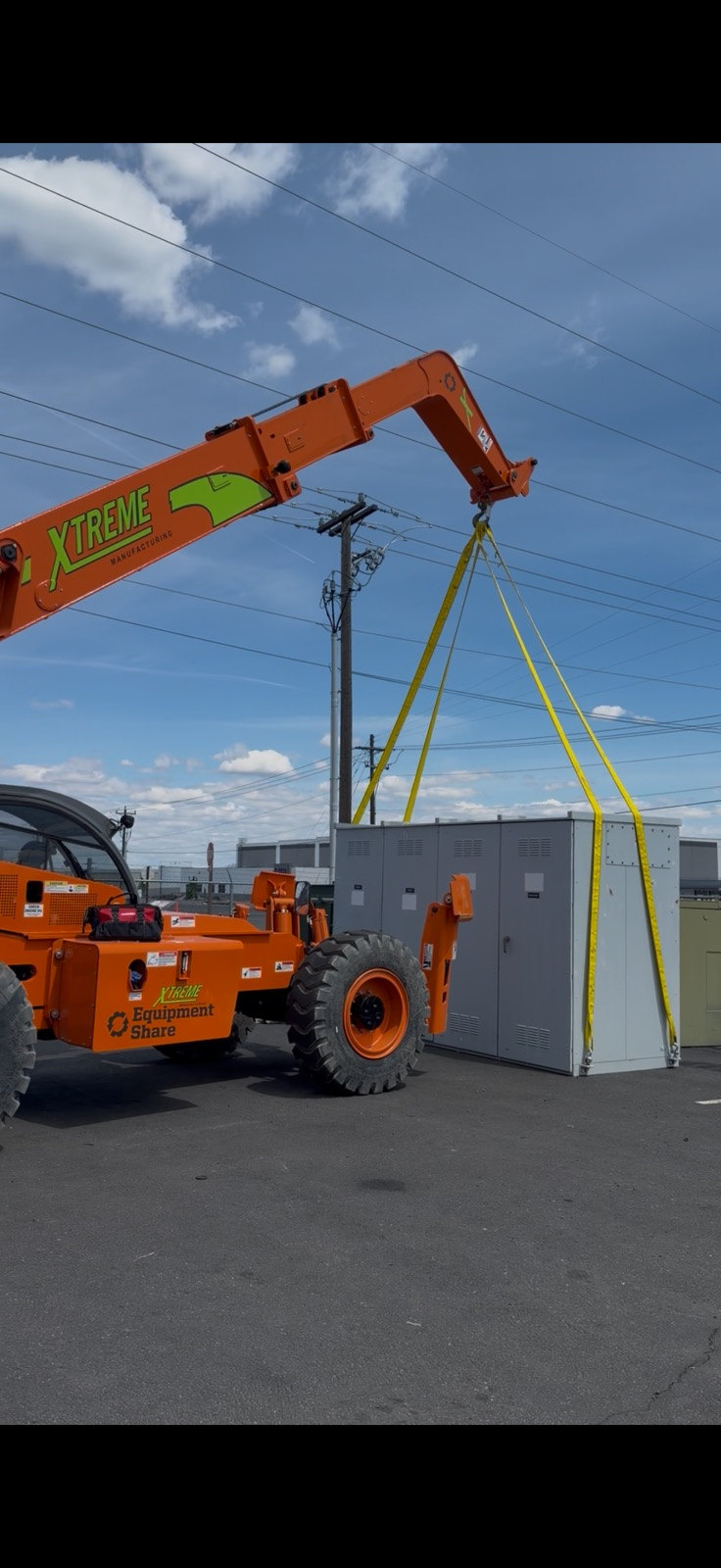
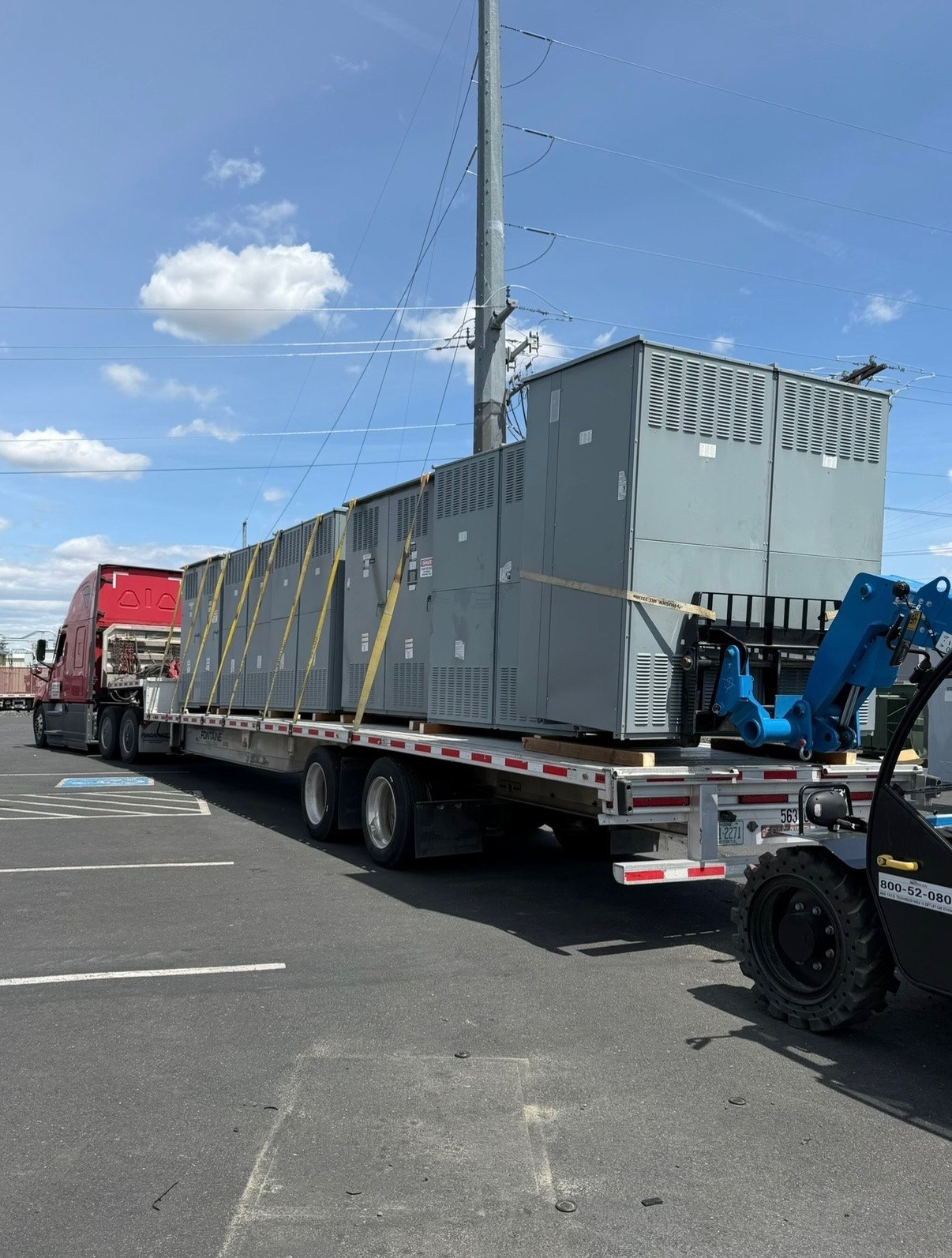
For purchased equipment, we handle cranes, rigging, disconnects, loading, freight, and hauling as part of pickup coordination. The seller should not arrange physical handling or undertake disconnect work on our behalf. Coordination depends on the agreed equipment scope and the owner’s access requirements. If the immediate group is ready but another group is not, the parties can address the immediate scope separately, subject to an offer and agreement; later equipment remains a separate decision.
Agree on Payment Before Pickup
We make cash offers for qualifying used, surplus, and decommissioned electrical distribution equipment. Payment is made upfront before pickup. The seller should confirm that the offer covers the specific authorized inventory being sold and that payment has been made before pickup begins. Equipment reserved for a later release or retained by the owner is not part of that transaction unless subsequently offered, accepted, and agreed.
An offer and pickup plan require agreement between the parties; neither an inquiry nor an inventory list commits the buyer to purchasing all equipment. If the proposed scope, availability, or release sequence changes, confirm whether the existing agreement still applies before arranging pickup. This keeps payment, authorization, and physical collection aligned with the equipment actually included, while leaving the owner in control of what remains in place.
Keep Later Releases Distinct
After an immediate sale, a later release can be considered when the owner is ready to define and authorize that inventory. Reuse the same clear distinctions: what is being offered, what remains excluded, which details are confirmed, and what access or timing requirements are known. A later group may warrant a separate review and offer; a prior transaction does not promise an offer for additional equipment or establish that its condition or availability is unchanged.
This approach suits power plants where electrical assets are considered in stages rather than as one unrestricted sale. It supports a focused discussion of the current release while preserving the owner’s ability to retain equipment or revisit other inventory later. Any future purchase remains subject to the equipment, scope, pickup coordination, and mutual agreement. The seller need not resolve unknown details by performing tests or handling equipment; share available information, identify open questions, and decide which authorized group to discuss first.