Retiring Biomass Plant Electrical Equipment
A biomass power plant retirement can bring together equipment that served different parts of the electrical distribution system, was acquired at different times, or is recorded under several site inventories. For an owner preparing a sale, the useful first step is to identify what is available and who has authority to sell it. An equipment register, asset list, or decommissioning handoff can help describe the group without requiring the seller to test equipment or establish its operating condition.
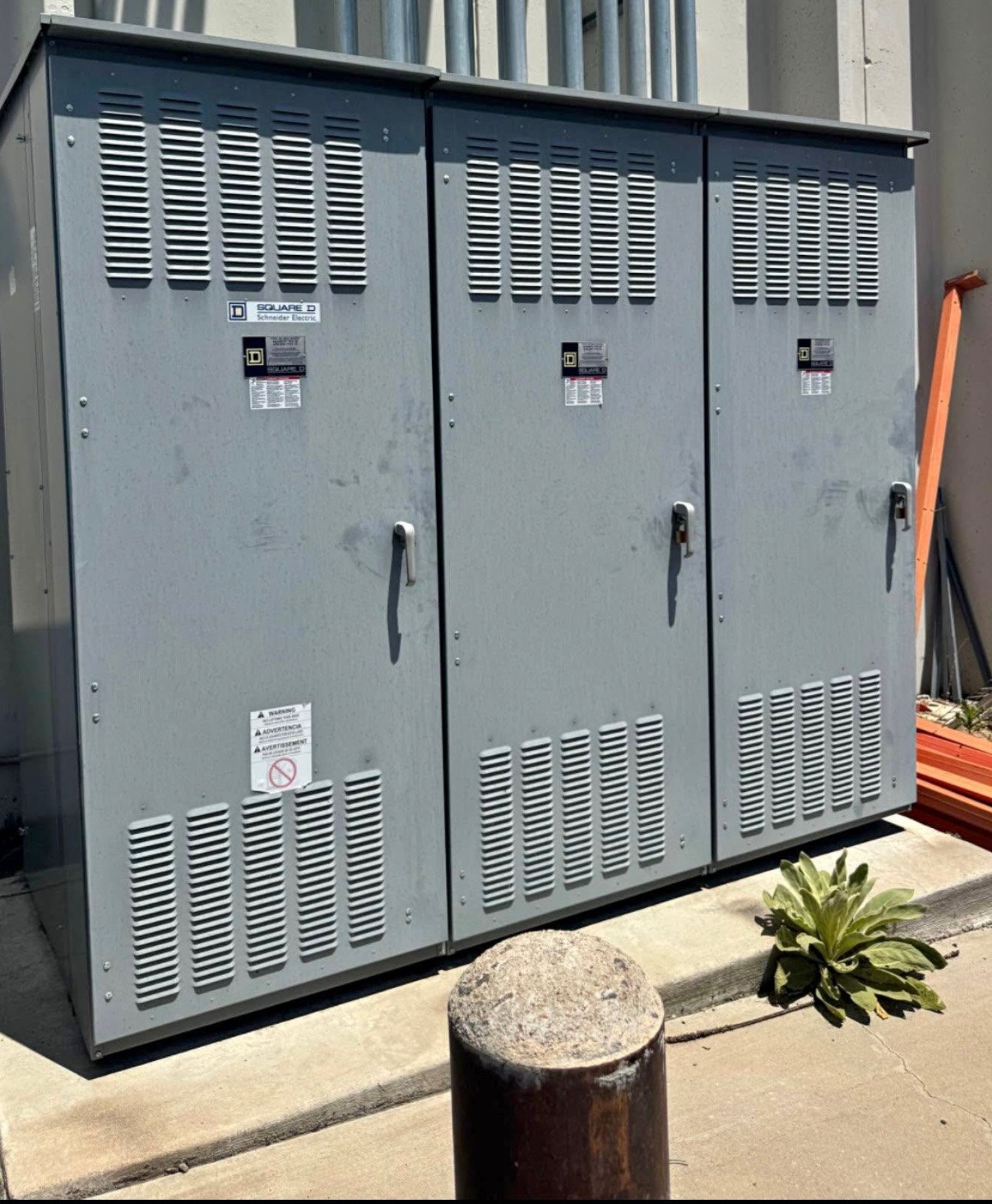
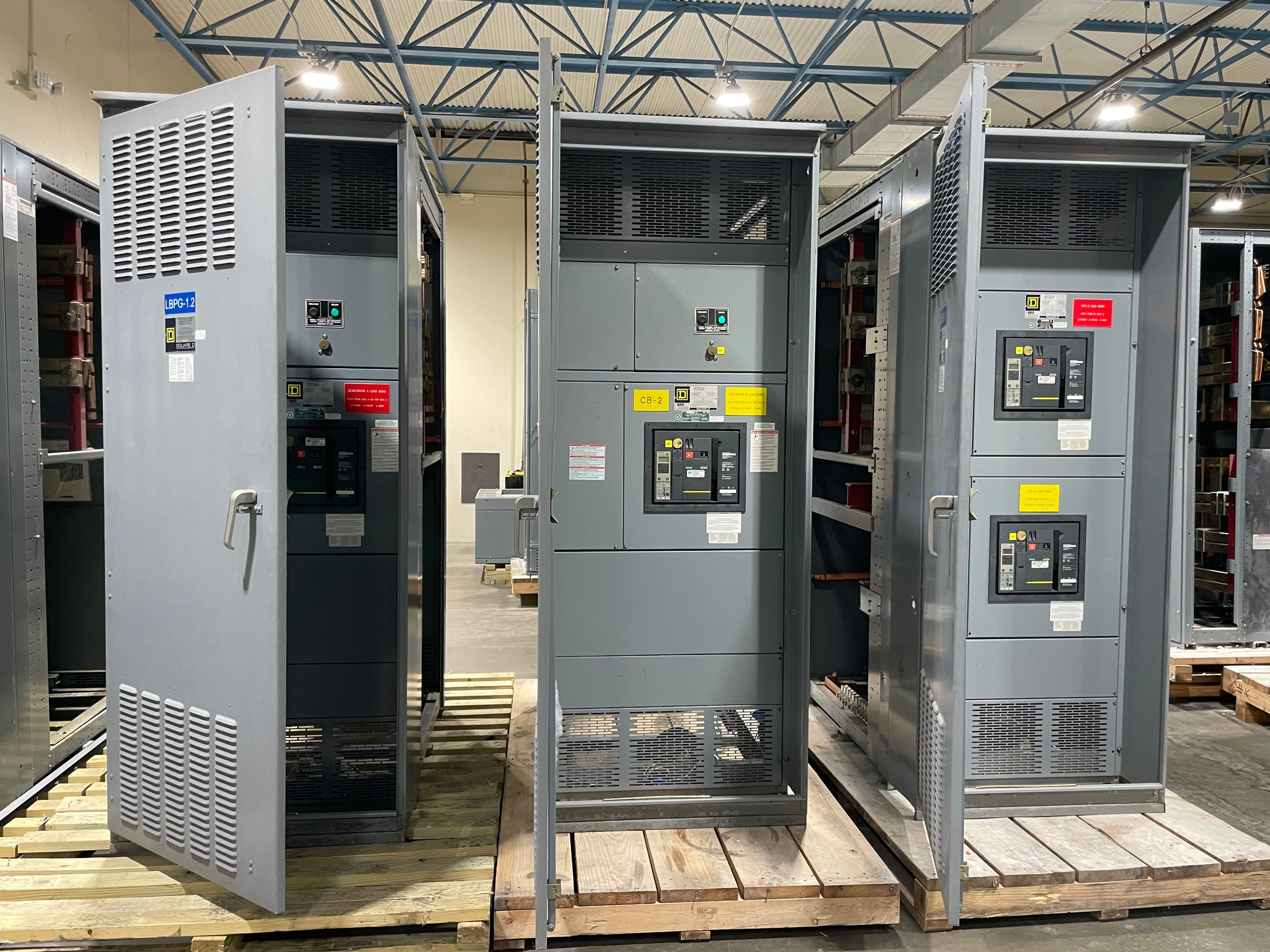
We buy used, surplus, and decommissioned electrical distribution equipment in Pennsylvania, including switchgear from shut-down power plants across all voltage classes. A biomass plant’s available equipment may include a mixed group rather than one uniform package. Whether we can make an offer depends on the equipment and the information available; an offer is not available for every item.
Build an Inventory From Existing Records
Start with records already maintained for the plant, such as an equipment register, sale schedule, or retirement inventory. Useful entries can include the item’s recorded name, manufacturer or brand, location description, quantity, and any existing identification from labels or records. These details help distinguish similar entries and give us a clearer view of the equipment being offered. A written inventory is useful even when it contains gaps; do not create a new record by opening, moving, or handling equipment.
For example, an owner might have a register listing several distribution assemblies alongside separately recorded breakers or other electrical assets. The owner can share the available entries and explain which items are included in the proposed sale. If photographs or label details are already safely accessible, they are optional supporting information. The owner controls site access, and our review does not require seller testing or physical inspection by the seller.
Define the Sale Group and Its Scope
A biomass plant’s register may combine electrical distribution equipment with assets that are outside the intended sale. Clarifying the proposed group helps prevent mismatches between what the owner intends to sell and what the records describe. Identify the included equipment using existing inventory references where possible, and note any entries that are excluded, separately owned, or still under review. The sale scope should reflect the owner’s actual authority and the equipment available for disposition.
Mixed groups can also include items with incomplete descriptions or uncertain quantities. Rather than treating every register entry as interchangeable, identify known differences and leave unresolved details clearly marked for discussion. We consider the equipment described as a group or as individual items, depending on what is offered and whether the equipment supports an offer. This allows the owner to assess a proposed purchase against the actual sale scope, rather than assuming that every listed asset will be purchased.
Coordinate Ownership and Decommissioning Handoff
Before arranging a sale, align the equipment inventory with the parties responsible for the assets and the site. The owner or authorized representative should confirm which equipment may be sold, who can approve the transaction, and how the sale group relates to the decommissioning handoff. This is particularly useful where records pass between plant operations, asset management, and a project team. Clear responsibility reduces ambiguity about which party can agree to terms and coordinate access.
The handoff can also identify the appropriate contact for scheduling and site coordination without implying a particular shutdown status. Equipment records alone do not establish who owns an asset or what access is permitted, so those matters should be addressed by the responsible parties. We coordinate pickup with the owner’s designated contact after a purchase agreement is reached. The owner controls access and any required site arrangements; the seller does not need to conduct testing or prepare equipment physically for our review.
Evaluate an Offer Without Testing
An offer can be evaluated from the available equipment description, inventory scope, and relevant information already on hand. The seller does not need to test equipment to request consideration, and we do not require seller testing as a condition of presenting an offer. Existing records and optional photos or label details, if safely accessible, may help clarify what is included. Avoid assuming that a register entry establishes condition, completeness, or suitability beyond what the record actually says.
Review a cash offer against the specific equipment and sale group it covers. Confirm that the written scope matches the items the owner intends to sell, and discuss any uncertain entries before agreeing. Offers depend on the equipment; we do not promise an offer for every asset in a plant inventory. If the owner and buyer agree on the equipment and terms, payment is made upfront before pickup. This gives the seller a clear point to confirm the transaction terms before pickup coordination proceeds.
Plan Pickup and Buyer Coordination
Once the sale is agreed, we coordinate the removal logistics with the owner or designated site contact. We handle cranes, rigging, disconnects, loading, freight, and hauling. The seller’s role is to coordinate authorized access and communicate applicable site arrangements with us; the seller does not need to perform testing, disconnect equipment, dismantle it, or load it. Pickup planning is based on the agreed equipment scope and the access coordination available for the site.
For a mixed retirement group, connect the agreed sale scope to the site’s handoff information so the pickup team and owner are working from the same understanding of what is included. If records identify equipment differently from its on-site labels, raise that discrepancy during coordination rather than asking someone to inspect or handle it. The owner retains control of access, and pickup arrangements are coordinated with the owner. This keeps inventory, transaction terms, and removal planning tied to the same agreed group.
A Practical Path From Register to Sale
Consider an owner reviewing an existing biomass plant register that lists distribution equipment together with other retired assets. The owner identifies the entries proposed for sale, notes which items are outside the group, and shares the records already available. Any uncertain ownership or scope questions are routed to the responsible party, while optional photos or label information are shared only when already safely accessible. No seller testing is needed to begin discussing the equipment.
We review the proposed group and may make a cash offer based on the equipment. The owner can compare that offer with the intended sale scope, resolve any differences, and agree to terms if the transaction works for both parties. Payment is upfront before pickup. We then coordinate cranes, rigging, disconnects, loading, freight, and hauling with the owner’s contact. This approach connects a plant’s equipment records and decommissioning handoff to a defined sale and buyer-managed pickup, without making the seller responsible for testing or removal work.