Peaking Plant Equipment Sale in Pennsylvania
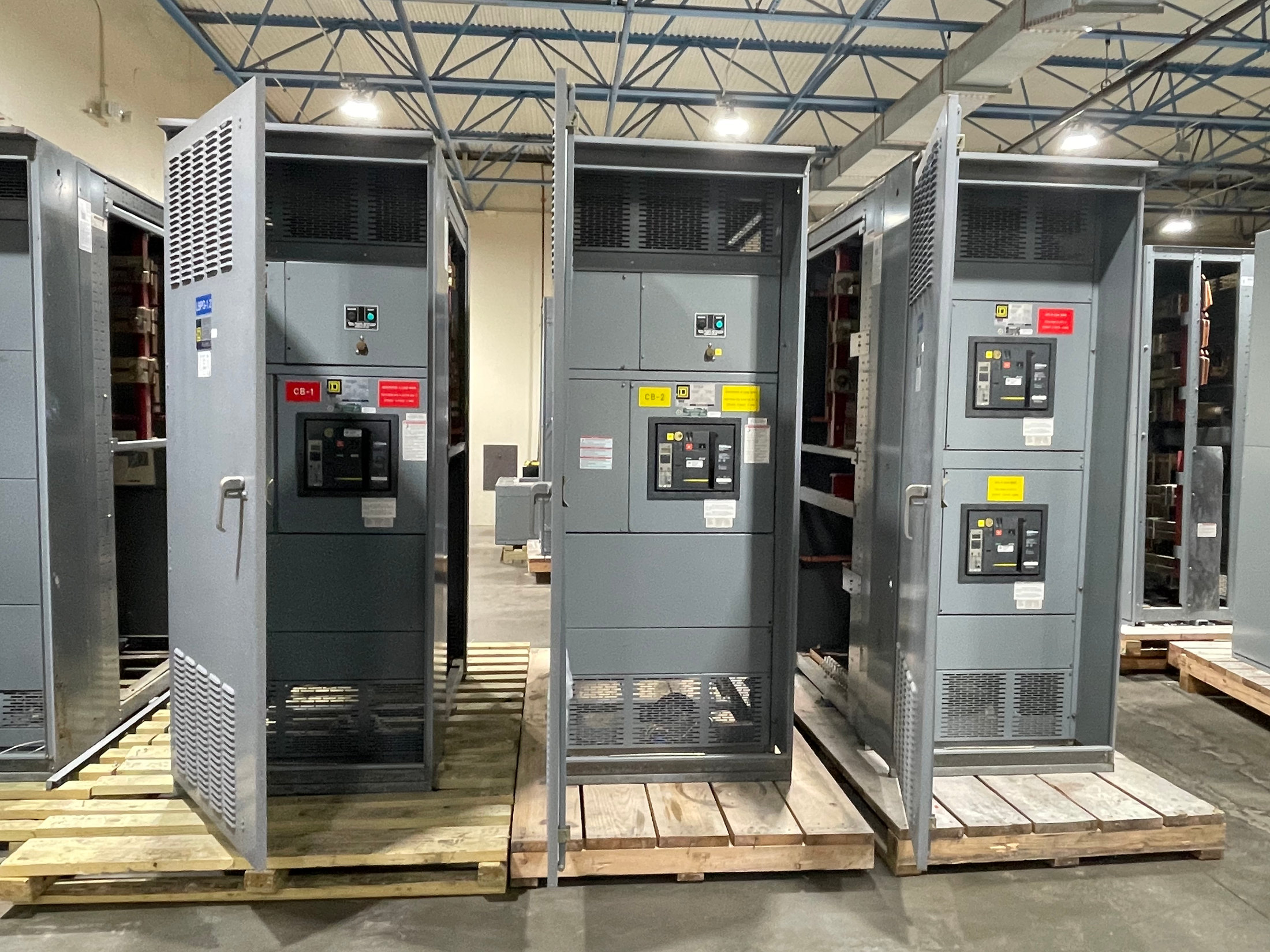
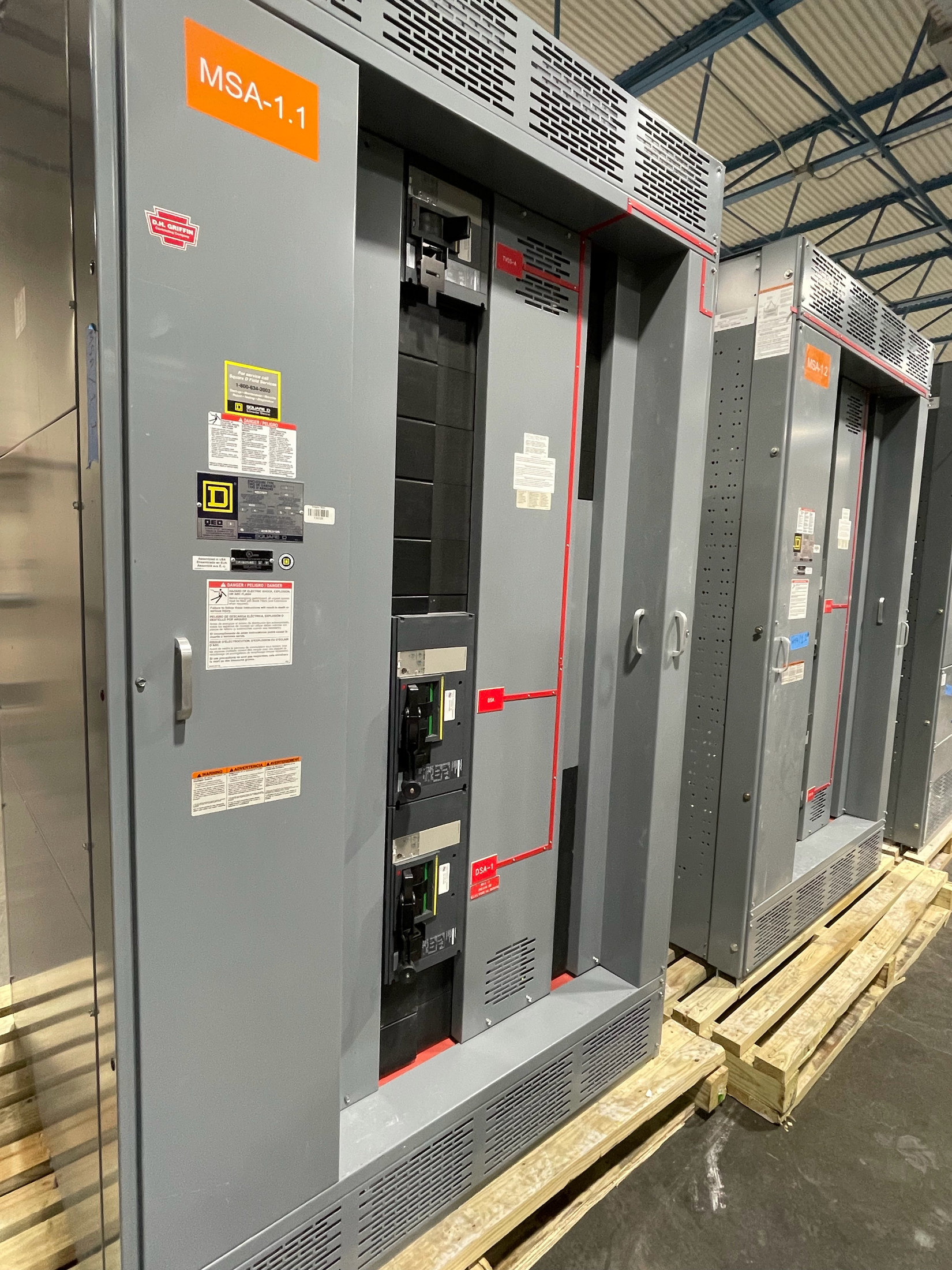
A peaking power plant electrical equipment sale is shaped by the facility’s operating status and the timing of release. Some equipment may remain in service while an owner evaluates a sale; other assets may be identified for removal after operations change. We buy used, surplus and decommissioned electrical distribution equipment in Pennsylvania, including switchgear from power plants across all voltage classes. Whether particular equipment is a fit depends on its condition, identity, scope and availability for sale.
A useful first step is to distinguish equipment that is actually offered from equipment merely present at the site. A preliminary inventory can identify electrical distribution assets by general type, quantity, location within the facility and known status. It can also note which items remain subject to operating needs, approvals or other release conditions. No current or former plant status needs to be presumed: the sale discussion can begin with the information the owner can confirm and develop as release details become clear.
Operating Status and Release Milestones
Operating status affects when equipment can be offered and when it could be made available for pickup. An asset described as surplus may still be needed for plant operations, reserve capacity, maintenance or another owner requirement. A decommissioned designation, by itself, does not establish that equipment has been released for sale or is accessible. We discuss the status the owner provides and the milestones that govern availability, rather than treating an anticipated change as a completed release.
For a peaking plant, release milestones may be tied to owner decisions about continued operation, asset disposition, access authorization or coordination with other work at the facility. The owner can identify which milestones are established, which remain pending and who has authority to approve release. That distinction helps keep inventory discussions grounded: equipment can be considered for a cash offer when its identity and sale scope are sufficiently clear, while pickup planning depends on confirmed availability and authorized access.
Inventory and Equipment Scope
The sale scope should separate electrical distribution equipment from other plant assets and identify whether the proposal concerns a defined group or individual items. A working inventory may describe switchgear, associated distribution equipment, approximate quantities, general locations and known ownership or sale boundaries. We buy switchgear from decommissioned data centers and shut-down power plants across all voltage classes, but voltage class alone does not establish whether a particular lot is suitable for purchase. Scope, condition, identification and the owner’s release terms also matter.
Where inventory records are incomplete, the owner can share what is already known and clarify uncertainty rather than infer details from a plant label or a broad equipment category. Items that are excluded, reserved for continued use or governed by separate disposition decisions should be distinguished from items available for consideration. This supports a focused buyer review without assuming that all electrical equipment at a peaking facility belongs to one sale, is surplus, or will be offered together.
Nameplates and Accessible Information
Equipment identification can help connect an inventory entry to the asset being discussed. If nameplates, labels or existing records are already safely accessible, their visible information may help clarify manufacturer, equipment designation or other identifying details. Photos are optional. Owners control site access, and no one needs to approach equipment or alter site conditions to create a sales description. Information can be shared from records already in hand when physical identification is unavailable or inappropriate.
Names and labels are identifiers, not a substitute for confirming scope, status or condition. A partial label, an old inventory entry or a general description may leave important details unresolved. We can review available information and explain what remains unclear before discussing an offer. We do not require seller testing, and a sale inquiry does not call for the owner to test or energize equipment, open enclosures, disconnect assets, dismantle them or physically handle them for our review.
Condition and Buyer Review
The information supporting a potential offer can include the owner’s description of condition, available records, equipment identity and the proposed sale boundary. Operating history or a statement that equipment is no longer needed may provide context, but neither automatically establishes condition or a buyer’s valuation. We assess the information available for the particular equipment and may make an offer when the item or lot fits our buying scope. An offer is not automatic for every asset or every plant inventory.
Seller testing is not required. If condition is unknown, that can be stated directly and considered alongside the other available details. The owner should not perform technical procedures or change equipment status to support a sale discussion. Any remaining uncertainty can be addressed through the information the owner can safely and lawfully provide, with access and release decisions retained by the owner. This approach keeps the review focused on a possible purchase rather than on work the seller must undertake.
Cash Offer and Payment Before Pickup
For equipment we are prepared to buy, we make a cash offer based on the particular items, their known condition, sale scope and availability. The owner can review the proposed terms and decide whether to proceed. An offer depends on the equipment and the information available; a request for an offer does not guarantee that every listed item will be purchased. Changes to the inventory, release status or agreed scope can affect whether a purchase can move forward.
Payment is made upfront before pickup. The sale and pickup arrangements should identify the equipment being purchased, the agreed price and the point at which the owner authorizes access for collection. Payment timing is a central part of the transaction, not something deferred until after loading or delivery. If release approval or availability is still pending, the owner can first clarify those milestones and then coordinate a purchase around confirmed terms.
Pickup Coordination at the Facility
For purchased equipment, we handle cranes, rigging, disconnects, loading, freight and hauling. The owner does not need to arrange those services as a condition of requesting an offer. Pickup planning follows the agreed equipment scope and the owner’s confirmed release and access arrangements. Timing depends on those arrangements and the specific purchase; a sale discussion does not itself establish a pickup date or authorize entry to a facility.
The owner controls access and any site authorization required for collection. Coordination should establish which assets are included, when they are released, where they are located and how the authorized pickup will fit the owner’s requirements. If operating status or release milestones change, the parties can revisit the schedule and scope before collection. This is particularly important when a peaking plant’s equipment disposition is linked to decisions that are still developing.