Define the Sale Before Planning the Staging
For a Pennsylvania power plant equipment sale, start by establishing which electrical assets the owner intends to sell and who has authority to approve their release. Retired equipment may be staged for a sale, remain installed, or sit among items assigned to another project. Those conditions affect buyer review and pickup coordination, so define the proposed sale scope before treating a broader plant inventory as one lot. A buyer can consider surplus or decommissioned equipment, but an offer depends on the items, their condition, and the agreed scope.
Separate equipment offered for sale from retained assets, contractor property, and items already committed elsewhere. Record the owner or authorized contact for the sale and identify any approval required before a buyer can proceed. This establishes a clear path from initial discussion to accepted offer and release. We buy electrical distribution equipment; we do not provide a general plant-clearance service or promise an offer on every item. The practical first step is a defined, owner-approved group of equipment for buyer review.
Staged Equipment and Installed Equipment
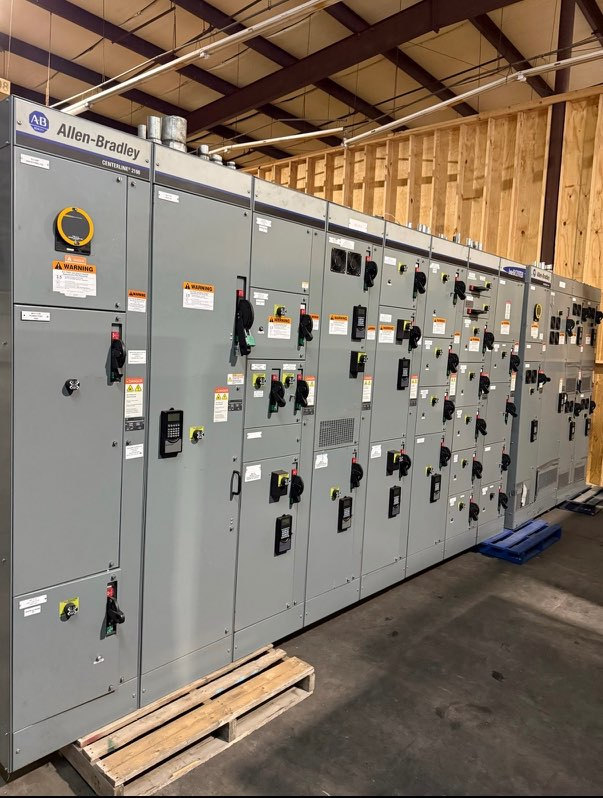
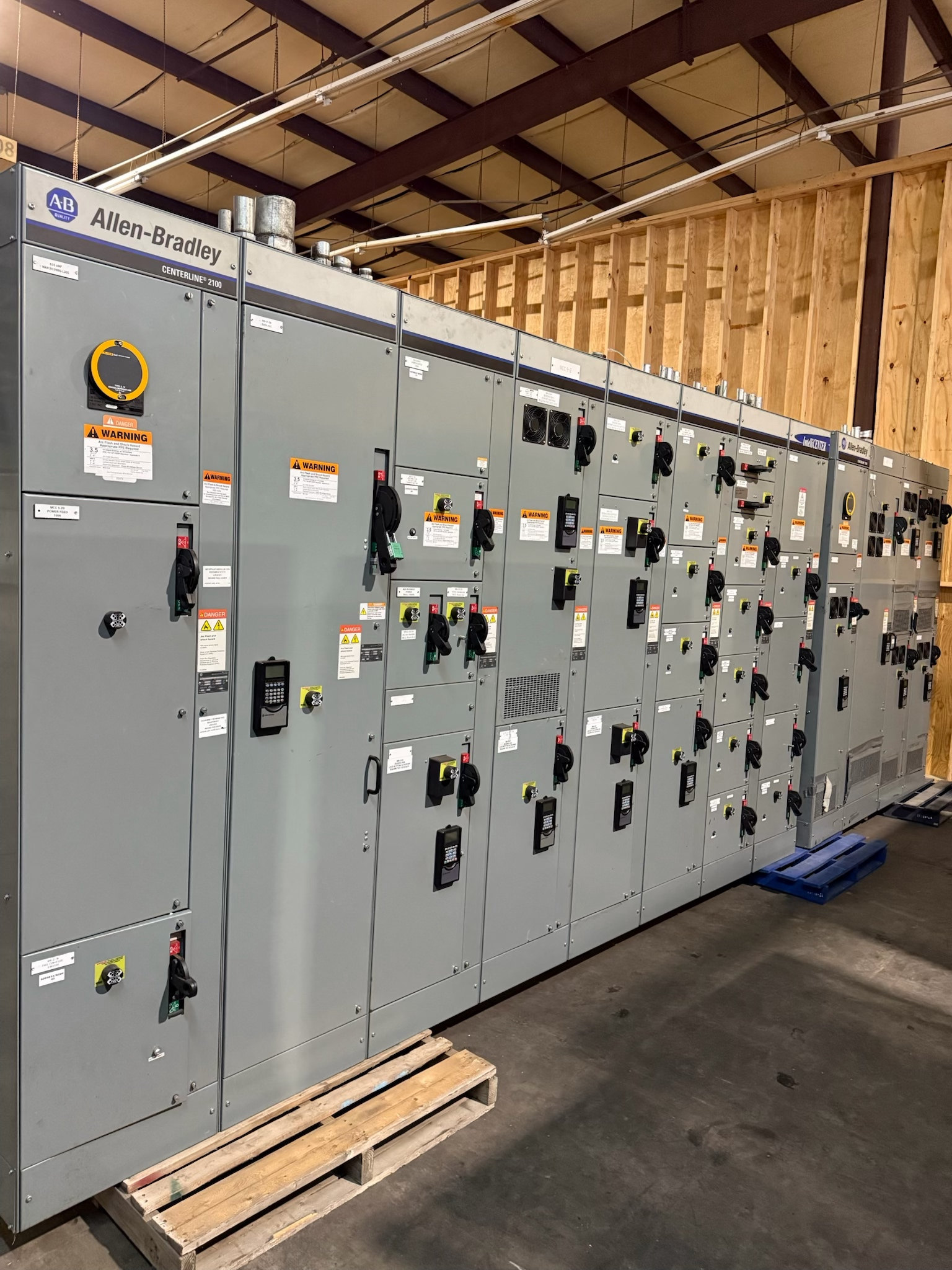
Equipment already staged in an approved area can be easier to describe as a distinct lot because its sale scope and location may be clearer. Staging alone, however, does not establish ownership, sale authority, completeness, condition, or readiness for pickup. A staged group may still include retained items, materials awaiting another disposition, or equipment whose release needs further approval. Keep the proposed sale boundary aligned with the owner’s records and instructions rather than assuming everything in the area is available.
Installed equipment calls for a different coordination discussion because it remains in place and may be part of a larger operating, retirement, or site project. The buyer needs to understand which items are included and when the owner expects to authorize access and pickup. We handle cranes, rigging, disconnects, loading, freight, and hauling as part of an agreed purchase and pickup plan. The owner controls access and release. No equipment should be treated as available for removal until the sale is agreed and the owner has authorized the relevant work.
Build an Item-Level Inventory
A useful inventory distinguishes individual sale items from groups that the owner wants considered together. For each item or clearly defined group, note its general equipment description, whether it is staged or installed, and the area where it is located. Include only details available from existing records or readily visible information. This helps the buyer understand the proposed lot without requiring the seller to perform tests or prepare equipment for inspection. Inventory clarity matters especially where retired electrical assets sit alongside equipment that remains in service or is reserved for another purpose.
Labels and photographs can help identify items when they are already safely accessible to the owner or an authorized representative. They are optional; no one needs to open equipment, approach a hazard, move an item, or disturb site controls to create a sales description. Existing asset lists, ordinary records, and safely accessible exterior views may provide enough context for an initial discussion. Keep uncertain identification separate from confirmed information, and avoid assigning specifications or condition details that have not been established. Buyer review and any offer depend on the equipment and the information available.
Clarify the Lot Boundary and Release Scope
The sale scope should explain whether the owner is offering selected items, a defined staged group, or a broader lot. State what is included and identify obvious exclusions, such as retained assets or equipment outside the owner’s release authority. This is particularly useful when equipment has been gathered in one place for convenience but the sale is intended to cover only part of that staging area. A precise boundary reduces confusion about what a buyer has offered to purchase and what the owner expects to remain.
For installed assets, distinguish the equipment being sold from adjacent or connected items that are not part of the agreement. The owner can describe the intended scope without performing disconnects or handling equipment for the buyer. Once both parties agree on the purchase, coordinate access and the release sequence around the actual items and site arrangements. The purchase agreement, not a broad plant label or a general inventory heading, should govern which assets are sold. This keeps buyer coordination focused on the agreed lot rather than an assumed facility-wide disposition.
Account for Storage and Exposure
Storage history is relevant when comparing staged items with equipment that remains installed or has been moved between locations. Share what the owner knows about where an item has been stored and any observable conditions already documented. Keep those statements factual: a location or storage period does not by itself establish equipment condition, suitability, or value. An offer depends on the particular equipment and the terms both parties can agree to, not merely on whether it has been staged or retired.
Describe visible concerns only when they are known through ordinary, safe access, and do not investigate by opening enclosures, energizing equipment, dismantling components, or performing seller testing. We do not require seller testing. Existing records and optional photos of safely accessible labels or exteriors can support discussion, but they do not replace agreement on the specific items being purchased. This approach keeps storage information useful while avoiding unsupported conclusions about internal condition or performance.
Coordinate Access, Pickup, and Transport
After the sale scope is clear, coordinate the pickup plan for the agreed equipment. Staged items and installed items can involve different access arrangements, locations, and sequencing; describe the actual situation to the buyer rather than assuming staging means loading is immediate. We handle cranes, rigging, disconnects, loading, freight, and hauling under the agreed plan. The owner controls site access and authorizes release, while the buyer coordinates the work needed to collect purchased items.
Keep transport planning tied to the agreed lot, its location, and the owner’s permitted access window. Changes in scope or staging location should be shared before pickup coordination is finalized because they may affect the plan. No physical preparation by the seller is needed for an initial buyer discussion, and the seller should not undertake disconnecting, dismantling, or moving equipment for that purpose. Clear communication about what is being released and where it is located helps align the purchase with the eventual collection.
Agree on Payment and the Purchase
We make cash offers for electrical distribution equipment that we are interested in buying. An offer is not guaranteed for every item, and the sale proceeds only when the buyer and owner agree on the equipment and terms. Before pickup, confirm the items covered by the agreement, the authorized seller, and the release arrangements. Payment is made upfront before pickup, so payment timing is established before collection begins rather than after equipment has been hauled away.
For retired power plant equipment, a disciplined sequence keeps the transaction tied to ownership and scope: identify the items, establish authority to sell, describe whether they are staged or installed, and coordinate access for the agreed pickup. Existing labels or safely accessible photos may assist with identification, but testing is not required from the seller. Once terms are agreed, we handle cranes, rigging, disconnects, loading, freight, and hauling as arranged. The result is a focused purchase discussion for the defined equipment lot, not an assumption that every retired or staged asset will be bought.