Start With an Inventory That Separates Sale Assets
A power plant teardown can involve equipment owned by different entities, assigned to different projects, or designated for retention. Before discussing a sale, organize an inventory around ownership and disposition: equipment proposed for sale, property to be retained, and items whose status still needs confirmation. This distinction gives the buyer and demolition contractor a shared basis for planning without treating everything in a work area as available.
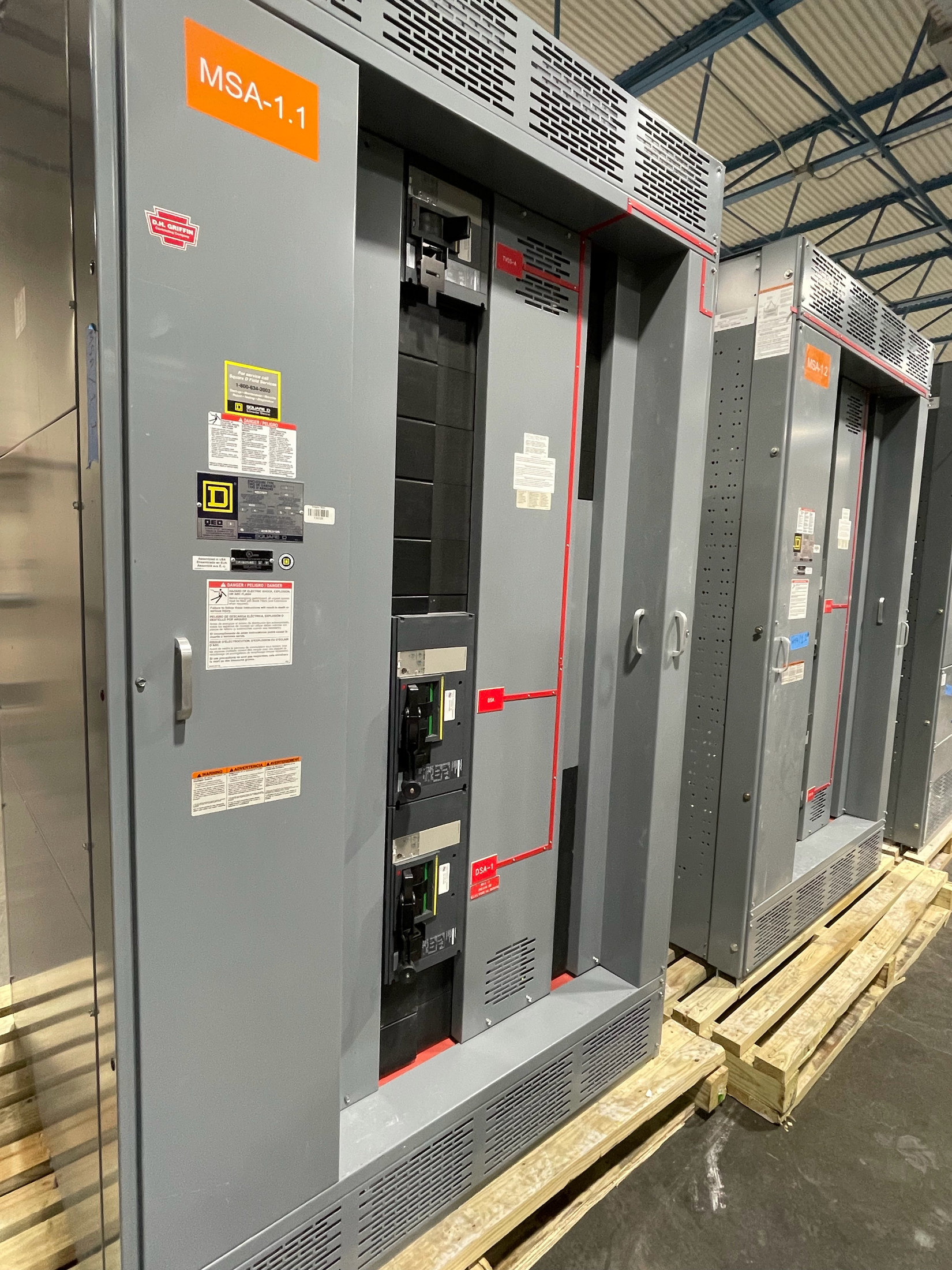
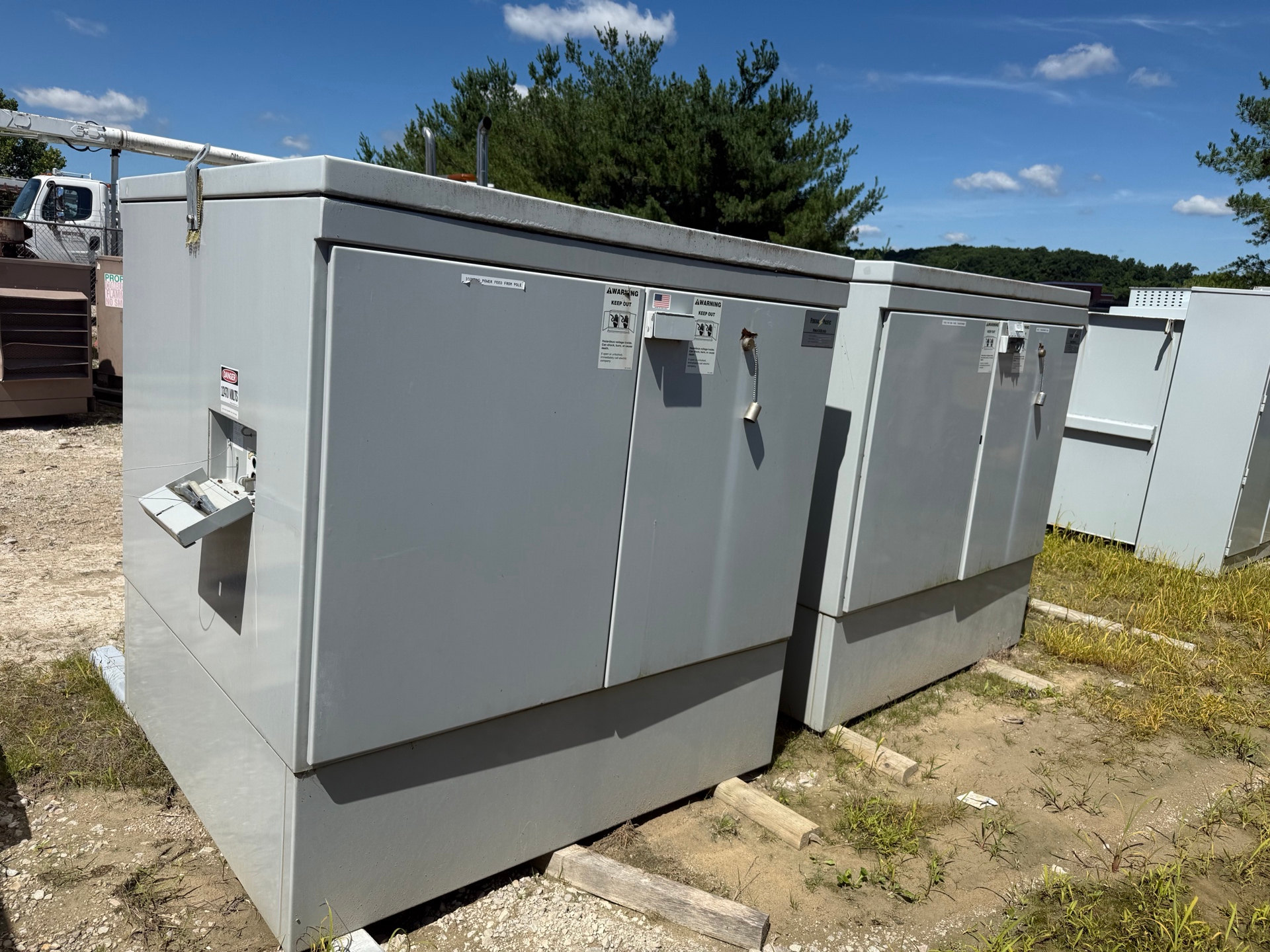
Describe each proposed sale asset using information already available, such as its general equipment type, location within the project, quantity, and any existing identifying labels or records. Keep retained items and unresolved property out of the sale inventory. Photos or label details are optional and should only be provided when already safely accessible; no one needs to open, move, test, or otherwise handle equipment to prepare an initial inventory. We buy used, surplus, and decommissioned electrical distribution equipment, including switchgear from decommissioned data centers and shut-down power plants across all voltage classes.
Confirm Ownership and Authority to Sell
A demolition contractor may coordinate site work without owning the electrical equipment or having authority to sell it. Establish who owns each proposed sale asset and who is authorized to approve its sale and release. Depending on the project, that may require coordination among the asset owner, plant representative, property owner, contractor, or another designated decision-maker. The key is to resolve authority for the specific inventory, rather than assume that control of a work area includes the right to sell its contents.
When ownership or authority is shared or unclear, keep those items separate from equipment ready for a buyer discussion. The authorized party should confirm the sale scope and identify who can approve commercial terms, authorize release, and coordinate access with the contractor. Clear responsibility helps avoid a mismatch between what a buyer has agreed to purchase and what the project team is permitted to release. No sale should be treated as covering retained property or assets outside the approved scope.
Define the Sale Scope Before Contractor Scheduling
A useful scope connects the inventory to the boundaries of the proposed sale. Identify which listed equipment is included, which nearby property remains with the owner, and whether any associated components are included or excluded. Avoid broad descriptions that could leave the contractor, owner, and buyer with different interpretations of what is being sold. If the inventory changes, update the scope and confirm the change with the parties responsible for the sale and site coordination.
Scope clarity is especially important where demolition work and equipment disposition proceed in parallel. A contractor may need to sequence its work around assets reserved for sale, while the buyer needs to know which items are covered by the agreed transaction. Keep the sale description tied to identifiable inventory entries and agreed boundaries, not assumptions based on proximity or appearance. We make cash offers for equipment that fits the transaction; offers depend on the equipment and require agreement. The inventory supports a focused discussion, but it does not mean every listed or onsite item will receive an offer.
Coordinate Contractor Authority and Site Access
Once the sale scope and authority are established, identify the contractor’s role in carrying out the project and coordinating access. Confirm who may communicate work-area availability, manage the project schedule, and coordinate with the buyer on pickup arrangements. The contractor’s coordination role should remain distinct from the owner’s decision to sell and authorize release. This division makes it easier to direct sale questions to the right party and avoid treating an operational contact as the person empowered to change the transaction.
Owners retain control of site access and decide when an area can be made available. The contractor and owner can coordinate the practical access window with the buyer after the sale terms and release authority are settled. If project sequencing changes, the authorized parties should communicate the revised plan before pickup is arranged. This keeps buyer coordination aligned with the site’s actual schedule and avoids relying on informal assumptions about access, availability, or permission to enter a work area.
Set a Clear Release Sequence
A release sequence should link four decisions: the final sale inventory, approval by the authorized seller, confirmation that the contractor can accommodate the planned pickup, and agreement on when the equipment may be released. Keep those decisions distinct. A buyer’s interest is not itself permission to remove property, and a contractor’s schedule is not a substitute for the owner’s release authorization. Confirming each step in order helps prevent sale assets from being confused with retained property as the teardown progresses.
Payment is made upfront before pickup. The parties should coordinate the agreed payment and release timing before equipment is collected, so the seller, contractor, and buyer share the same understanding of when the transaction is ready to proceed. No seller testing is required for our purchase discussions. Do not arrange testing or equipment handling on our behalf; inventory details and information already available can support the conversation. If the approved sale scope or release plan changes, resolve that change with the authorized seller before proceeding.
Keep Sale Equipment Segregated From Retained Property
Clear segregation is a project coordination practice, not permission for anyone to move or mark equipment without authority. The owner and contractor can define how sale assets will be distinguished from retained items using the project’s existing records and approved site controls. Keep the inventory aligned with those distinctions, and identify unresolved items as unresolved rather than grouping them with sale assets. This is particularly useful when multiple work areas or phases involve different ownership decisions.
The buyer relies on the agreed scope and authorized release, not on assumptions that everything within a demolition boundary is included. If an asset appears on a work list but is not approved for sale, keep it outside the transaction. If a proposed sale item cannot be distinguished from retained property, pause its inclusion until the responsible parties clarify the boundary. This approach protects the owner’s disposition choices and gives the contractor a clear basis for coordinating work around property intended for buyer pickup.
Coordinate Pickup Responsibilities and Closeout
After the sale scope, authority, payment timing, and release are agreed, coordinate pickup with the owner and contractor. We handle cranes, rigging, disconnects, loading, freight, and hauling for the purchased equipment. The owner controls site access, and the contractor coordinates its project activities with the agreed pickup plan. Confirm the applicable access arrangements and pickup timing with the people authorized to make those decisions; do not assume that a sale agreement independently grants site entry or changes the contractor’s work plan.
Keep the final pickup aligned with the inventory and release authorization so that only agreed sale assets are included. The owner and contractor can confirm that retained property remains outside the sale scope and communicate any approved adjustments before collection. A well-coordinated transaction gives each party a distinct role: the owner authorizes the sale and access, the contractor coordinates its work, and the buyer manages the listed pickup responsibilities. Offers, purchase decisions, and pickup arrangements remain subject to agreement and the equipment involved.