Define the switchgear included in the sale
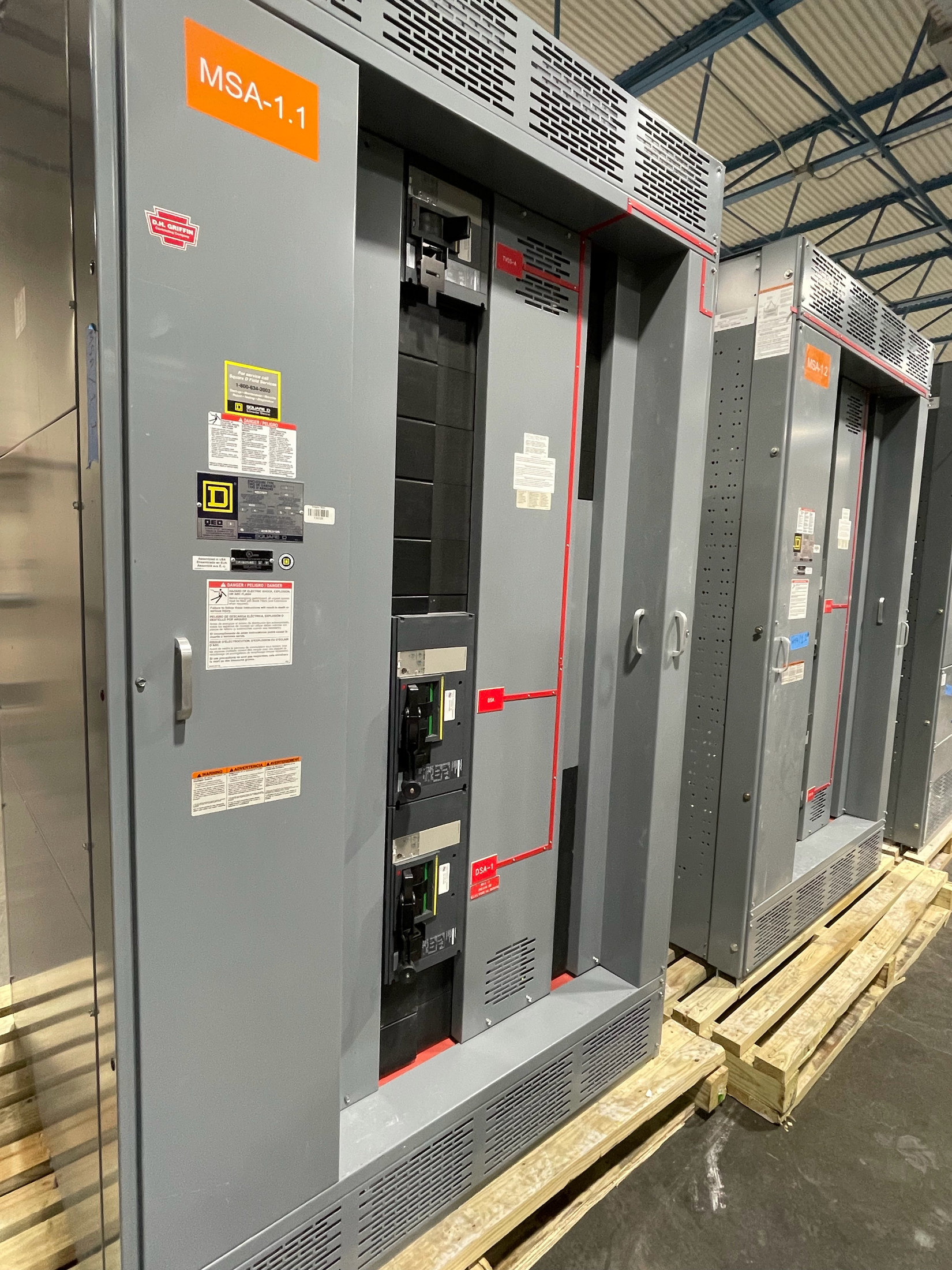
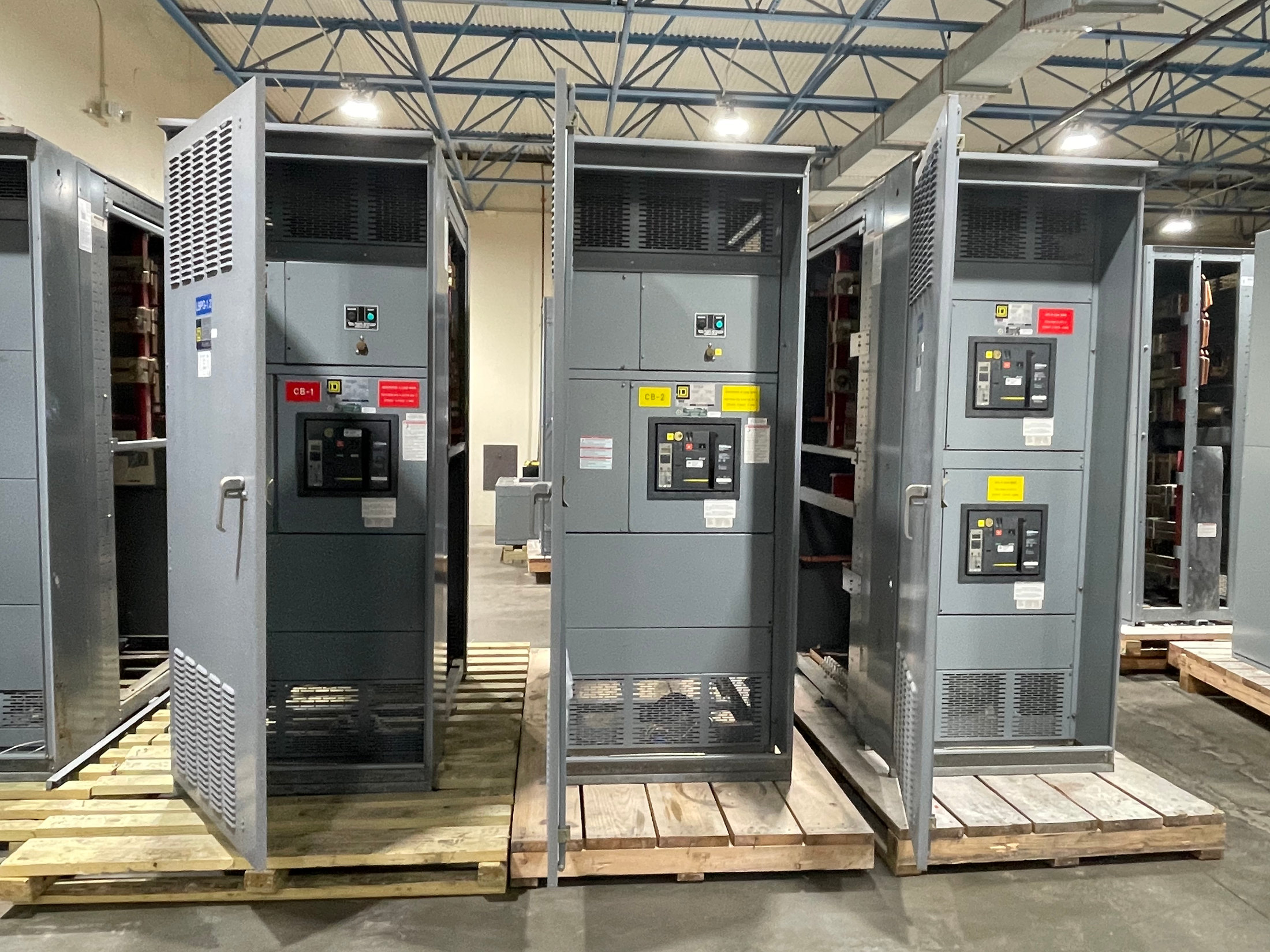
A switchgear sale begins with a clear boundary between the equipment being offered and property the owner intends to retain. Identify the switchgear intended for sale by its location, general description, and any labels or inventory references already available. Describe associated items only when they are part of the proposed sale. This gives both parties a shared understanding of the assets under discussion without treating every item in the room, lineup, or facility as included.
Contrast the subject equipment with the broader lot before discussing removal. A larger lot may contain other electrical distribution equipment, spare parts, tools, controls, cable, or building property; none should be assumed included simply because it is nearby. Record retained property separately and make the dividing point understandable to the people coordinating access. Photos or label details can help when already safely accessible, but the owner controls access and does not need to handle equipment to prepare an initial description.
Describe condition without arranging seller testing
Provide information the owner already has about the switchgear, such as its general condition, known operating history, whether it came from a decommissioned data center or shut-down power plant, and whether records are available. These details help distinguish one proposed purchase from another, but they are not a substitute for a buyer’s assessment or a promise that the equipment will suit a particular use. Switchgear across all voltage classes may be considered, with any purchase dependent on the equipment and the parties’ agreement.
Our purchase process does not require seller testing. Do not energize, open, disconnect, dismantle, or physically handle equipment to create information for an inquiry. Share existing documents or photographs only when they are already available and can be provided safely. A cash offer may be made for equipment we are prepared to buy; not every item will receive an offer, and the amount and scope depend on the equipment and agreed terms.
Set the purchase boundary in writing
Before scheduling removal, put the agreed assets and the limits of the sale in writing. The description should distinguish switchgear included in the purchase from adjacent equipment, building systems, and retained property. Where a group of assets is being considered together, describe the broader lot and identify exclusions rather than relying on a general phrase that could be read more widely than intended.
The written agreement should also establish the purchase terms and how the parties will recognize the agreed equipment at pickup. This is especially useful when sale assets and retained property occupy the same area or when several pieces are discussed at different times. Confirm that the owner’s representative and the buyer are using the same asset description. A change to the proposed lot should be discussed and agreed before work is arranged, rather than left for interpretation during removal.
Separate owner, buyer, and contractor responsibilities
The owner controls site access and identifies the property that may be included in the sale. The owner can provide existing information, identify retained assets, and coordinate access through the appropriate site representative. The owner does not need to perform seller testing or undertake physical preparation of the switchgear for our purchase discussion. Clear ownership and access instructions help keep the sale boundary distinct from the broader facility.
For an agreed equipment purchase, we handle the removal work, including cranes, rigging, disconnects, loading, freight, and hauling. When a qualified rigging contractor is involved, its work should follow the scope established for the agreed purchase and the access arrangements authorized by the owner. The contractor’s role is part of carrying out that removal scope; it does not decide which assets the owner is selling. Keep the purchase agreement, access coordination, and contractor scope aligned so each party understands its responsibilities.
Document the removal scope and retained property
Describe in writing what removal work is included for the purchased switchgear and what property is outside the scope. The scope should connect the equipment description to the pickup area and make clear that retained items are not part of the buyer’s removal work. If the proposed purchase expands or changes, revise the agreement and scope before proceeding so the owner, buyer, and contractor are coordinating around the same boundary.
Identify who will coordinate access and communicate any site-specific restrictions already established by the owner. Share relevant access information with the buyer and, as applicable, the qualified rigging contractor through the agreed coordination process. Do not treat the presence of a crane or rigging crew as permission to remove surrounding assets. The owner retains control of the site, while the buyer’s agreed responsibility covers the purchase-related removal and transportation work stated for the sale.
Coordinate payment and pickup
Our offers are cash offers, and payment is made upfront before pickup for an agreed purchase. Confirm the purchased assets and the payment arrangement before removal is scheduled. This sequence keeps the sale, payment, and pickup tied to the same written scope and avoids confusion about whether an item is included. An offer is not automatic for every piece of equipment; whether we proceed depends on the equipment and agreement between the parties.
Once the purchase terms and removal scope are settled, coordinate pickup with the owner’s authorized site contact. We handle cranes, rigging, disconnects, loading, freight, and hauling for the agreed equipment purchase. The owner’s role is to authorize access and maintain the distinction between sale assets and retained property; the buyer coordinates the removal work within the agreed scope. Keep changes to access, assets, or scope in communication before pickup so the parties can resolve them against the written agreement.
Keep the sale and broader lot aligned
A switchgear purchase can be discussed as a specific asset sale or as part of a broader lot, but those are different scopes. If only the switchgear is being sold, state that clearly and identify nearby property as retained or excluded. If additional equipment is under consideration, describe it separately and confirm whether it is included in the same agreement. This distinction is useful for equipment from decommissioned data centers and shut-down power plants, where the proposed switchgear may sit among other assets with different ownership or disposition plans.
Before pickup, the owner, buyer, and any qualified rigging contractor should be working from a consistent description of the purchased assets and the removal responsibilities. The owner controls access and protects the boundary around retained property; the buyer handles the agreed removal and transportation work. Written scope, upfront payment before pickup, and a clearly defined lot make coordination more straightforward without requiring seller testing or physical preparation of the equipment.