Start With an Inventory That Can Be Reconciled
A useful freight discussion begins with an inventory that lets the buyer connect each listed item to the equipment under consideration. Record the equipment description, quantity, and any identifier already available in existing records. Keep separate entries for distinct items rather than combining a room, lineup, or group under a broad label. If the count is uncertain, state the best known count and identify what remains unconfirmed. This gives the buyer a clearer basis for reviewing the proposed purchase and the amount of equipment that may need to be moved.
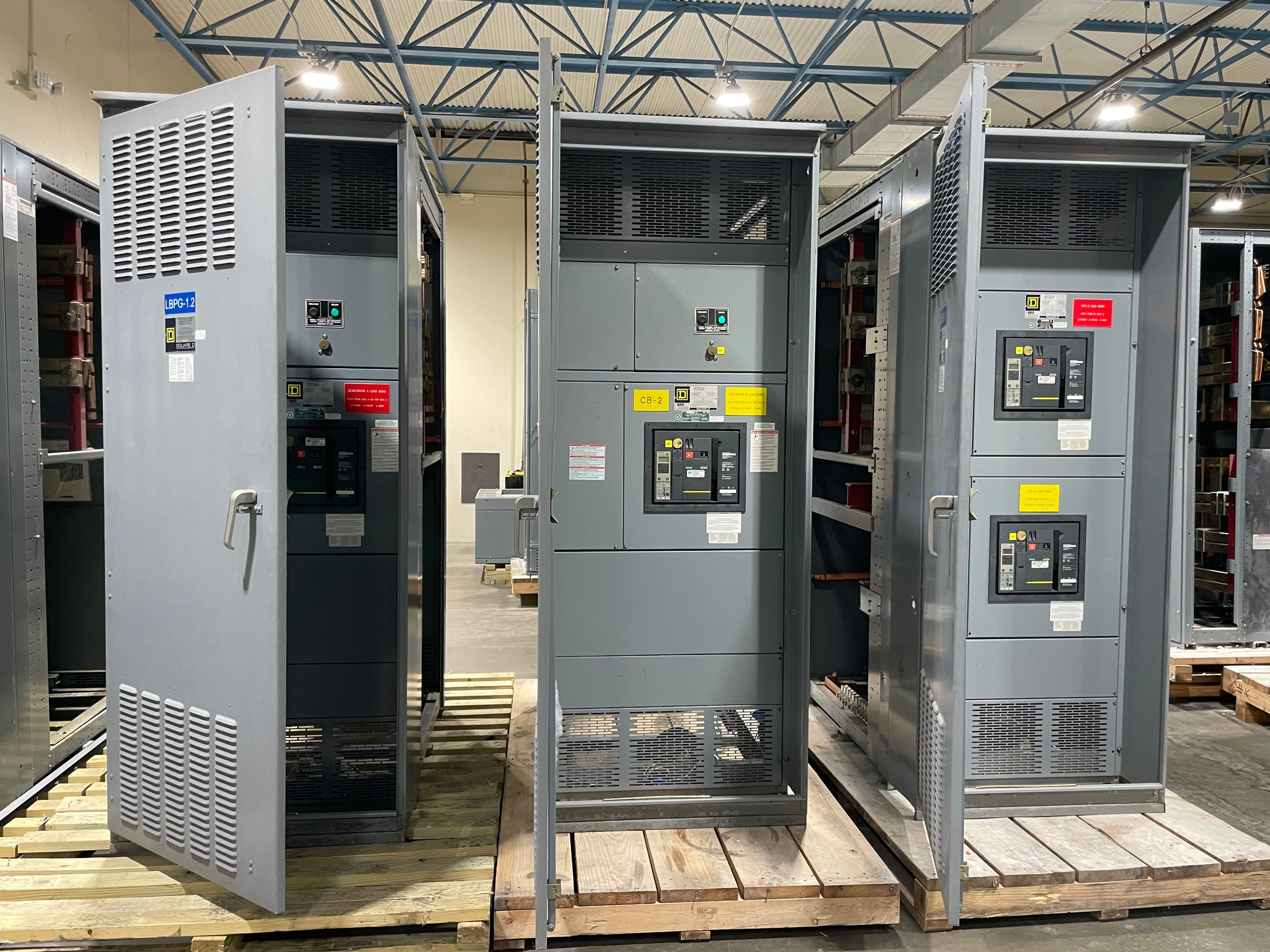
Reconcile the list against records and information already safely available to you. Note whether a count refers to individual units, sections, or another grouping, and avoid treating a grouping as a confirmed unit count unless that is how it is documented. Existing labels, photographs, and records can help distinguish items, but they are optional; share them only when already safely accessible. Do not enter equipment areas or handle equipment to obtain more information. A clear account of known items and unresolved counts is more useful than a polished list that implies certainty you do not have.
Separate Confirmed Details From Estimates
For each inventory entry, distinguish recorded facts from estimates and unknowns. Approximate dimensions can help the buyer understand the overall freight scope, but identify them as approximate and state what the measurement describes when that is known. Weight records may also inform review; include their source or status if available, such as an existing document or an estimate, rather than presenting an unverified figure as confirmed. If no usable dimensions or weight information is available, mark that plainly. Do not guess to fill gaps.
Use consistent descriptions across the inventory, photographs, and supporting records so that the buyer can tell which information belongs to which item. If a listed dimension covers a group rather than one unit, make that distinction explicit. Note whether a record applies to the entire listed quantity or only part of it. These small clarifications reduce ambiguity when the buyer reviews what is included in an agreed purchase and considers the freight scope. Owners remain in control of access; information gathering should rely on records and materials already safely available, not on opening, moving, or examining equipment.
Describe Loading Access at a Practical Level
Summarize loading access using information you already know: the general access route, where equipment is located, and any known limitations that could affect a pickup plan. Relevant context may include whether the equipment is indoors or outdoors, whether the route involves a doorway or level change, and whether the pickup area has a known access restriction. Keep the description factual and concise. If a detail is uncertain, label it as uncertain rather than assuming that a vehicle or lifting arrangement will fit.
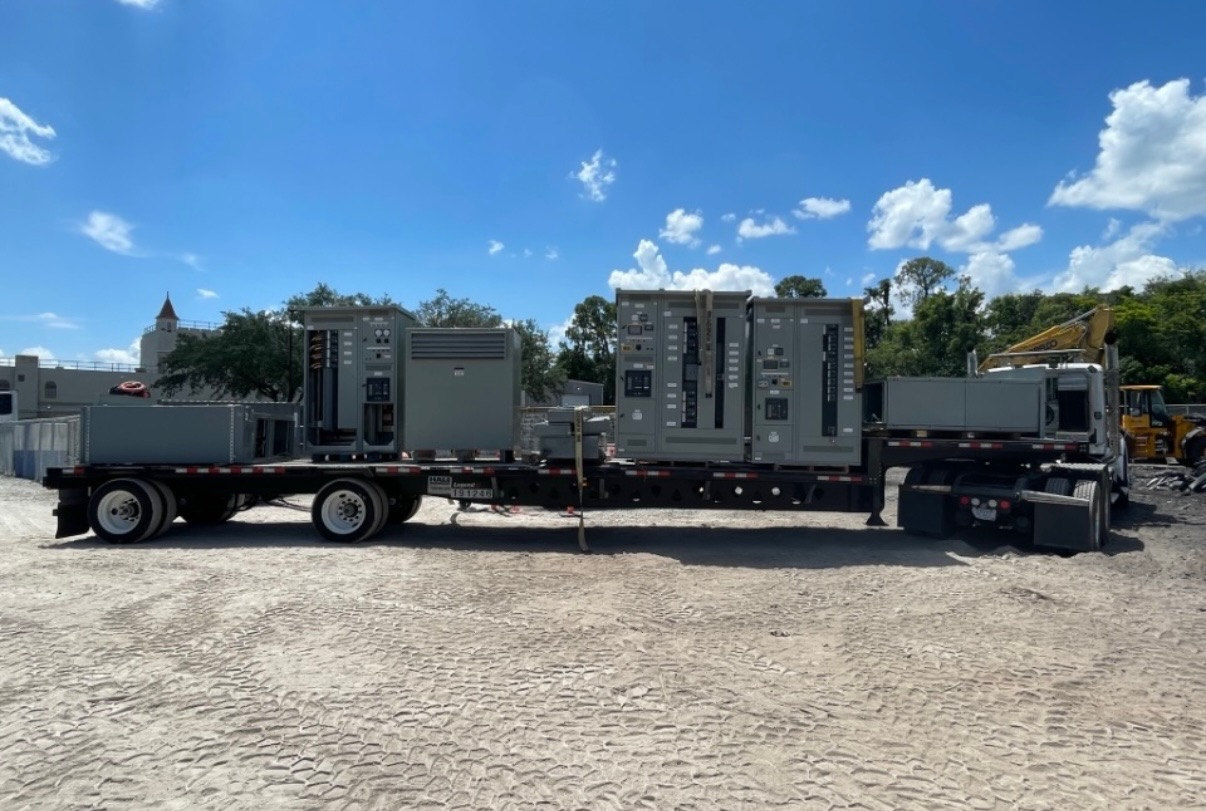
The buyer can review the inventory alongside the access information and coordinate the handling scope for an agreed purchase. Do not move equipment, clear a route, detach anything, or attempt to check clearances or lifting points for a quote. The seller’s role is to communicate what is already known and provide access coordination; the buyer handles cranes, rigging, disconnects, loading, freight, and hauling. A straightforward description of the setting helps identify questions for coordination without asking the seller to perform physical preparation.
Make Uncertainty Visible in the Freight Review
Freight review is more useful when unknowns are recorded as specific gaps rather than left implicit. Examples include an unconfirmed item count, missing weight records, approximate dimensions that cover only part of a group, or access details that have not been established. State what is known, what is estimated, and what is unavailable. This helps the buyer decide what information can be used to review the proposed equipment purchase and what may need clarification before handling arrangements are coordinated.
Keep changes traceable when the inventory is revised. If a quantity or description changes, update the relevant entry and explain the correction briefly so the buyer does not have to reconcile conflicting versions. Do not convert an assumption into a confirmed fact merely because it appears in more than one document. Photos or labels can supplement the record when already safely accessible, but are not required. The objective is a dependable account of the equipment and its known circumstances, not a technical inspection or a seller-prepared freight plan.
Coordinate Scope Around the Agreed Purchase
A freight quote discussion should follow the actual equipment being offered and the scope the buyer and seller agree to purchase. The inventory helps define that scope: which listed items are included, which counts are confirmed, and which details remain approximate. If the proposed purchase changes, the inventory and related freight information should be reconciled again so that handling coordination reflects the revised scope. The buyer’s review depends on the equipment and the information available; an inquiry does not mean every item will receive an offer.
For equipment purchased by agreement, we handle cranes, rigging, disconnects, loading, freight, and hauling for the seller. The seller does not need to arrange those services as part of the agreed pickup. Access and timing coordination still depend on the equipment and the parties’ agreement, so keep the inventory and known access details aligned as plans are discussed. Do not disconnect, dismantle, energize, open, or physically handle equipment to prepare it for freight review.
Understand the Purchase and Payment Terms
We buy used, surplus, and decommissioned electrical distribution equipment and make cash offers when the equipment and proposed sale are suitable. Any offer depends on the equipment and requires agreement between buyer and seller; an inventory or freight discussion is not itself an offer or a commitment to buy every item. A reconciled list gives the buyer a clearer view of what is being offered, while honest notes about quantities, dimensions, weights, and access help keep the review grounded in available information.
For an agreed purchase, payment is made upfront before pickup. We do not require seller testing as a condition of discussing the equipment. The seller should not energize or test equipment, or undertake physical work to support a freight quote. Once the purchase scope and terms are agreed, the buyer coordinates the handling and transportation work, including cranes, rigging, disconnects, loading, freight, and hauling. Keeping the inventory accurate through that process helps ensure the agreed equipment and pickup scope remain clear.