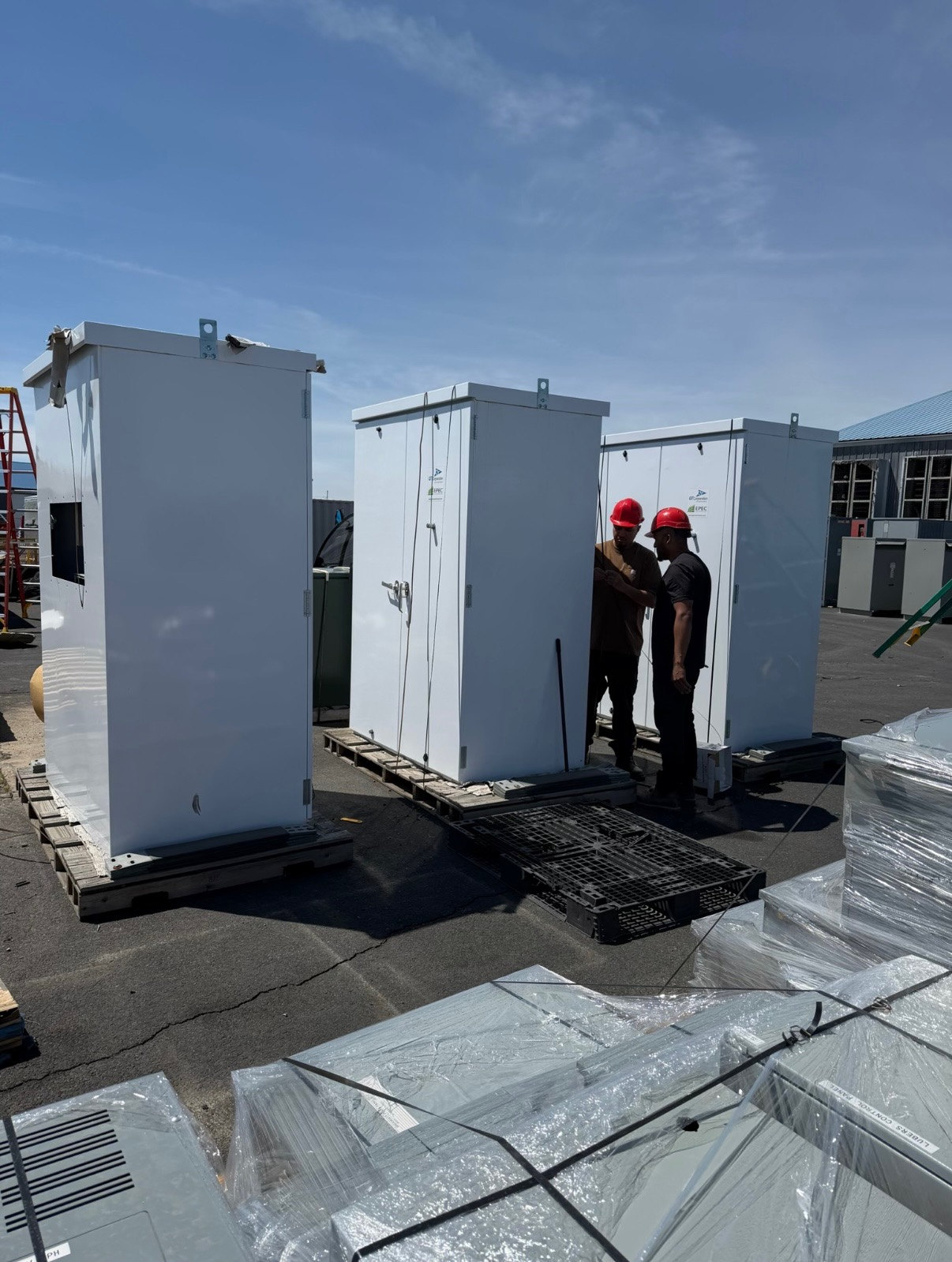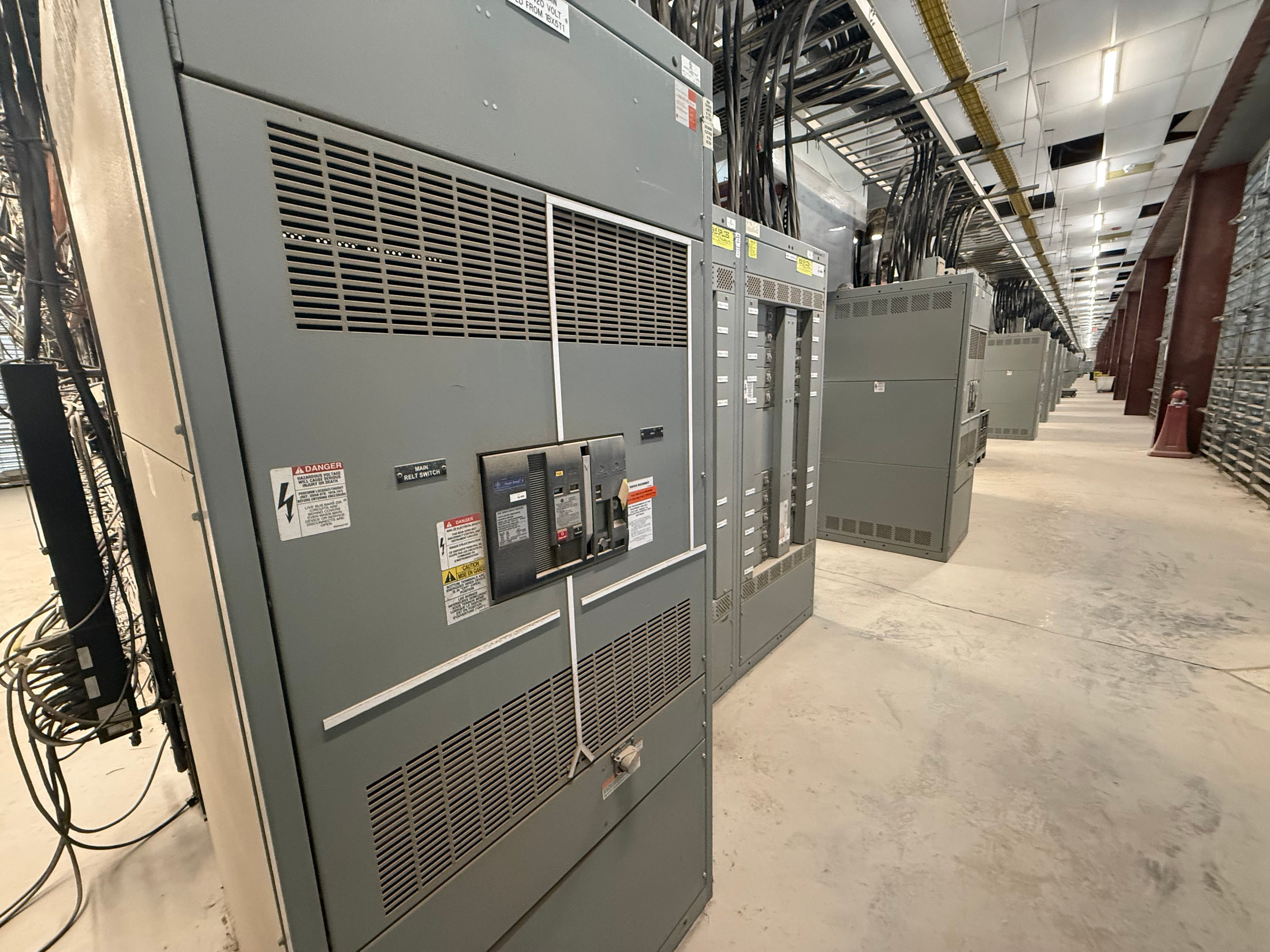
Decide Whether to Sell One Switchgear Item or a Mixed Lot
Start by deciding whether you want to sell one identifiable switchgear item or offer several pieces together as a mixed lot. A single-item sale centers on that assembly’s identity, condition information, documented weight, and expected removal scope. A mixed lot requires an inventory that distinguishes each assembly, along with any known differences in weight, configuration, and removal circumstances. That separation helps us review what is actually included and determine whether the equipment fits a potential purchase.
We buy used, surplus, and decommissioned switchgear across all voltage classes, including equipment from decommissioned data centers and shut-down power plants. We are a buyer, not a seller of equipment. An inquiry does not guarantee an offer: any cash offer depends on the equipment and requires agreement. For an agreed purchase, payment is made upfront before pickup. The buyer handles cranes, rigging, disconnects, loading, freight, and hauling, with coordination based on the agreed equipment and site arrangements.
Record Weight Information Without Guessing
Use documented weights when they are available, and identify the source or the specific item each weight describes. A record might apply to one assembly, a group of assemblies, or a larger shipment; make that distinction clear rather than assigning a group figure to individual items. If weight is unavailable or uncertain, mark it as unknown. A clear unknown is more useful for planning than an unsupported estimate presented as fact.
Weight information helps inform loading coordination, but it is only one part of the picture. Assembly dimensions, how the equipment is situated, access to the pickup area, and the scope of an agreed purchase can also affect planning. Qualified parties should verify loading needs for the actual equipment and location. Sellers do not need to handle equipment or conduct testing to prepare an inquiry; share records and observations already available to you.
Identify Every Assembly in a Mixed Lot
For a mixed lot, give each assembly its own inventory entry. Use an existing name, asset identifier, label description, or another practical reference so that the item can be matched to its documented weight and known condition information. Keep separate entries when assemblies differ, even if they appear similar. If an identifier or weight is not known, record that gap against the relevant item rather than leaving it unclear which equipment the information concerns.
Describe what the proposed lot includes and distinguish included switchgear from equipment you intend to retain. Note whether the inquiry covers a complete group or only selected assemblies. This allows a buyer to consider the offer scope and helps prevent confusion when coordinating pickup. Existing photographs or labels may be shared only when already safely accessible; do not access or handle equipment to create new information.
Compare the Planning Needs of One Item and a Lot
A single-item inquiry can be easier to describe because the weight record, identity, and pickup scope may all refer to one assembly. Still, an assembly-specific weight should not be assumed to cover additional pieces or related equipment. State what is included in the proposed sale and whether the recorded figure applies to that precise item. If the weight record covers a broader unit or is not specific, say so plainly.
A mixed-lot inquiry benefits from item-level distinctions because a combined weight can conceal substantial differences among assemblies. Separate documented figures where available, identify which entries have unknown weights, and describe the lot boundaries. This does not require the seller to calculate a total or determine lifting requirements. The buyer and qualified parties coordinate loading needs for the agreed equipment; the seller’s role in the inquiry is to describe the proposed sale accurately using information already on hand.
Share Inventory and Pickup Context
Alongside the inventory, provide any existing information that helps identify the equipment and understand the proposed pickup scope. Useful context can include whether the equipment is surplus or decommissioned, whether the inquiry concerns one item or a group, and which recorded weight belongs to which assembly. Explain known limitations in the records, such as a weight that applies to multiple pieces or an item with no documented figure. Do not substitute a guess for missing documentation.
Pickup context can help frame coordination without requiring the seller to arrange lifting or transport. For an agreed purchase, we handle cranes, rigging, disconnects, loading, freight, and hauling. The specific arrangements depend on the equipment being purchased and the agreed scope. Owners control access to their property and equipment; any site coordination should respect that control and involve qualified parties as appropriate.
Understand the Purchase and Payment Terms
We review the equipment offered and may make a cash offer when the equipment and proposed sale are suitable. Offers are not automatic and depend on the equipment; a purchase proceeds only when both parties agree. This applies whether the inquiry covers one switchgear item or a mixed lot. Clear item identification and weight records can make the scope easier to understand, but they do not determine an offer by themselves.
For an agreed purchase, payment is upfront before pickup. The seller does not need to test the switchgear for the buyer. We handle the cranes, rigging, disconnects, loading, freight, and hauling associated with the agreed equipment. Keep the proposed sale scope explicit so the equipment under discussion, payment arrangement, and pickup coordination refer to the same items.
Send a Clear Switchgear Inquiry
A useful inquiry states whether you are offering a single assembly or a mixed lot, identifies each item separately, and pairs documented weights with the correct entries. Mark unknown weights as unknown and explain when a record applies to more than one assembly. Include the intended sale scope and relevant information already available in your records. Optional photos or label details should only come from material already safely accessible to you.
This organized information supports an initial review without turning the seller into a loading planner or equipment tester. If we reach agreement on a purchase, payment is made upfront before pickup, and we handle cranes, rigging, disconnects, loading, freight, and hauling. Qualified parties verify loading needs for the actual equipment and circumstances. A precise inventory makes it easier to discuss a potential purchase while keeping single-item and mixed-lot details distinct.